

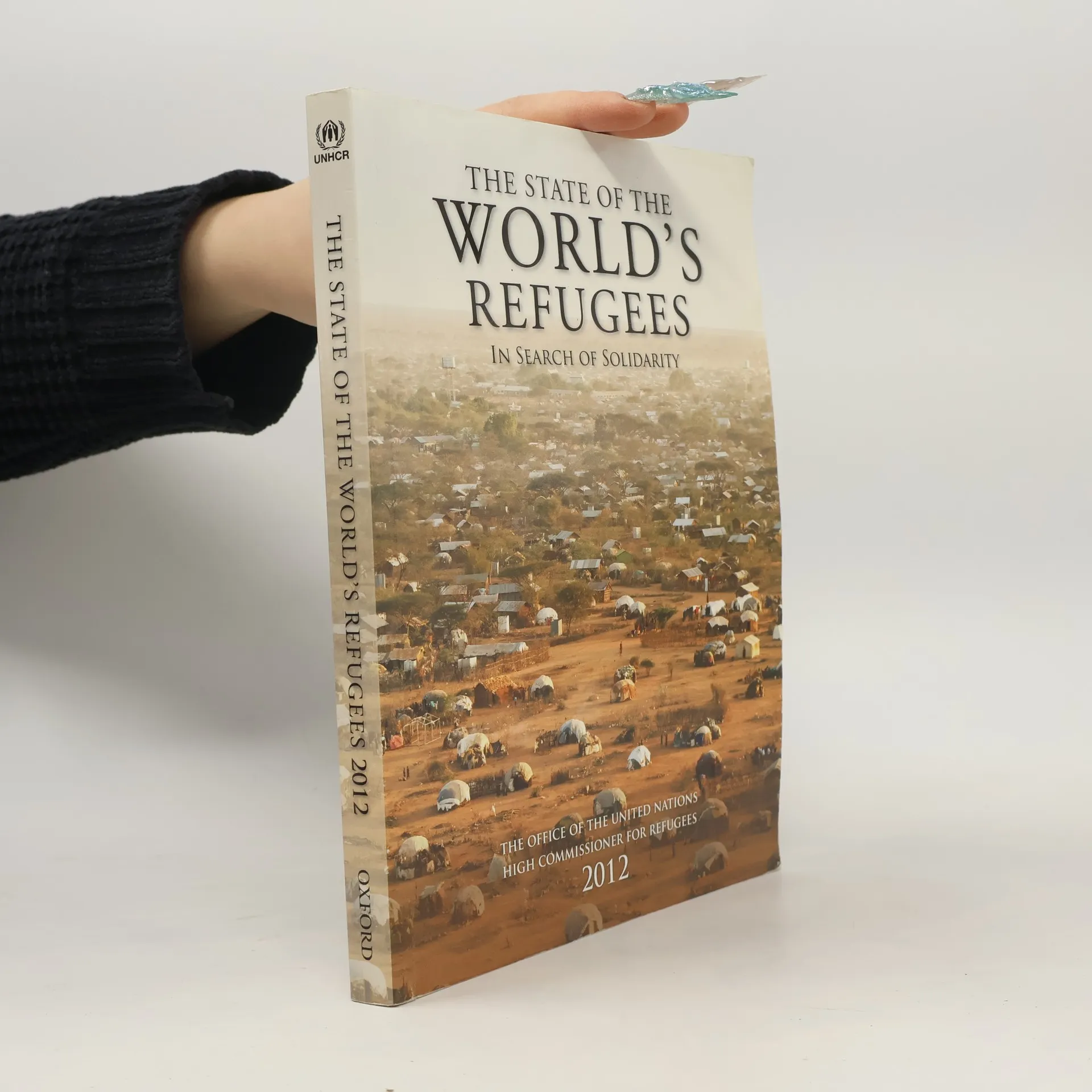
Sixty years after the establishment of the UNHCR, refugees fleeing war or persecution remain central to the agency's mission. However, UNHCR also assists those displaced within their own countries and addresses the challenges faced by stateless individuals—people without citizenship in any nation. This book provides an updated overview of UNHCR's efforts with these three groups, reflecting developments since 2006. It features eight chapters that highlight key challenges, beginning with the shrinking space for humanitarian action in regions like Somalia and Afghanistan. Prolonged conflicts hinder refugee returns, while restrictive state policies limit local integration and resettlement options, jeopardizing the institution of asylum. Additionally, increasing numbers of people are displaced internally due to climate change, natural disasters, conflict, and human rights violations. Many refugees now reside in urban areas rather than camps, complicating outreach efforts. Statelessness persists globally, affecting millions and leaving them in precarious situations. The concluding chapter emphasizes the need for international solidarity to support states in fulfilling their responsibilities towards the forcibly displaced. Case studies from UNHCR's fieldwork illustrate these issues. Now in its sixth edition, this resource is essential for academics, practitioners, policymakers, students, and anyone interested in international politic
The Office of the United Nations High Commissioner for Refugees Książki
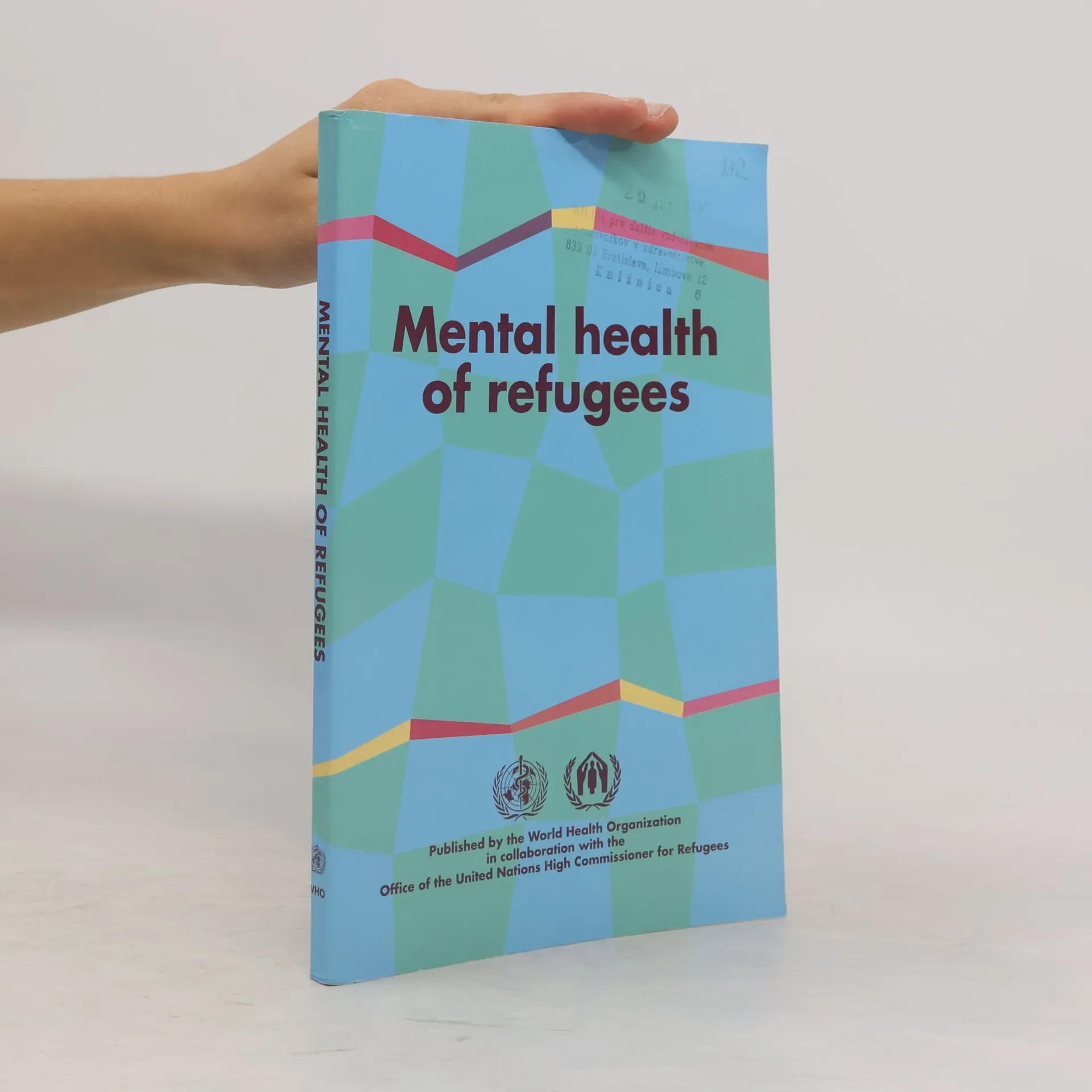
Mental Health of Refugees
- 142 strony
- 5 godzin czytania
This manual serves as a guide for recognizing and managing mental health issues in refugees and displaced individuals, developed by WHO in collaboration with the UN High Commissioner for Refugees. It addresses the significant mental health threats posed by trauma, loss, and bereavement faced by refugees. The aim is to equip non-specialist relief workers with the skills to identify common mental health problems and manage them effectively, from simple relaxation techniques to referrals for specialized care. The first training unit covers effective communication principles and outlines steps for creating treatment plans. The second unit offers simple exercises to help alleviate stress and improve sleep. Unit three addresses functional complaints and provides guidance on medication use. Unit four focuses on identifying and managing common mental disorders. A key chapter highlights the unique mental health needs of refugee children, detailing how to recognize their specific issues and the appropriate support for various age groups. Additional units discuss mental disorders treatable by traditional healers and provide strategies for recognizing and managing substance abuse. The final sections offer approaches for assisting individuals who have endured torture, violence, or sexual assault.