

Nie sposób go z nikim pomylić, choć jest podobny i zarazem niepodobny do reszty ludzkości. Ma własny słownik i doskonale wie, co jest dobre, a co złe. Paszport radziecki przechowuje jako najcenniejszy skarb. 'Homo sovieticus'. Nie umarł wraz z upadkiem imperium, za to musiał stawić czoła nowej rzeczywistości, gdy wbrew przewidywaniom Marksa po socjalizmie nastąpił kapitalizm, ojczyznę zastąpił supermarket, a władzę przejęli handlarze i cinkciarze. Wiecznie żywy, chętnie opowiada o swoich bohaterach i męczennikach, o nadziejach i rozczarowaniach, o złości, frustracji i zderzeniu z rzeczywistością. To z tych opowieści, domowych i osobistych składa się nowa niezwykła książka wybitnej białoruskiej autorki, wymienianej w gronie kandydatów do Nagrody Nobla. Swietłana Aleksijewicz po raz kolejny oddaje hołd zwykłemu człowiekowi, którego losy przeplatają się z Historią. Książka Aleksijewicz została uznana za najlepszą książkę 2013 roku we Francji, a jej autorka otrzymała francuską nagrodę Médicis w kategorii esej. 'Swietłana Aleksijewicz nie osądza – ona w każdej sytuacji szuka sedna zjawisk, najgłębszych przyczyn; równie ważne jest dla niej to, co jednostkowe, szczególne ludzkie losy, jak i najszersze znaczenia zdarzeń. Ta podwójność spojrzenia i empatia są jej wyjątkowym darem.' Agnieszka Holland
Sophie Benech Książki


Jacob's Ladder
- 560 stron
- 20 godzin czytania
One of Russia’s most renowned literary figures and a Man Booker International Prize nominee, Ludmila Ulitskaya presents what may be her final novel. Jacob’s Ladder is a family saga spanning a century of recent Russian history—and represents the summation of the author’s career, devoted to sharing the absurd and tragic tales of twentieth-century life in her nation. Jumping between the diaries and letters of Jacob Ossetsky in Kiev in the early 1900s and the experiences of his granddaughter Nora in the theatrical world of Moscow in the 1970s and beyond, Jacob’s Ladder guides the reader through some of the most turbulent times in the history of Russia and Ukraine, and draws suggestive parallels between historical events of the early twentieth century and those of more recent memory. Spanning the seeming promise of the prerevolutionary years, to the dark Stalinist era, to the corruption and confusion of the present day, Jacob’s Ladder is a pageant of romance, betrayal, and memory. With a scale worthy of Tolstoy, it asks how much control any of us have over our lives—and how much is in fact determined by history, by chance, or indeed by the genes passed down by the generations that have preceded us into the world.
Les romans préférés de Barbara Cartland - 1216: Le Fils du cheik
- 190 stron
- 7 godzin czytania
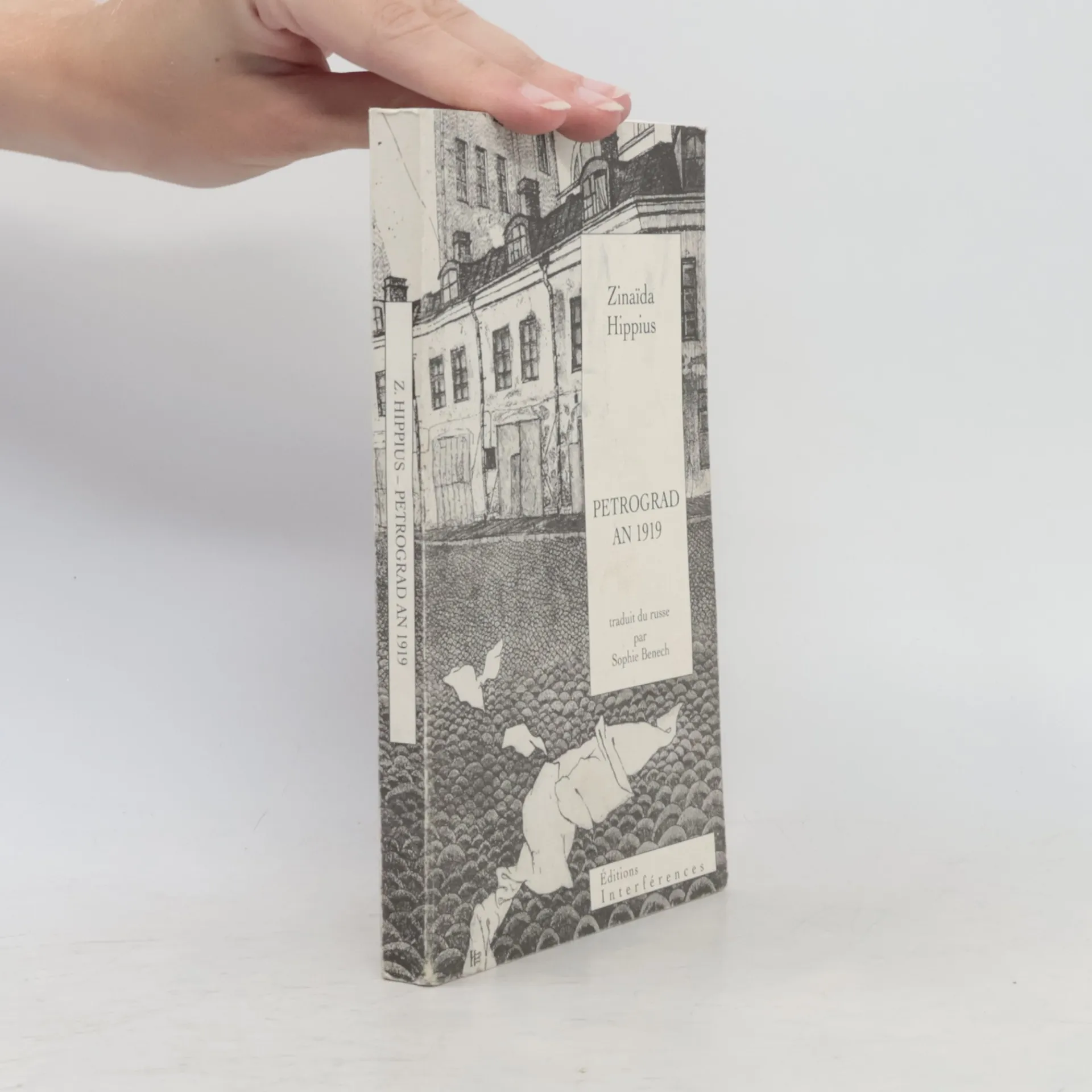
Petrograd An 1919
- 189 stron
- 7 godzin czytania
En pleine guerre civile, dans une ville dévastée par la famine où l'herbe pousse dans les rues et où l'on nourrit les animaux du zoo avec les cadavres des condamnés à mort, une femme de lettres surnommée "la Madone décadente", qui tenait avant la révolution un salon célèbre dans les milieux intellectuels, note au jour le jour ses impressions et des détails hallucinants de la vie quotidienne des habitants de Petrograd en l'an 1919 Cette suite de tableaux et de scènes, si terribles que les contemporains de l'auteur, à l'époque, n'ont pas voulu croire à leur réalité, viennent compléter les descriptions et les souvenirs sur cette période de deux autres grands écrivains, Bounine dans Jours Maudits, et Isaac Babel dans des textes réunis sous le titre Chroniques de l'an 18 Le texte est suivi d'une Lettre aux écrivains du monde anonyme, publiée en 1927 dans la presse russe de l'émigration, qui essayait d'attirer l'attention de l'Occident sur la tragédie de l'intelligentsia en Union soviétique.