Jerzy Ficowski pierwszy wkroczył w rejony cygańskich tajemnic, gdy cztery lata po wojnie dołączył do taborów. Od samych Cyganów uczył się ich kultury, obyczaju, moralnego kodeksu, języka.U źródeł wielu dokonań Ficowskiego było olśnienie. Ten blask przedostał się do jego cygańskich prac. Są w nich strony przejmujące i zabawne, poważne i ironiczne, naukowe i reporterskie.Lidia Ostałowska
Jerzy Ficowski Książki
4 października 1924 – 9 maja 2006

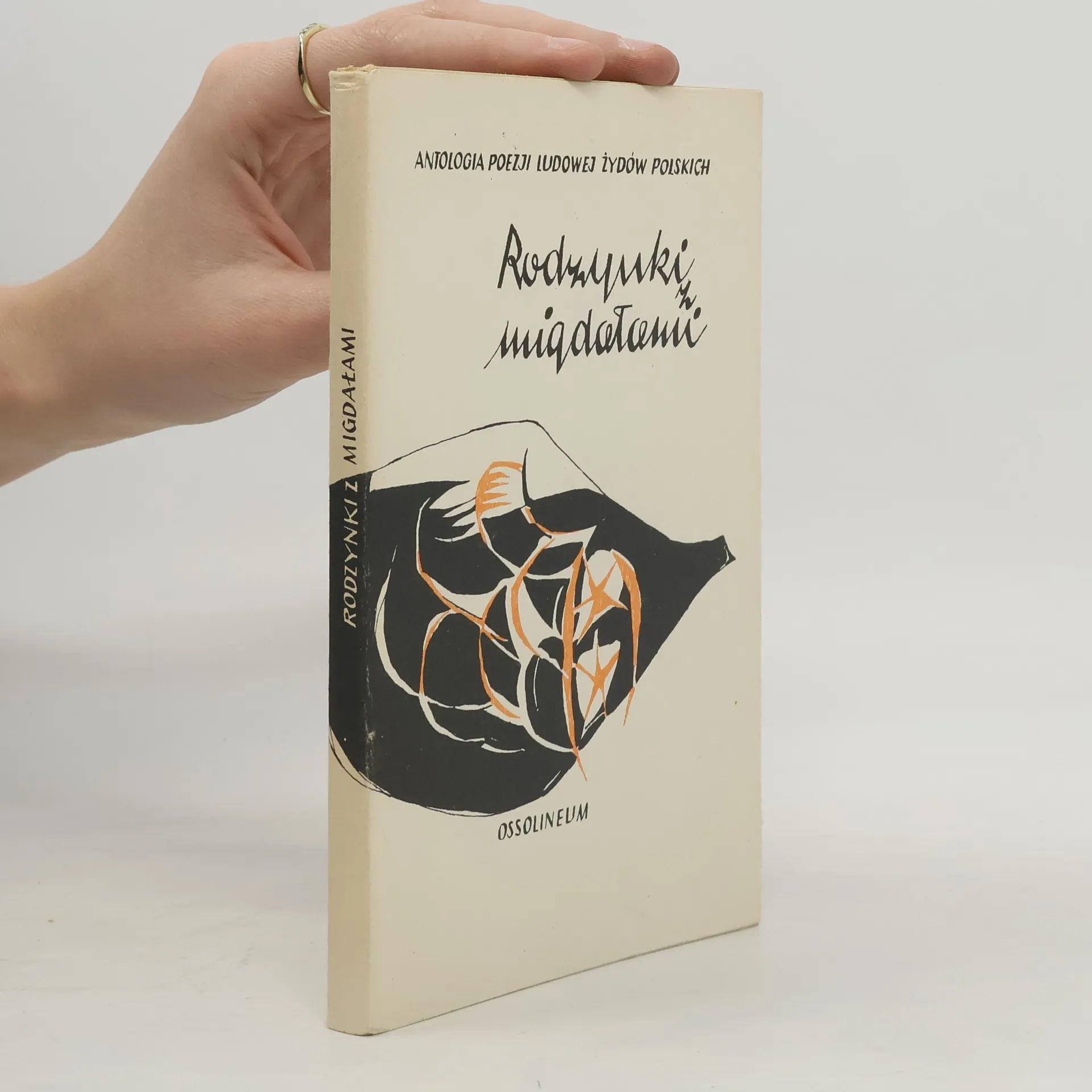
Zbiór poezji ludowej Żydów polskich, w tym: kołysanki, pieśni miłosne, rekruckie, rodzinne, o niedoli i satyryczne.
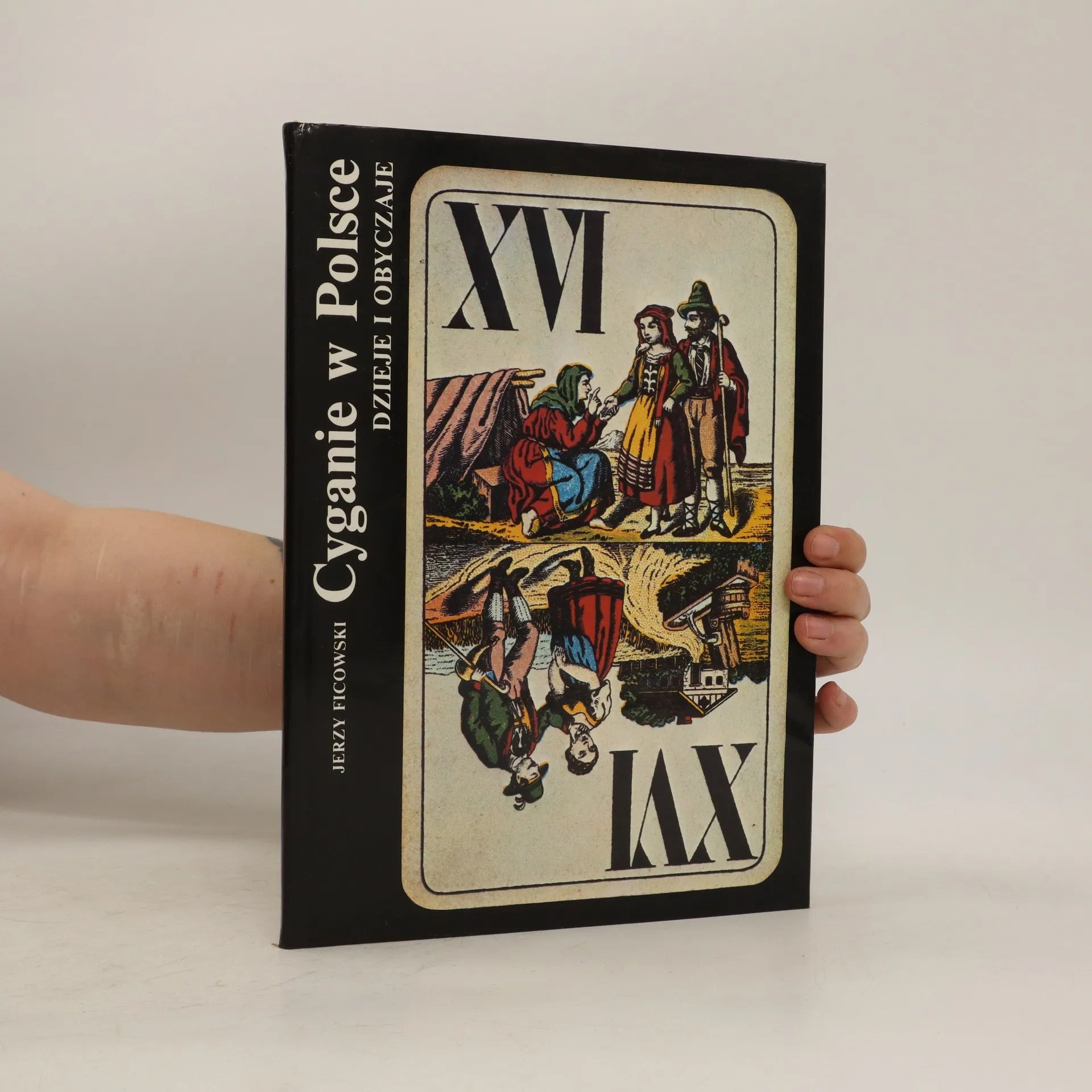
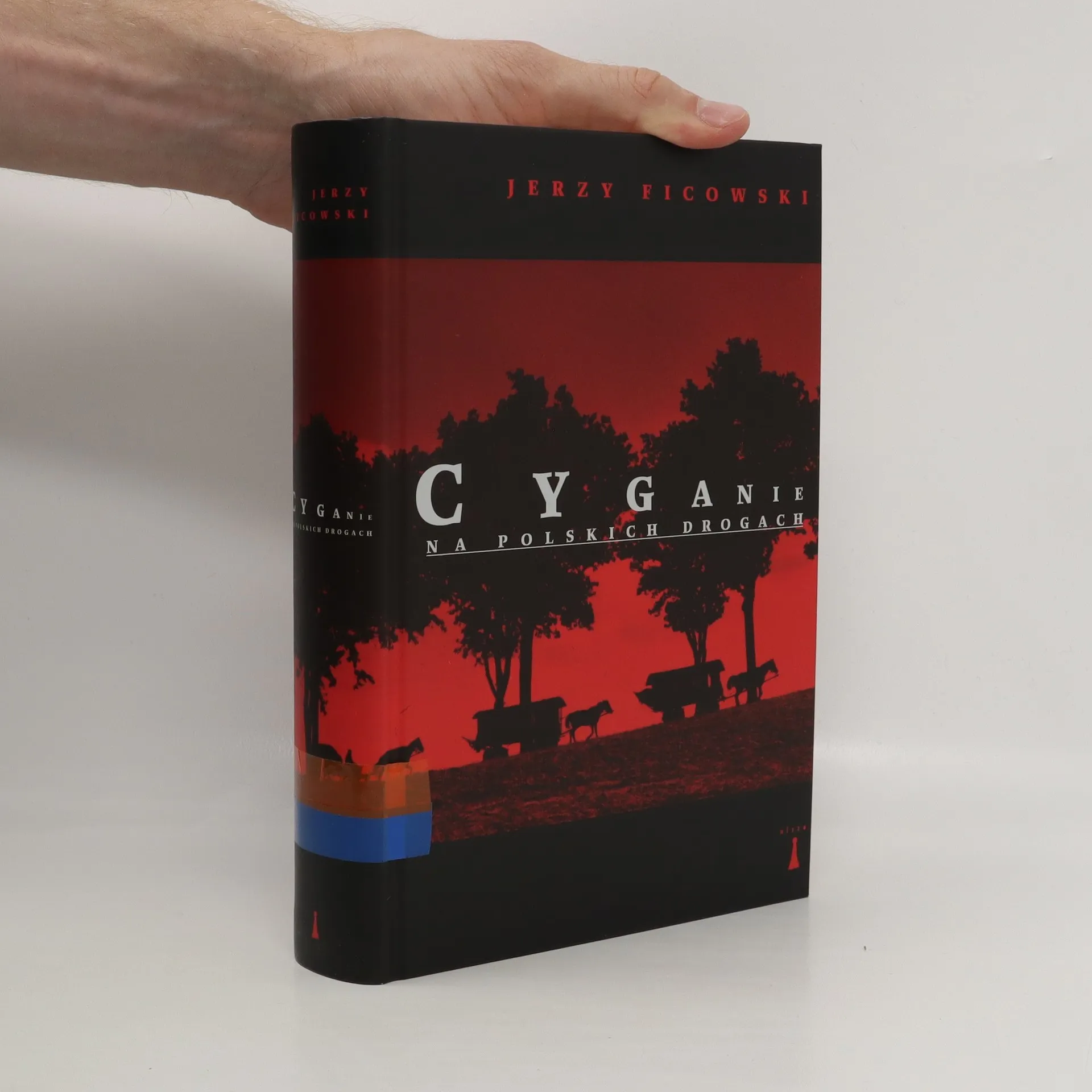
Cyganie w Polsce. Dzieje i obyczaje
- 298 stron
- 11 godzin czytania
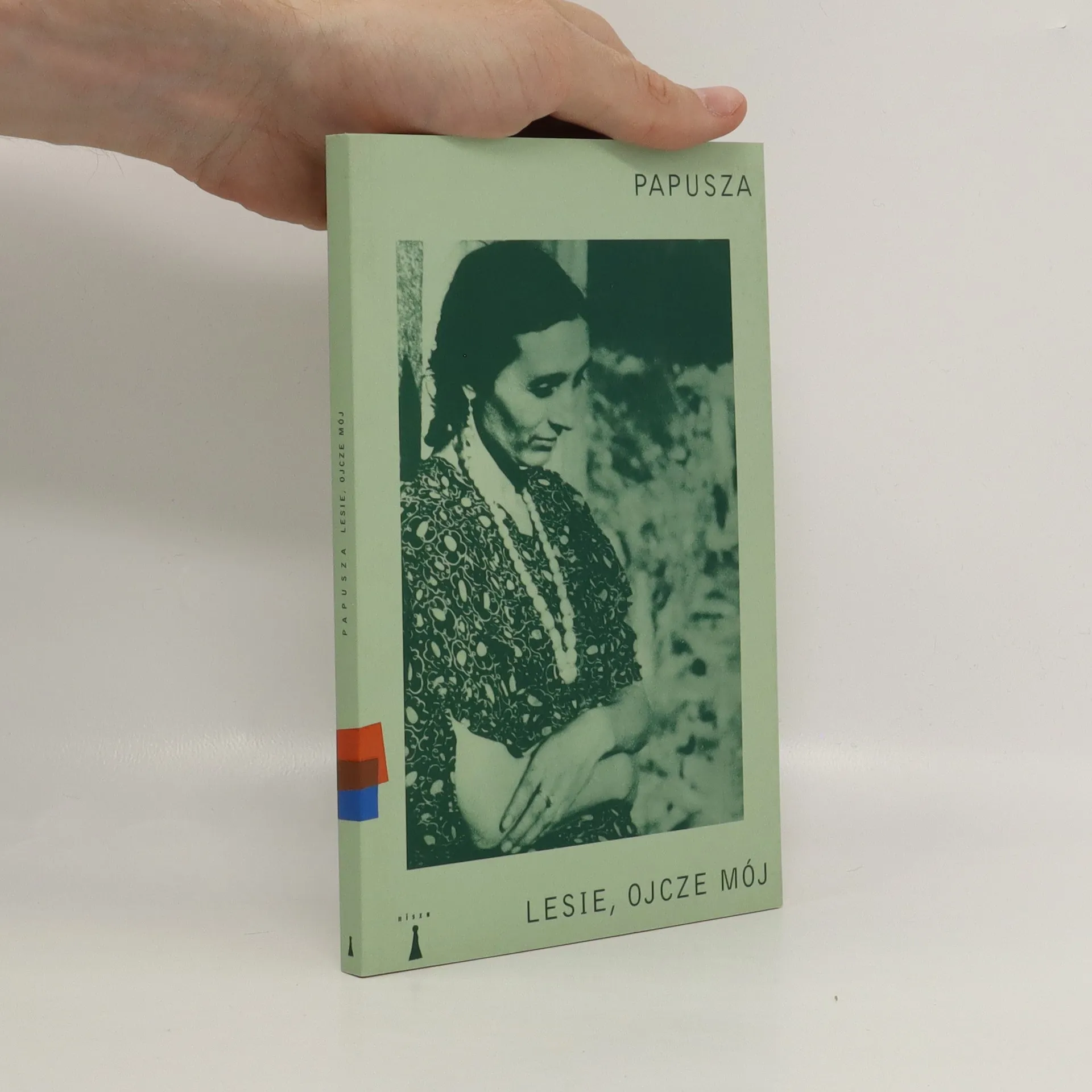
Zbiór wierszy Papuszy - romskiej poetki w przekładzie i ze wstępem Jerzego Ficowskiego.
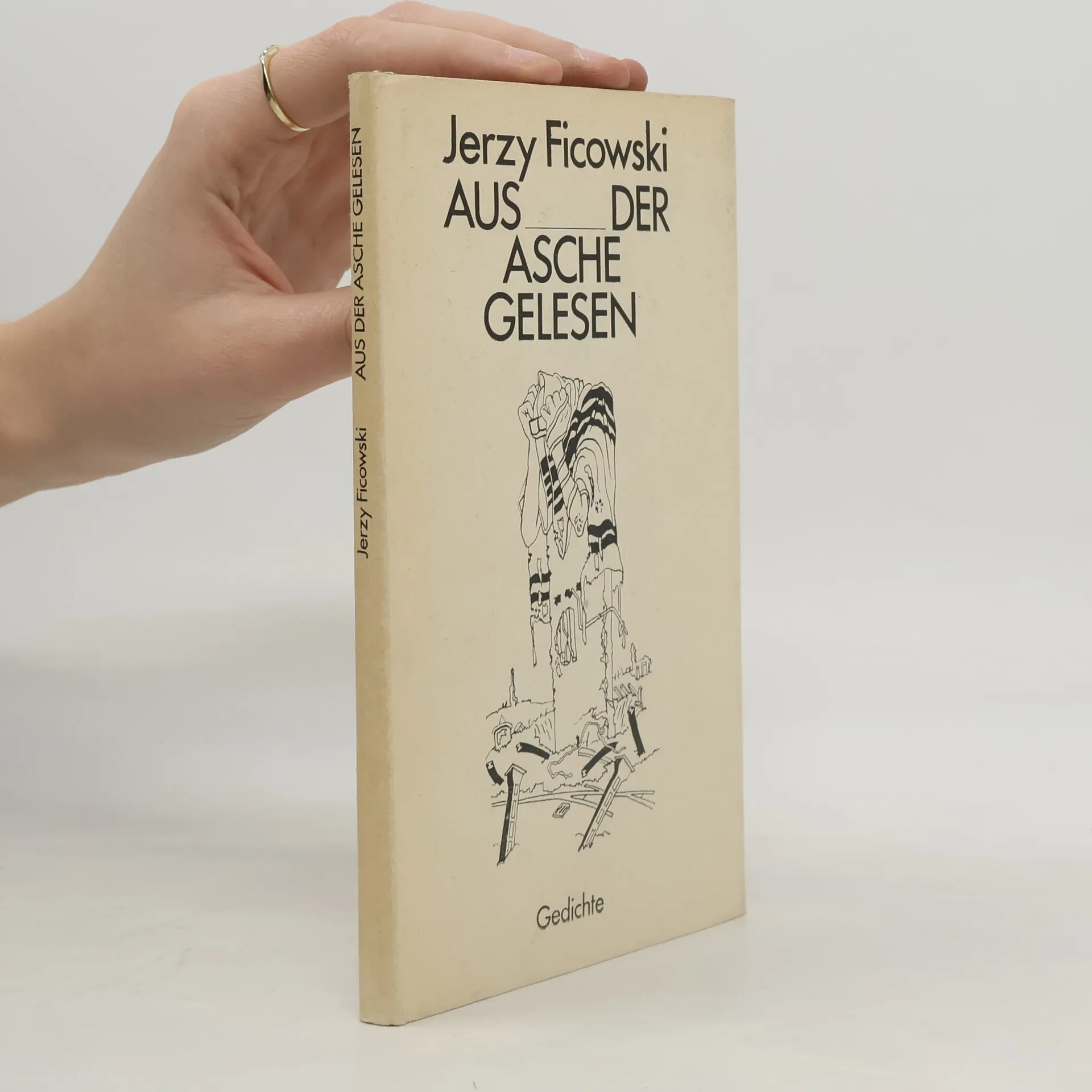
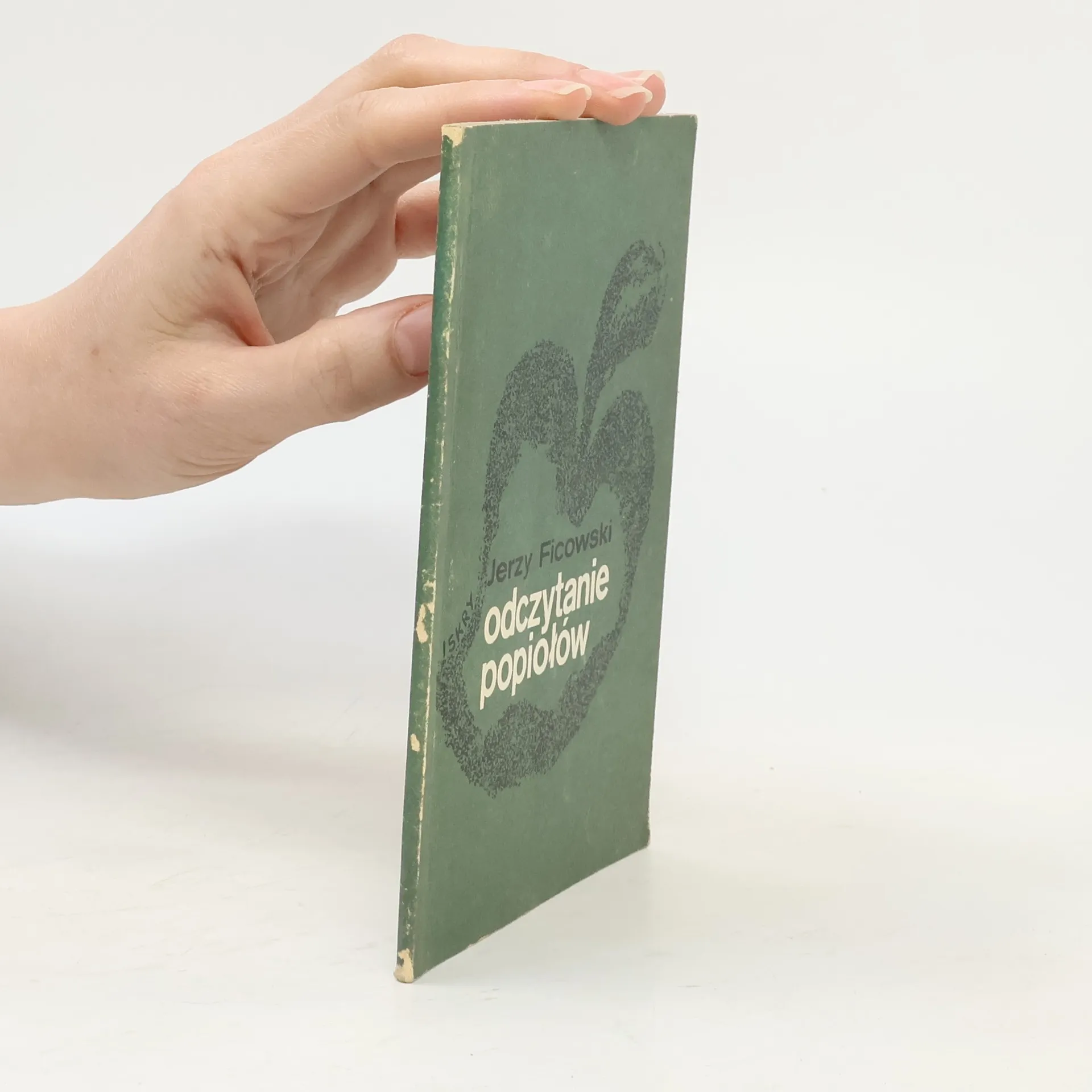
Odczytanie popiołów
- 53 strony
- 2 godziny czytania
"Odczytanie popiołów" wybór wierszy Jerzego Ficowskiego poświęconych tematyce wojennej i tematyce Holokaustu. Porusza również kwestię powstania w getcie żydowskim.
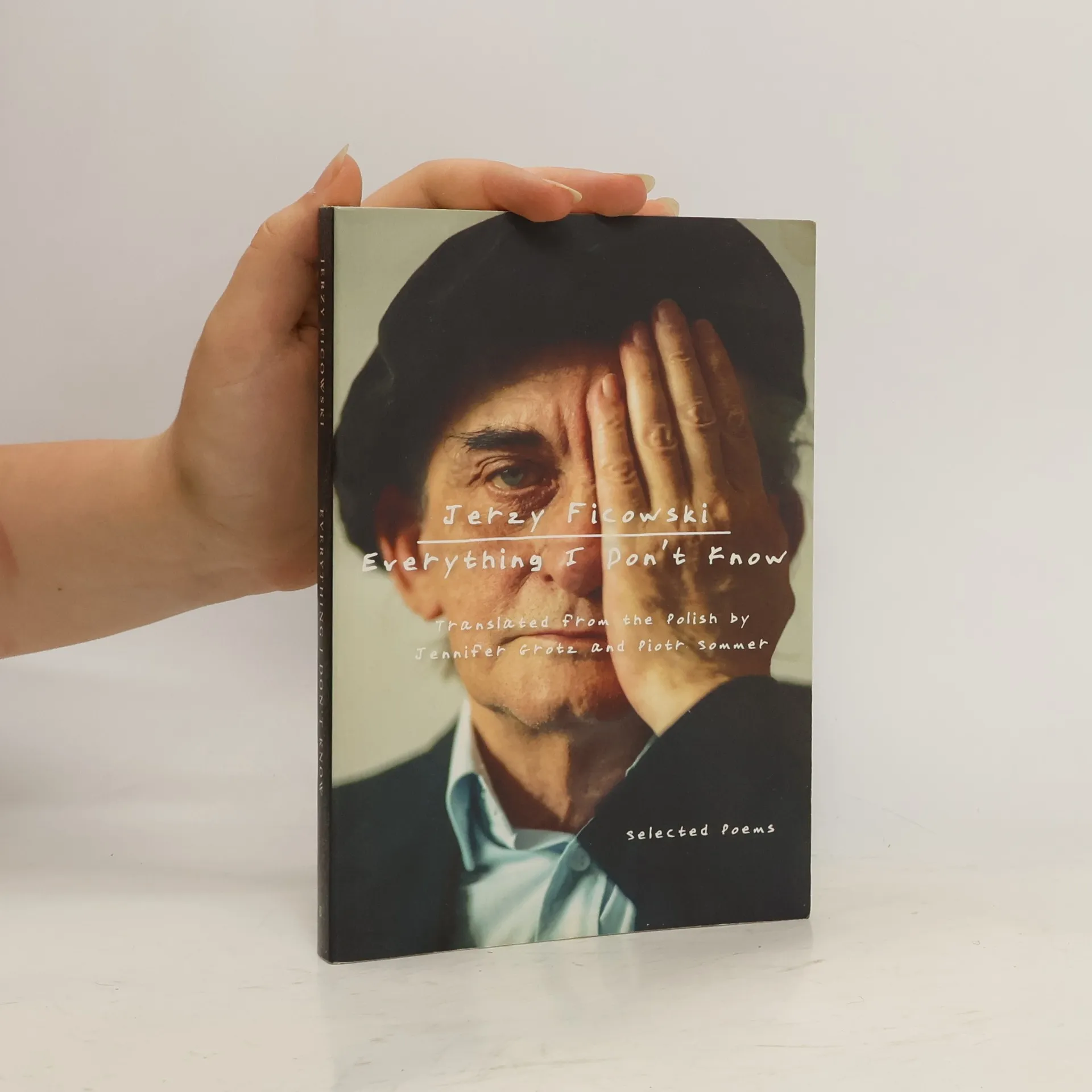
Everything I Don't Know
- 192 strony
- 7 godzin czytania
What good luck to finally have in English the writings of the brilliant Jerzy Ficowski, a poet who lived at least seventeen lives, fighting in the Warsaw Uprising and later traveling for years with the Roma people across Poland. He opposed his government, watched authorities ban his poems, and translated from various languages, most notably from the tongue of silence. Beautifully translated by Jennifer Grotz and Piotr Sommer, these poems document the tragedy of the Holocaust with a direct and uncompromising voice, reminiscent of great poets like Różewicz and Świrszczyńska, while remaining uniquely his own. A piece such as 'I was unable to save / a single life' will compel you to take this book home and cherish it for life. Thanks to these inspired translations, we can now appreciate Ficowski, one of Poland's best-kept secrets. This collection is a marvel of clarity and range, exploring subjects from the paradox of its title to final poems about bumblebees, Satie, and nature herself, who 'shudders / with a tsunami.' We are fortunate to discover yet another genius of 20th-century Polish poetry.
Waiting for the Dog to Sleep
- 188 stron
- 7 godzin czytania
Exploring the themes of loss and the aftermath of war, Jerzy Ficowski's short stories and sketches reinterpret the mythologization of reality inspired by Bruno Schulz. Set against the backdrop of postwar Poland, these narratives blend memory, religious rituals, and daily life with elements of the magical. The author evokes a haunting atmosphere, suggesting a sinister presence that reflects the disintegration of the past and the alienation of the present, as the narrator grapples with the remnants of a once-familiar world.
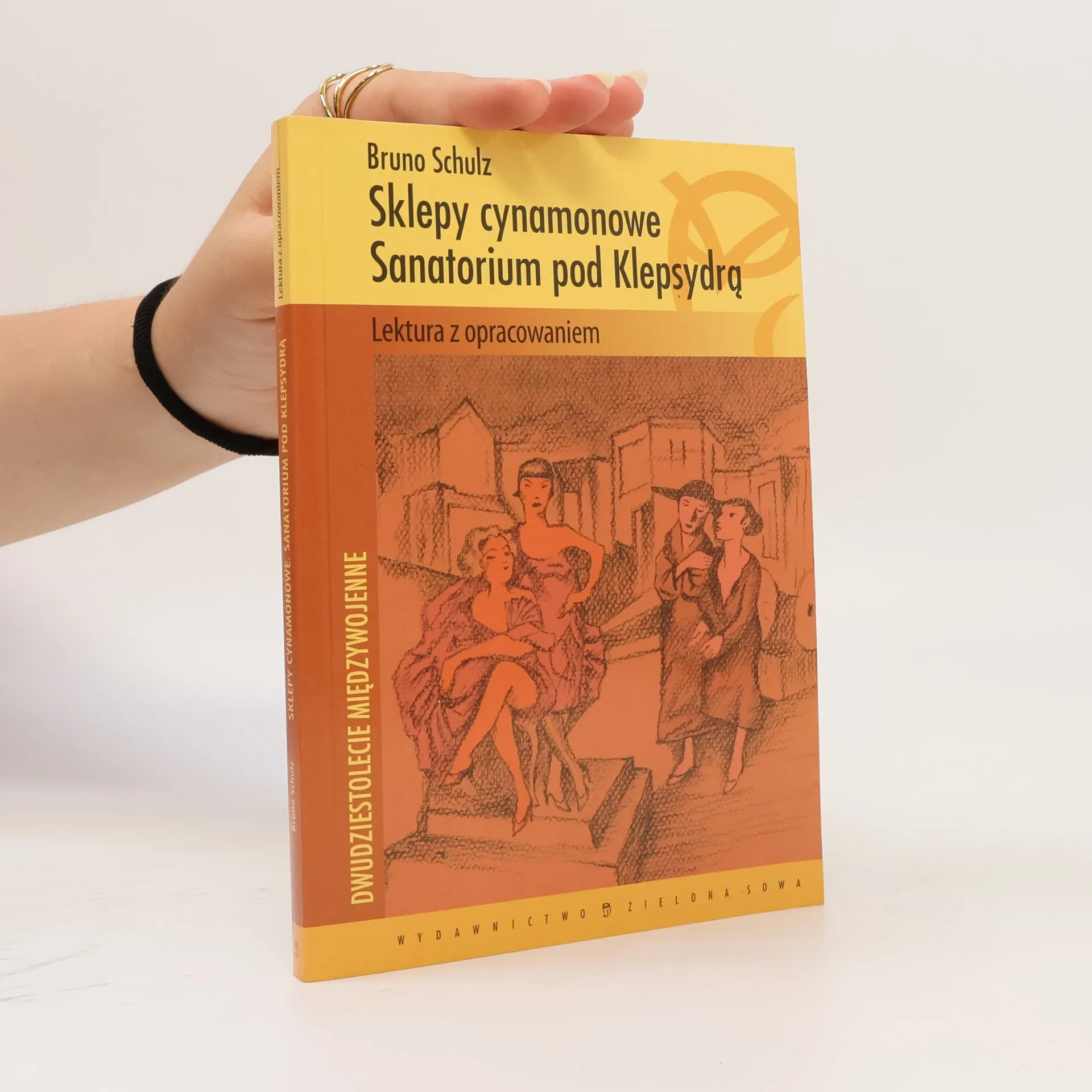
Sklepy cynamonowe Sanatorium pod Klepsydrą
- 245 stron
- 9 godzin czytania
Sklepy cynamonowe to pierwszy zbiór opowiadań Brunona Schulza, który ukazał się w 1934 roku. Po jego wydaniu skromny nauczyciel rysunku z Drohobycza stał się znanym i cenionym pisarzem. Wydanie wzorowane na pierwodruku zostało wzbogacone o autorskie ilustracje Schulza. W taką noc nie podobna iść Podwalem ani żadną inną z ciemnych ulic, które są odwrotną stroną, niejako podszewką czterech linij rynku, i nie przypomnieć sobie, że o tej późnej porze bywają czasem jeszcze otwarte niektóre z owych osobliwych a tyle nęcących sklepów, o których zapomina się w dnie zwyczajne. Nazywam je sklepami cynamonowymi dla ciemnych boazeryj tej barwy, którymi są wyłożone. (fragment)
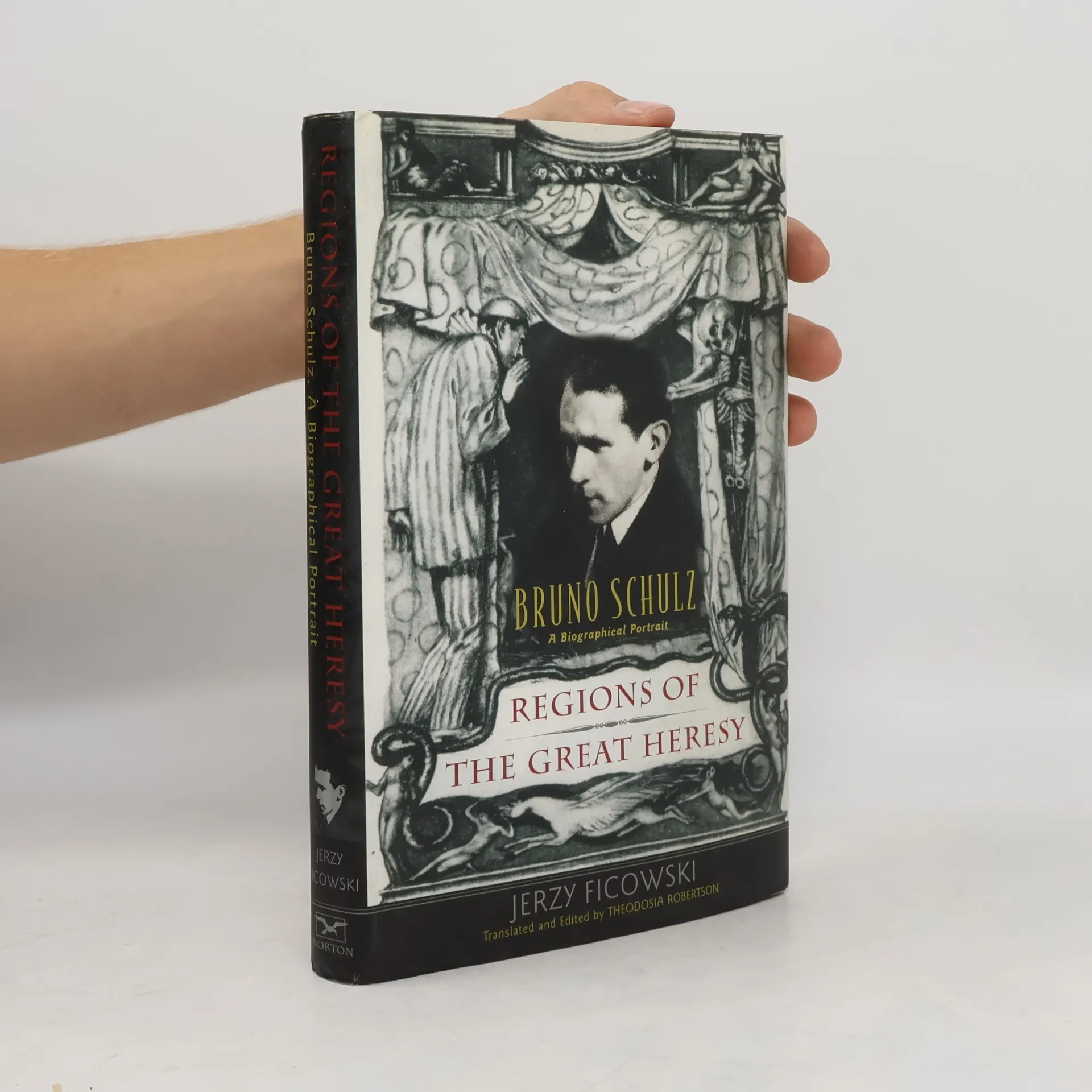
One of the most original stylists of the 20th century, Schulz's masterpiece Messiah has captured the literary imagination of a generation of writers. Exploring the mythical and pyschological layers of Schulz's life, this biography offers an insight into this legend.
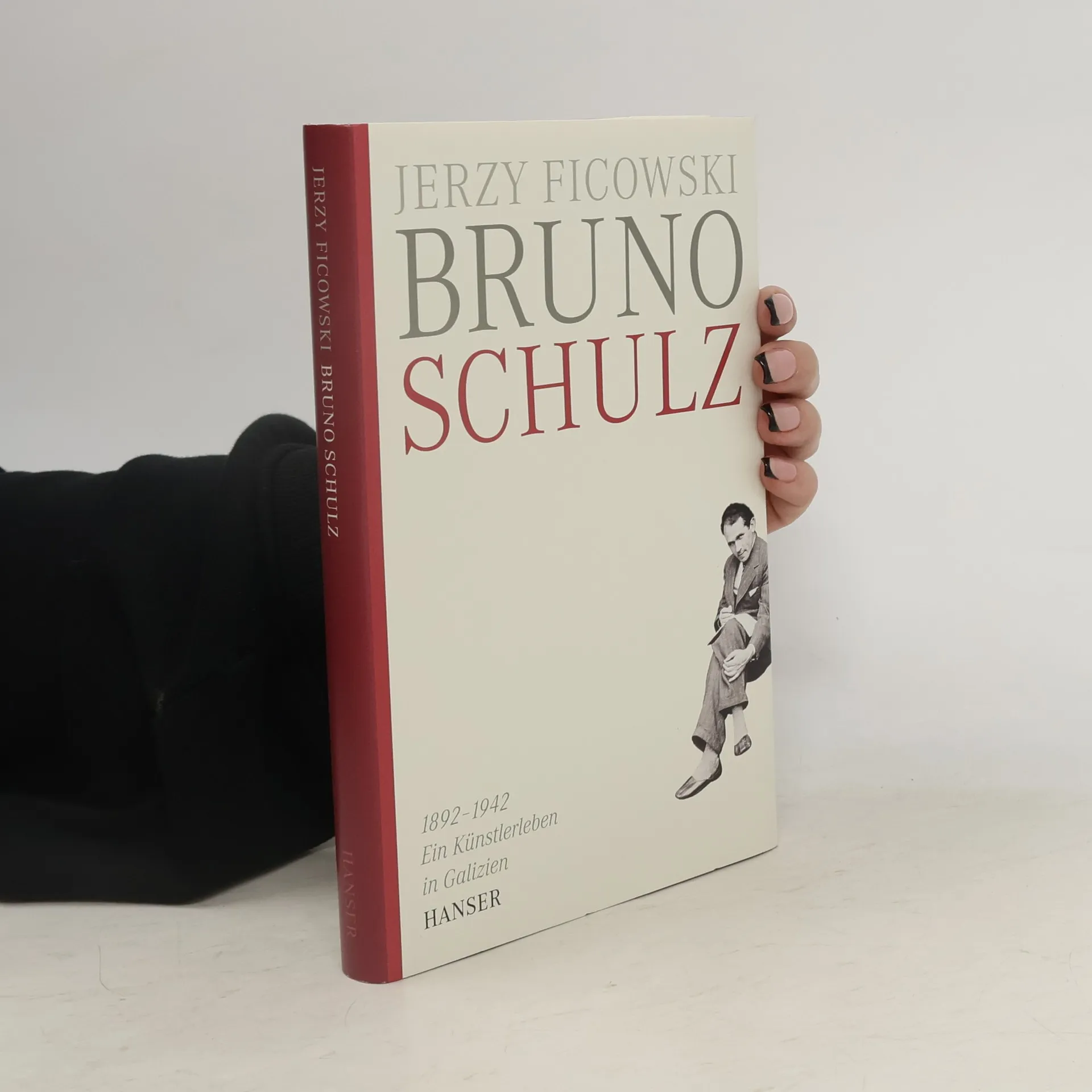
Jerzy Ficowski erzählt von den Nöten, Obsessionen und Bedrohungen, die die Biographie des Zeichners und Kunstlehrers Bruno Schulz prägten. Mit zwei schmalen Büchern hat sich Schulz in den dreißiger Jahren an die Spitze der Weltliteratur geschrieben, nach Kafka und Rilke, neben Marcel Proust, Thomas Mann und James Joyce. Zu seinen Verehrern gehören Primo Levi, John Updike, Philip Roth, J. M. Coetzee und David Grossman. In Drohobycz, seiner Heimatstadt im Grenzland zwischen Polen und Ukraine, die 1939 von der Roten Armee und 1941 von den Deutschen besetzt wurde, schuf Schulz phantastische und groteske Traumbilder, und spät in seinem kurzen Leben, das 1942 tragisch endete, brach sich sein Dichtergenie Bahn mit den mythischen Erzählungen von den Zimtläden und vom Sanatorium.
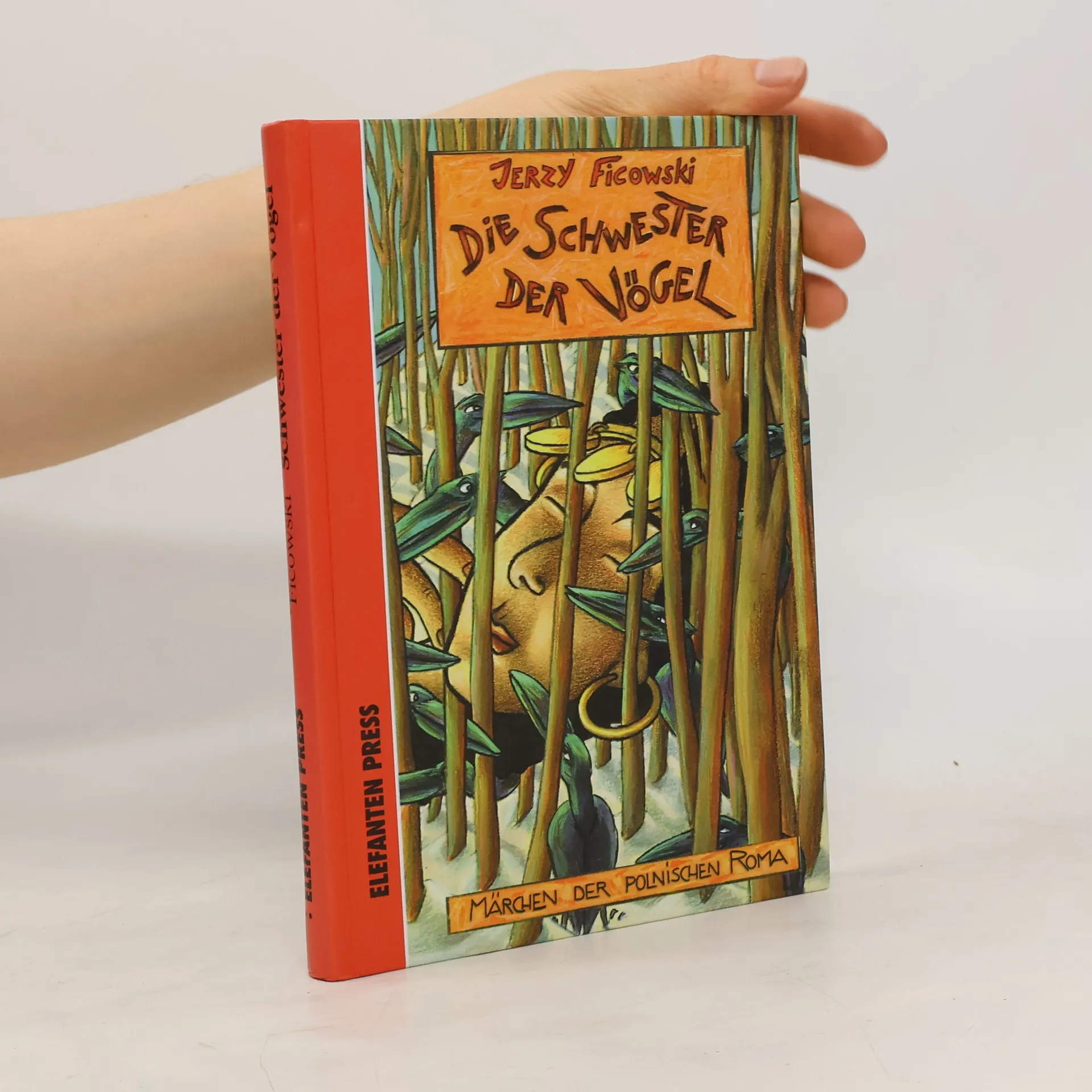
Die Schwester der Vögel
- 125 stron
- 5 godzin czytania