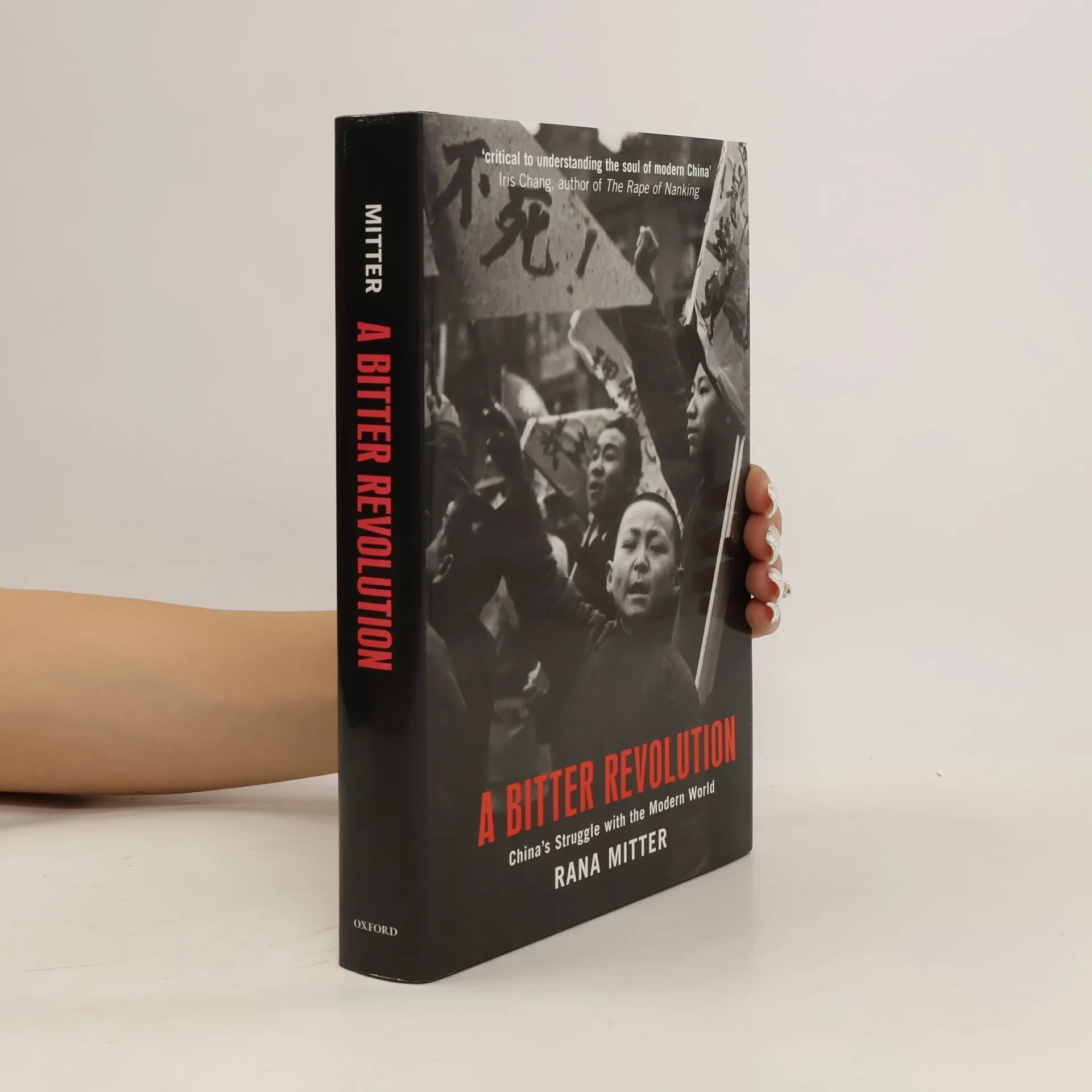
Współczesne Chiny to źródło wielu przykuwających uwagę tematów: od
kontrowersji wokół łamania praw człowieka przez rosnące znaczenie w gospodarce
międzynarodowej, nierówności społeczne po kulturę. W publikacji czytelnik
znajdzie przystępne omówienie tych zagadnień, a także próbę odpowiedzi na
pytanie o miejsce Chin we współczesnym świecie.
Once sidelined from public memory, World War II is now a historical touchstone
in China. Rana Mitter links reassessment of the war to China's rising
nationalism. At home, Chinese use the war to shape conflicted identities;
abroad the war with Japan is now treated as a Chinese victory, a founding myth
for a people destined to shape the global order.
China today is poised for a significant role on the world stage, but the early twentieth century presented a starkly different scenario. In this compelling examination of modern China, Rana Mitter revisits a pivotal moment in its history to reveal the roots of its challenging transition from pre-modernity to modernity. He highlights May 4, 1919, as a crucial turning point, when outrage over the Paris peace conference sparked a massive student protest, leading to the May Fourth Movement. Just seven years prior, the 2,000-year-old imperial system had fallen, paving the way for a new wave of urban intellectuals who began to reject Confucianism and traditional culture as barriers to progress against imperialism, warlordism, and social injustices. This "New Culture movement" embraced modernity and individualism, influencing critical decades to come: the 1940s, marked by the war against Japan and the civil conflict between Nationalists and Communists; the chaotic 1960s under Mao Zedong's Cultural Revolution; and the 1980s, characterized by a semi-market economy amidst single-party rule and rising inequality. The themes of May 4 have persisted through these eras, reflecting China’s ongoing quest for a new narrative about its identity and future.