Exploring the concept of freedom, the book emphasizes that true liberty involves active goodness rather than merely the absence of oppression. It argues that freedom is not a gift but a shared responsibility, highlighting the importance of solidarity in achieving genuine freedom for all. The interconnectedness of individual and collective freedom is a central theme, suggesting that one's liberty is inherently tied to the freedom of others.
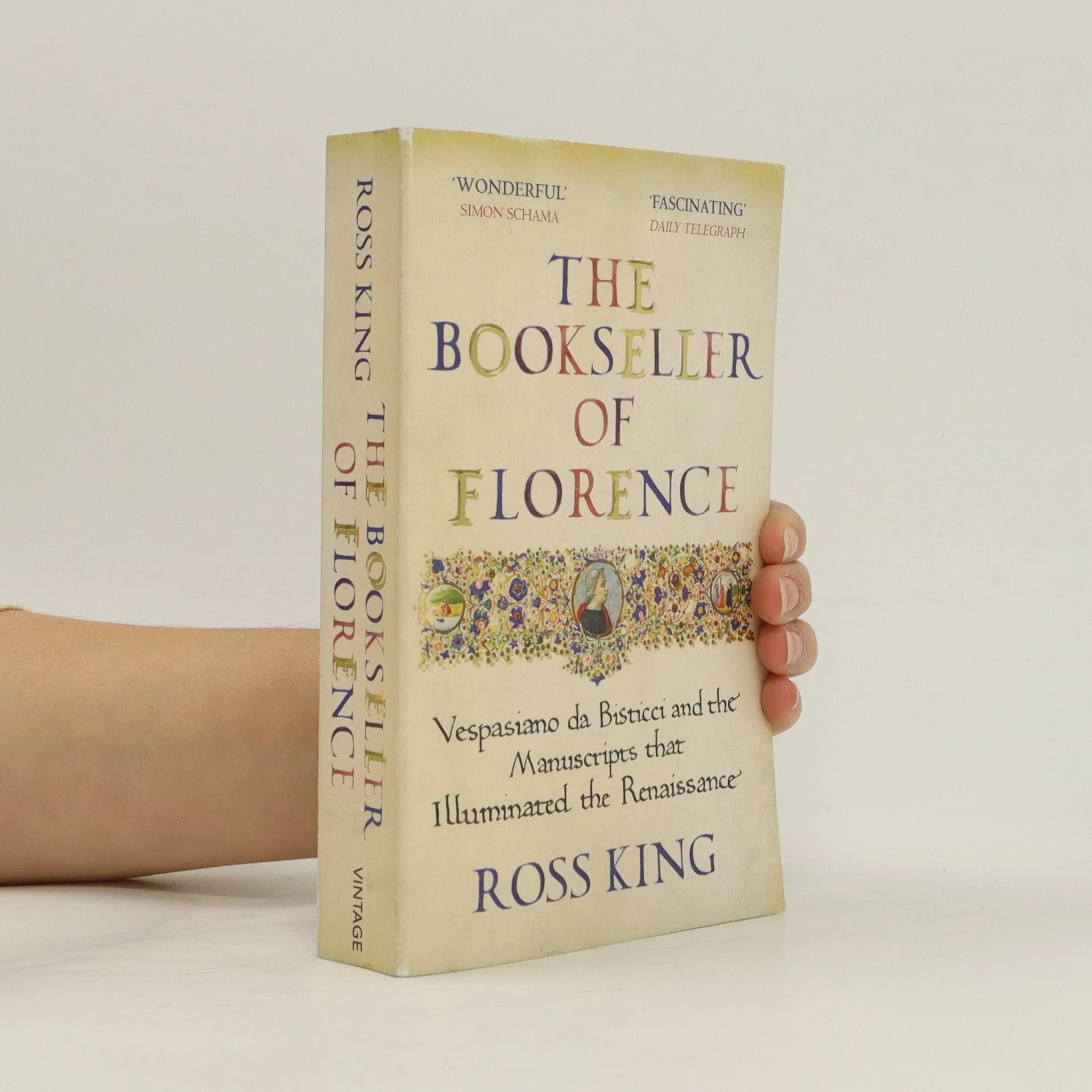
A gripping story of ancient wisdom, new technology and 'the king of the world's booksellers', set in Renaissance Florence 'A marvel of storytelling and a masterclass in the history of the book' WALL STREET JOURNAL The Renaissance in Florence conjures images of beautiful frescoes and elegant buildings - the dazzling handiwork of the city's artists and architects. But equally important were geniuses of another kind- Florence's manuscript hunters, scribes, scholars and booksellers. At a time where all books were made by hand, these people helped imagine a new and enlightened world.
Uncovering his family's remarkable and moving stories, Mark Mazower recounts
the sacrifices and silences that marked a generation and their descendants. It
was a family that fate drove into the siege of Stalingrad, the Vilna ghetto,
occupied Paris, and even into the ranks of the Wehrmacht. His British father
was the lucky one, the son of Russian Jewish emigrants who settled in London
after escaping the civil war and revolution. Max, the grandfather, had started
out as a socialist and manned the barricades against tsarist troops, but never
spoke of it. His wife, Frouma, came from a family ravaged by the Great Terror
yet somehow making their way in Soviet society. In the centenary of the
Russian Revolution, What You Did Not Tell recounts a brand of socialism erased
from memory - humanistic, impassioned, and broad-ranging in its sympathies.
But it also explores the unexpected happiness that may await history's losers,
the power of friendship, and the love of place that allowed Max and Fro