
Bookbot

Manny Farber

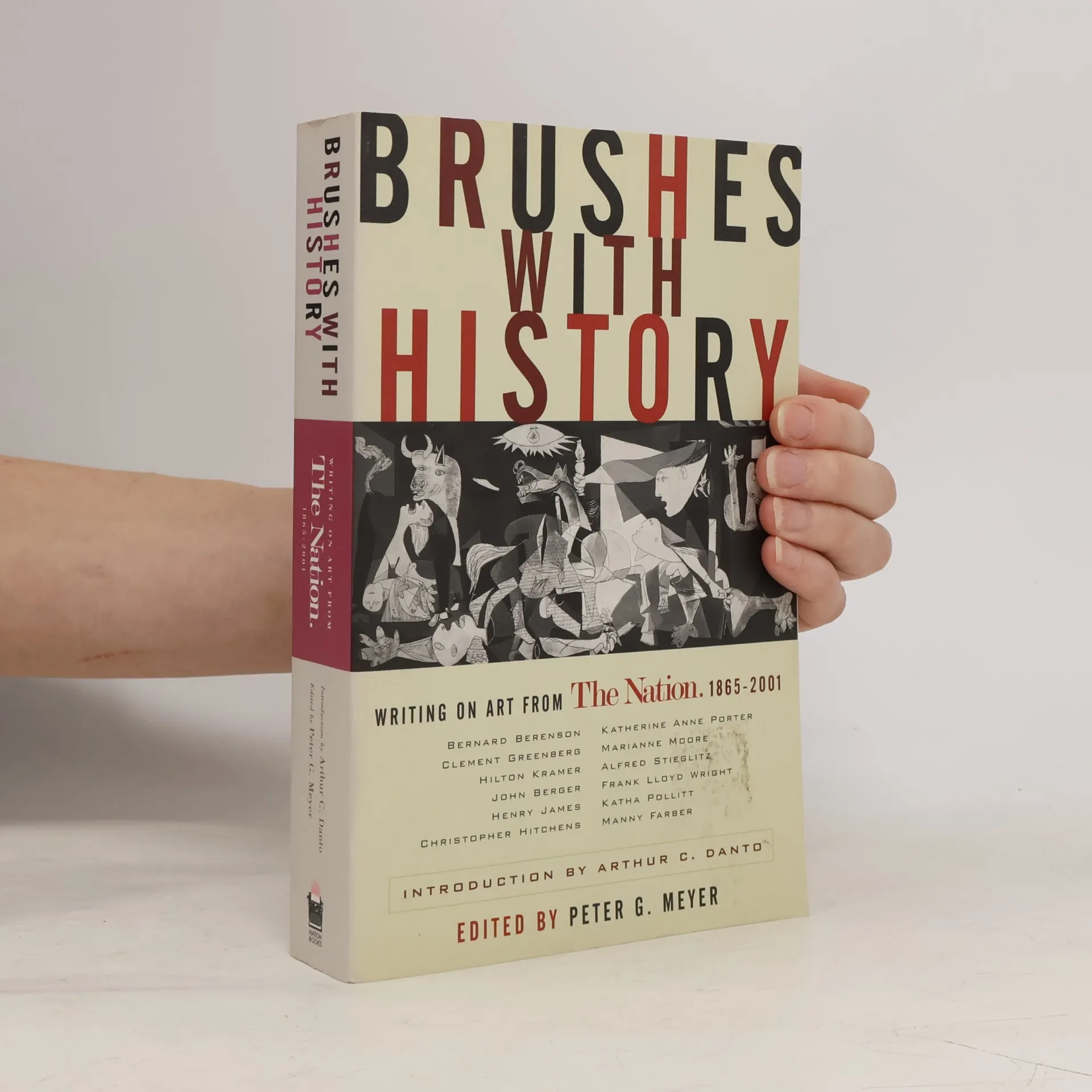
    Brushes with History
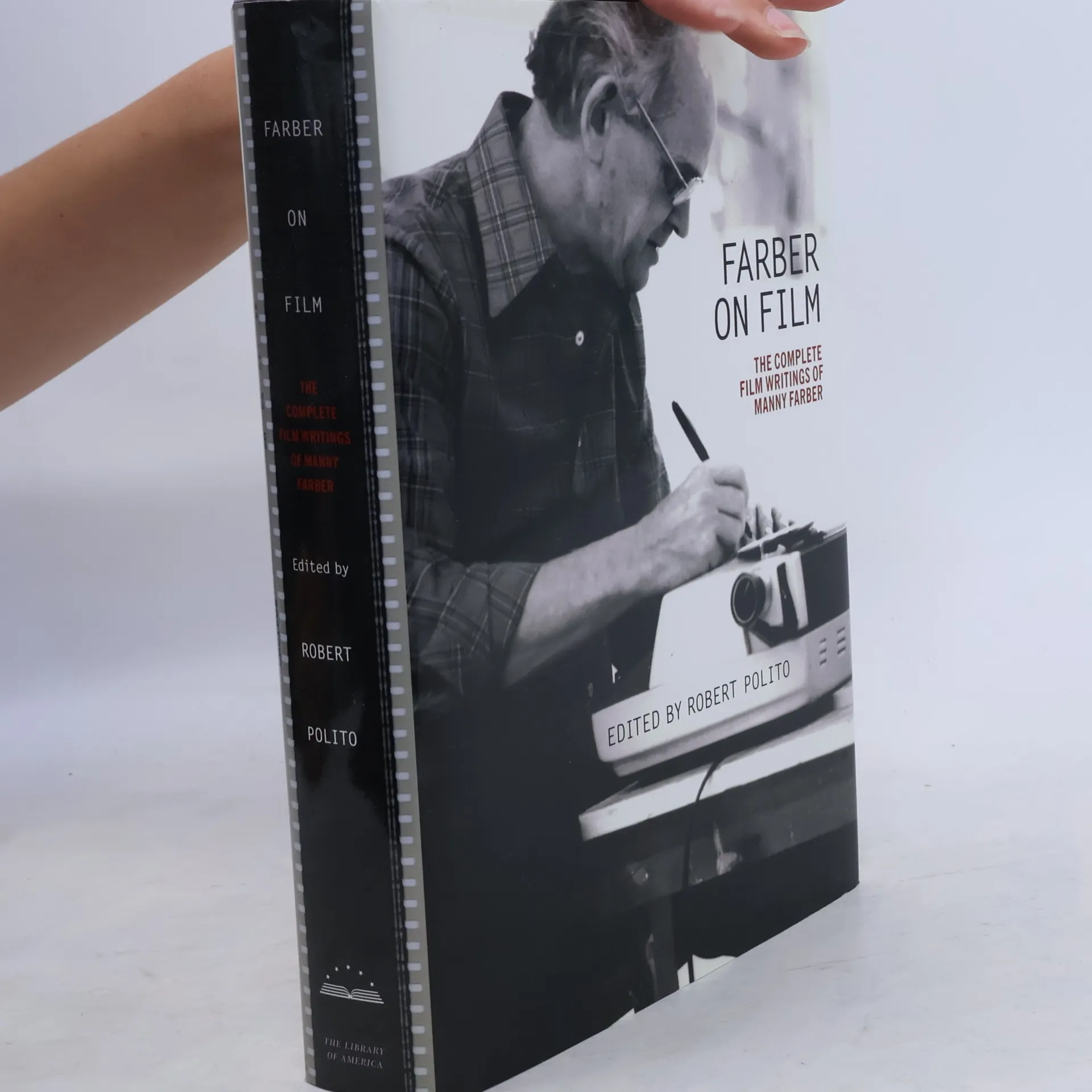
    The Library of America: Farber on Film
    • The Library of America: Farber on Film

      The Complete Film Writings of Manny Farber

      • 1000 stron
      • 35 godzin czytania

      Manny Farber (1917–2008) was a distinctive American movie critic known for his concept of "termite art," which emphasizes focused, eccentric virtuosity over grandiosity. His unique prose style, characterized by jazz-like phrasing and vibrant twists, made each review an engaging experience. Esteemed by peers, Susan Sontag hailed him as "the liveliest, smartest, most original film critic," while Peter Bogdanovich praised his sharp perceptions and brilliance. Farber was an early supporter of many filmmakers who later became American masters, such as Val Lewton, Preston Sturges, and Samuel Fuller. As a talented painter, he infused his writing with an artist's perspective, keenly recognizing filmmakers dedicated to "go-for-broke art." He openly criticized pretension, rejecting directors who overwhelmed viewers with "wet towels of artiness." The essence of his criticism lies in the attentive exploration of each film's unfolding reality, capturing its complexities and nuances. His prose embraces "oddities, muddles, crises, contradictions," resulting in critical essays that are works of art themselves. This collection presents Farber's complete works, including early reviews and later essays on directors like Godard and Scorsese, alongside an introduction by Robert Polito that reflects on Farber's career and lasting impact on American criticism.

      The Library of America: Farber on Film
    • Brushes with History

      Writing on Art from The Nation, 1865-2001

      • 380 stron
      • 14 godzin czytania

      The Nation magazine, since its founding in 1865, began what has become, for better or worse, art criticism as a cultural institution in the United States. This eclectic collection features contributors like Christopher Hitchens on “degenerate art,” Heywood Broun on the Artists Congress of 1936, Katherine Anne Porter on children’s art, Marianne Moore on the death of Nation art critic Paul Rosenfeld, and Langston Hughes on “Negro Art.” The volume also includes contributions from many well-known Stuart Davis, Marsden Harley, Alfred Stieglitz, John Marin, Kenyon Cox, Guy Pene Du Bois, Louis Lozowick, and Frank Lloyd Wright. Celebrated writers on art such as Bernard Berenson, Clement Greenberg, Lawrence Alloway, Hilton Kramer, Max Kozloff, John Berger, and Arthur Danto give readers first-hand accounts of the debuts of artists ranging from John Singer Sargent to Jackson Pollock and Willem deKooning as well as the famous lawsuit between John Ruskin and James McNeill Whistler (reported by a youthful Henry James), the destruction of Diego Rivera’s Rockefeller Center murals and Richard Nixon’s views on art. More recently writers like E.L. Doctorow and Katha Pollitt have weighed in on the recent culture wars over arts funding and free expression.

      Brushes with History