Bookbot

Liaquat Ahamed

    1 stycznia 1952
    1873 – Die Rothschilds und die erste globale Wirtschaftskrise
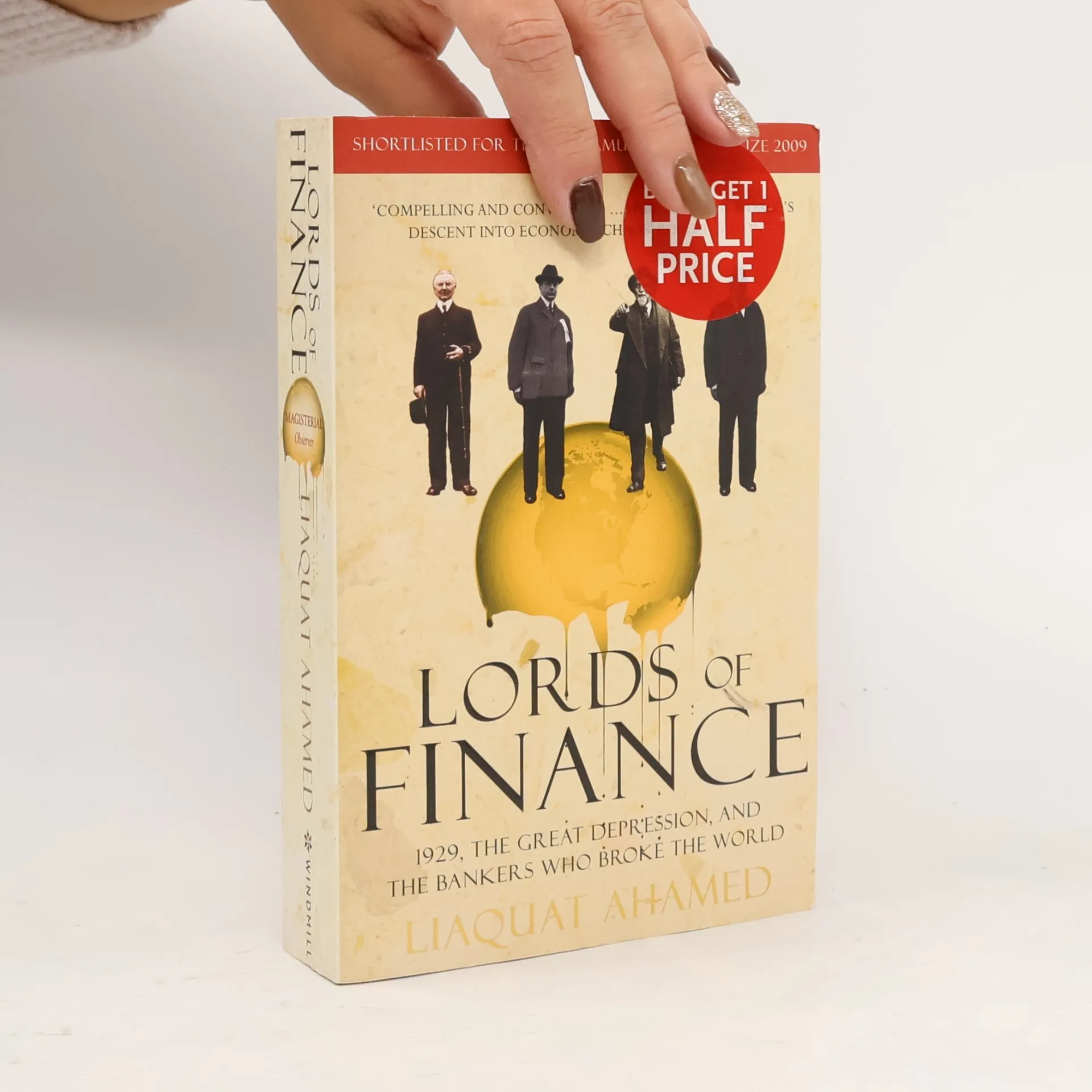
    Lords of finance
    • 1873 – Die Rothschilds und die erste globale Wirtschaftskrise

      Wie aus den Trümmern der Gründerzeit die Moderne entstand | Über Geschichte und Politik der ersten Großen Depression

      • 400 stron
      • 14 godzin czytania

      Was können wir aus der ersten großen Finanzkrise lernen? Pulitzerpreisträger Liaquat Ahamed gibt uns einen Einblick in das Jahr 1873, als der Börsenkrach Europa erschütterte, der Gründerzeit ein abruptes Ende bereitete und die Weltwirtschaft ins Wanken brachte. Im Mittelpunkt des Buchs stehen die Rothschilds, die maßgeblich an der Entwicklung des internationalen Kapitalmarkts beteiligt waren, sowohl als Akteure als auch als Symbol für die Macht der Finanzelite. Ahamed verknüpft dabei nicht nur den Gründerkrach in Wien und Berlin mit den politischen und sozialen Umbrüchen jener Zeit, sondern zieht auch Parallelen zu späteren Krisen wie jenen von 1929 und 2008. Ein Buch, das aufzeigt, wie politische Intrigen, soziale Spannungen und wirtschaftlicher Wandel die Welt veränderten – und unsere heutige globale Wirtschaft schufen.

      1873 – Die Rothschilds und die erste globale Wirtschaftskrise2026
    • Lords of finance

      • 576 stron
      • 21 godzin czytania

      La quatrième de couverture indique : "The current economic crisis has only one parallel : the Wall Street Crash of 1929 and subsequent Great Depression of the 1930's, which crippled the future of an entire generation and set the stage for the horrors of the Second World War. Yet this financial meltdown could have been avoided, had it not been for the decisions taken by a small number of central bankers. In Lords of finance, we meet these men, the four bankers who truly broke the world. Their names were lost to history, their lives and actions forgotten, until now. Ahamed tells their story in vivid and gripping detail, in a timely and arresting reminder that individuals, their ambitions, limitations and human nature, lie at the very heart of global catastrophe."

      Lords of finance2009
      4,2