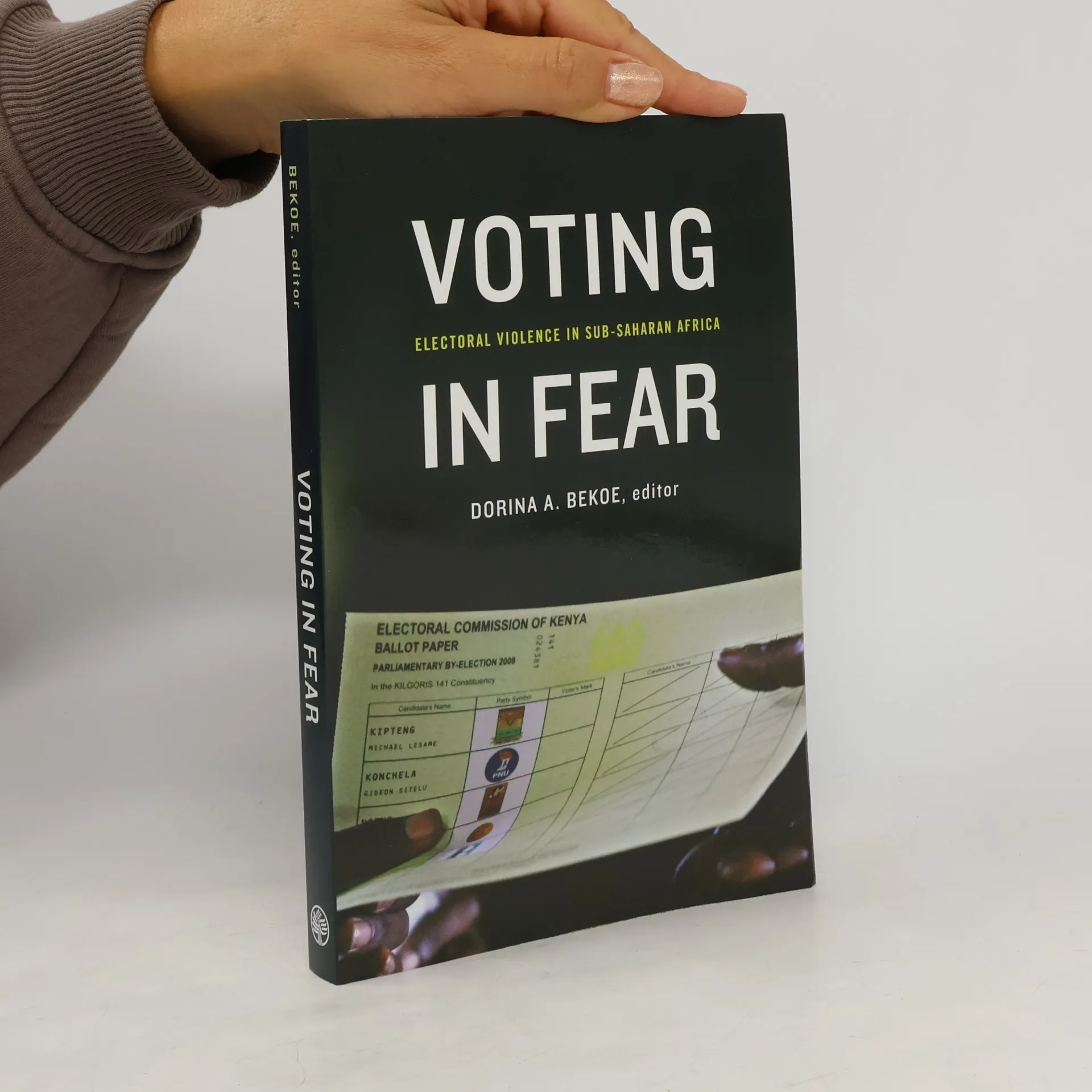
Eighteen African countries held elections in 2011, with eleven experiencing varying degrees of violence, from intimidation to severe displacement and death. Such electoral violence can deter citizens from voting, discourage candidates, weaken civil society's oversight, and undermine government legitimacy. Nine contributors explore the scope and nature of electoral violence in Africa, examining its forms and the factors that lead to its occurrence, reduction, and prevention. The book presents groundbreaking findings from the only known dataset on electoral violence in sub-Saharan Africa, covering 1990 to 2008. Case studies from countries like Ghana, Kenya, and Nigeria provide context for understanding when and why electoral violence happens, diminishes, or resurfaces. The contributors connect electoral violence to historical patterns, close elections, declining economies, and weak institutions. By addressing gaps in existing literature, the work offers concrete recommendations for international, regional, and local entities to mitigate or prevent violence. Ultimately, it conveys a hopeful message: electoral violence is not inevitable, and grasping the political context of elections is essential for predicting and averting such violence.
Dorina Akosua Oduraa Bekoe Książki