

This book provides a timely and novel contribution to understanding and enhancing evidence use. It builds on and complements the popular and best-selling "What Works?: Evidence-based policy and practice in public services" (Davies, Nutley and Smith, Policy Press, 2000), by drawing together current knowledge about how research gets used and how this can be encouraged and improved. In particular, the authors explore various multidiscipliary frameworks for understanding the research use agenda; consider how research use and the impact of research can be assessed; summarise the empirical evidence from the education, health care, social care and criminal justice fields about how research is used and how this can be improved and draw out practical issues that need to be addressed if research is to have greater impact on public services. "Using evidence" is important reading for university and government researchers, research funding bodies, public service managers and professionals, and students of public policy and management. It will also prove an invaluable guide for anyone involved in the implementation of evidence-based policy and practice.
Huw T.O. Davies Kolejność książek (chronologicznie)
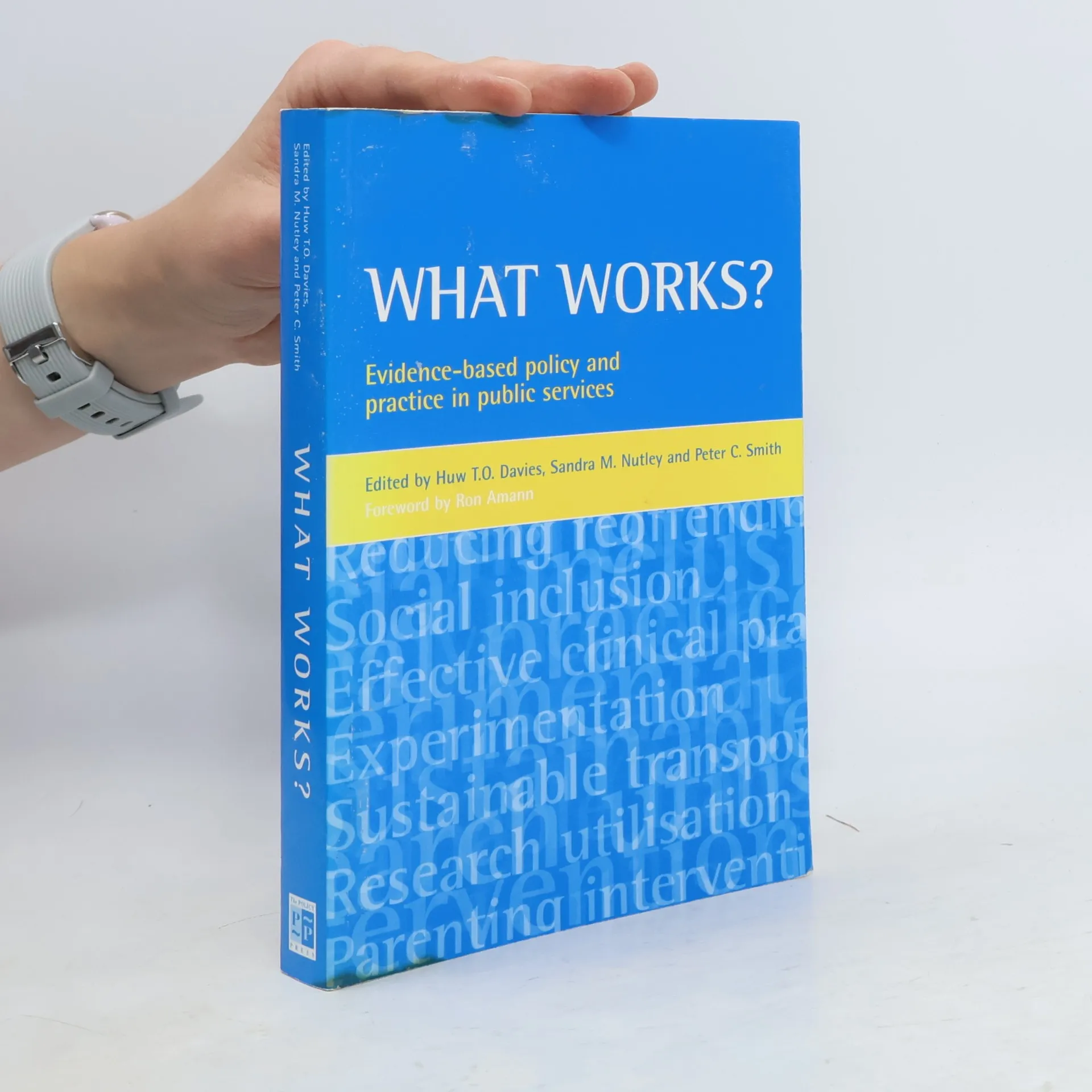
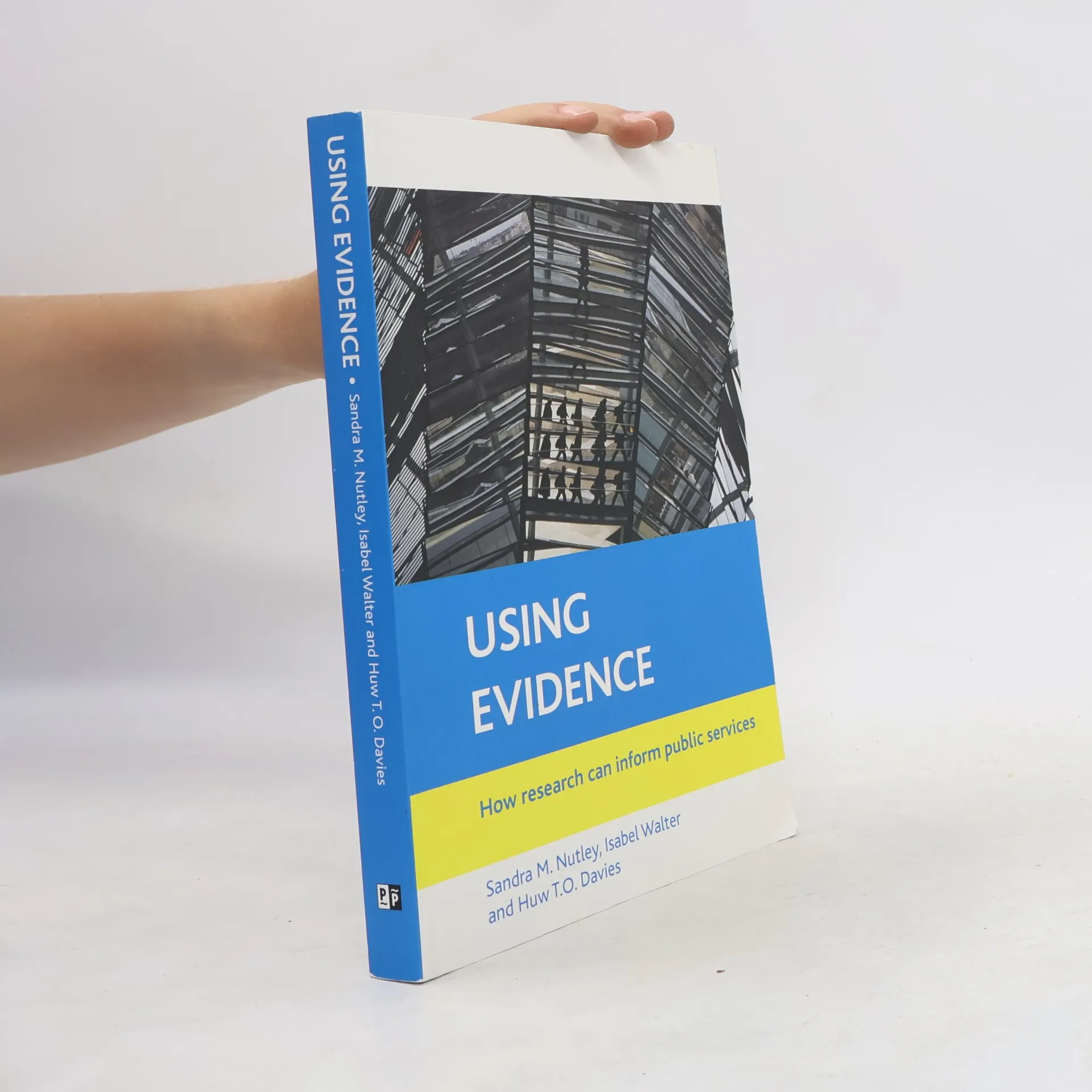
What counts is what works, but how can we determine what truly works? This book addresses the challenge of using evidence to influence policy and practice in the public sector, which increasingly relies on 'evidence' for delivering effective services. The authors examine the role of evidence across various public policy areas, including healthcare, education, criminal justice, social care, welfare, housing, transport, and urban renewal, utilizing experts to analyze the creation, dissemination, and application of evidence in each field. Key questions explored include the creation of research evidence regarding service effectiveness, the impact of such evidence on policy and service delivery, and initiatives aimed at promoting greater use of evidence in practice. The book offers rich cross-sectoral insights into the dynamic relationship between evidence and policy, presenting perceptive analyses of significant challenges and proposing agendas for service development and future research. The authors emphasize the crucial question of implementing evidence-based practices, advocating for innovative thinking. With its relevance to contemporary practice and research, this work is essential for managers, professionals across sectors, and students and academics in public policy, administration, and social management.