

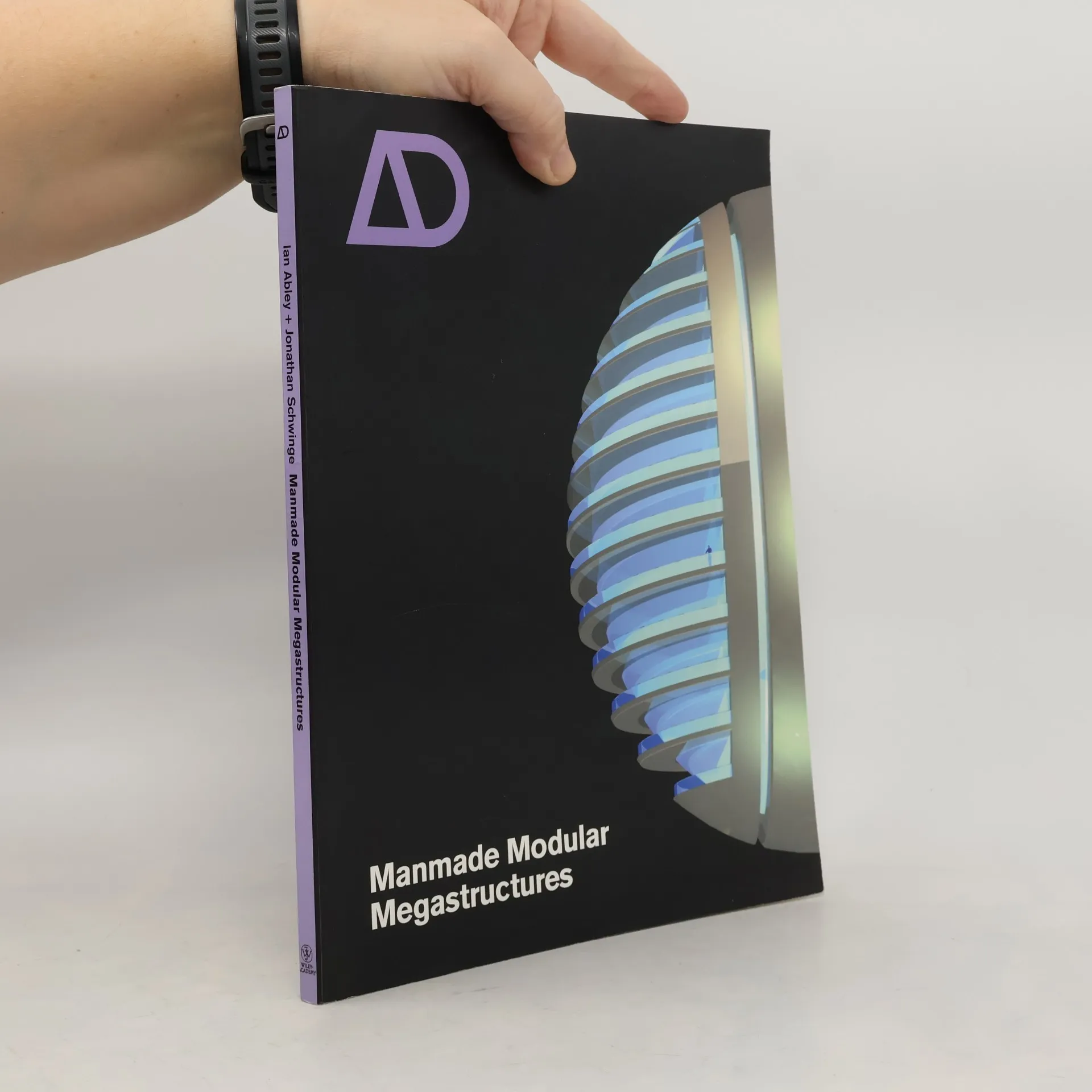
Architectural Design - 76: Manmade Modular Megastructures
- 128 stron
- 5 godzin czytania
By 2030, the global population is projected to reach 8.3 billion, presenting an opportunity to develop expansive megacities, including one around London. This evolution can enhance manufacturing's art, science, and processes, but it requires moving beyond the sustainability dogma that champions small-scale beauty. Humanity's journey began with the Sumerians, who built the first modular mega-structure at Ur, a mud-brick ziggurat, four millennia ago. Today, eco-enthusiasts resist the mechanized transformation of landscapes and the creation of megastructures. Guest editors Jonathan Schwinge and Ian Abley from the London-based research organization audacity advocate for bold development. They contend that rapidly expanding the built environment can bolster society against natural and man-made threats, and that design innovation can exceed bio-mimicry. Designers should draw inspiration from materials scientists and large-scale systems manufacturers. This issue encourages innovative thinking about typologies and topologies, with implications for regions like Africa, China, and Russia. The rise of megacities necessitates the integration of global transport, utilities, and IT systems within colossal structures, continually evolving and extending into the sea.