Mitul copilului răsfățat
Să punem sub semnul întrebării stereotipurile despre copii și părinți
- 351 stron
- 13 godzin czytania





Să punem sub semnul întrebării stereotipurile despre copii și părinți
Cum să evităm bulinele roșii, bonusurile, lauda și alte feluri de mită
Czy wsp�łczesne dzieci są rozpieszczone?Czy rodzice pozwalają im na zbyt wiele?Jak przygotowywać je do wyzwań dorosłego życia?Czy trzeba przyzwyczajać dzieci do porażek, frustracji i cierpienia?Czy rywalizacja w młodym wieku rzeczywiście wzmacnia?Czy samodyscyplina może mieć jakieś ciemne strony?Kto korzysta na posłuszeństwie naszych dzieci?
Exploring the essential needs of children in the educational system, this book presents thought-provoking insights from a prominent advocate for reform. It delves into the gaps in traditional schooling and emphasizes the importance of fostering creativity, critical thinking, and emotional well-being. Through compelling arguments and real-world examples, the author challenges conventional practices and proposes innovative approaches to better support the diverse needs of students.
The book presents a transformative approach to discipline in educational settings, advocating for a shift from traditional methods to collaborative strategies. Alfie Kohn emphasizes the importance of working alongside students to foster caring communities, rather than imposing control. This 10th anniversary edition includes a new afterword that further explores these innovative ideas, reinforcing the need for a more compassionate and engaging learning environment.
Książka wybitnego amerykańskiego psychologa może zaskoczyć rodziców przyzwyczajonych do tradycyjnych poglądów na temat wychowania i dyscypliny. Powołując się na dziesiątki fachowych badań, autor demonstruje negatywne skutki kontrolowania dzieci za pomocą nagród, pochwał i kar. Co ważniejsze, demonstruje także, jak niszcząca dla dziecięcej psychiki jest warunkowa akceptacja, tak zwana miłość odmawiana, zależna od tego, czy dziecko spełnia oczekiwania rodziców. Jest ona częstym środkiem wymuszania posłuszeństwa u dzieci. Kohn obnaża również współczesną kulturę współzawodnictwa i presję sukcesu, która ciąży na współczesnych dzieciach i młodzieży. Jego książka to lektura obowiązkowa każdego rodzica, który chciałby być na bieżąco z najnowszą wiedzą na temat dzieci. Książka zdobyła najważniejszą amerykańską nagrodę dla książek parentingowych: złotą nagrodę NAPPA (National Parenting Publications Awards) w 2006 roku. Alfie KOHN (ur. 1957) jest amerykańskim badaczem interdyscyplinarnym, specjalizującym się w tematyce edukacji i wychowania. Jego pola zainteresowań to zagadnienia motywacji, współpracy i długoterminowych skutków strategii wychowawczych. Znany przeciwnik ocen w szkołach i rywalizacyjnego podejścia do nauki Autor m.in. książek Punished by Rewards (Ukarani przez nagrody), No Contest (Bez rywalizacji), What Does It Mean to Be Well Educated? (Co to znaczy być dobrze wykształconym?).
Moving Beyond Traditional Classrooms and "Tougher Standards"
In this “lively, provocative and well-researched book” (Theodore Sizer), Alfie Kohn builds a powerful argument against the “back to basics” philosophy of teaching and simplistic demands to “raise the bar.” Drawing on stories from real classrooms and extensive research, Kohn shows parents, educators, and others interested in the debate how schools can help students explore ideas rather than filling them with forgettable facts and preparing them for standardized tests.Here at last is a book that challenges the two dominant forces in American education: an aggressive nostalgia for traditional teaching (“If it was bad enough for me, it’s bad enough for my kids”) and a heavy-handed push for Tougher Standards.
From self-esteem to school uniforms, from grade inflation to character education, Kohn raises a series of provocative questions about the status quo in this collection of essays. He challenges us to reconsider some of our most basic assumptions about children and education. Whether he is explaining why cooperative learning can be so threatening or why detracking is so fiercely opposed, Kohn offers a fresh, informed, and frequently disconcerting perspective on the major issues in education. In the end, his critical examination of current practice is complemented by a vision of what schooling ought to be. Kohn argues for giving children more opportunity to participate in their own schooling, for transforming classrooms into caring communities, and for providing the kind of education that taps and nourishes children's curiosity.

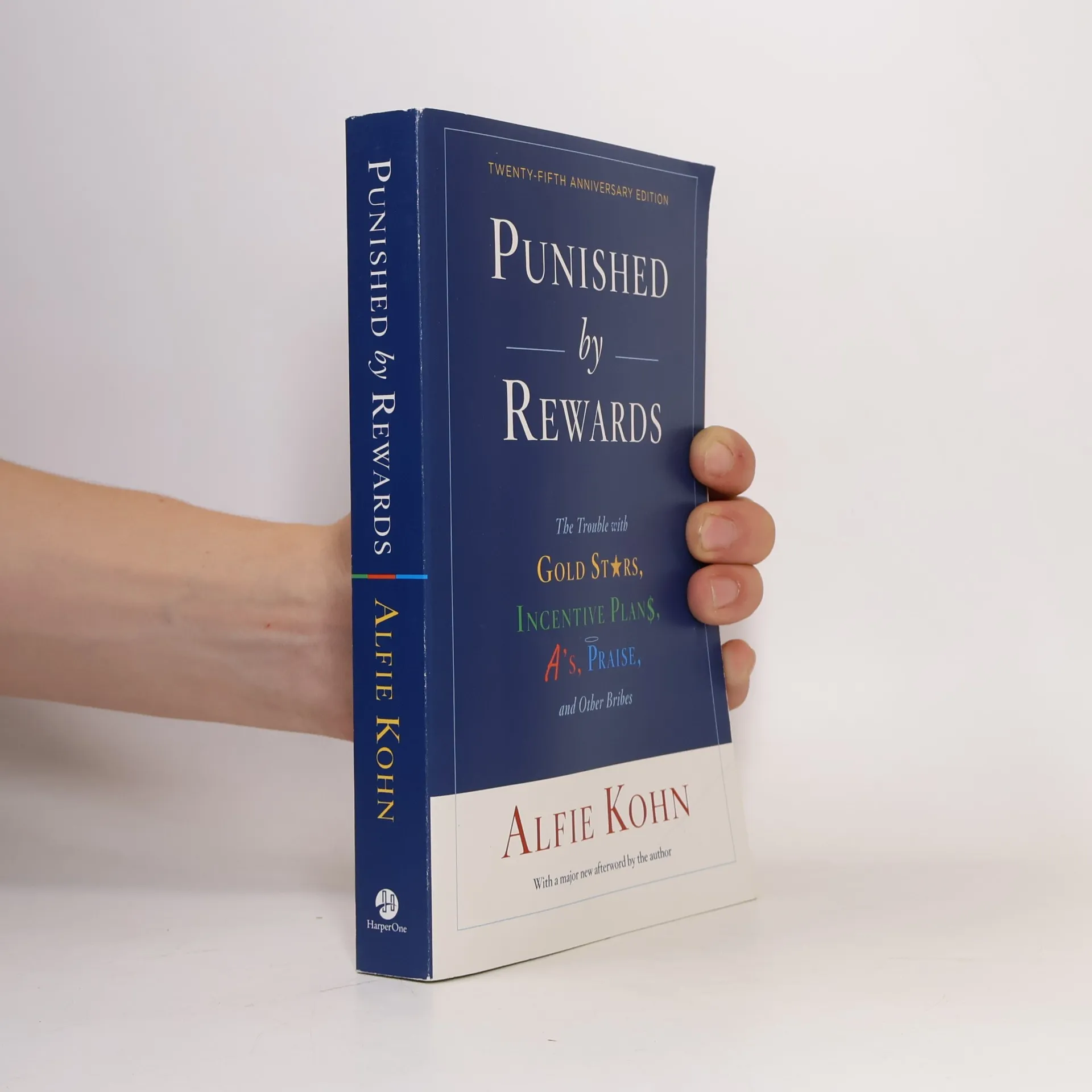
Since its publication in 1993, this groundbreaking book has convinced countless parents, teachers, and managers that working with people is more successful than doing things to them. Do rewards motivate people? asks Kohn. Yes. They motivate people to get rewards. Moreover, the use of rewards actually undermines the quality of people's work or learning - and causes them to lose interest in whatever they've been bribed to do. Seasoned with humour and familiar examples - and updated to include a wealth of recent research, Punished by Rewards presents an argument unsettling to hear but impossible to dismiss.
No Contest stands as the definitive critique of competition. Contrary to accepted wisdom, competition is not basic to human nature; it poisons our relationships and holds us back from doing our best. In this new edition, Alfie Kohn argues that the race to win turns all of us into losers.
Ausgehend von der Beobachtung, dass Konkurrenz als selbstverständliches gesellschaftliches Phänomen höchstens im Falle der "Übertreibung" kritisch hinterfragt wird, untersucht der Verfasser (Redakteur bei "Psychology Today") 4 zentrale Vorurteile hinsichtlich des Wettbewerbs. Unter Heranziehung von Material verschiedenster Wissenschaftsgebiete (z.B. Psychoanalyse, Evolutionsbiologie, Freizeitsoziologie) widerlegt er schlüssig die Ansicht, Wettbewerb sei unvermeidlich, produktiver, vergnüglicher und bilde den Charakter. Das Gegenteil sei der Fall, denn er habe (auch auf das Privatleben) eher negative Konsequenzen, die nicht allein durch individuelle Verhaltensänderung, sondern auch durch den Abbau gesellschaftlich vorgegebener Wettbewerbssituationen vermieden werden könnten. Mit ausführlichen Anmerkungen, Literaturverzeichnis und Stichwortregister