
Bookbot

Michael Glenny

    Stories and Prose Poems
    Psie serce
    August 1914
    The White Guard
    Faithful Ruslan
    Mistrz i Małgorzata
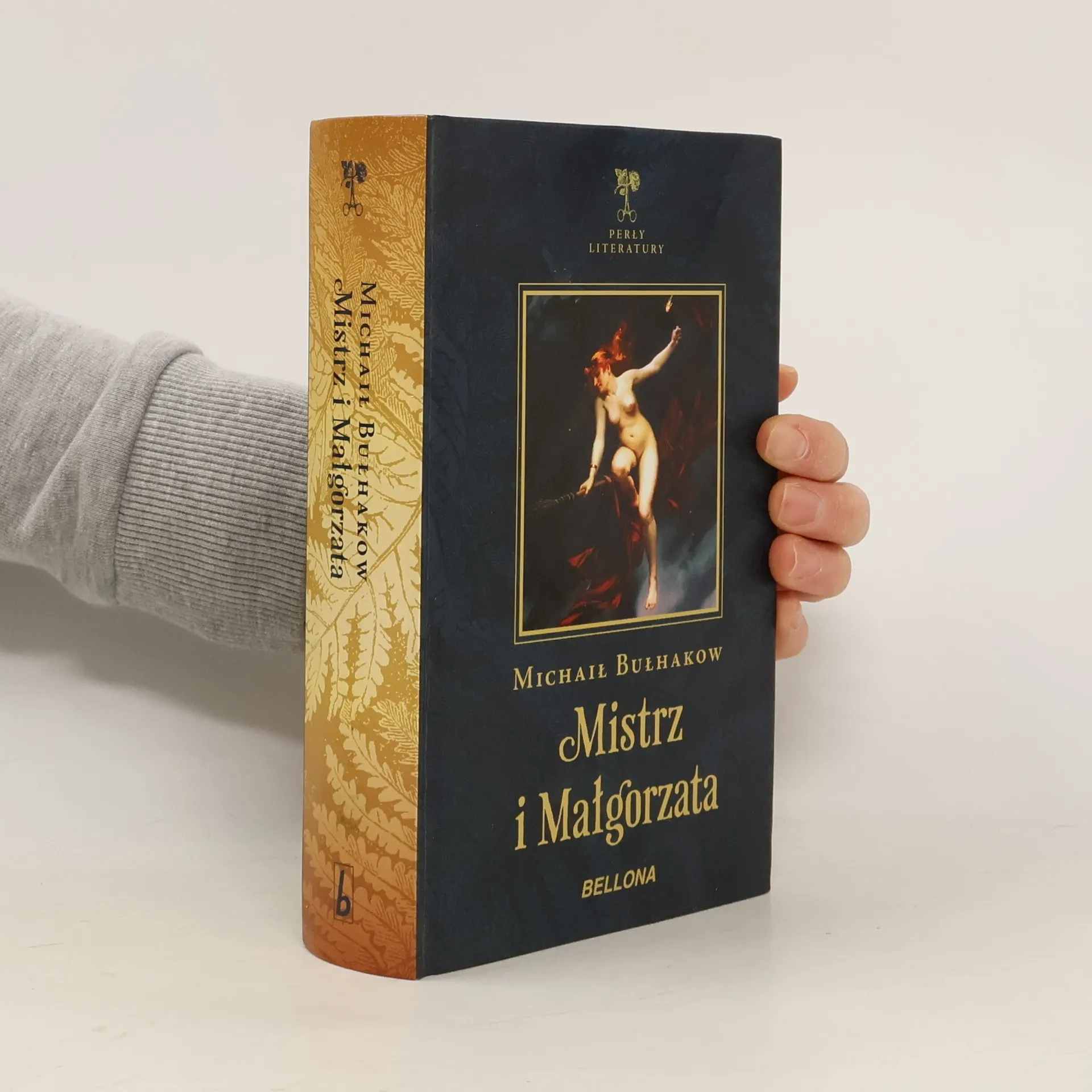
    • Mistrz i Małgorzata

      • 493 strony
      • 18 godzin czytania

      Mistrz i Małgorzata to fascynujący i ponadczasowy obraz walki dobra i zła. Woland, Behemot, Małgorzata są bohaterami wielobarwnymi, z którymi można się utożsamiać. Powieść bawi, wzrusza, zaskakuje i skłania do refleksji filozoficznych. Bułhakow doskonale splótł historię miłości pisarza, zwanego Mistrzem, i Małgorzaty Nikołajewny z ponurymi i zarazem groteskowymi realiami Rosji z lat trzydziestych XX wieku. Wątek z historią Poncjusza Piłata skazującego na śmierć wędrownego filozofa Jeszuę Ha-Nocri stanowi jednocześnie powieść w powieści. Konwencja, zawierająca elementy absurdu, fantastyczną sferę działań Wolanda była konieczna, aby książka przeszła przez cenzurę panującą w sowieckiej Rosji. Tylko tak Bułhakow mógł ukazać niedorzeczności kraju, w którym tworzył.

      Mistrz i Małgorzata
      4,3
    • Faithful Ruslan

      • 224 strony
      • 8 godzin czytania

      Unavailable for twenty years, this harrowing allegory of obedience to authority is esteemed as “one of the defining literary texts of the post-Stalin period.” (The Guardian) Set in a remote Siberian depot immediately following the demolition of one of the gulag’s notorious camps and the emancipation of its prisoners, Faithful Ruslan is an embittered cri de coeur from a writer whose circumstances obliged him to resist the violence of arbitrary power. “Every writer who writes anything in this country is made to feel he has committed a crime,” Georgi Vladimov said. Dissident, he said, is a word that “they force on you.” His mother, a victim of Stalin’s anti-Semitic policy, had been interred for two years in one of the camps from which Vladimov derived the wrenching detail of Faithful Ruslan. The novel circulated in samizdat for more than a decade, often attributed to Solzhenitsyn, before its publication in the West led to Vladimov’s harassment and exile. A starving stray, tortured and abandoned by the godlike “Master” whom he has unconditionally loved, Ruslan and his cadre of fellow guard dogs dutifully wait for the arrival of new prisoners—but the unexpected arrival of a work party provokes a climactic bloodletting. Fashioned from the perceptions of an uncomprehending animal, Vladimov’s insistently ironic indictment of the gulag spirals to encompass all of Man’s inexplicable cruelty.

      Faithful Ruslan
      4,2
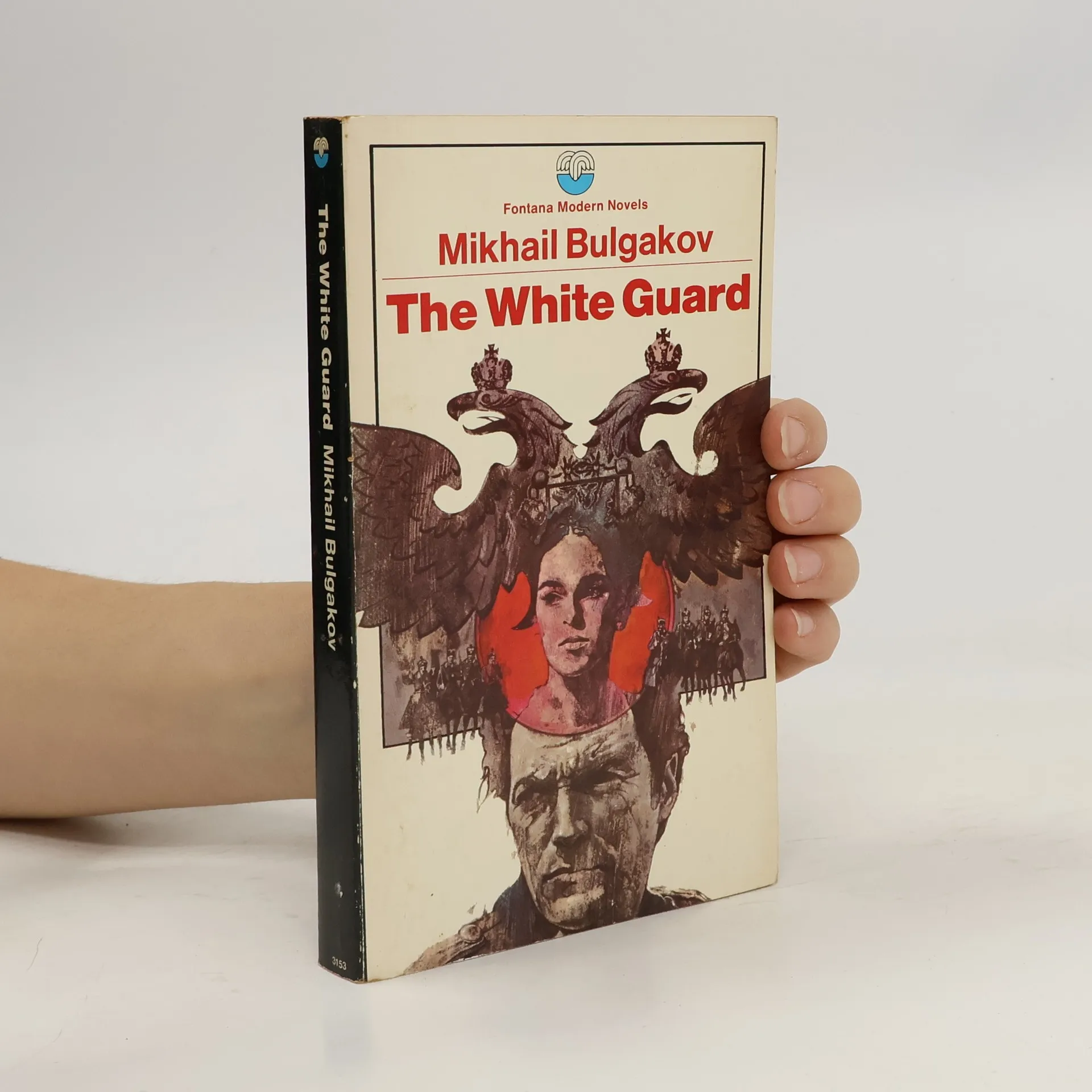
    • The White Guard

      • 288 stron
      • 11 godzin czytania

      Kiev - Kyiv - is in chaos. Russia has withdrawn from World War I but the Germans have set up a puppet government in Ukraine. Civil war rages- the Bolsheviks have seized power in Russia, but the anti-revolutionary White Guard who have fled to Ukraine, are rallying to resist. In the meantime, Ukrainian nationalists are camped outside the capital, and a Red army is on its way to bring everyone to heel. While all this is going on, the Turbin family try to eke out their existence in Kyiv and discuss what they should do. They are exactly the sort of family - monarchist intelligentsia - for whom the future looks particularly menacing. Bulgakov's brilliant and evocative prose brings the city and the moment unforgettably to life and sheds some fascinating light on the complex interwoven histories of Ukraine and Russia.

      The White Guard
      4,1
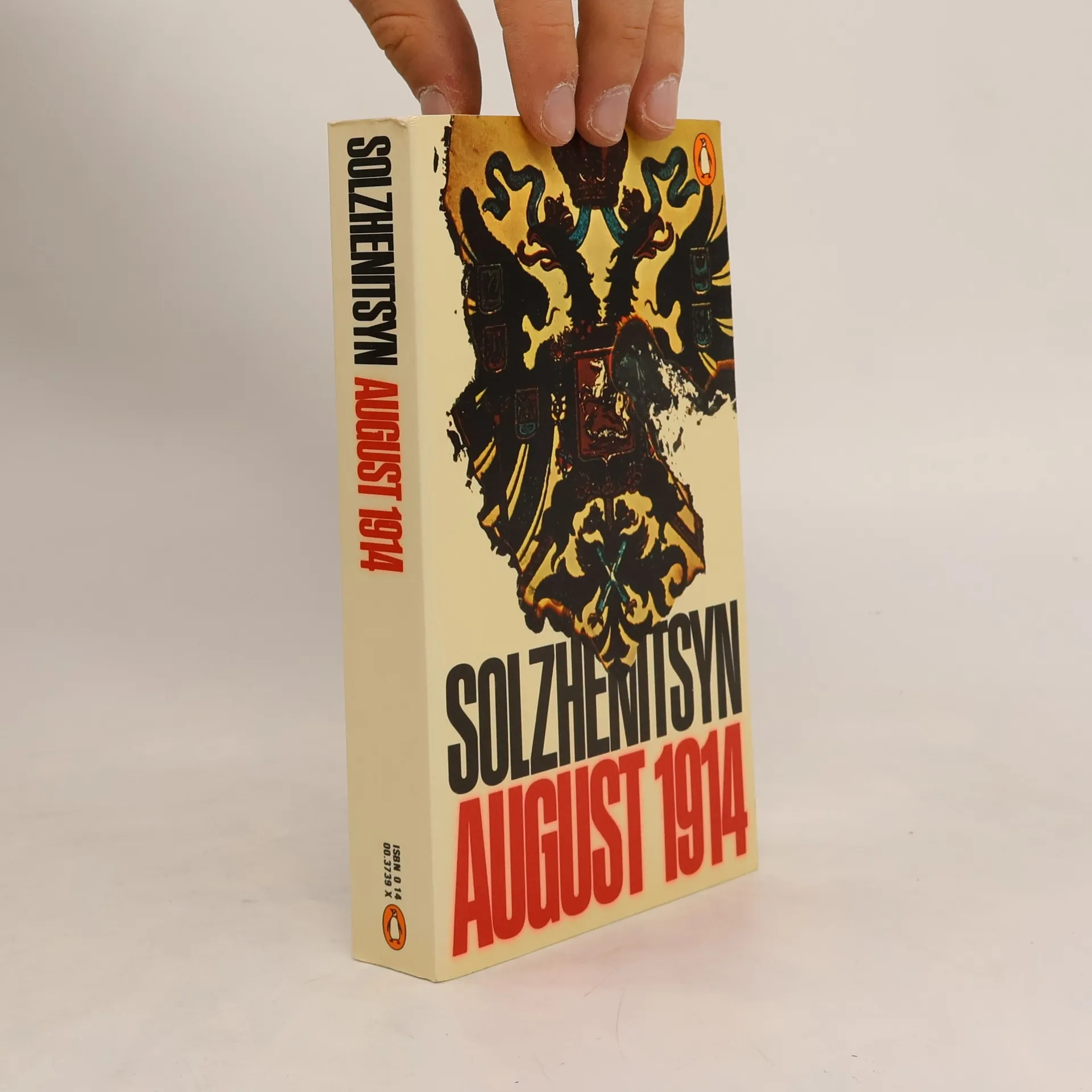
    • A historical novel about the defeat of the Imperial Russian Army at the Battle of Tannenberg in East Prussia.

      August 1914
      3,9
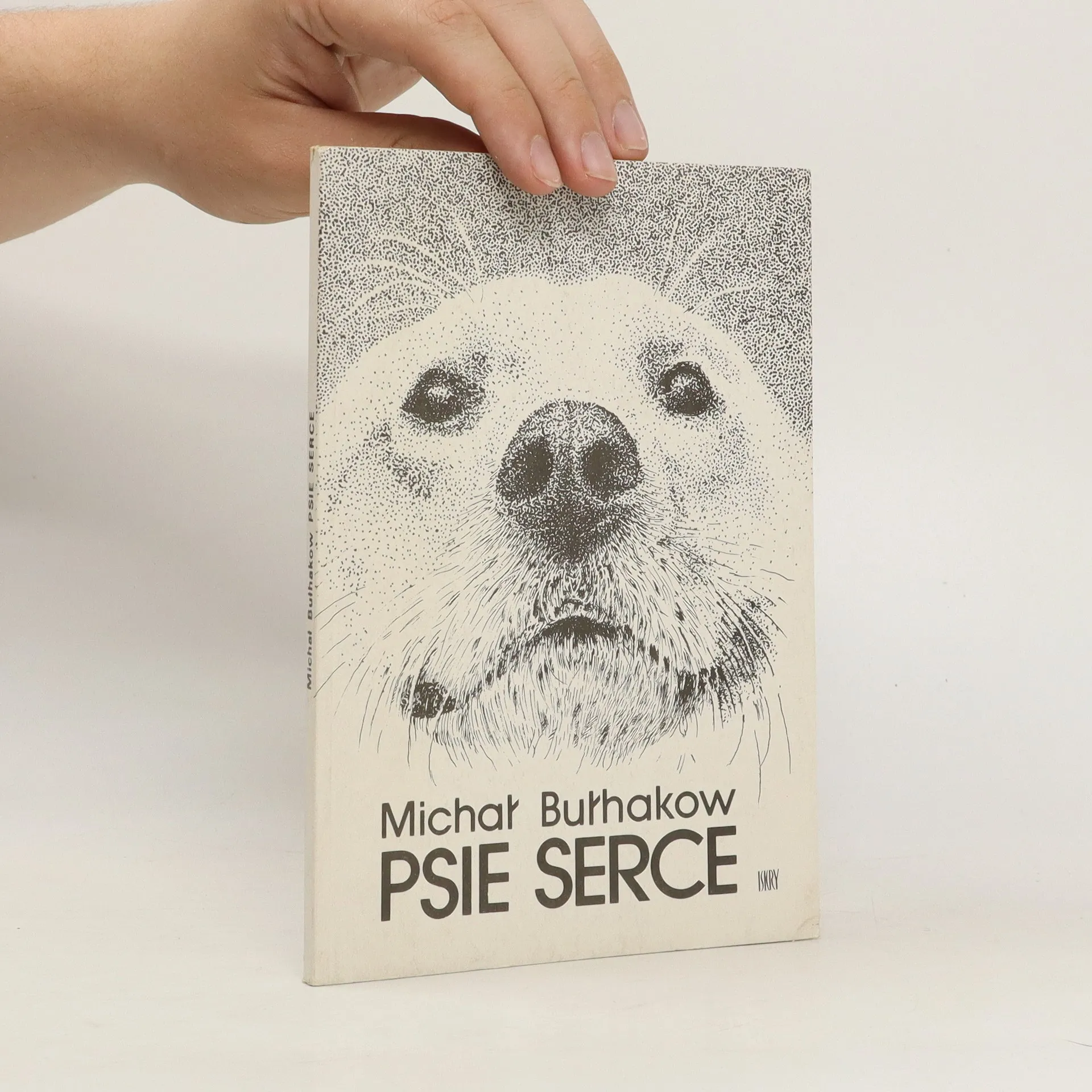
    • Psie serce

      • 95 stron
      • 4 godziny czytania

      „Psie serce” to ostra krytyka współczesnych realiów, która przez długi czas nie mogła doczekać się publikacji. Michaił Bułhakow napisał tę opowieść w 1925 roku, a opublikowano ją dopiero w 1968 roku. W historii kryje się jednak znacznie więcej: genialny chirurg Filipp Filippowicz przyciąga bezdomnego psa Lumpiego do swojego domu, oferując mu „krakowską specjalność”. Przeprowadza na nim operację, wszczepiając mu przysadkę mózgową i jądra drobnego przestępcy, tworząc w ten sposób „nowego człowieka”. Jednak stworzony w ten sposób człowiek-zwierzę szybko okazuje się nie tylko oszustem, ale także pozostaje zwierzęciem w ludzkiej postaci. Dopiero brutalne odwrócenie operacji może uratować społeczeństwo. „Psie serce” łączy motywy faustowskie z „Potworem Frankensteina”, parodiuje idee nowego człowieka i szydzi z wiary w postęp.

      Psie serce
      4,0
    • Short stories and other short pieces (including some lovely prose poems) by the late Nobel Prize laureate Alexander Solzhenitsyn. Contents: Matryona's house. For the good of the cause. The Easter procession. Zakhar-the-Pauch. The right hand. An incident at Krechetovka station. Prose poems: Freedom ...

      Stories and Prose Poems
      4,0