



Bookbot

Ernest Becker

    27 września 1924 – 6 marca 1974
    Popírání smrti
    The Truth About the Truth
    Escape from Evil
    The Ernest Becker Reader
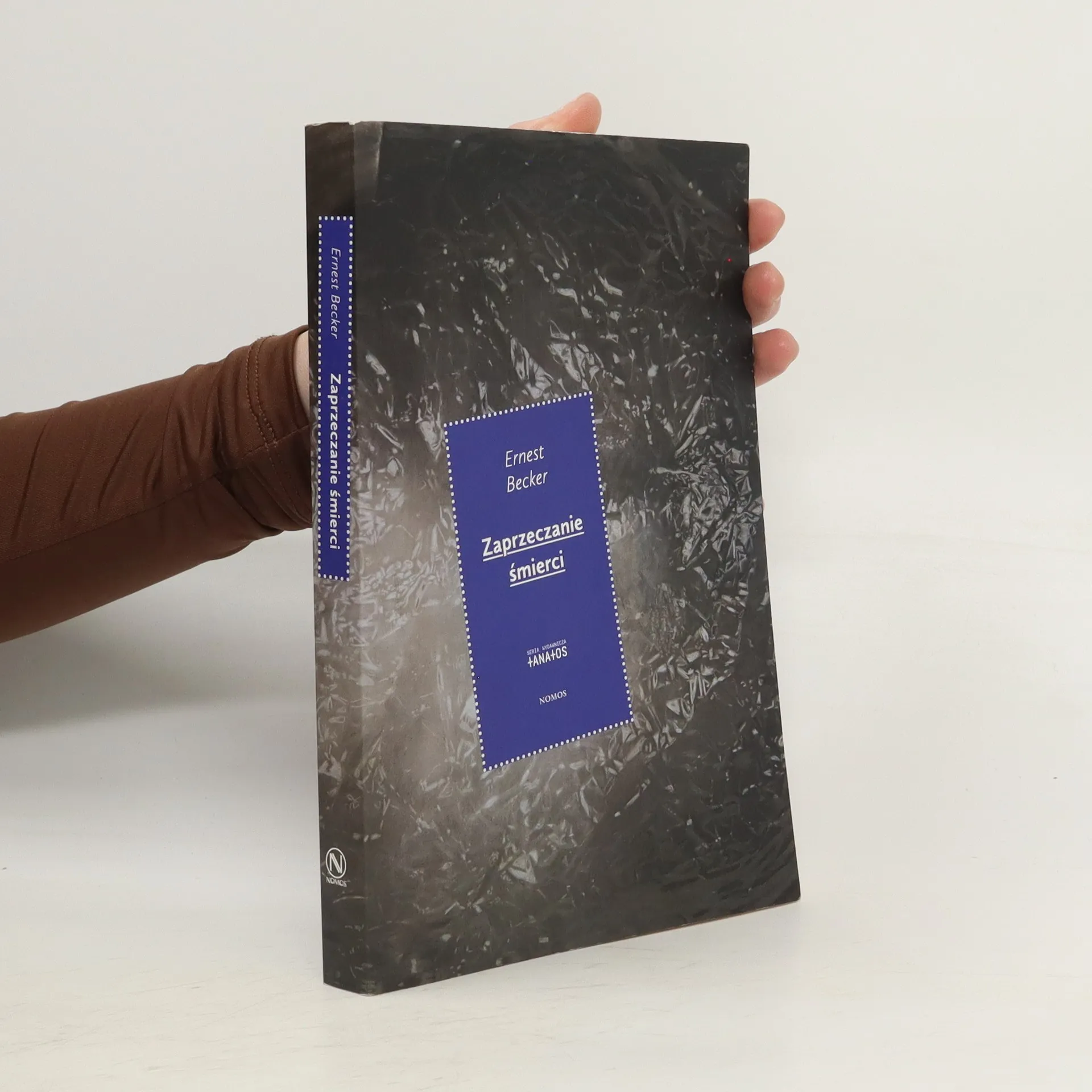
    Zaprzeczanie smierci
    • Zaprzeczanie smierci

      • 286 stron
      • 11 godzin czytania

      Zwycięzca Nagrody Pulitzera w 1974 roku, "Zaprzeczanie śmierci" to błyskotliwa i pełna pasji odpowiedź Ernesta Beckera na pytanie o sens ludzkiego istnienia. W odważnym kontraście do dominującej szkoły myślenia freudowskiego, Becker podejmuje problem życiowego kłamstwa - odmowy uznania własnej śmiertelności przez człowieka. Książka argumentuje, że cywilizacja ludzka jest obroną przed świadomością, że jesteśmy istotami śmiertelnymi. Becker twierdzi, że ludzie żyją zarówno w świecie fizycznym, jak i w symbolicznym świecie znaczeń, w którym znajduje się nasz "projekt nieśmiertelności". Tworzymy, aby stać się nieśmiertelnymi - aby stać się częścią czegoś, co wierzymy, że przetrwa na zawsze. W ten sposób mamy nadzieję nadać sens naszym życiom. W "Zaprzeczaniu śmierci" Becker rzuca nowe światło na naturę człowieczeństwa i wzywa do życia oraz jego przeżywania, co wciąż rezonuje dekady po napisaniu tej książki.

      Zaprzeczanie smierci
      3,9
    • The Ernest Becker Reader

      • 248 stron
      • 9 godzin czytania

      Ernest Becker (1924-1974) was a keen observer of society and human behavior during America's tumultuous 1960s and 1970s. With a background in social anthropology, he was driven by a deep curiosity about human motivations, persistently asking, "What makes people act the way they do?" Frustrated by the fragmented approaches of contemporary social sciences, Becker sought a comprehensive, empirical understanding of humanity. He developed an interdisciplinary vision where each discipline is rooted in a fundamental truth about the human condition, creating a broad perspective on human motivations that spans biological, psychological, and social sciences, as well as the humanities and various studies. Best known for his later works, including the Pulitzer Prize-winning "The Denial of Death" (1974) and "Escape from Evil" (1975), Becker's influential ideas were built upon a distinguished foundation of earlier writings. His early works, rich in insight, provide context for his later contributions and illuminate the evolution of his thoughts. Despite his life being cut short, Becker’s writings remain in print, engaging new generations of readers. The Ernest Becker Reader compiles much of his early work, placing his later achievements in context and significantly contributing to the enduring interest in his ideas.

      The Ernest Becker Reader
      4,5
    • Escape from Evil

      • 188 stron
      • 7 godzin czytania

      From the Pulitzer Prize-winning author of The Denial of Death, a penetrating and insightful perspective on the source of evil in our world."A profound, nourishing book…absolutely essential to the understanding of our troubled times." —Anais Nin"An urgent essay that bears all the marks of a final philosophical raging against the dying of the light." —Newsweek

      Escape from Evil
      4,4
    • The Truth About the Truth

      De-confusing and Re-constructing the Postmodern World

      • 272 strony
      • 10 godzin czytania

      Includes essays and excerpts from the works of prominent modern thinkers such as Umberto Eco, Jacques Derrida, and Isaiah Berlin among others.

      The Truth About the Truth
      3,9