

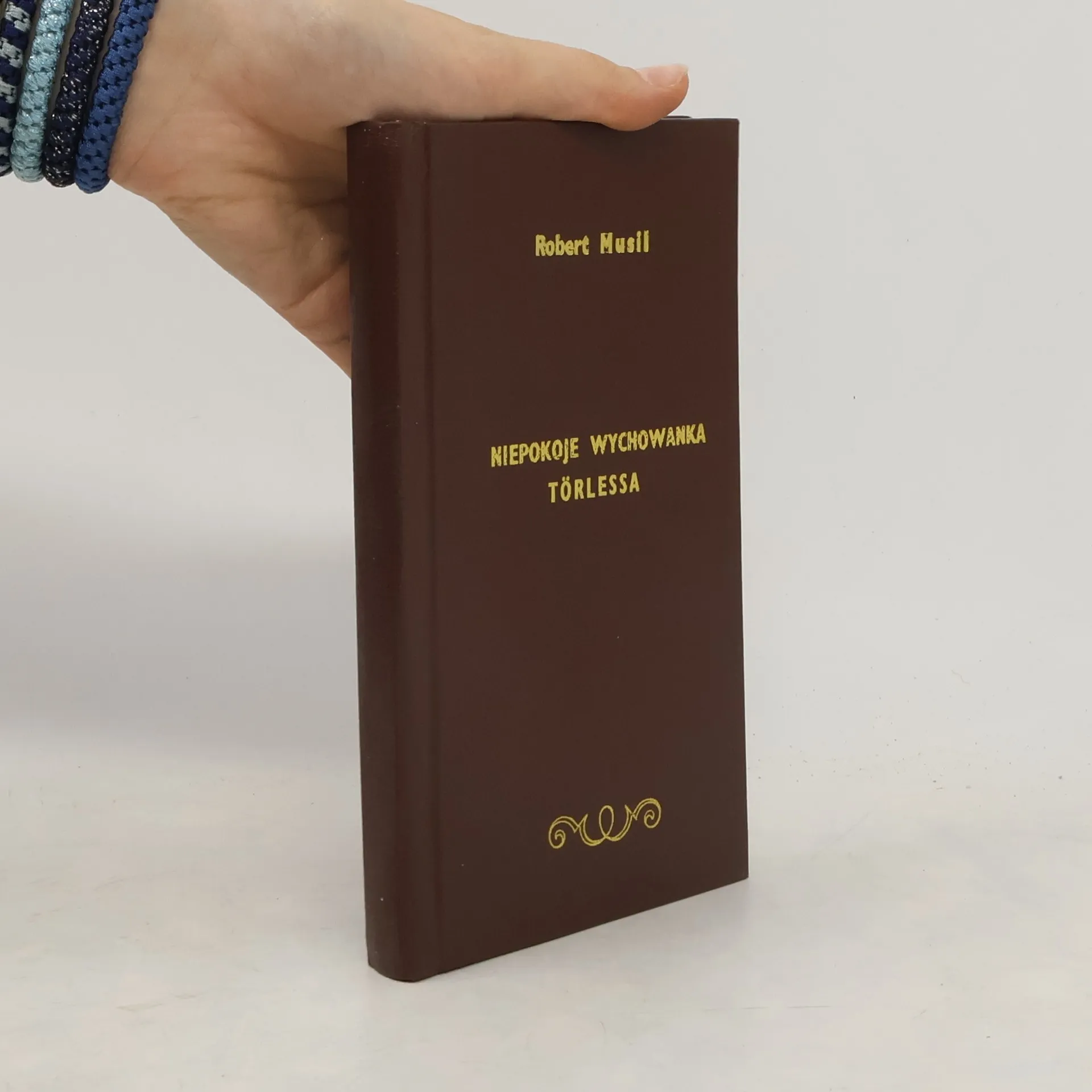
Pierwsza powieść Roberta Musila, opublikowana w 1906 roku, zanurza nas w przerażającym świecie obozowym, ukrytym za fasadą wojskowego internatu, który kształci synów austriackiej burżuazji. Schematy powieści o dojrzewaniu zostają zniekształcone przez rejestrację sadystycznych rytuałów, które charakteryzują życie uczniów, ukazując mechanizmy dominacji i pogardy dla wolności jednostki. Tworzy to świat młodzieńczy podzielony między katów a ofiary, związany przez chorobliwe namiętności. Protagonista stara się podążać za swoją intelektualną przygodą, balansując między współudziałem a odrazą, pragnieniem zrozumienia a moralnym odrzuceniem. Szczególnie niepokoi go pragnienie seksualne postrzegane jako degradujące i winne, które manifestuje się w atrakcji do nieprzyjemnej prostytutki lub wrażliwego kolegi. Ten wewnętrzny konflikt staje się emblematyczny dla defektu istnienia, którego rozum nie potrafi uzdrowić. Largely autobiograficzna, powieść natychmiast przyciągnęła uwagę europejskiej kultury dzięki swojej niepokojącej nowości i prawdzie, a także mistrzostwu pisarskiemu, mimo młodego wieku autora.
Mike Mitchell Kolejność książek (chronologicznie)


War Diary
- 108 stron
- 4 godziny czytania
Austrian writer Ingeborg Bachmann (1926-73) is a key figure in postwar German literature, known for her novels, poetry, and plays. Her War Diary is a collection of sketches rather than a traditional journal, reflecting the final months of World War II and the early British occupation of Austria. These powerful entries, remarkable for her young age, express her deep disdain for war and Nazism as she navigates the fervent nationalism in Klagenfurt. The British occupation introduces her to Jack Hamesh, a British officer and Jewish refugee from Vienna, who is surprised to meet an Austrian girl familiar with banned authors like Mann and Schnitzler. Their correspondence, particularly Hamesh's letters to Bachmann during his time in Israel in 1946, reveals his struggles with rootlessness after the war. War Diary offers a unique perspective on Bachmann's development as a writer and serves as a poignant reflection on life in post-war Austria. The insights from both Bachmann and Hamesh extend beyond their personal narratives, touching on broader themes of loss and recovery. The German edition has been praised for its critical commentary, highlighting the historical context and the emotional resonance of Bachmann's experiences.
Set in an insane asylum, this second installment of the Studer mystery series revolves around the murder of the asylum's director. The story unfolds in a European classic style, blending suspense and psychological intrigue as the investigation reveals dark secrets hidden within the institution. The unique setting and complex characters contribute to a gripping narrative that explores themes of madness and morality.
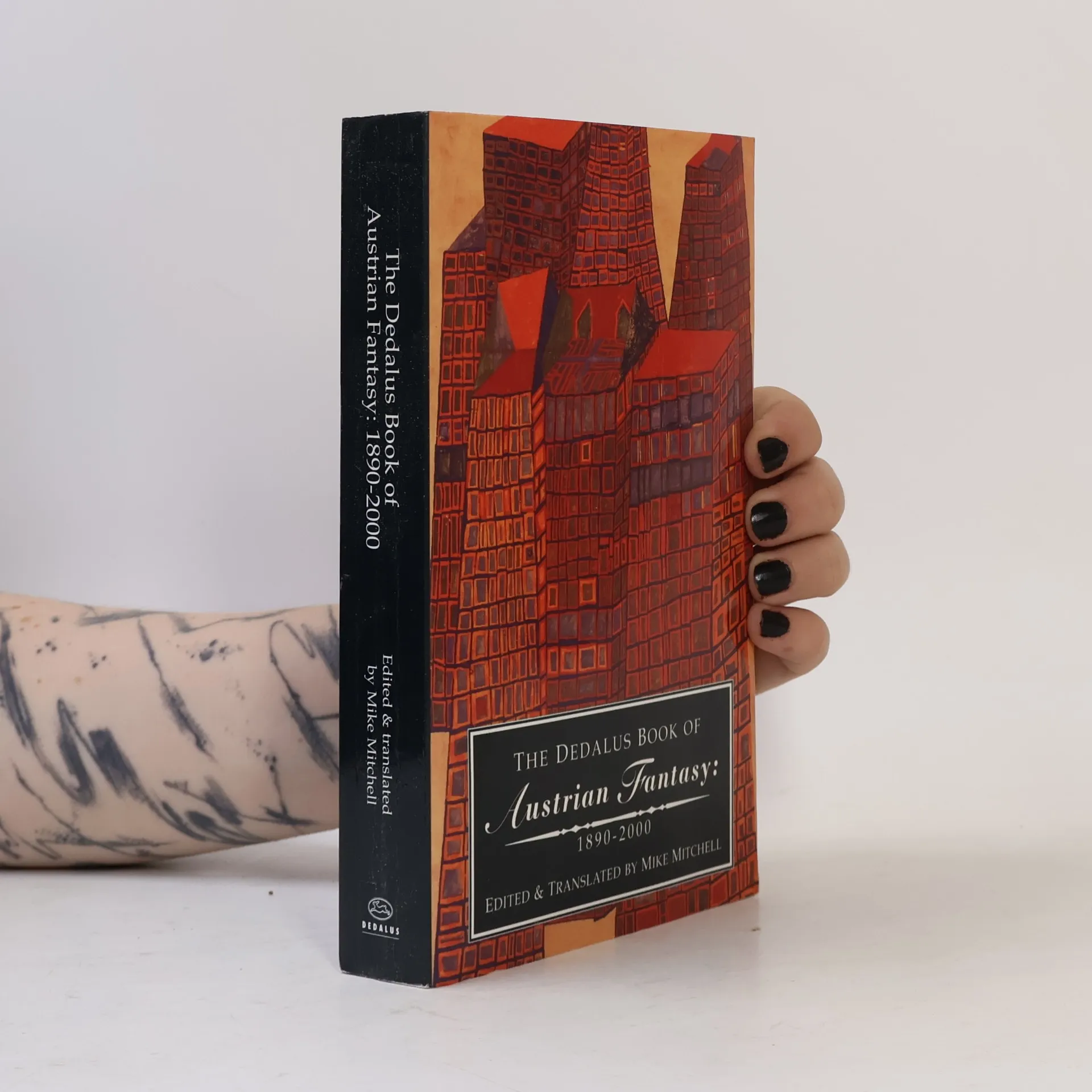
Ever since the fin de siecle Austrian literature has been fertile ground for fantasy in the widest sense and the genre was taken up again by new generations after the Second World War. The Dedalus Book of Austrian Fantasy: 1890-2000 contains stories from authors of the 1890s (Schnitzler, Hofmannsthal), the years around the First World War (Kafka, Meyrink), the post-war era, when Kafka was rediscovered, (Jeannie Ebner, Ilse Aichinger) to the present day (H C Artmann, Michael Koehlmeier). The stories range from the 'freudian' to the 'kafkaesque', to the surreal, grotesque, comic, occult and straightforwardly supernatural. A.S.Byatt described it in The Guardian as one of the best anthologies she has ever read.
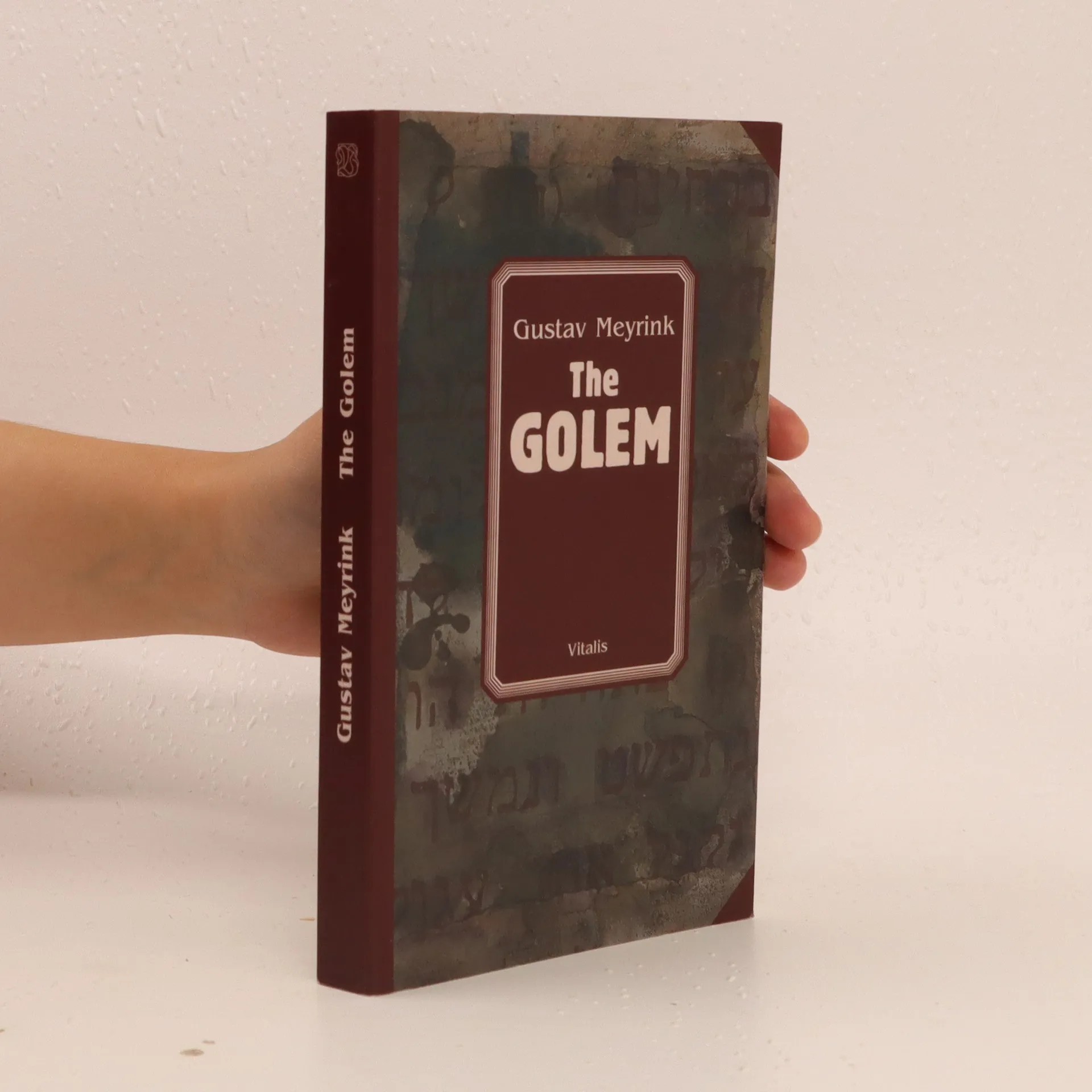
The Golem
- 272 strony
- 10 godzin czytania
First published in serial form as Der Golem in the periodical Die weissen Blätter in 1913–14, The Golem is a haunting Gothic tale of stolen identity and persecution, set in a strange underworld peopled by fantastical characters. The red-headed prostitute Rosina; the junk-dealer Aaron Wassertrum; puppeteers; street musicians; and a deaf-mute silhouette artist. Lurking in its inhabitants’ subconscious is the Golem, a creature of rabbinical myth. Supposedly a manifestation of all the suffering of the ghetto, it comes to life every 33 years in a room without a door. When the jeweller Athanasius Pernath, suffering from broken dreams and amnesia, sees the Golem, he realises to his terror that the ghostly man of clay shares his own face. . . . The Golem, though rarely seen, is central to the novel as a representative of the ghetto's own spirit and consciousness, brought to life by the suffering and misery that its inhabitants have endured over the centuries. Perhaps the most memorable figure in the story is the city of Prague itself, recognisable through its landmarks such as the Street of the Alchemists and the Castle.
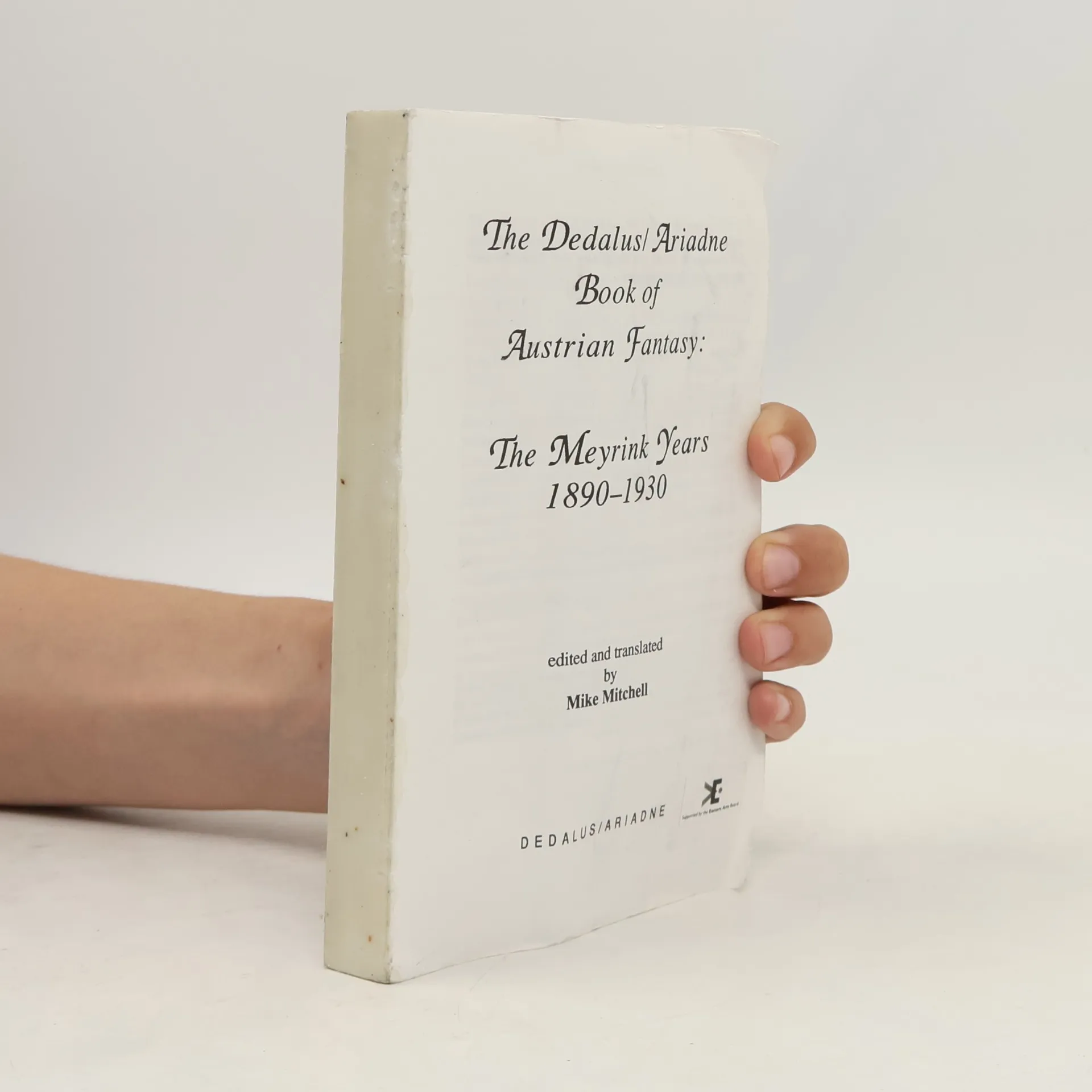
The Dedalus / Ariadne Book of Austrian Fantasy
The Meyrink Years, 1890-1930
- 416 stron
- 15 godzin czytania
Includes extracts from all of Meyink's novels and some of his short stories. Edited and translated by Mike Mitchell.