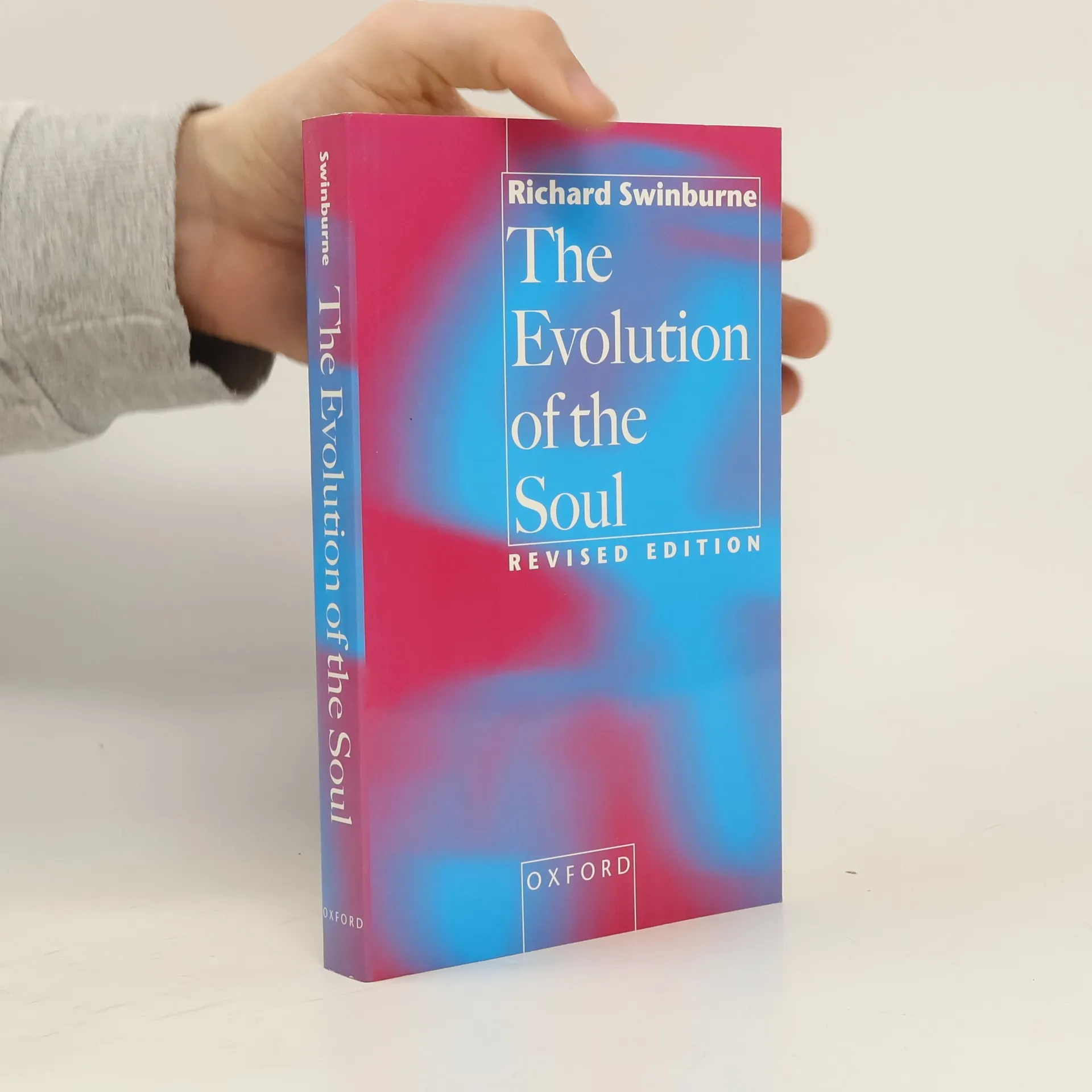
Richard Swinburne presents a powerful case for substance dualism and
libertarian free will. He argues that pure mental and physical events are
distinct, and defends an account of agent causation in which the soul can act
independently of bodily causes. We are responsible for our actions, and the
findings of neuroscience cannot prove otherwise.
Autor začíná výkladem o pojmu Boha v monoteistických náboženstvích, zejména v křesťanství a židovství. Následně se zaměřuje na povahu přírodovědných teorií a zákonů, přičemž ukazuje kritéria pro přijetí určité teorie a vztahy mezi nimi. Tato část je brilantním úvodem do metodologie přírodovědeckého poznání. Po metodologických úvahách autor přechází k vlastnímu tématu, kde argumentuje, že přírodovědné teorie vždy zanechávají nevysvětlené aspekty, které může objasnit pouze metafyzická teorie. V konkurenci metafyzických teorií je teistická teorie ta, která nejlépe splňuje požadavky kladené na teorie v jiných oblastech vědění. Autor se seriózně, ale i vtipně vyrovnává s novodarwinismem a jeho prominentním zastáncem R. Dawkinsem, jehož kniha Slepý hodinář měla značný dopad. Swinburne čerpá z tradiční metafyziky, občas cituje sv. Tomáše, avšak jeho přístup je odlišný. Neposkytuje důkazy existence Boží, ale ukazuje, že teistická teorie převyšuje jiné teorie svou jednoduchostí a vysvětlující silou. Tento přístup nezahrnuje důkaz Boží existence, ale ani jej nevylučuje.
The book explores the concept of divine revelation within Christianity, questioning the authenticity of its claims to revealed truths. It differentiates between literal and metaphorical interpretations of the Bible, providing a critical analysis of its historical narratives. The updated edition includes a new chapter that scrutinizes traditional Christian views on personal morality issues such as divorce, homosexuality, and abortion, assessing their validity as revealed truths.
The examination of religious faith is central to this philosophical theology work, where Richard Swinburne delves into the coherence of theism and the existence of God. He explores the purposes of practicing religion and posits that faith hinges on the belief that a specific creed justifies the attainment of these purposes. This second edition retains the original structure and conclusions but has been significantly revised to engage more closely with classical theologians and contemporary perspectives.
Najbardziej kontrowersyjna kwestia w badaniach nad chrześcijaństwem dotyczy zmartwychwstania Jezusa w ciele. Badacze dotychczas koncentrowali się na prawdziwości relacji Nowego Testamentu o wydarzeniach po ukrzyżowaniu. Richard Swinburne w swojej książce stara się ustalić prawdę o Zmartwychwstaniu, co wymaga szerszego podejścia do natury Boga oraz życia i nauczania Jezusa. Jego rozważania z zakresu teologii naturalnej i świadectw historycznych oferują nowe, wnikliwe spojrzenie na tę tajemnicę chrześcijaństwa. Prace Swinburne'a charakteryzują się dokładnością metodologiczną oraz znajomością teologii, filozofii chrześcijańskiej i współczesnych teorii naukowych z dziedziny fizyki, kosmologii i biologii. Richard Swinburne, filozof i członek Akademii Brytyjskiej, był wykładowcą filozofii religii na Uniwersytecie Oksfordzkim. Jest autorem wielu wpływowych książek z zakresu filozofii religii, w tym trylogii dotyczącej teizmu oraz tetralogii o doktrynach chrześcijańskich. W 2015 roku otrzymał tytuł doktora honoris causa Katolickiego Uniwersytetu Lubelskiego Jana Pawła II. Seria Apologetyka Objawienie ma na celu prezentację racjonalnie uzasadnionych argumentów za prawdziwością objawienia, dostosowując treści do zmieniającego się kontekstu intelektualnego, społecznego i kulturowego.
This is a revised and updated version of Swinburne's controversial treatment of the eternal philosophical problem of the relation between mind and body. He argues that we can only make sense of the interaction between the mental and the physical in terms of the soul, and that there is no scientific explanation of the evolution of the soul.
Is There a God? offers a powerful response to modern doubts about the
existence of God. It may seem today that the answers to all fundamental
questions lie in the province of science but Richard Swinburne, one of the
most distinguished philosophers of religion of our day, argues that on the
contrary, science provides good grounds for belief in God.