

Bookbot

Alessandro Gallenzi

    1 stycznia 1970
    Alessandro Gallenzi
    Bestseller
    Rape of the Lock
    Irgendwohin
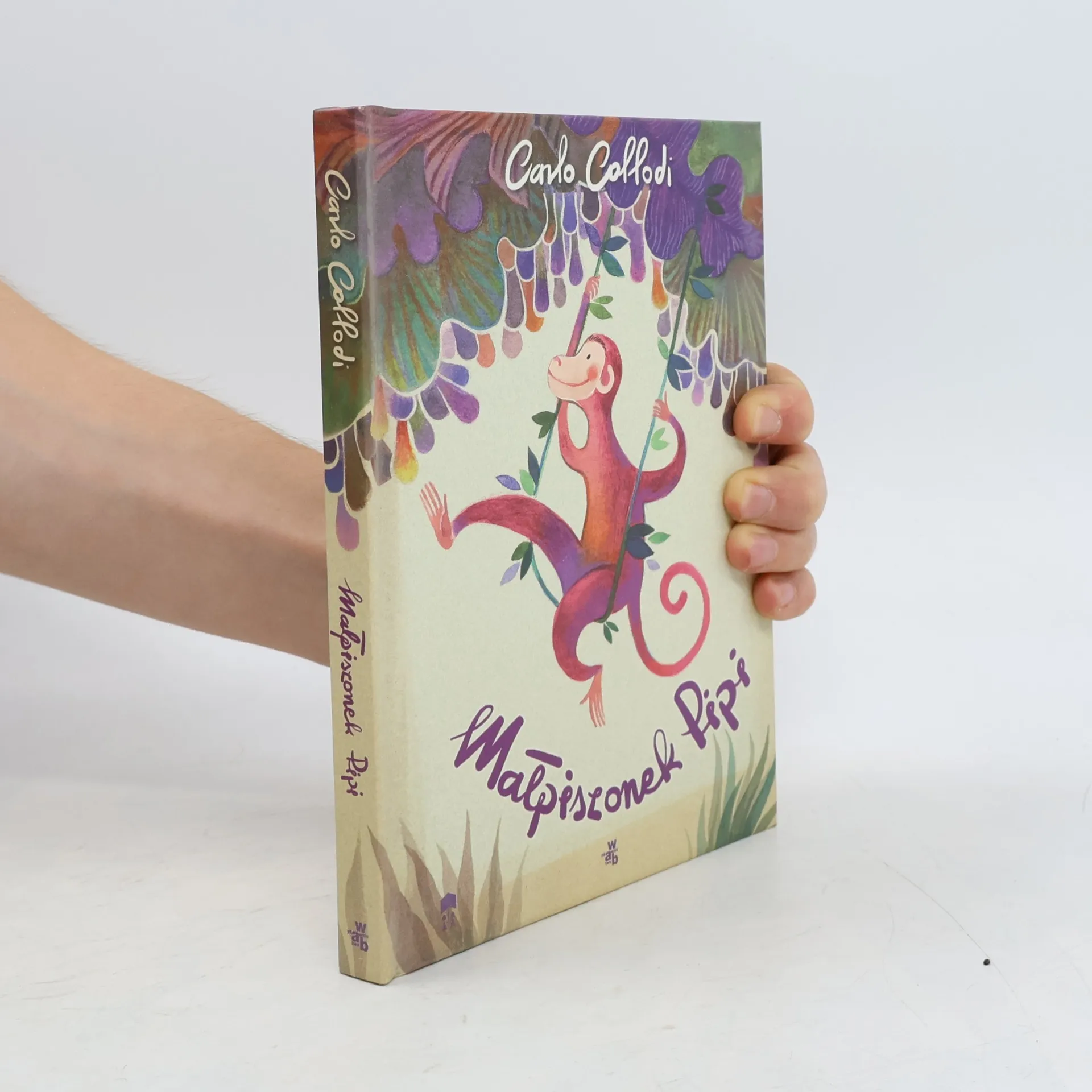
    Małpiszonek Pipi
    Written in Water
    • Written in Water

      • 320 stron
      • 12 godzin czytania

      On 17th September 1820, accompanied by his friend Joseph Severn, John Keats left London for Italy on board the Maria Crowther in a desperate bid to restore his health. Anguished at the thought of having to part, possibly for ever, from his fiancée and his friends, troubled by money worries and broken in body and mind, the young poet launched on his last journey on earth with both a sense of hope and a deep foreboding that his efforts would be in vain. Despite Keats's own assertion that by then he no longer felt a citizen of the world and was leading a “posthumous life”, his final five months were filled with events of great biographical interest, and deserve to be examined much more carefully. Using exclusively primary sources and first-hand accounts, Keats's editor and translator Alessandro Gallenzi has pieced together all the available material – adding newly discovered and previously unpublished documents – to help the reader follow the poet step by step from his departure and tumultuous voyage to Naples, through to his arduous journey to Rome and harrowing death in his lodgings by the Spanish Steps in February 1821. The result is a gripping narrative packed with detail and new revelations, one that invites us to strip away the Romantic patina that has formed over the story of Keats's short life, offering a wider picture that enhances our understanding of both poet and man.

      Written in Water
      3,9
    • Małpiszonek Pipi

      • 96 stron
      • 4 godziny czytania

      „Pipi” to w małpim języku różowy. Takiego koloru jest właśnie małpiszonek Pipi. W dodatku nie ma ogona. Nie czuje się z tym najlepiej, więc postanawia opuścić swoje stado. Trafia do pałacu panicza Alfreda, który natychmiast się z nim zaprzyjaźnia i proponuje, aby został jego służącym. Małpiszonek zgadza się, skuszony podarunkiem z owoców, pomysł przestaje mu się jednak podobać, gdy zostaje przebrany za człowieka. Kiedy w lustrze widzi siebie we fraku i w bucikach, przeraża go, że jest tak podobny do chłopca, i ucieka. To zdarzenie rozpoczyna całą serię przygód. Bohater wielokrotnie wpada w tarapaty, możemy jednak być pewni, że za każdym razem wyjdzie z nich obronną... łapką. W 1883 roku Carlo Collodi ogłosił na łamach „Il Giornale per Bambini”, że przygody jego najsłynniejszego bohatera – Pinokia – dobiegły końca. Nową postacią, którą wprowadził na karty czasopisma, była Pipí – psotna różowa małpka. Opowieść o jej przygodach w świecie zwierząt i ludzi ukazuje się w Polsce po raz pierwszy.

      Małpiszonek Pipi
      3,7
    • Irgendwohin

      • 288 stron
      • 11 godzin czytania

      Eine Jeans, drei Hemden, Unterwäsche, einen Pullover, eine Europakarte, Notizblock und Stift, zwei Bücher und ein Interrail-Ticket – das ist alles, was Francesco im Gepäck hat, als er sein Elternhaus in der italienischen Provinz verlässt. Irgendwohin soll die Reise gehen, einen festen Plan hat er nicht. Da schubst ihn das Schicksal in Form einer alten Dame direkt beim ersten Halt vor die Füße des liebenswerten Hochstaplers Pierre, der in seinem Sportwagen vor gleich drei Frauen auf der Flucht ist.

      Irgendwohin
      2,7
    • Rape of the Lock

      • 32 strony
      • 2 godziny czytania

      Set against a backdrop of English aristocracy, this poem explores the absurdity of social norms through the lens of a trivial yet grave offense: the theft of a lock of hair. By elevating this minor incident to cosmic significance, it satirizes the values and behaviors of the upper class, highlighting the clash between the mundane and the divine. Pope's work cleverly critiques societal priorities while weaving together themes of honor, vanity, and the consequences of human folly.

      Rape of the Lock
      3,6
    • Bestseller

      • 268 stron
      • 10 godzin czytania

      Jim Talbot, věčný smolař, jenž se svými literárními pokusy u nakladatelů ne a ne pochodit, je ochoten kvůli vytouženému úspěchu obětovat duši i nemocnou matku. Charles Randall naopak ztělesňuje svérázného starosvětského vydavatele, který byl právě „odejit“ po třicetileté službě kvalitní literatuře jen proto, že parta finančních šíbrů hodlá z jeho nakladatelství učinit ukázkově výdělečnou položku nesourodého podnikatelského konglomerátu. V ovzduší plném intrik se tito dva vášniví zastánci psaného slova tu a tam míjejí, ale nestřetnou. Prvotřídní britská satira, kterou autor pojal jako tragikomedii mravů, je zároveň zoufalou fraškou nakladatelského podnikání pronásledovaného „červenými čísly“ a věčným čekáním na bestseller. Gallenzi, jenž sám patří k hrstce bojovníků na poli nekomerční literatury, líčí s ironickou škodolibostí britský „jarmark marnosti“, pro nějž se kniha stala výhradně zbožím – vždyť průměrně se v této světové vydavatelské velmoci prodá od titulu pouhých třicet výtisků. Každý druhý Brit přitom touží napodobit autorku Harryho Pottera a sní o pohádkovém jmění, jež získá sepsáním vlastní knihy; mnozí kvůli tomu absolvují kurzy „tvůrčího psaní“ a pak spisují ostošest. Autorský úspěch na poli literatury je ovšem mimořádně vrtkavá záležitost, a stejně tak úspěch nakladatelský. Anglický humor a vtip zato konkurenci nemá. Vydání první

      Bestseller
      3,3