


Bookbot

Ivan Krastev

    1 stycznia 1965
    Ivan Krastev
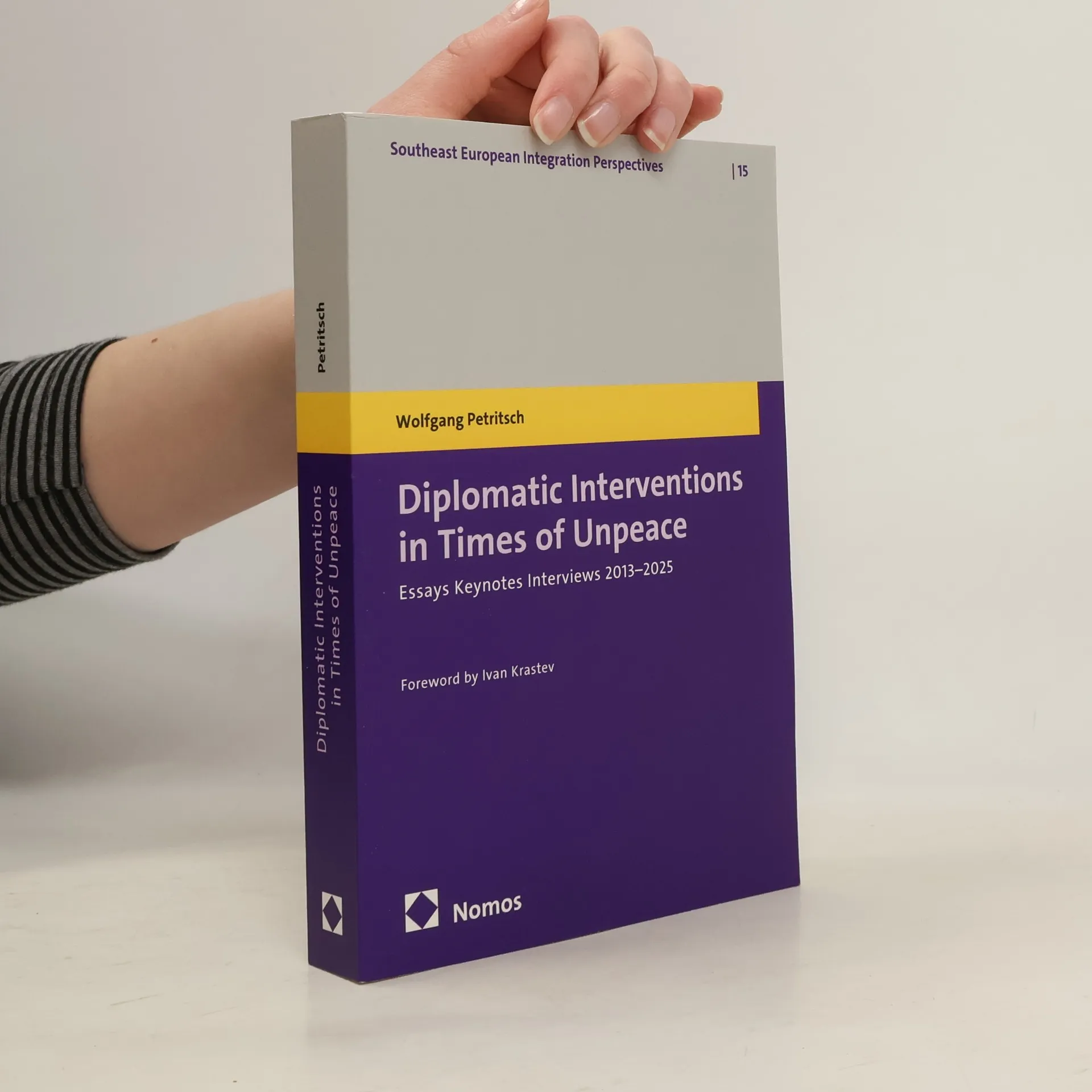
    Southeast European Integration Perspectives - 15: Diplomatic Interventions in Times of Unpeace
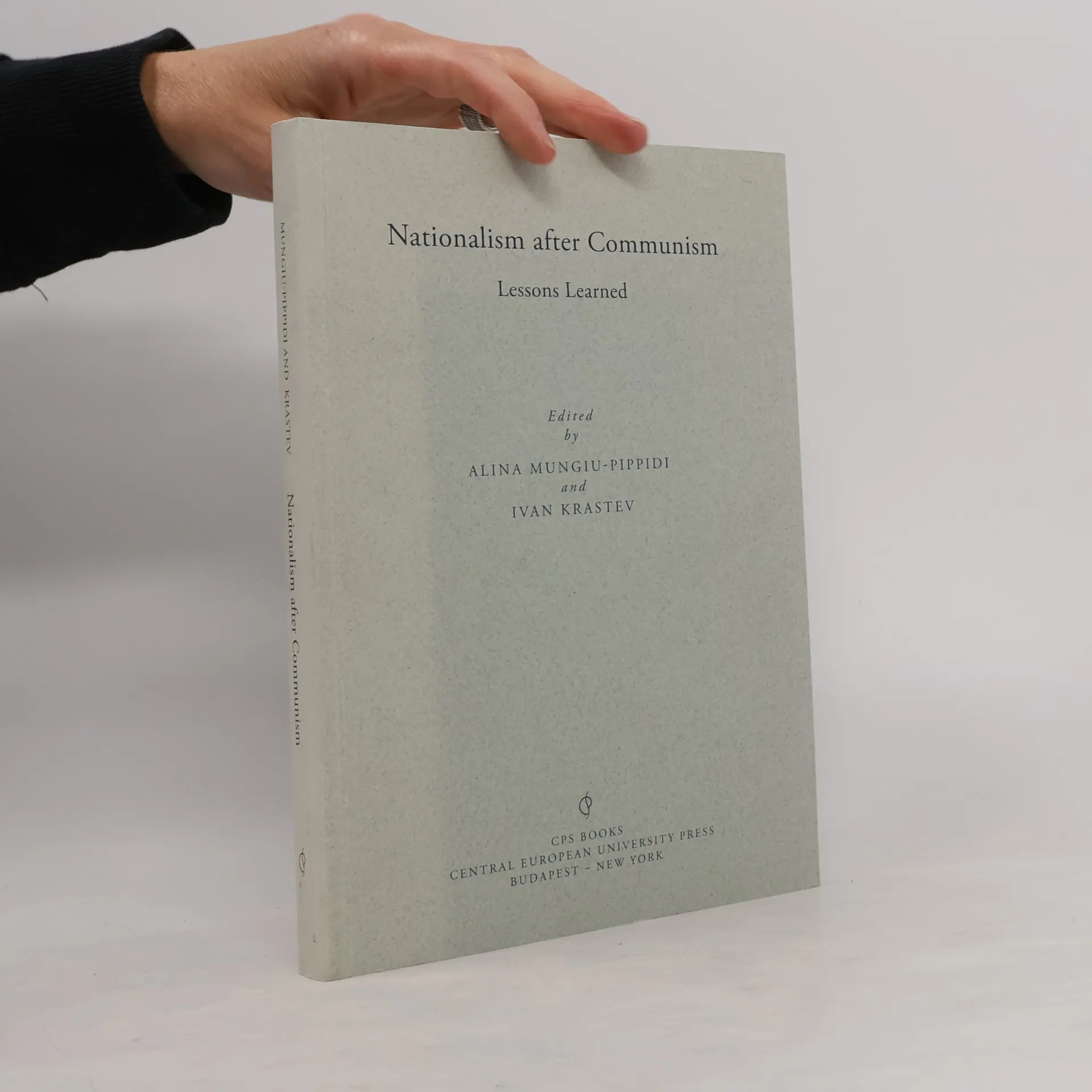
    Nationalism After Communism
    Nationalism After Communism
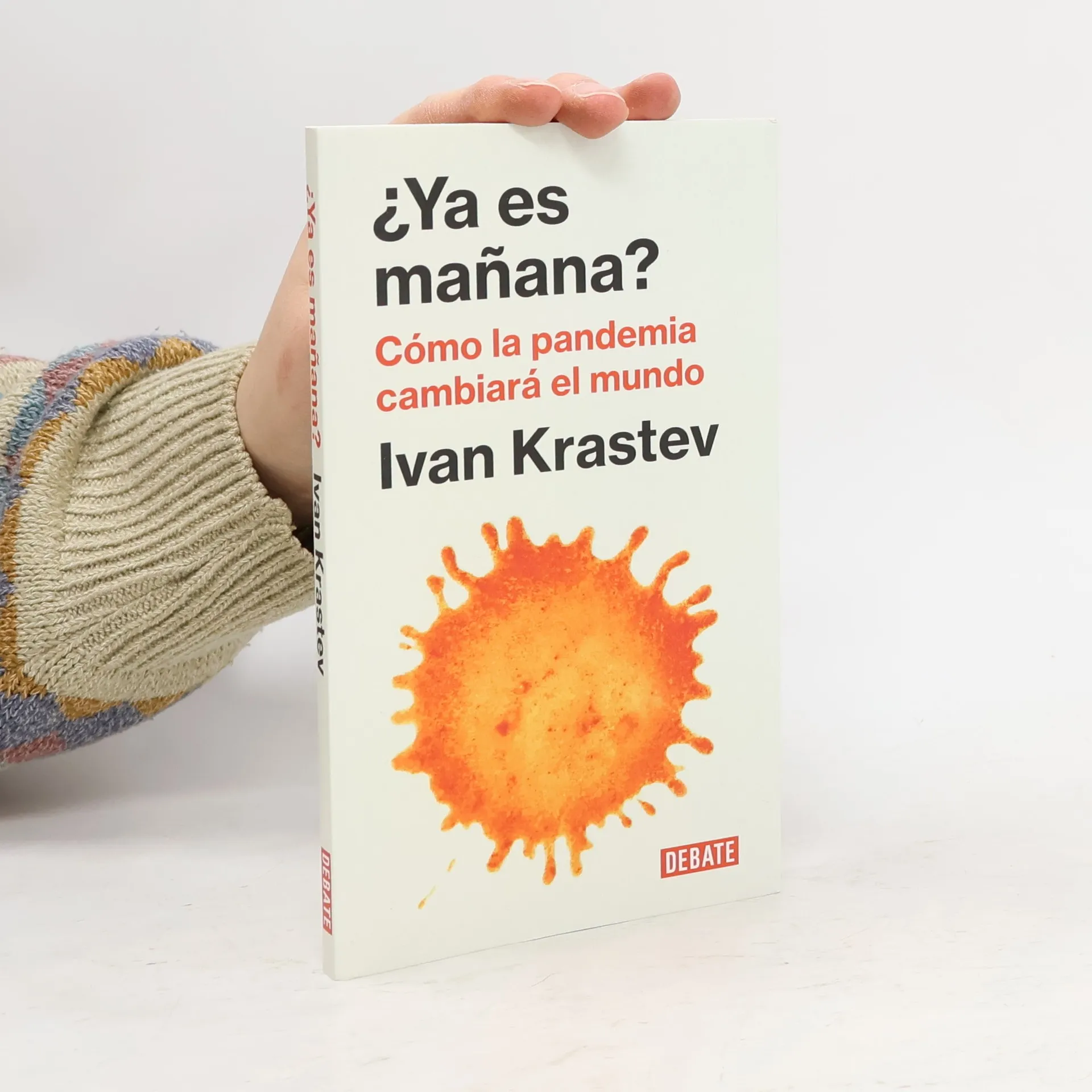
    Is It Tomorrow Yet?
    Co po Europie?
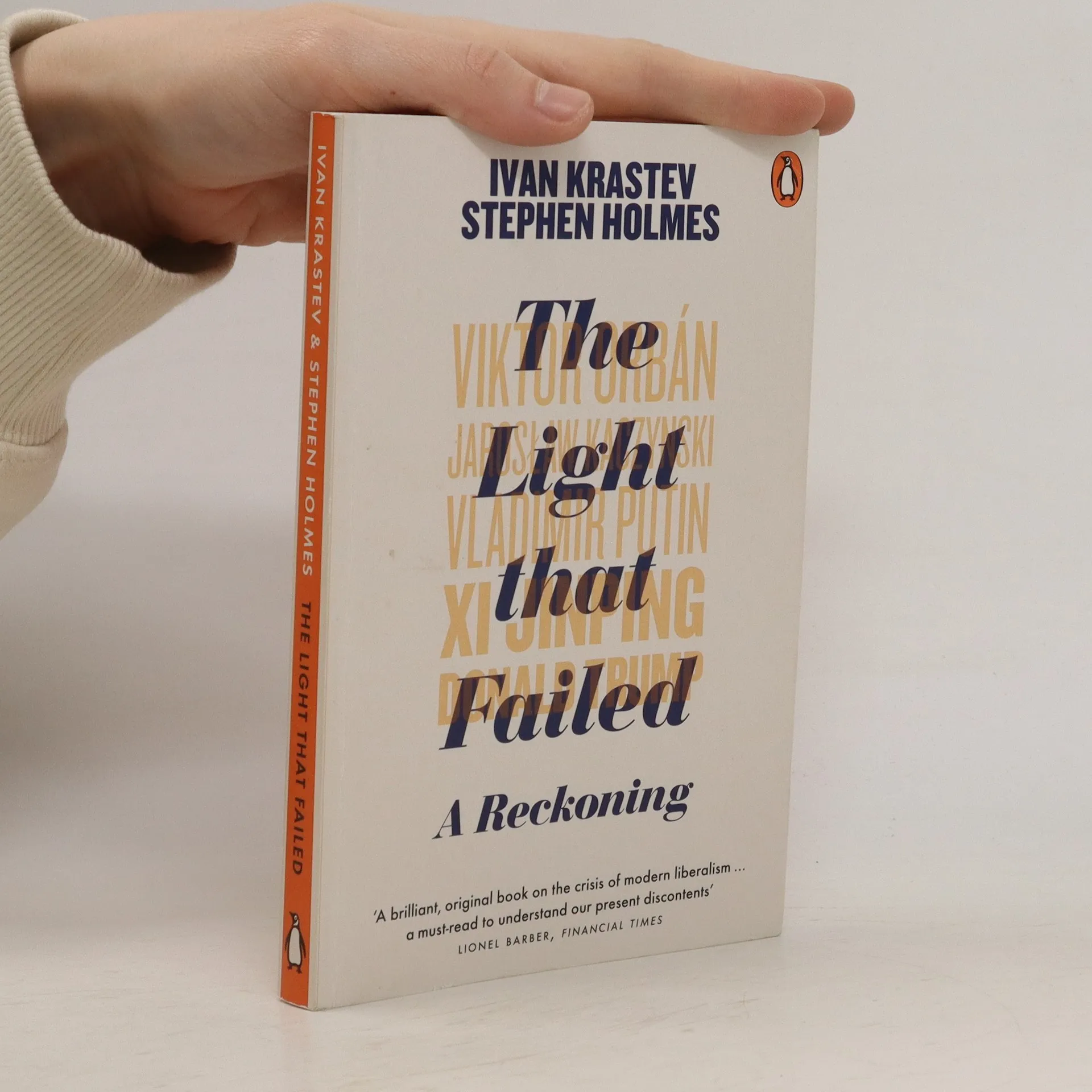
    The light that failed. A Reckoning
    • The light that failed. A Reckoning

      • 256 stron
      • 9 godzin czytania

      Why did the West, after winning the Cold War, lose its political balance? In the early 1990s, hopes for the eastward spread of liberal democracy were high. And yet the transformation of Eastern European countries gave rise to a bitter repudiation of liberalism itself, not only there but also back in the heartland of the West. In this work of political psychology, Ivan Krastev and Stephen Holmes argue that the supposed end of history turned out to be only the beginning of an Age of Imitation. Reckoning with the history of the last thirty years, they show that the most powerful force behind the wave of populist xenophobia that began in Eastern Europe stems from resentment at the post-1989 imperative to become Westernized. Through this prism, the Trump revolution represents an ironic fulfillment of the promise that the nations exiting from communist rule would come to resemble the United States. In a strange twist, Trump has elevated Putin's Russia and Orbán's Hungary into models for the United States.

      The light that failed. A Reckoning
      4,2
    • Co po Europie?

      • 144 strony
      • 6 godzin czytania

      Unia Europejska się rozpada. Coraz głośniej słychać skrajne partie prawicowe i populistów. Wielka Brytania opuszcza wspólnotę. Kolejne kraje rozdziera polityczna destabilizacja wywołana przez fale emigracji z Bliskiego Wschodu, Północnej Afryki i Azji Południowej. Wschodniej flance Unii coraz bardziej zagraża Putinowska Rosja. Co czeka zatem Europę? Jaką przyszłość ma projekt europejski? I czy w ogóle ma przyszłość? W krótkiej, pisanej ze swadą książce, Iwan Krastew, jeden z najważniejszych europejskich intelektualistów, na przekór utartym opiniom pokazuje, że odpowiedzią na ten stan rzeczy nie jest ani przesadny optymizm, ani pesymistyczna rezygnacja. Potrzeba nam raczej wiary w Europę, ale Europę już inną niż ta, do której zdążyliśmy się przyzwyczaić. Gdy czyta się tę książkę, ma się wrażenie, że jest się w towarzystwie jednego z największych współczesnych umysłów Europy. Łącząc we właściwy dla siebie sposób wnikliwość i współczucie, Iwan Krastew daje nam w tym pogłębionym eseju dokładnie to, czego potrzebujemy, by zrozumieć, na czym polega kryzys Europy. Timothy Snyder, Yale University

      Co po Europie?
      4,1
    • Is It Tomorrow Yet?

      • 96 stron
      • 4 godziny czytania

      A FINANCIAL TIMES BOOK OF THE YEAR One of our most scintillating public intellectuals explores the political paradoxes of the pandemic and helps us think our way through it 'We are able to imagine anything because we are being besieged by something that was considered unimaginable...' Beneath the panic and bluster, beneath the confusing speeches and the conflicting advice, the Coronavirus pandemic acted, changing our world in the most profound ways. The tragic human cost and the economic devastation will be assessed and calculated for decades to come. But the pandemic also changed things in ways that are less easily expressed and understood. It has made bare the frayed contradictions of modern life. It has distorted things that seemed simple and settled. It has affirmed plain, uncomfortable truths. In this brilliant, thought-provoking essay, Ivan Krastev, one of our most interesting thinkers today, explores the pandemic's immediate consequences and conceives of its long-term legacy. Will things be different for the communities most harmed, and for those who escaped the worst? Where are we now with the US and China, with the UK and Europe? And how do we think our way through the unthinkable?

      Is It Tomorrow Yet?
      3,6
    • Nationalism After Communism

      Lessons Learned

      • 286 stron
      • 11 godzin czytania

      What if a policymaker tasked with creating a peace arrangement in an ethnic conflict sought practical wisdom from the theory of ethnic conflict and nationalism? This book examines the intersection of academic theory and the realities faced by policymakers who must foster interethnic peace with limited resources and time. It explores the postcommunist experience of ethnic revival and conflict, comparing it to other nationalisms and assessing best practices for managing ethnic conflicts within and between states. The introductory chapter provides a theoretical overview of recent research on nationalism and ethnic conflict relevant to policymaking. Subsequent chapters delve into the political economy of ethnicity, with Vladimir Gligorov analyzing the incentives that led to the fragmentation of Yugoslavia and the efforts to unify it. Charles King investigates the small separatist republics of the post-Soviet landscape, while Gerald Knause and collaborators examine the challenges of equitable governance between ethnic groups in Macedonia. Alina Mungiu-Pippidi tests primordial hypotheses through public opinion surveys in several countries. Valerie Bunce and Philip Roeder critically assess political institutions aimed at preventing ethnic conflict, while Florian Bieber and Mathijs Bogaards evaluate power-sharing arrangements and voting systems in the Balkans. The book concludes with a review of policy options by the editors.

      Nationalism After Communism
    • Lehren für Europa

      22 Essays zur Zukunft unseres Kontinents

      • 358 stron
      • 13 godzin czytania

      22 Essays prominenter Autorinnen und Autoren erklären den Zustand Europas und der Europäischen Union. Sie sezieren die Geschichte des Kontinents und treffen Vorhersagen für die politische und ökonomische Zukunft Europas.

      Lehren für Europa