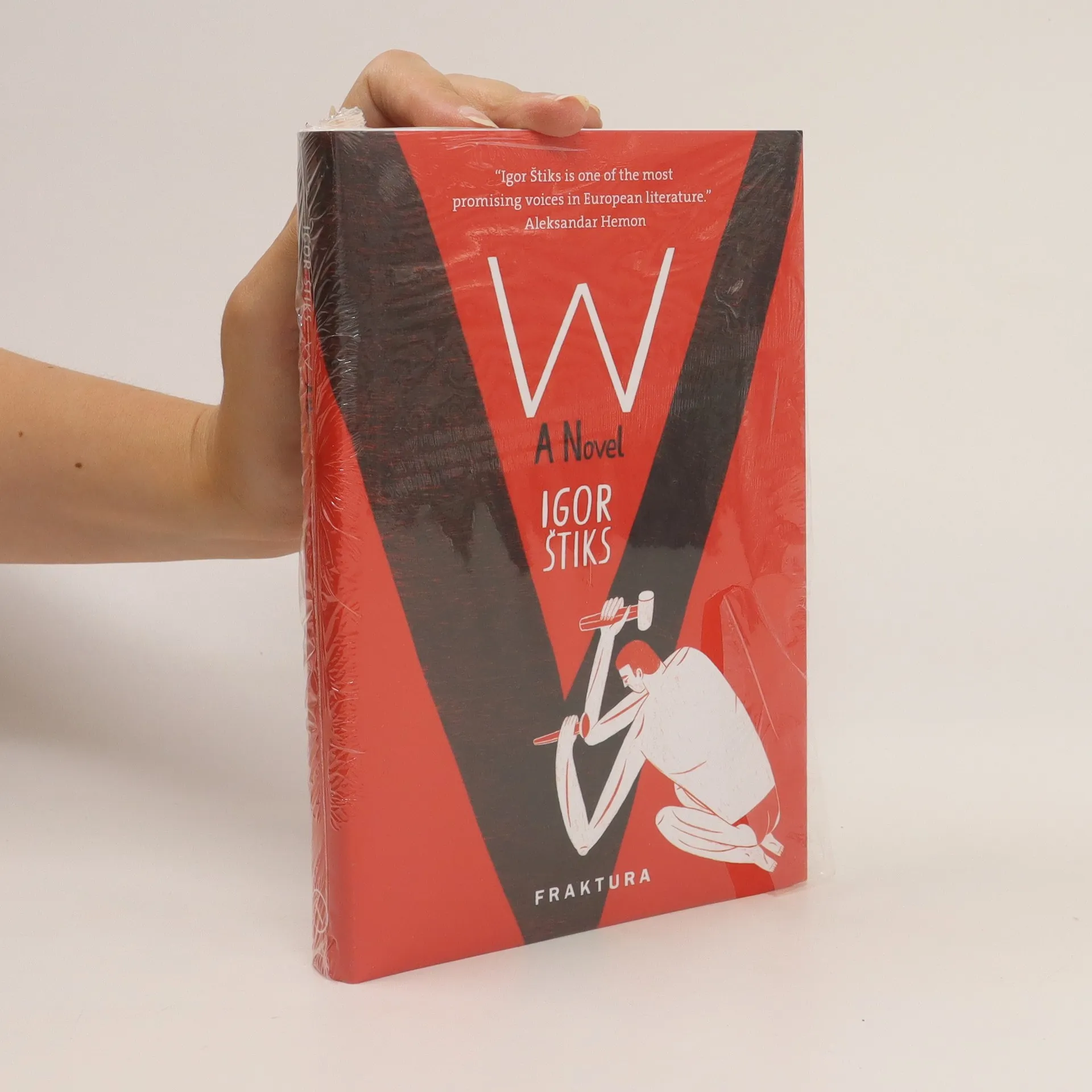
W. A Novel
- 344 strony
- 13 godzin czytania
Igor Štiks, a Parisian leftist intellectual, returns to the Adriatic after more than twenty-five years to read the will of Walter Stikler, a conservative French philosopher murdered on a Dalmatian island. There he meets the alluring activist Tessa Simon. The two slowly uncover a mysterious and tense story about Walter, who transformed from a leftist in 1968 into a leading right-wing thinker, and his friend Wladimir, an influential leftist militant whose terrorist writings always contained a dose of irony. The story unfolds as a political thriller of contemporary European history, leading Igor and Tessa to various parts of the continent. In their quest to unveil secrets, they travel to Igor's and Walter's hometown of Sarajevo. In their investigation, they discover not only the mystery of Walter's death but also Tessa's past and Igor's personal history. This novel, written in the style of the best Scandinavian thrillers, is full of intrigue and twists, providing a cross-section of the last half-century of European and global leftist struggles and failures. Its atmosphere and style evoke Paul Auster or Javier Cercas, and it is as thrilling as the series Babylon Berlin, leaving a strong impression on the reader.