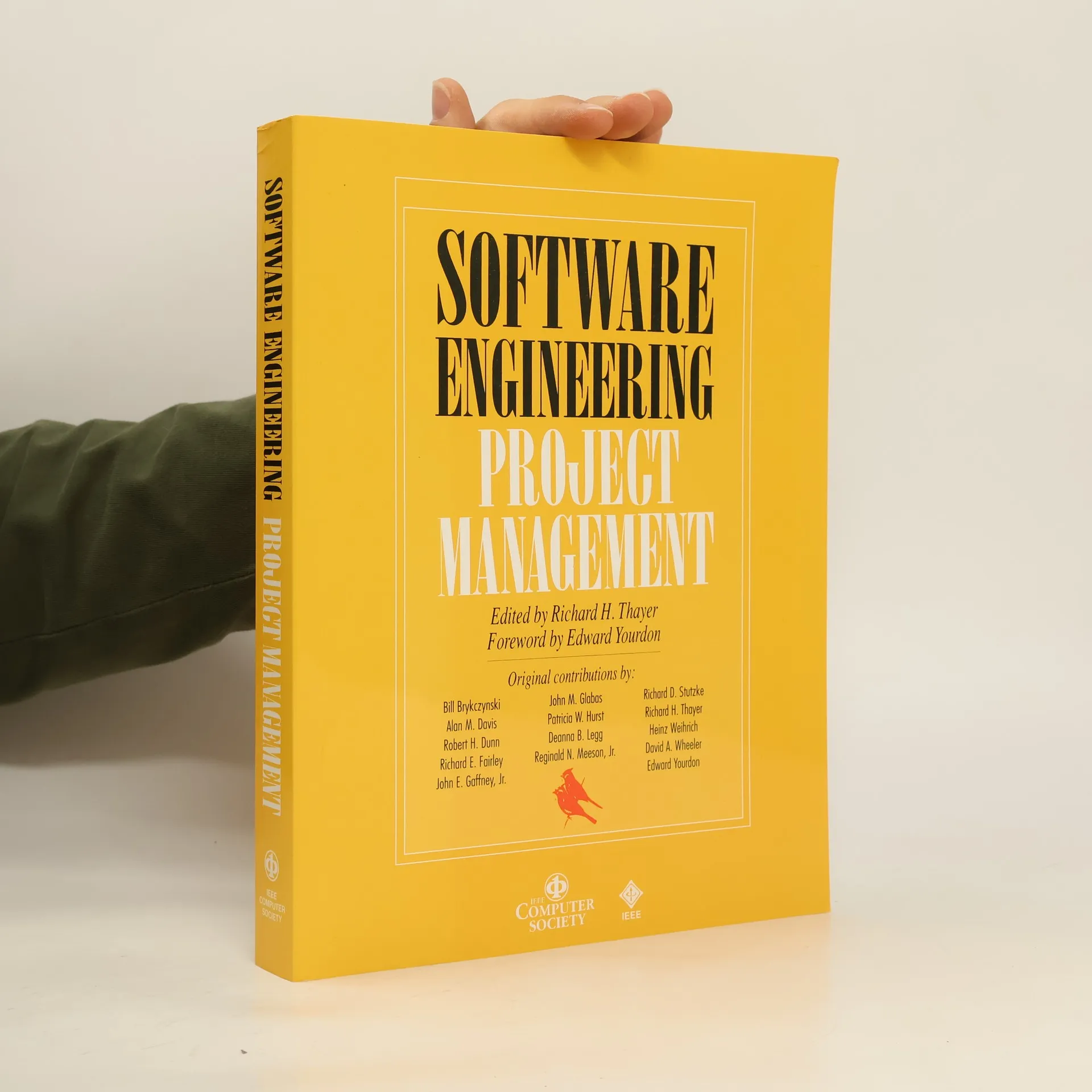
Newly revised for 2001, this second edition of Richard Thayer's popular, bestselling book presents a top-down, practical view of managing a successful software engineering project. The book builds a framework for project management activities based on the planning, organizing, staffing, directing, and controlling model. Thayer provides information designed to help you understand and successfully perform the unique role of a project manager.This book is a must for all project managers in the software field. The text focuses on the five functions of general management by first describing each function and then detailing the project management activities that support each function. This second edition shows you how to manage a software development project, discusses current software engineering management methodologies and techniques, and presents general descriptions and project management problems. The book serves as a guide for your future project management activities. The text also offers students sufficient background and instructional material to serve as a main or supplementary text for a course in software engineering project management. The 2001 revision includes a new Chapter 4 Introduction and a new paper that replaces an older paper.
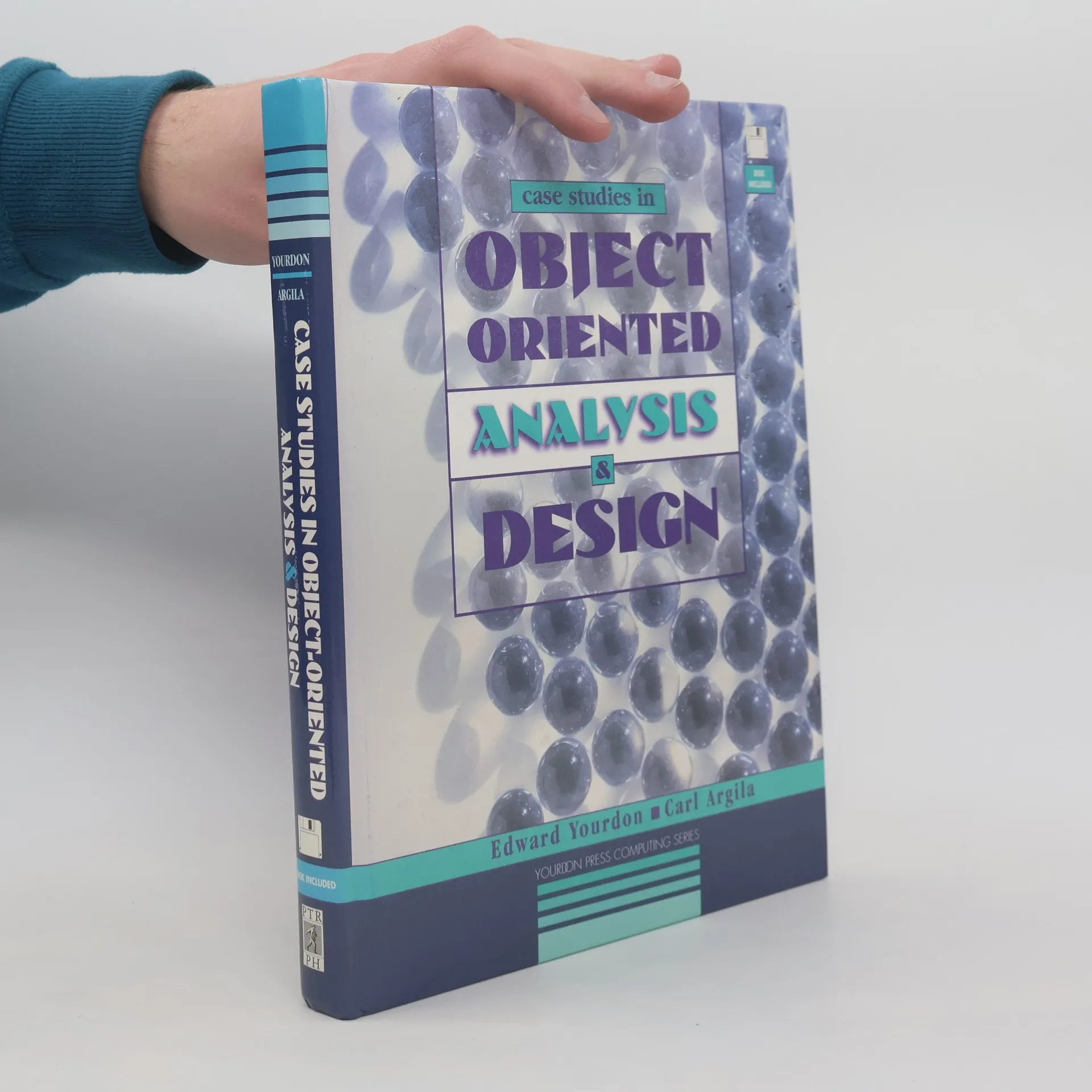
Written by a co-developer of one of the most popular OOA/OOD methods, this exceptionally practical and authoritative casebook shows how object-oriented analysis and design are actually practiced in developing real systems--i.e., shows the insight (rather than the technique) that was applied to each point in a solution--false starts and all.
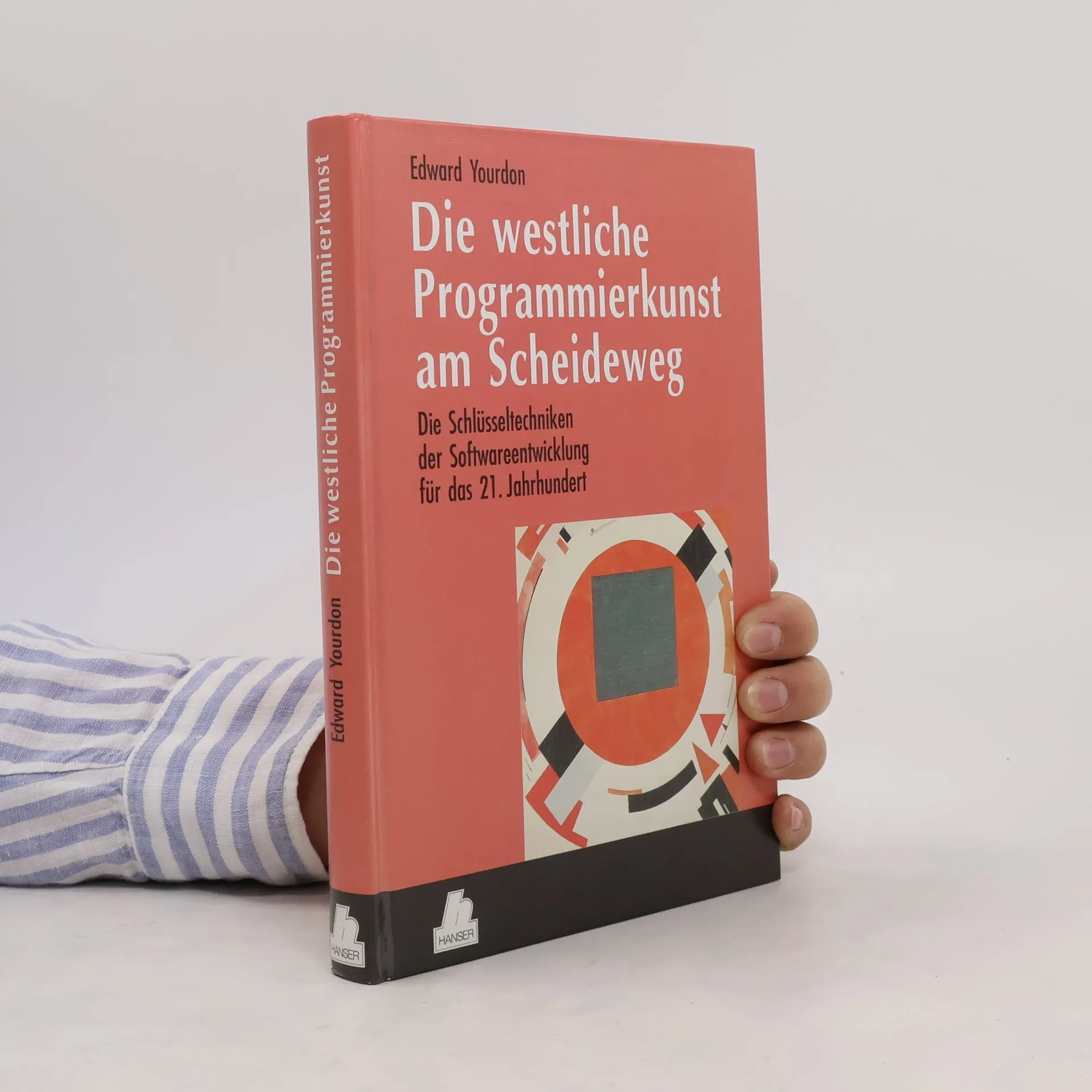
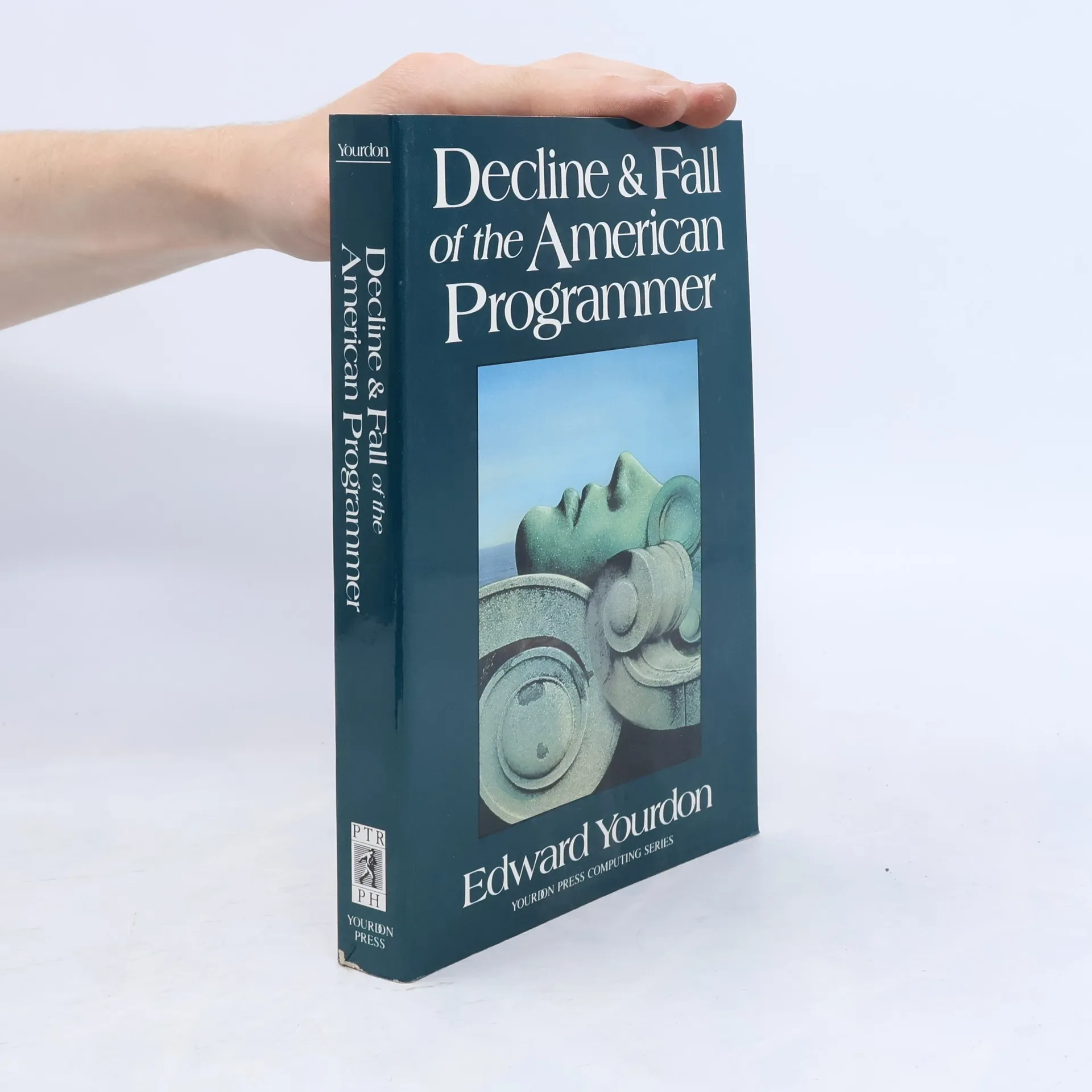
An overview of software engineering principles, techniques, and tools that draws some controversial conclusions as to the direction of software engineering and the career prospects of today's programmers. Annotation copyright Book News, Inc. Portland, Or.
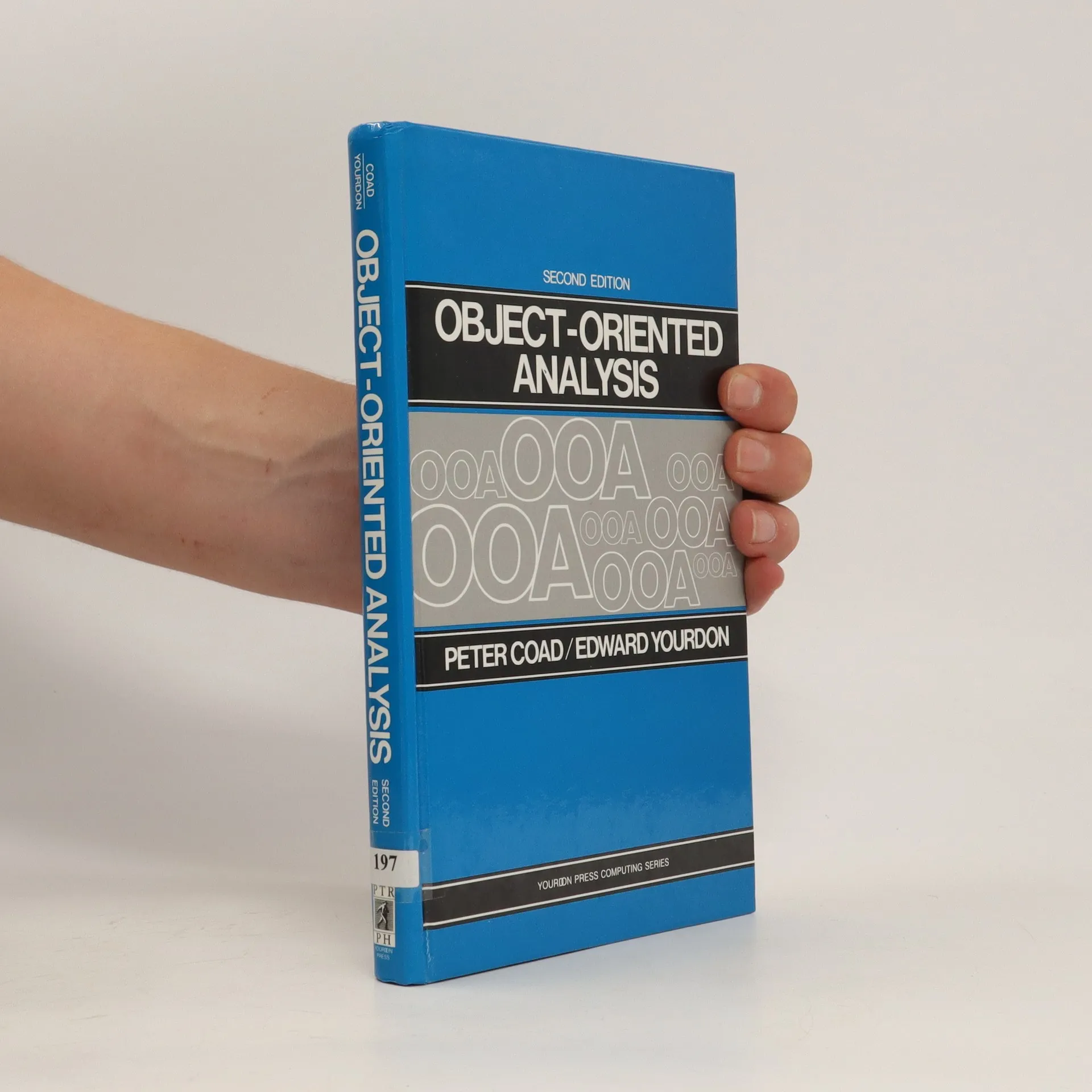
This highly respected guide to object-oriented programming has been updated to reflect the most recent advances in this still-evolving methodology. New material includes updated terminology; finding lasses and objects; defining attributes; defining services; object-oriented analysis and CASE; moving to object-oriented design. 7 x 9 1/4.
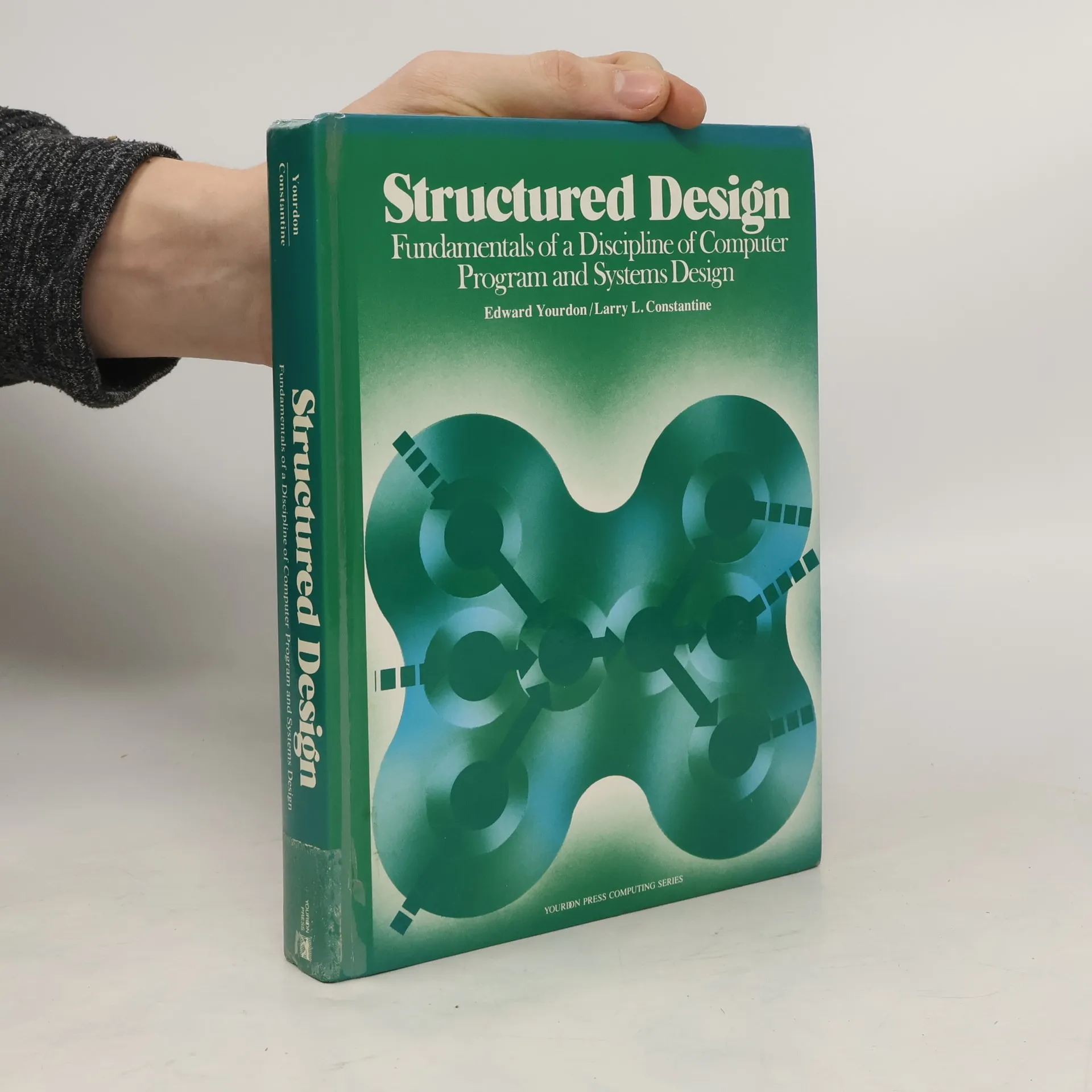
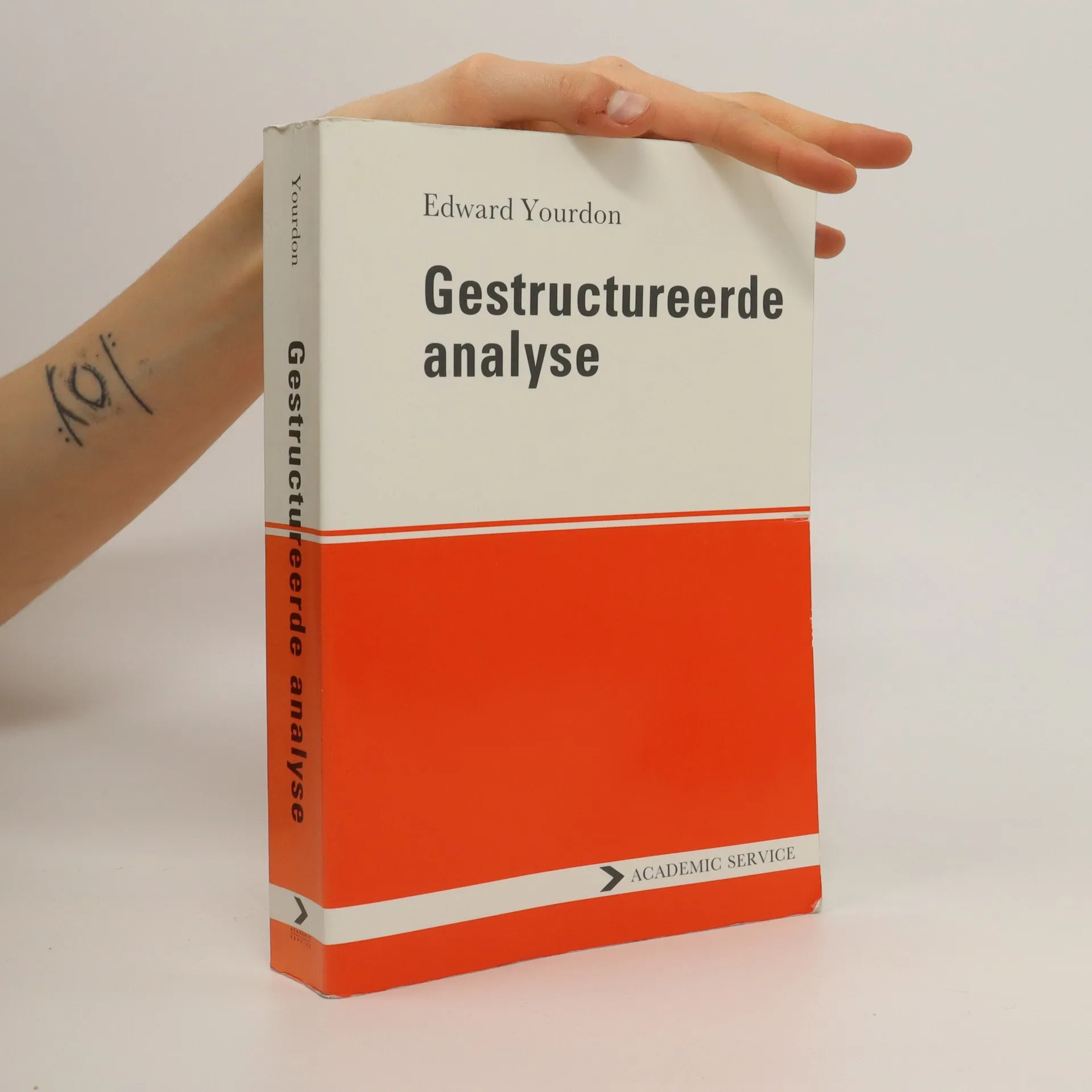
A valuable new approach to computer systems and program design, structured design is quickly becoming the standard industrial technique for significantly improving productivity, enhancing reliability, and lowering maintenance costs.