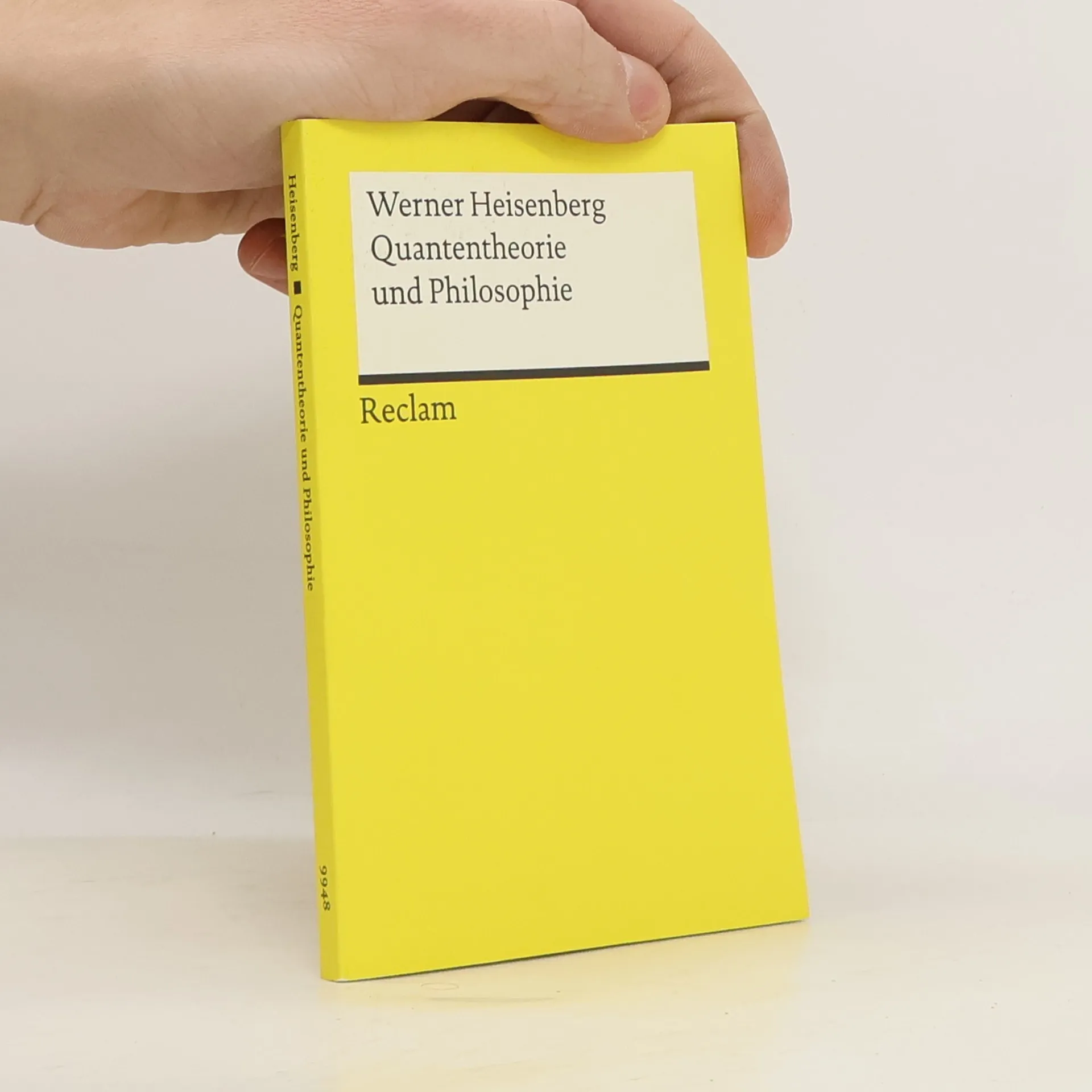
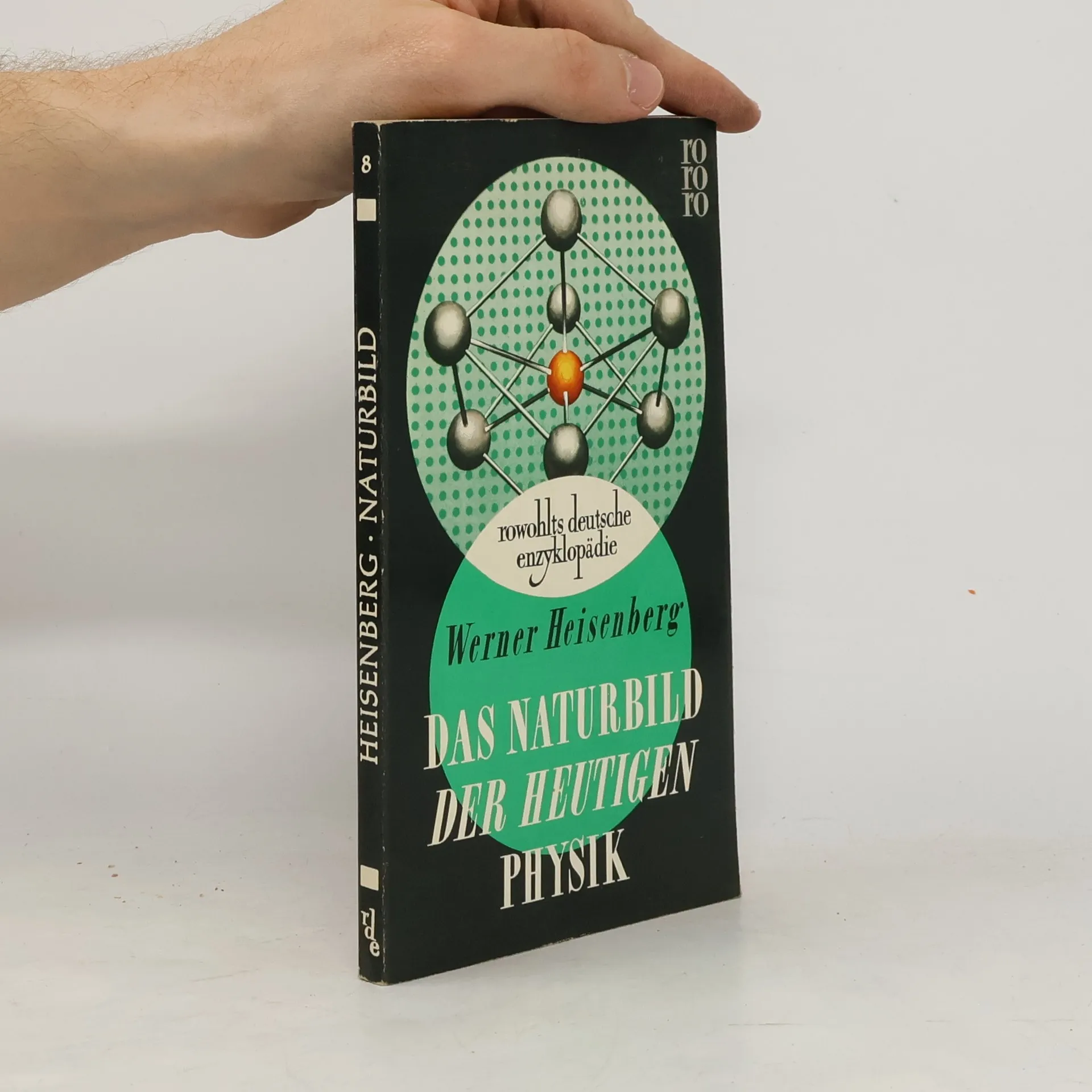
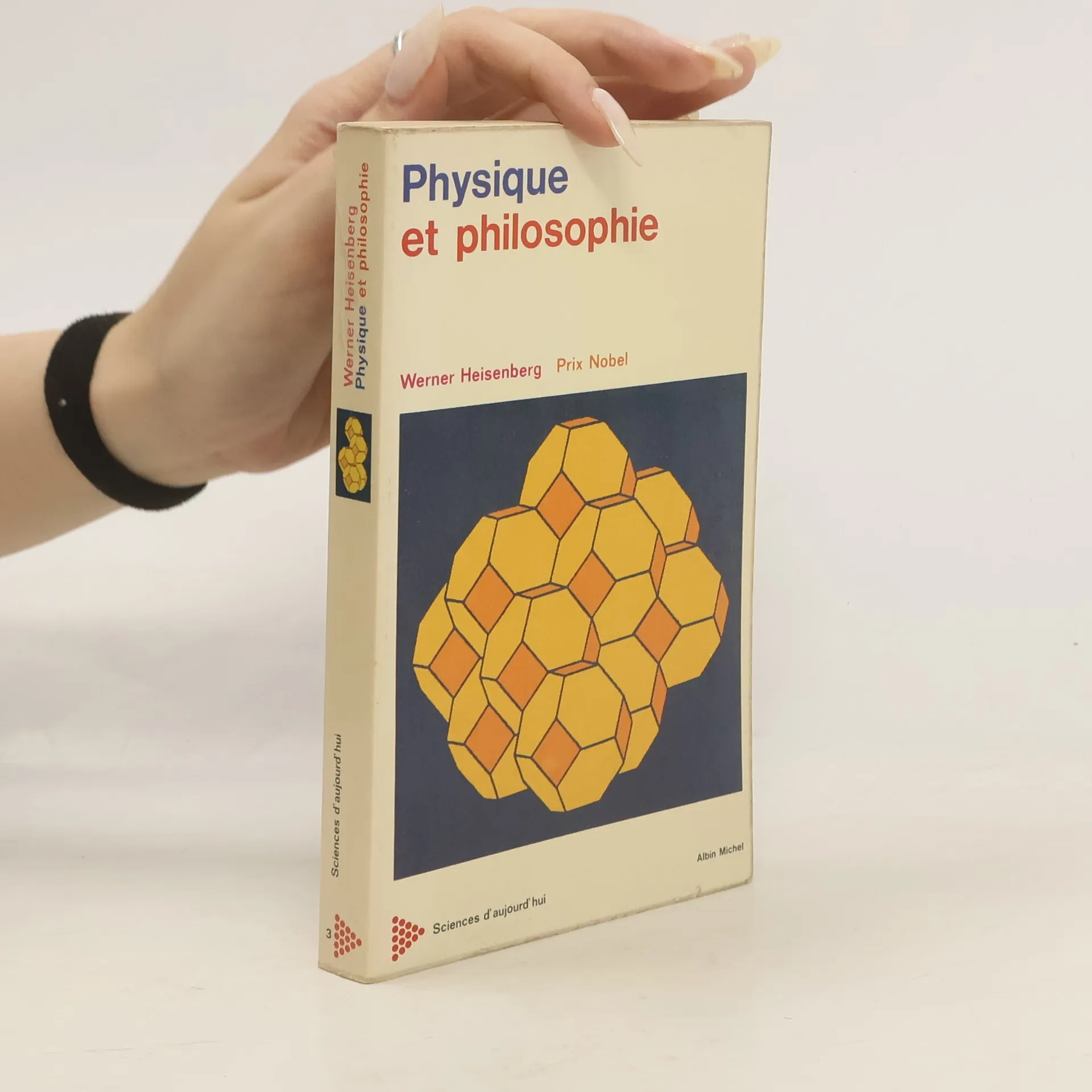
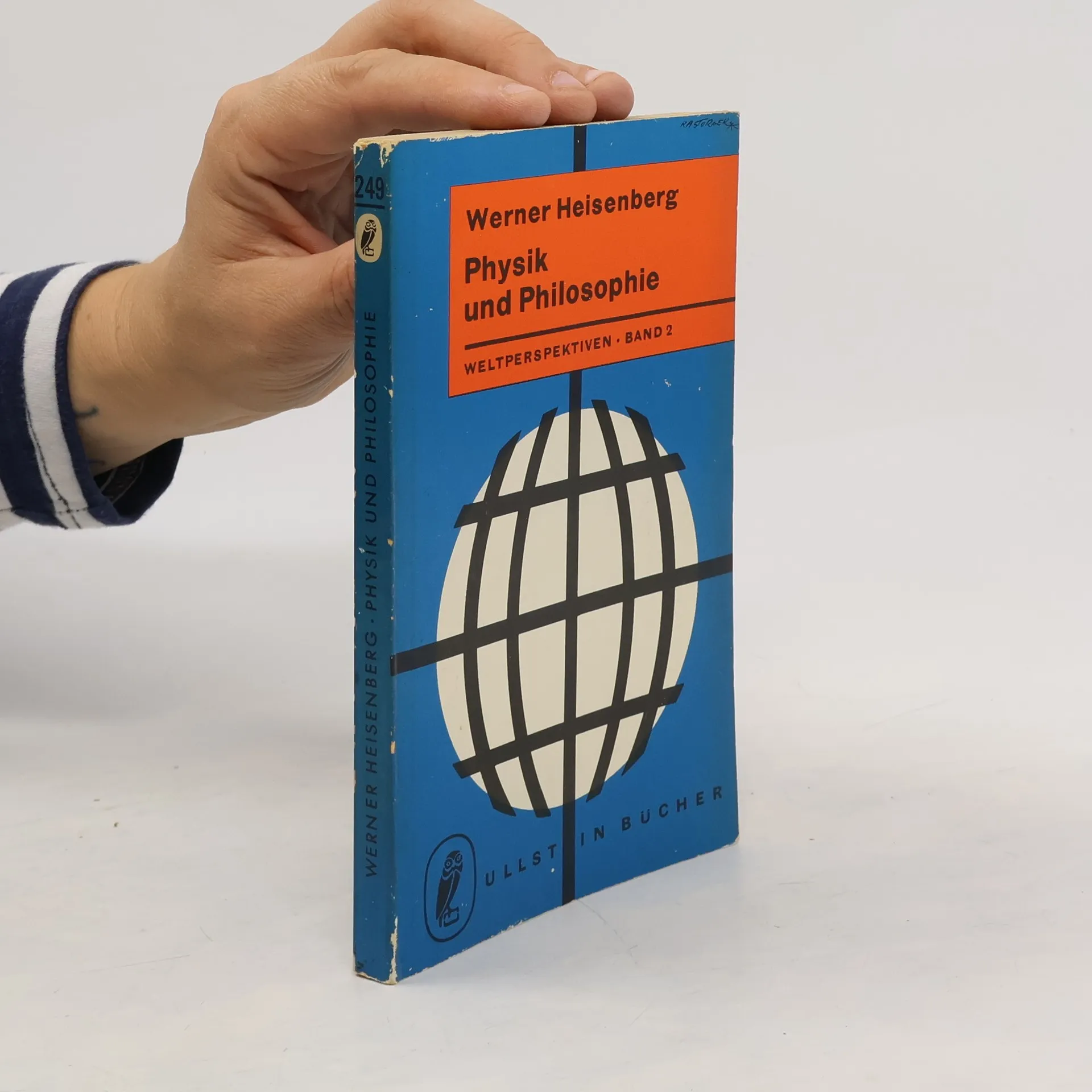
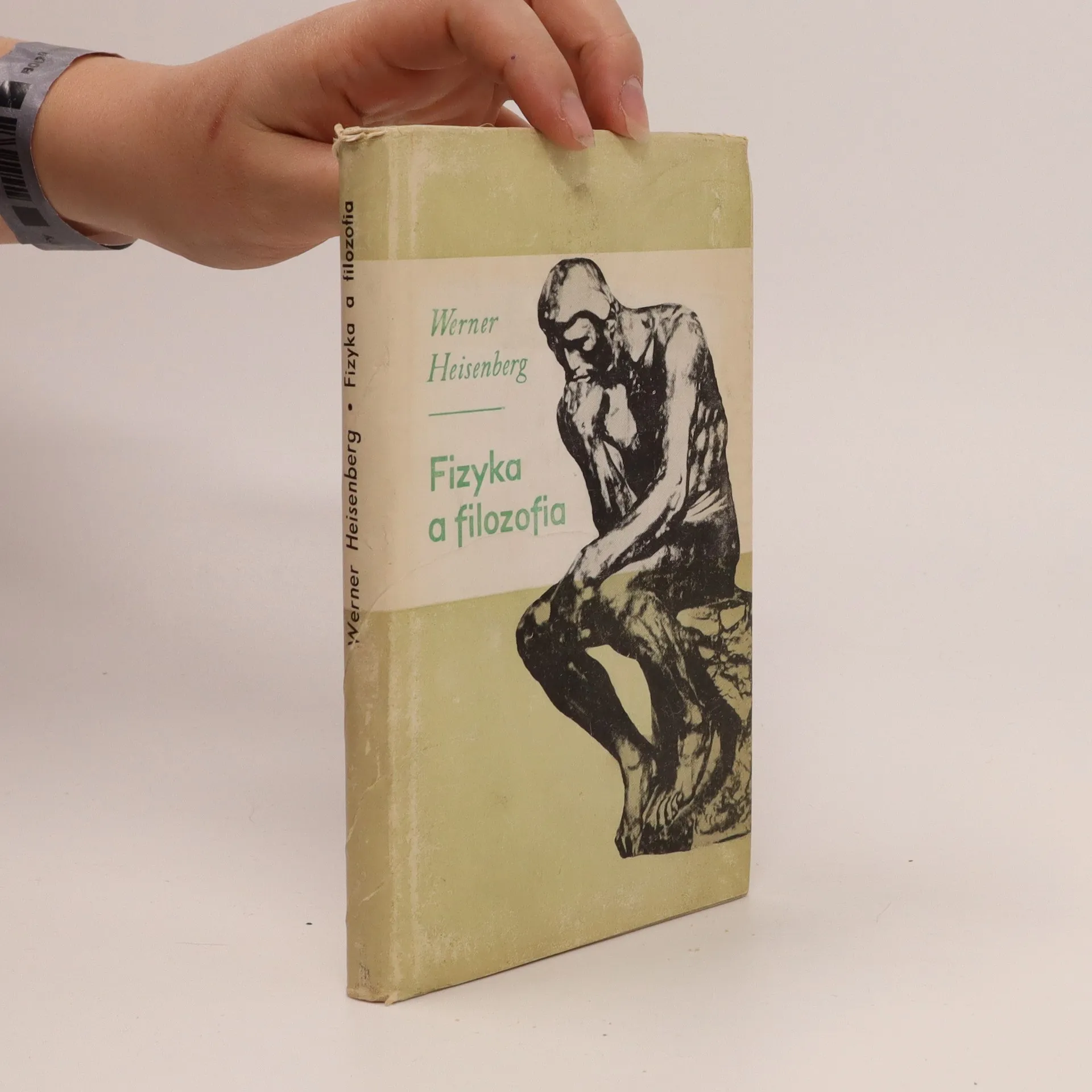
Książka "Fizyka a filozofia" niemieckiego fizyka Wernera Karla Heisenberga (1901-1976), laureata Nagrody Nobla (1932) za mechanikę kwantową, jest doskonałym przykładem dzieła, które zachowało swoją aktualność po ponad czterdziestu latach od pierwszego wydania. Książka, która powstała jako zapis wykładów autora na uniwersytecie w St. Andrews w Szkocji w latach 1955-56, wyjaśnia, jak naukowcy mogą wykorzystywać filozofię i jaki ma ona znaczenie dla nauki jako takiej. Heisenberg nie tylko dobrze rozumiał filozofię, ale także zrozumiał, że filozofia stanowi podstawę całej zachodniej kultury i cywilizacji, co odzwierciedla się w całej wiedzy naukowej. Nowoczesna fizyka na początku XX wieku przyniosła szereg przenikliwych zmian w wyobrażeniach o świecie, nowy sposób postrzegania pojęcia przestrzeni, czasu, przyczynowości oraz obiektywności poznania naukowego. Te nowe spojrzenia nieuchronnie wpływają także na ogólniejsze, filozoficzne rozumienie świata. Rozważania Heisenberga na temat procesu rozwoju poznania fizycznego są przedstawione w sposób bardzo zrozumiały nawet dla laików i dostarczają wielu cennych impulsów do myślenia tym, którzy chcą głębiej zrozumieć związek filozofii i nauk przyrodniczych.
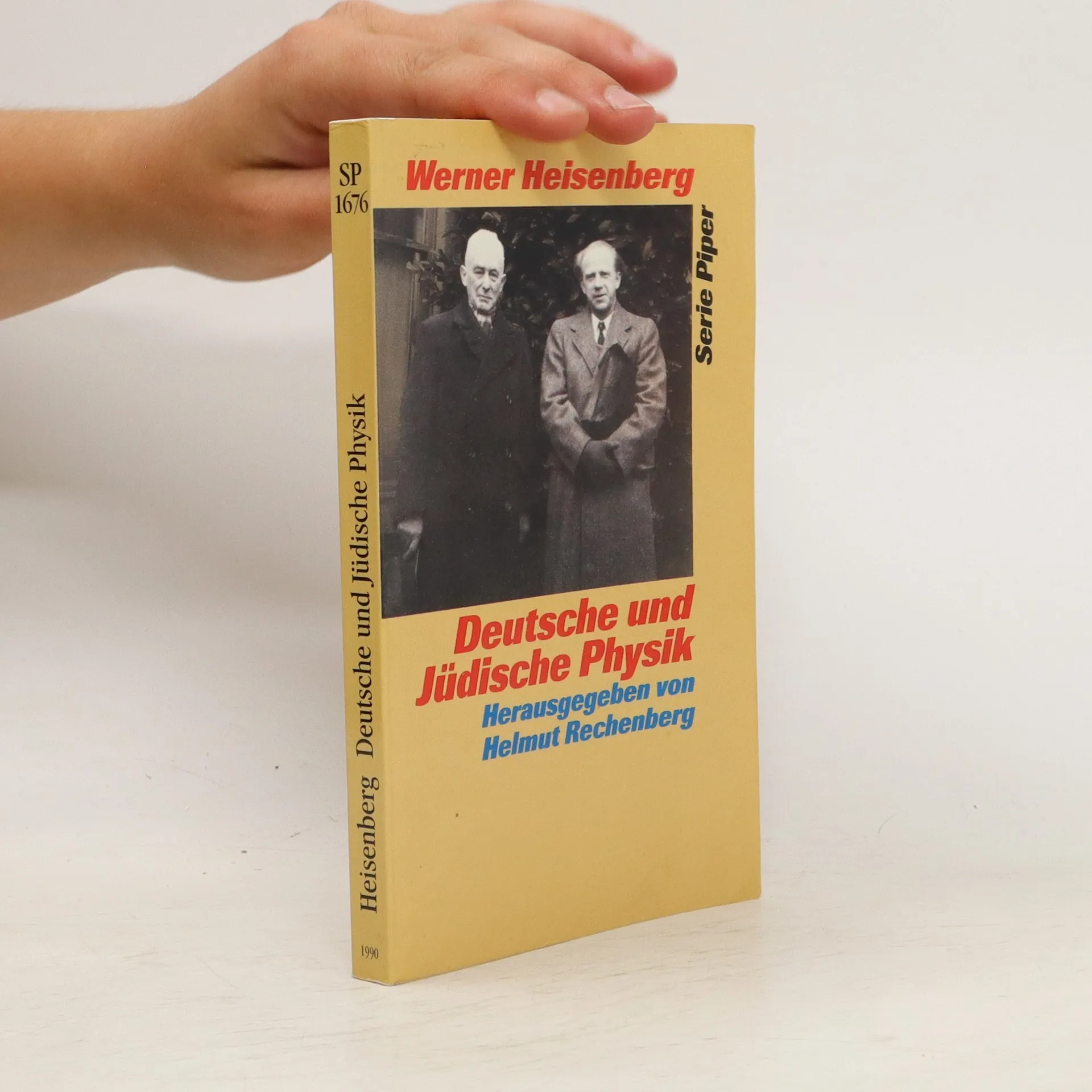
Werner Heisenberg Książki



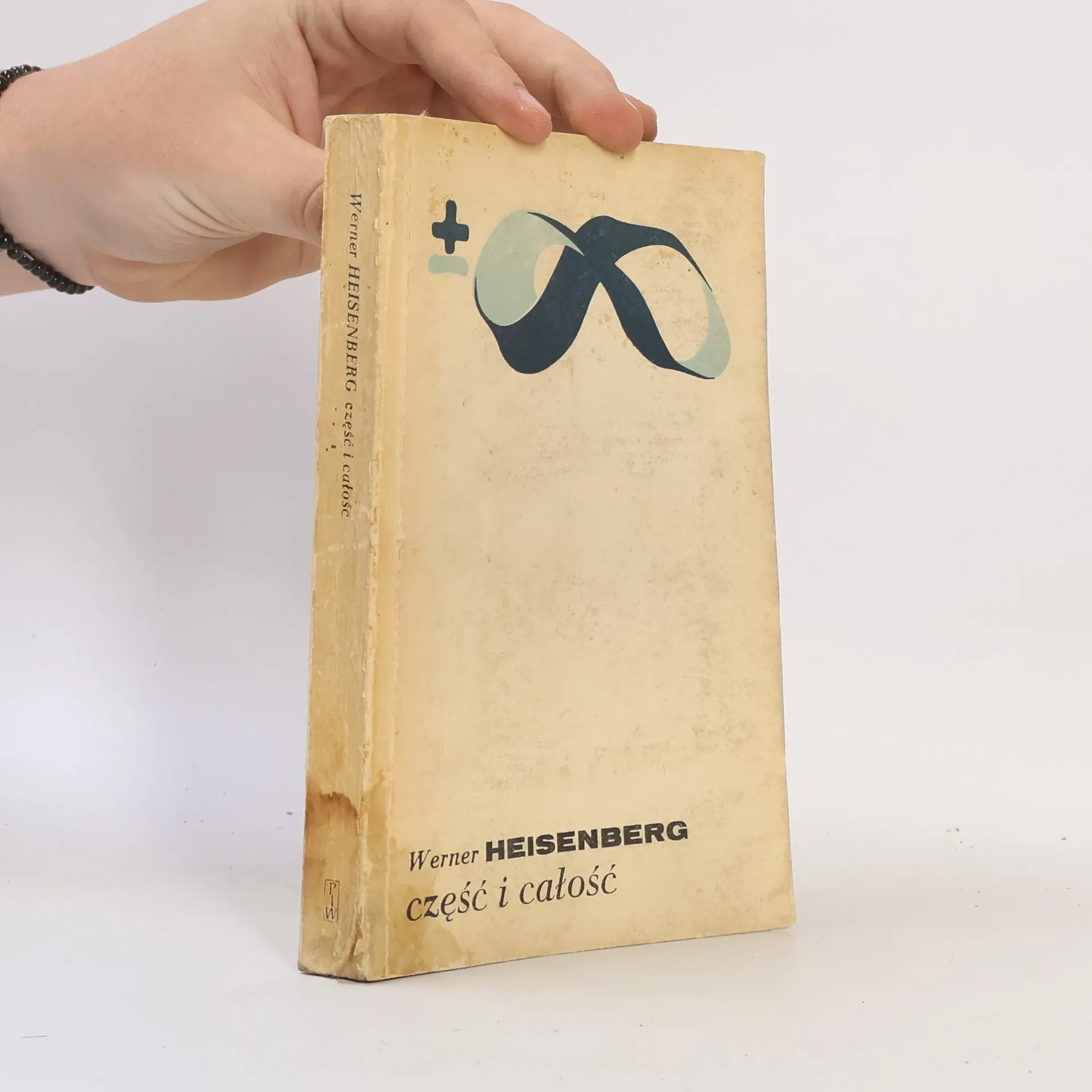
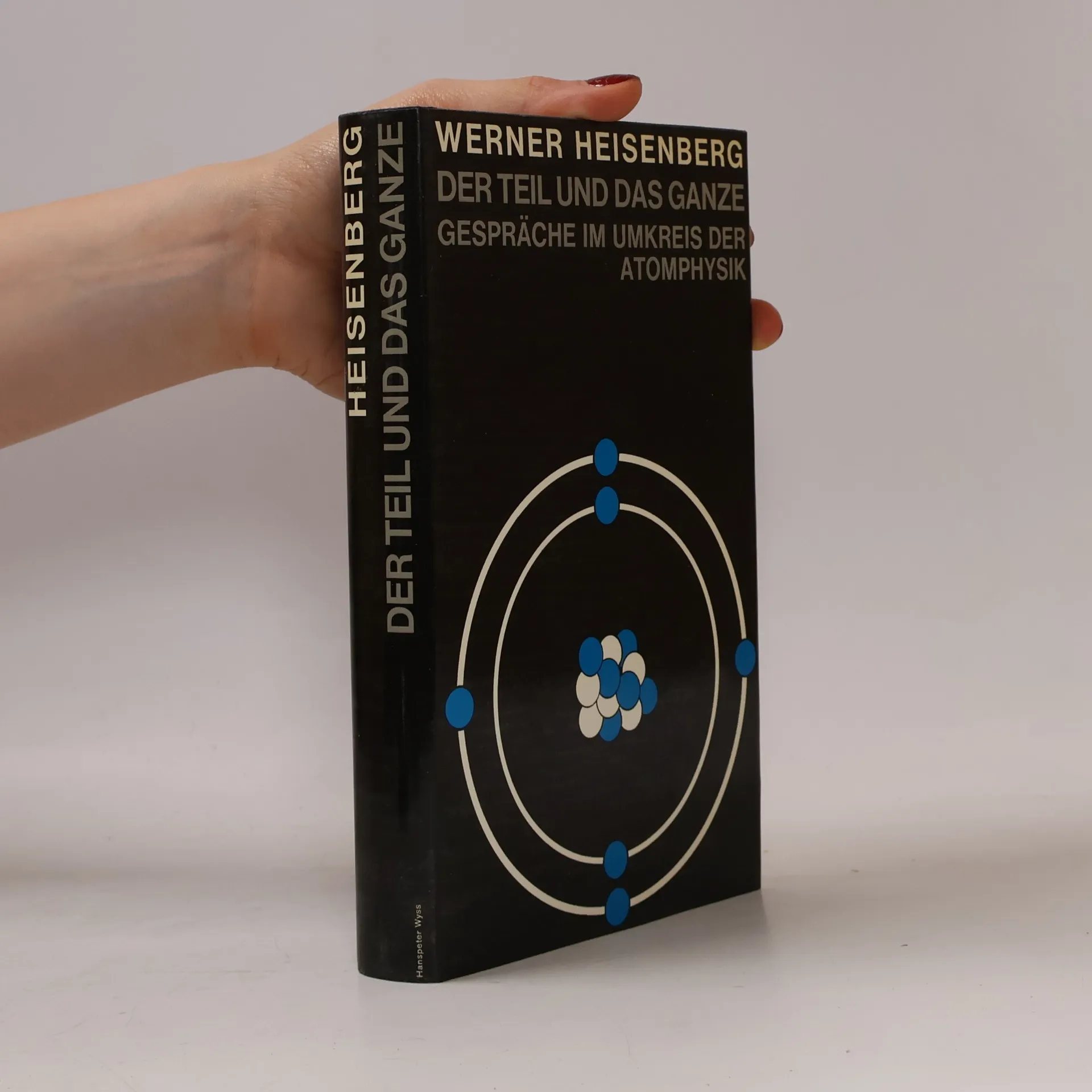
Część i całość
rozmowy o fizyce atomu
My dear Li
- 328 stron
- 12 godzin czytania
Personal letters reveal the quandary of a prominent German physicist during the Nazi years and the strength he shared with his loving wife Nobel Prize-winning physicist Werner Heisenberg lived far from his wife, Elisabeth, during most of the Second World War. An eminent scientist, Werner headed Germany's national atomic research project in Berlin, while Elisabeth and their children lived more safely in Bavaria. This selection of more than 300 letters exchanged between husband and wife reveals the precarious nature of Werner's position in the Third Reich, Elisabeth's increasingly difficult everyday life as the war progressed, and the devoted relationship that gave strength to them both. These letters provide a fascinating new perspective on Werner's much-debated wartime work and his attitude toward the atomic bomb. They also shed light on his reluctance to emigrate despite the urging of friends. An excerpt from his private diary, an introduction and notes by his daughter, and a selection of personal family photographs complete this compelling volume.
Reality and Its Order
- 160 stron
- 6 godzin czytania
Exploring the intersection of philosophy and science, this text delves into Heisenberg's reflections on the nature of reality and the implications of quantum mechanics. As a prominent figure in 20th-century science, Heisenberg articulates his thoughts on how our understanding of the physical world shapes our perception of reality. This English translation offers readers a unique opportunity to engage with his groundbreaking ideas and the philosophical questions they raise, making it an essential read for those interested in science and philosophy.
In nine essays and lectures composed in the last years of his life, Werner Heisenberg offers a bold appraisal of the scientific method in the twentieth century--and relates its philosophical impact on contemporary society and science to the particulars of molecular biology, astrophysics, and related disciplines. Are the problems we define and pursue freely chosen according to our conscious interests? Or does the historical process itself determine which phenomena merit examination at any one time? Heisenberg discusses these issues in the most far-ranging philosophical terms, while illustrating them with specific examples.
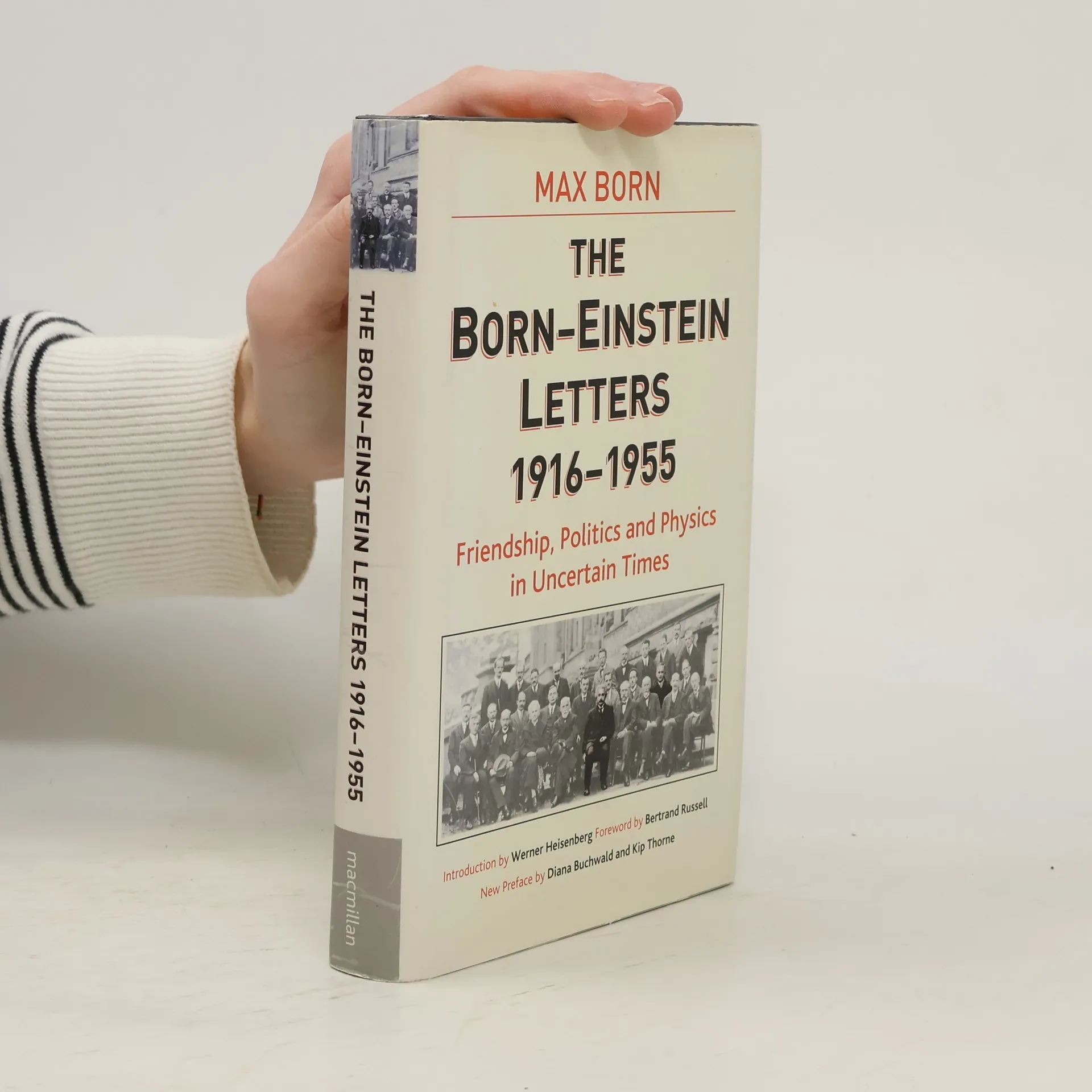
The Born-Einstein Letters 1916-55
Friendship, Politics and Physics in Uncertain Times
- 235 stron
- 9 godzin czytania
Albert Einstein and Max Born were great friends. Their letters span 40 years and two world wars. In them they argue about quantum theory, agree about Beethoven's heavenly violin and piano duets (that they played together when they met) and chat about their families. Equally important, the men commiserate over the tragic plight of European Jewry and discuss what part they should play in the tumultuous politics of the time. Fascinating historically, The Born-Einstein Letters is also highly topical: scientists continue to struggle with quantum physics, their role in wartime and the public's misunderstanding. First published by Macmillan in 1971, this book is re-issued, with a substantial new preface by leading US physicists Kip Thorne and Diana Buchwald, as part of 2005's Relativity Centenary celebrations.
Nobel Laureate discusses quantum theory, uncertainty, wave mechanics, work of Dirac, Schroedinger, Compton, Einstein, others. "An authoritative statement of Heisenberg's views on this aspect of the quantum theory." ? Nature.
SABIDURIA CONVERSACIONES CON PERSONAJES EXCEPCIONALES
On Fundamental Physics and Scientific Knowledge
- 164 strony
- 6 godzin czytania
This collection contains a new publication of the Heisenberg, Born, Schroedinger and Auger, On Modern Physics and the Nobel lectures of Werner Heisenberg, Erwin Schroedinger and Max Born.In this collection three Nobel laureates and a renowned authority on space exploration discuss a wide range of issues - from lessons that can be learned from the ancient Greek philosophers, to the advancements in fundamental physics in the twentieth century, to the dark implications of scientific discoveries, to the methods and limits of scientific knowledge - in a language that is understandable by a wide audience.
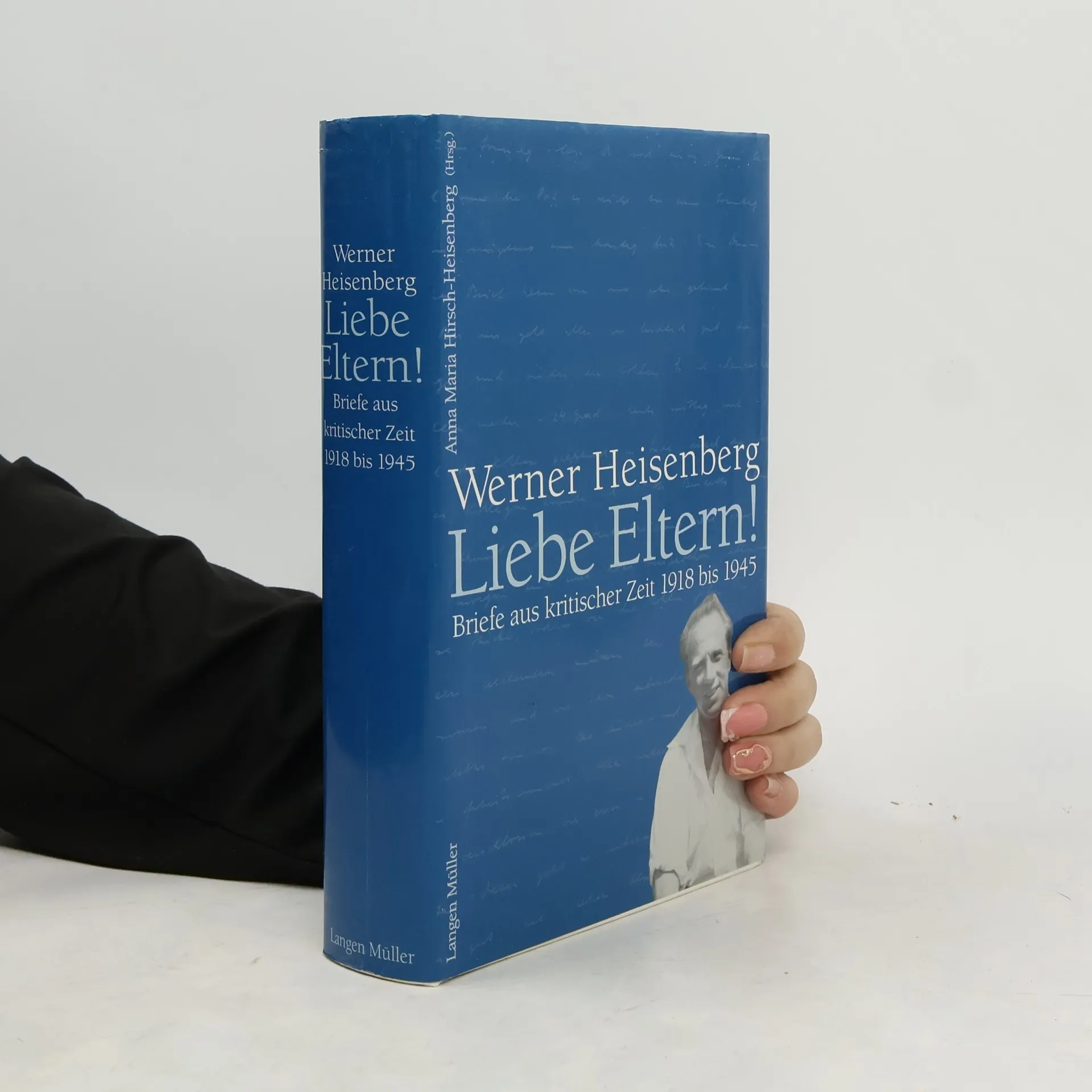
Liebe Eltern!
- 400 stron
- 14 godzin czytania
Liebe Eltern! : Briefe aus kritischer Zeit ; 1918 bis 1945Author: Heisenberg, Werner Place, Publisher, Year: München, Langen Müller, 2003Physical Details: 400 S. : ISBN/ISSN/ISMN 3784429009 Subject headings: Heisenberg, Werner , Briefsammlung
Die Geschichte der Quantentheorie – Die Quantenmechanik und ein Gespräch mit Einstein – Die Kopenhagener Deutung der Quantentheorie – Quantenmechanik und Kantsche Philosophie – Über die Verantwortung des Forschers – Die Bedeutung des Schönen in der exakten Naturwissenschaft
Schritte über Grenzen
- 318 stron
- 12 godzin czytania
Ordnung der Wirklichkeit
- 175 stron
- 7 godzin czytania
Mit e. Einleitg. v. Rechenberg, Helmut. 175 S.
■ Das Naturbild der heutigen Physik ■ Atomphysik und Kausalgesetz ■ Über das Verhältnis von humanistischer Bildung, Naturwissenschaft und Abendland ■ Historische Quellen Die Ansätze der neuzeitlichen Naturwissenschaften / Die Entstehung des mechanistischen und materialistischen Weltbildes / Die Krisis der mechanistisch-materialistischen Auffassung ■ Enzyklopädisches Stichwort: Natur ■ Literaturhinweise ■ Namen- und Sachregister
Gesammelte Werke
- 440 stron
- 16 godzin czytania
=Physics and knowledge 1956-68: Collected Works 2
Physik und Philosophie 2
Weltperspektiven. Band 2
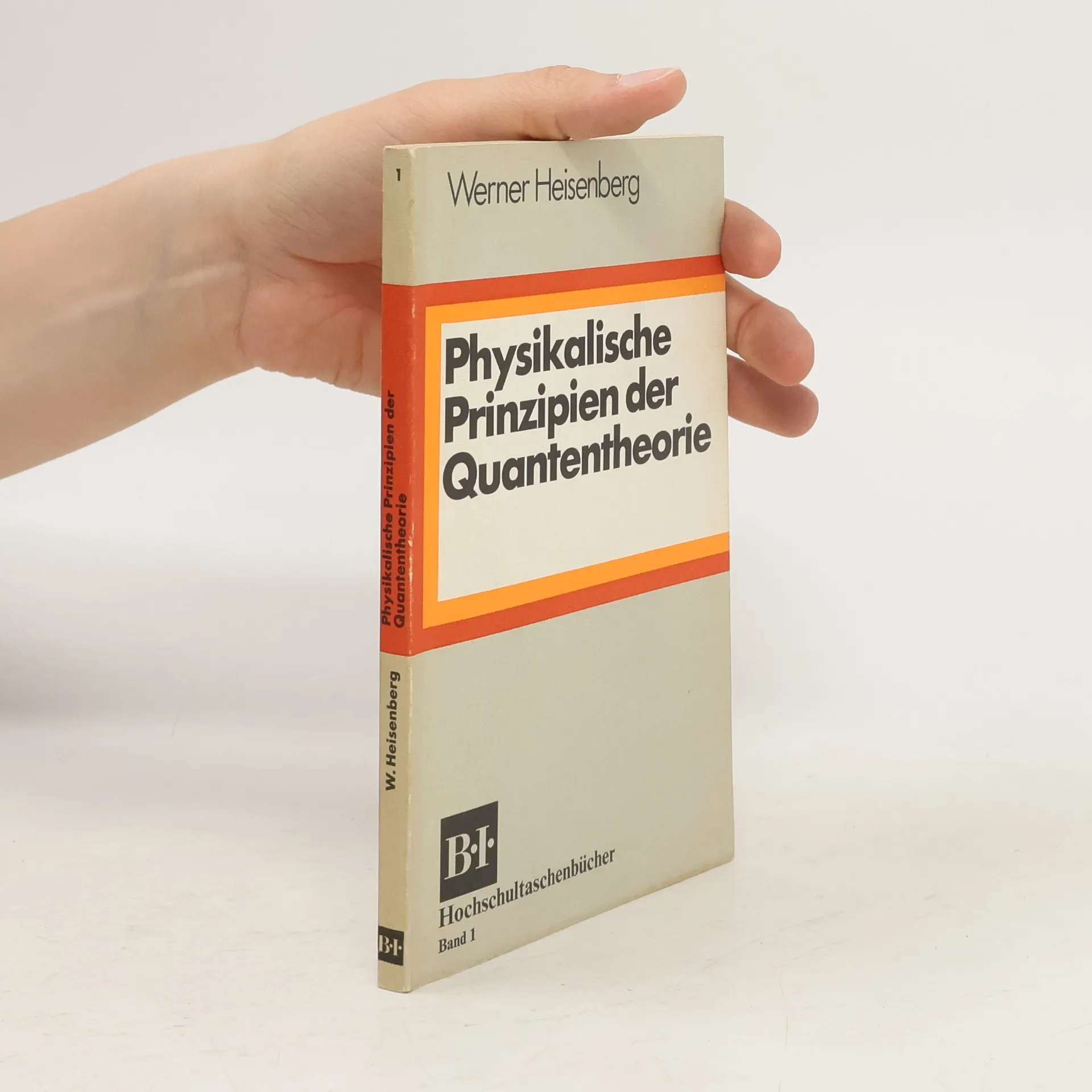
Die physikalischen Prinzipien der Quantentheorie
- 117 stron
- 5 godzin czytania
Ausgewählte Texte
- 127 stron
- 5 godzin czytania
German
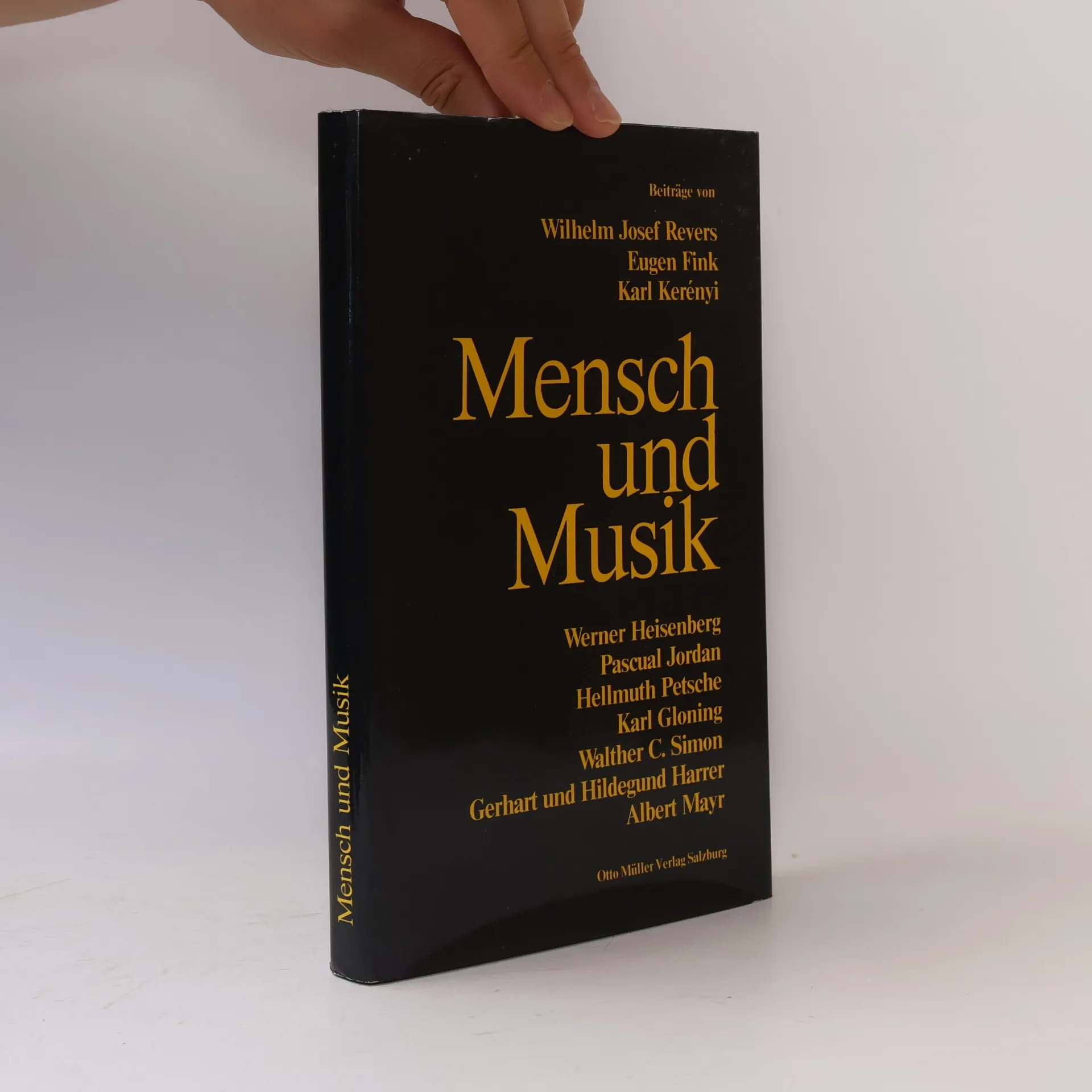
Mensch und Musik: Festschrift für Herbert von Karajan
- 108 stron
- 4 godziny czytania
Die Verknüpfung von Physik und Philosophie. 2 CDs
Originaltonaufnahmen 1951-1967
- 8 stron
- 1 godzina czytania
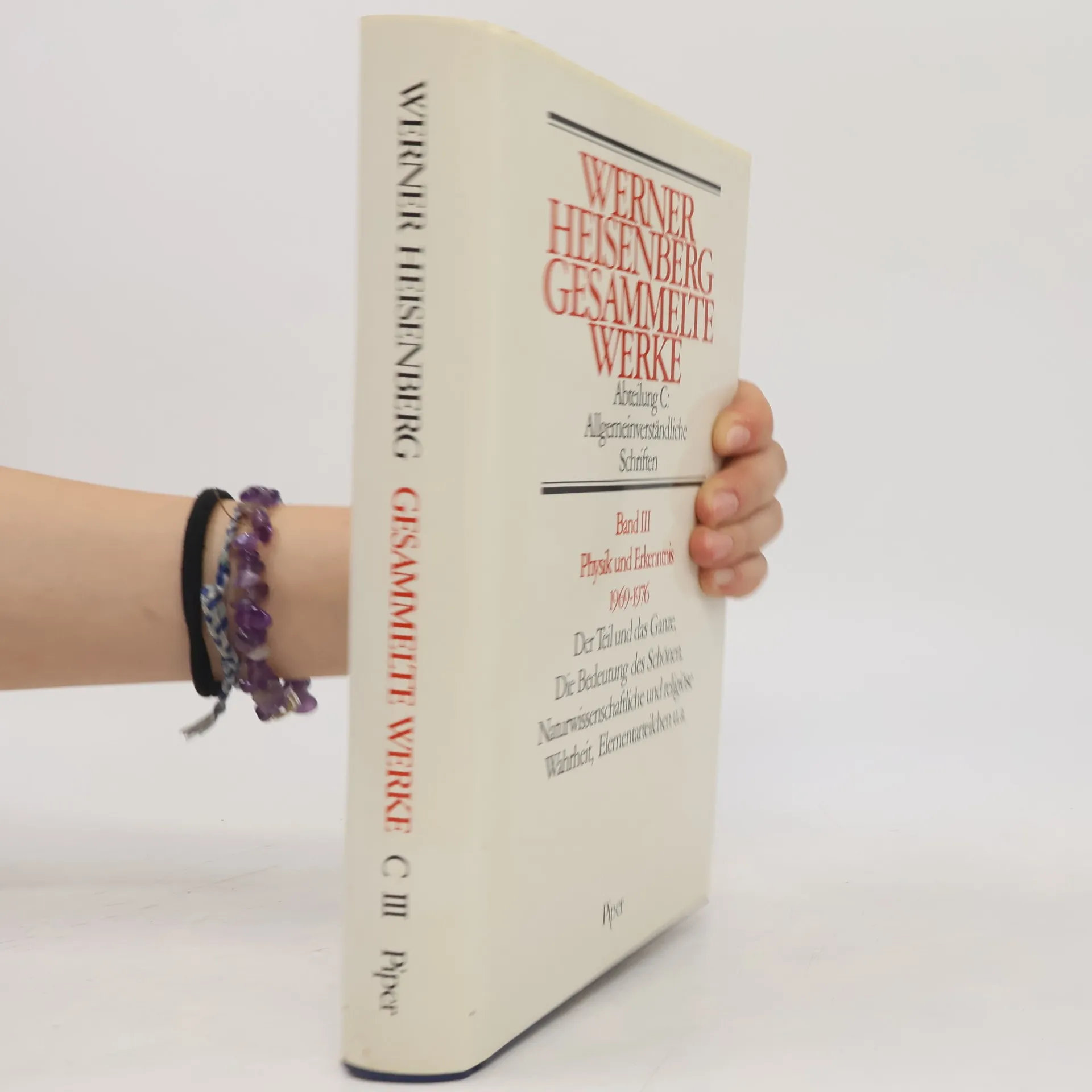
Gesammelte Werke, Abteilung C: Allgemeinverständliche Schriften - 3: Physik und Erkenntnis 1969-76
Der Teil und das Ganze, Die Bedeutung des Schönen, Naturwissenschaftliche und religiöse Wahrheit, Elementarteilchen u.a.
- 542 strony
- 19 godzin czytania
=Physics and Knowledge 1969-76: Collected Works 3
German
Von der Naturforschung zur Naturwissenschaft
Vorträge, gehalten auf Versammlungen der Gesellschaft Deutscher Naturforscher und Ärzte (1822–1958)
- 587 stron
- 21 godzin czytania
Die Entwicklung der Naturwissenschaften in Deutschland ist von keiner Institution so nachhaltig beeinflußt worden wie von der "Gesellschaft deutscher Naturforscher und Ärzte". Den Aufbruch der Naturforschung im letzten Jahrhundert hat sie wesentlich stimuliert, und von ihr als Muttergesellschaft sind zahlreiche weitere wissenschaftliche Gesellschaften ausgegangen. Nahezu alle großen deutschen Forscher fanden in dieser Vereinigung das Forum für die Darstellung ihrer Ideen. Das Buch enthält eine Auswahl bedeutender Reden von Carl Gustav Carus (1822) bis hin zu Otto Hahn (1958), in denen sich die Entwicklung von der romantisch bestimmten Naturforschung zur modernen Naturwissenschaft ablesen läßt.