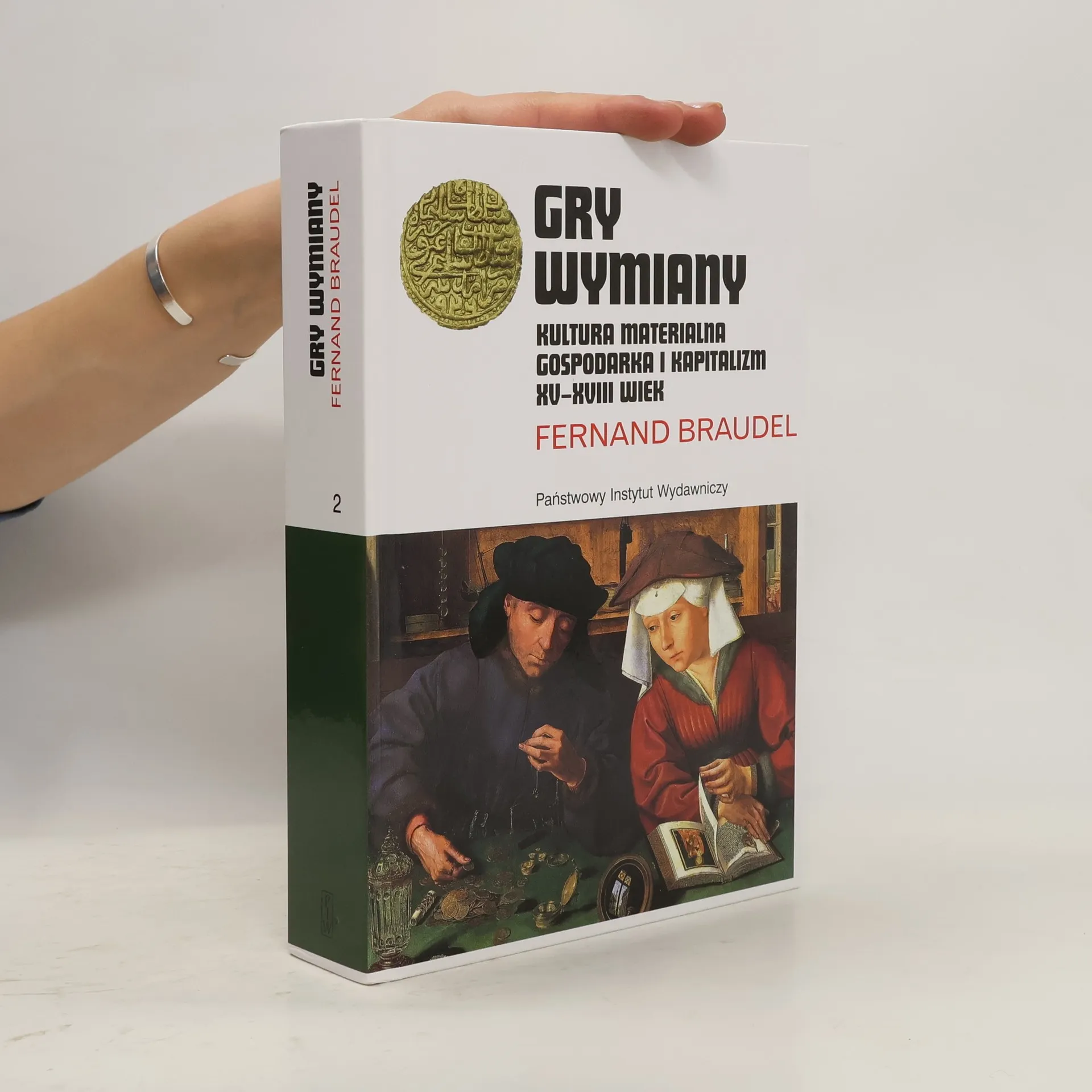
Przedstawiamy trzytomowe dzieło wybitnego francuskiego historyka Monografia obejmuje cztery wieki od schyłku średniowiecza do początku rewolucji przemysłowej przedstawiając dzieje gospodarki rynkowej i kapitalizmu na czterech kontynentach.
Fernard Braudel Książki

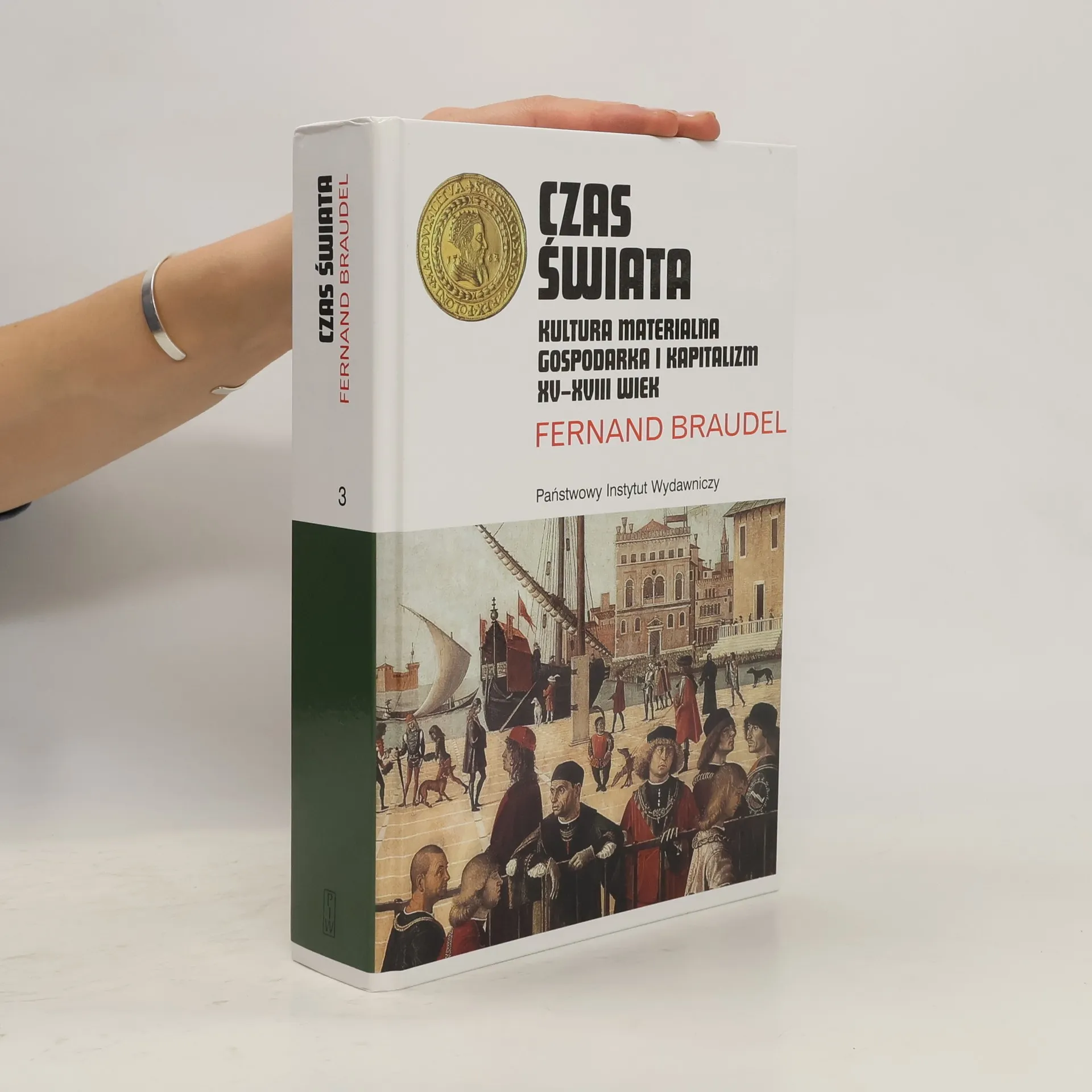
Czas świata. Kultura materialna, gospodarka...
- 642 strony
- 23 godziny czytania
Przedstawiamy trzytomowe dzieło wybitnego francuskiego historyka Monografia obejmuje cztery wieki od schyłku średniowiecza do początku rewolucji przemysłowej przedstawiając dzieje gospodarki rynkowej i kapitalizmu na czterech kontynentach.
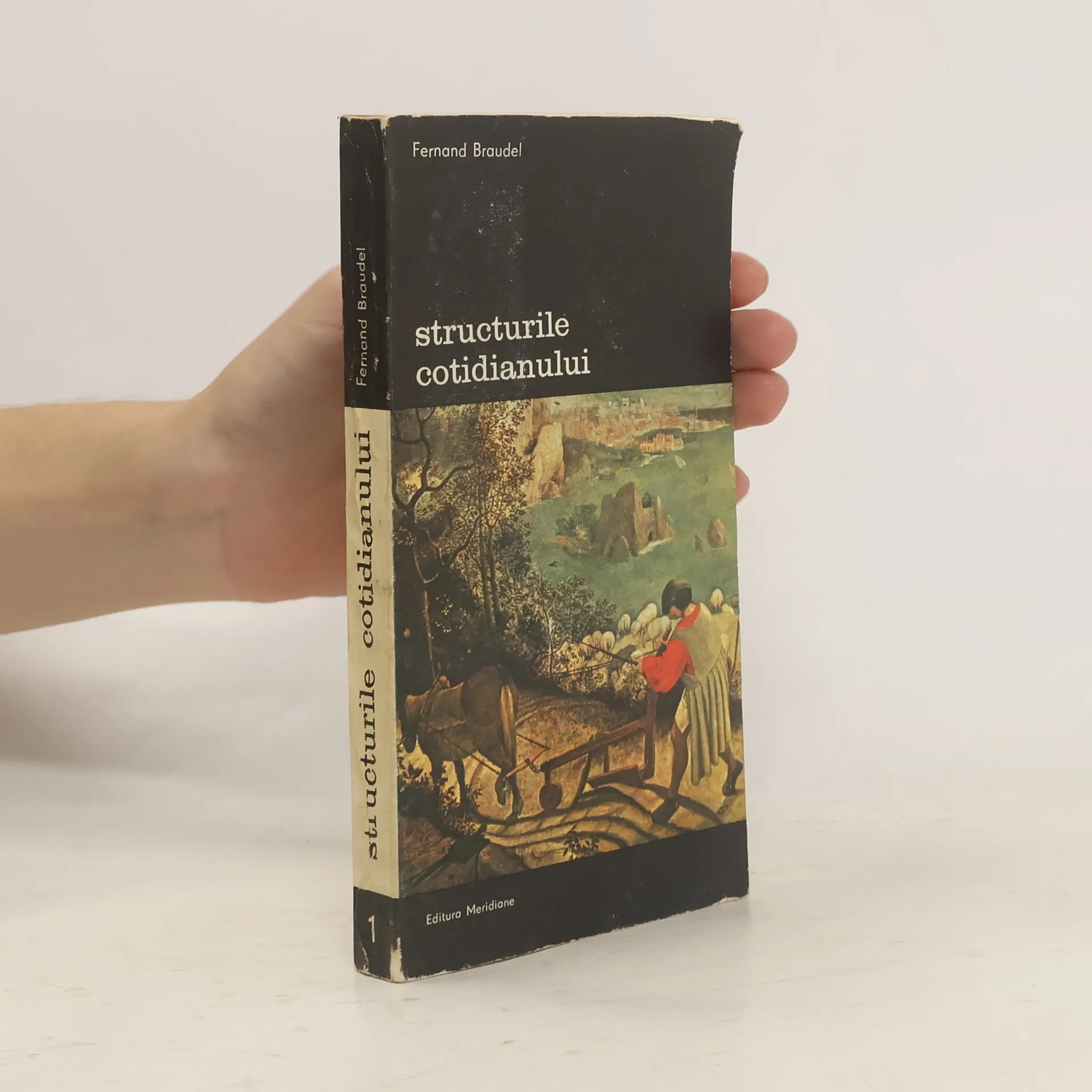
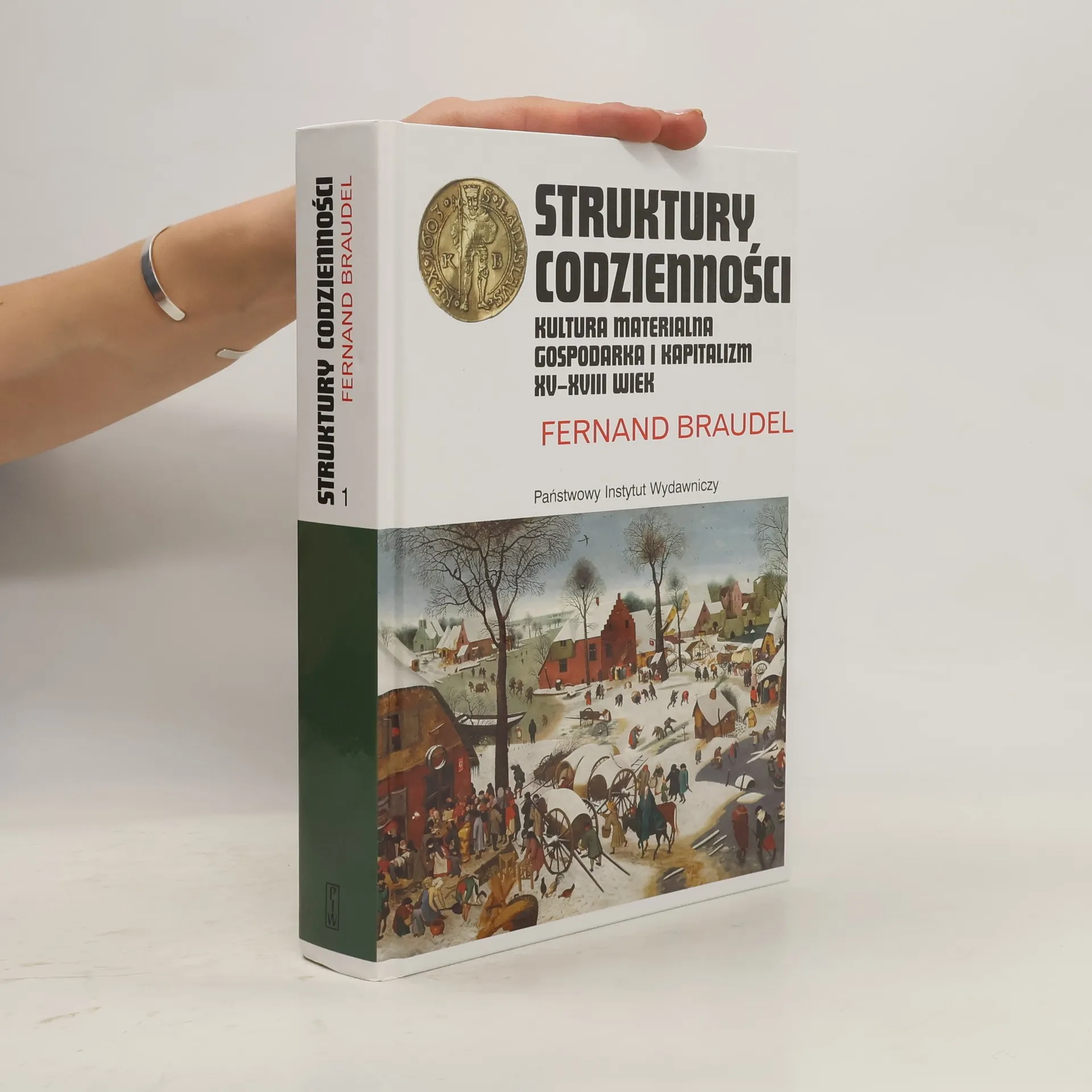
Struktury codzienności. Kultura materialna...
- 494 strony
- 18 godzin czytania
Przedstawiamy trzytomowe dzieło wybitnego francuskiego historyka Monografia obejmuje cztery wieki od schyłku średniowiecza do początku rewolucji przemysłowej przedstawiając dzieje gospodarki rynkowej i kapitalizmu na czterech kontynentach.
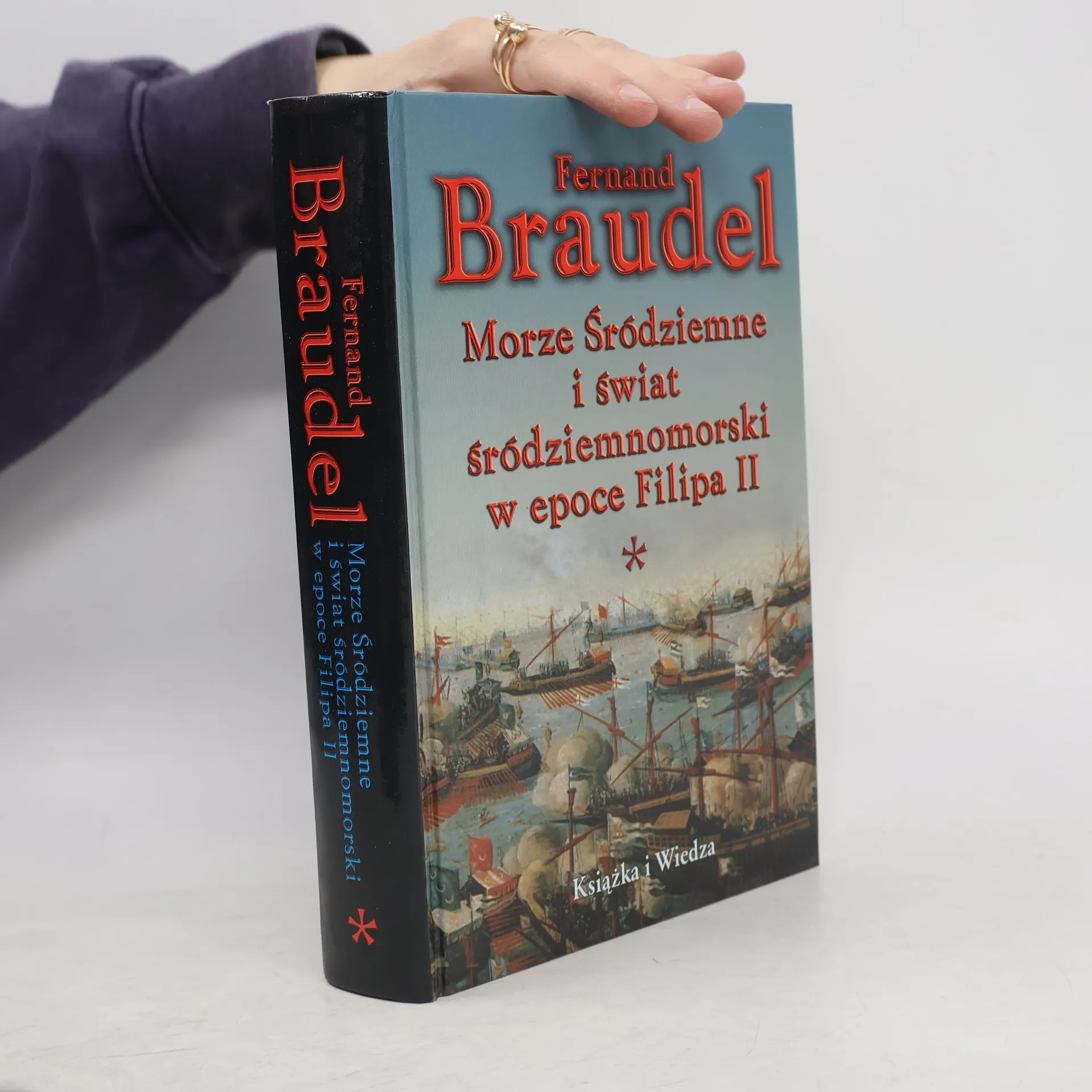
Morze Śródziemne i świat śródziemnomorski w epoce Filipa II
- 671 stron
- 24 godziny czytania
The focus of Fernand Braudel's great work is the Mediterranean world in the second half of the sixteenth century, but Braudel ranges back in history to the world of Odysseus and forward to our time, moving out from the Mediterranean area to the New World and other destinations of Mediterranean traders. Braudel's scope embraces the natural world and material life, economics, demography, politics, and diplomacy.
Fernand Braudel, con la collaborazione di un altro insigne storico, Georges Duby, e noti studiosi di varie discipline come Roger Amaldez, Maurice Aymard, Filippo Coarelli, Jean Gaudemet, Piergiorgio Solinas, ha realizzato questo grandioso affresco del Mediterraneo Come scrive nell'Introduzione: ''Quel che abbiamo voluto tentare è un incontro costante di passato e presente, l'ininterrotto trascorrere dall'uno all'altro, un concertato senza fine liberamente eseguito a due voci. Se tale dialogo, con i suoi problemi che si riecheggiano reciprocamente, anima la sua opera, potremo dire di aver conseguito lo scopo. La storia non è altro che una continua serie di interrogativi rivolti al passato in nome dei problemi e delle curiosità - nonché delle inquietudini e delle angosce - del presente che ci circonda e ci assedia. Più di ogni altro universo umano ne è prova il Mediterraneo, che ancora si racconta e si rivive senza posa. Per gusto, certo, ma anche per necessità. Essere stati è una condizione per essere.''
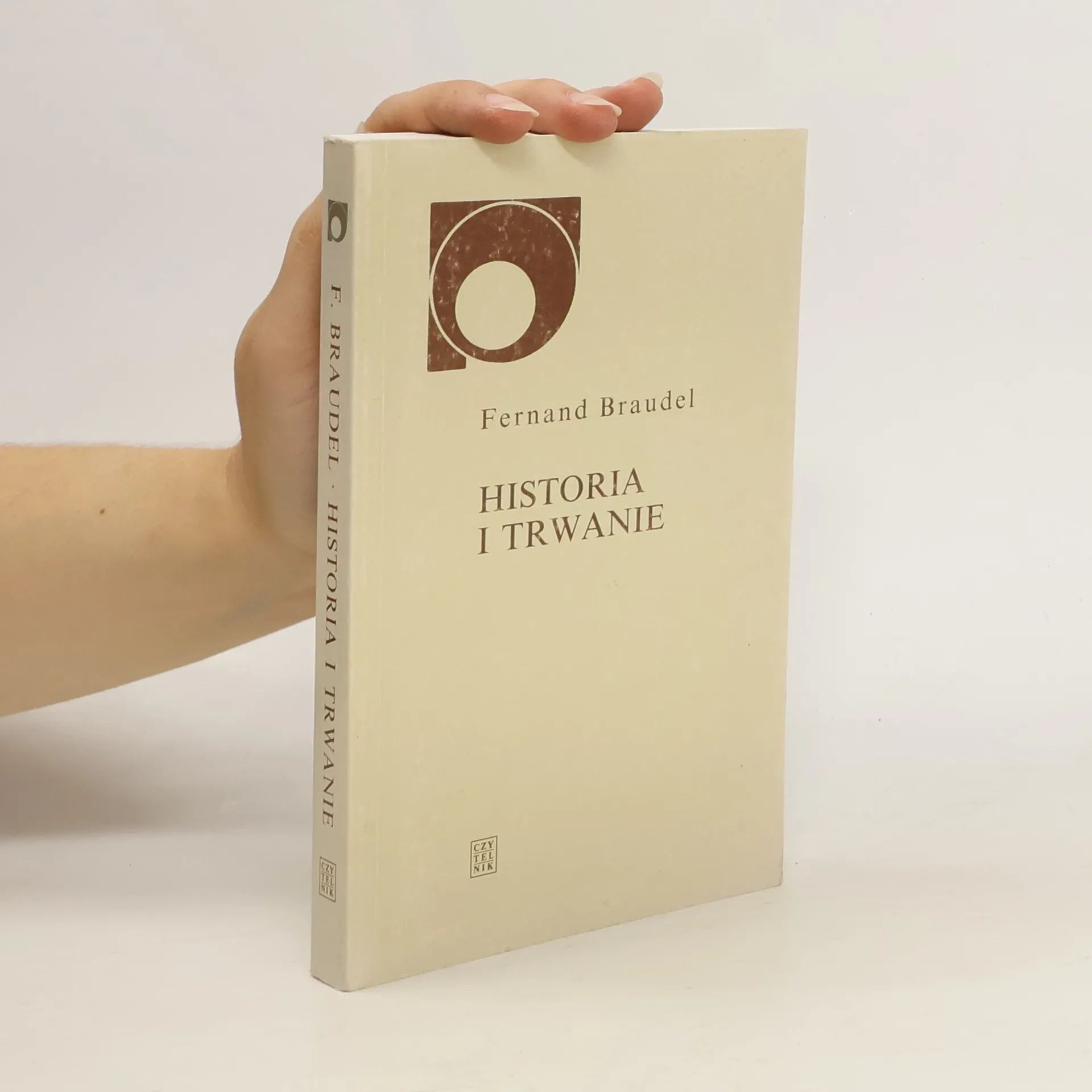
Historia i trwanie
- 355 stron
- 13 godzin czytania
The Wheels of Commerce. Volume 2
- 720 stron
- 26 godzin czytania
Very clean, no markings, no mildew, from non-smoker's home.
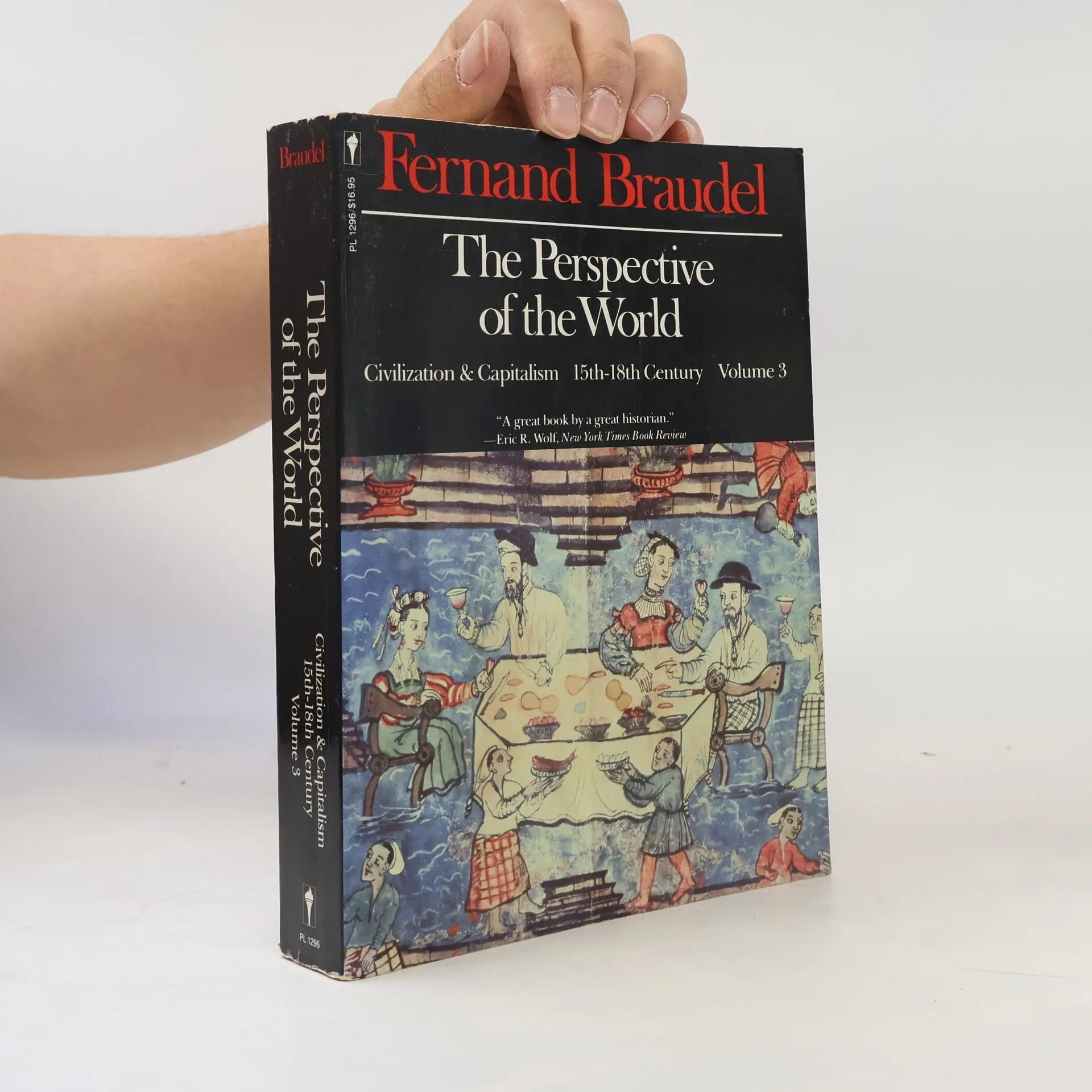
Civilization and Capitalism - 3: The Perspective of the World
15th-18th Century
- 704 strony
- 25 godzin czytania
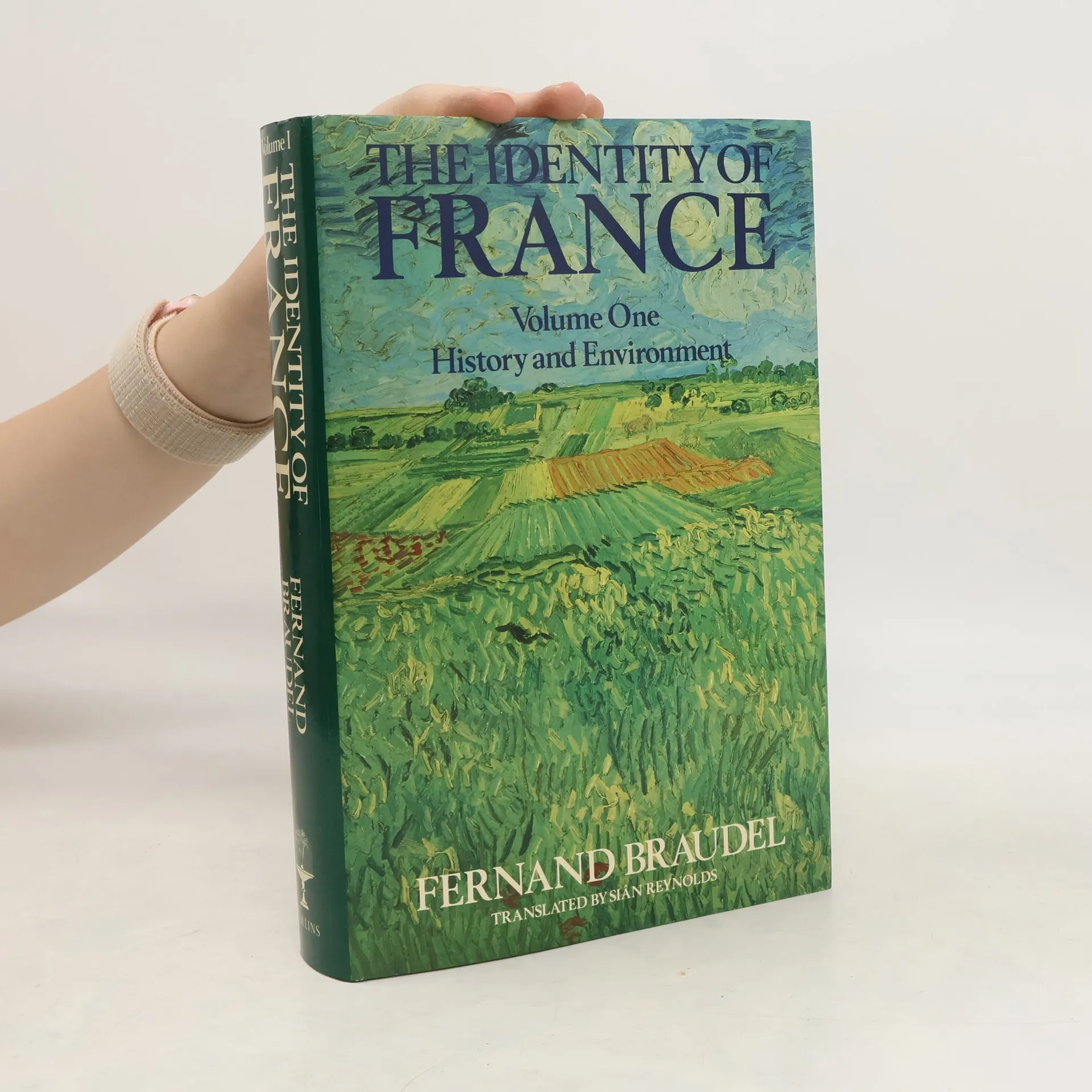
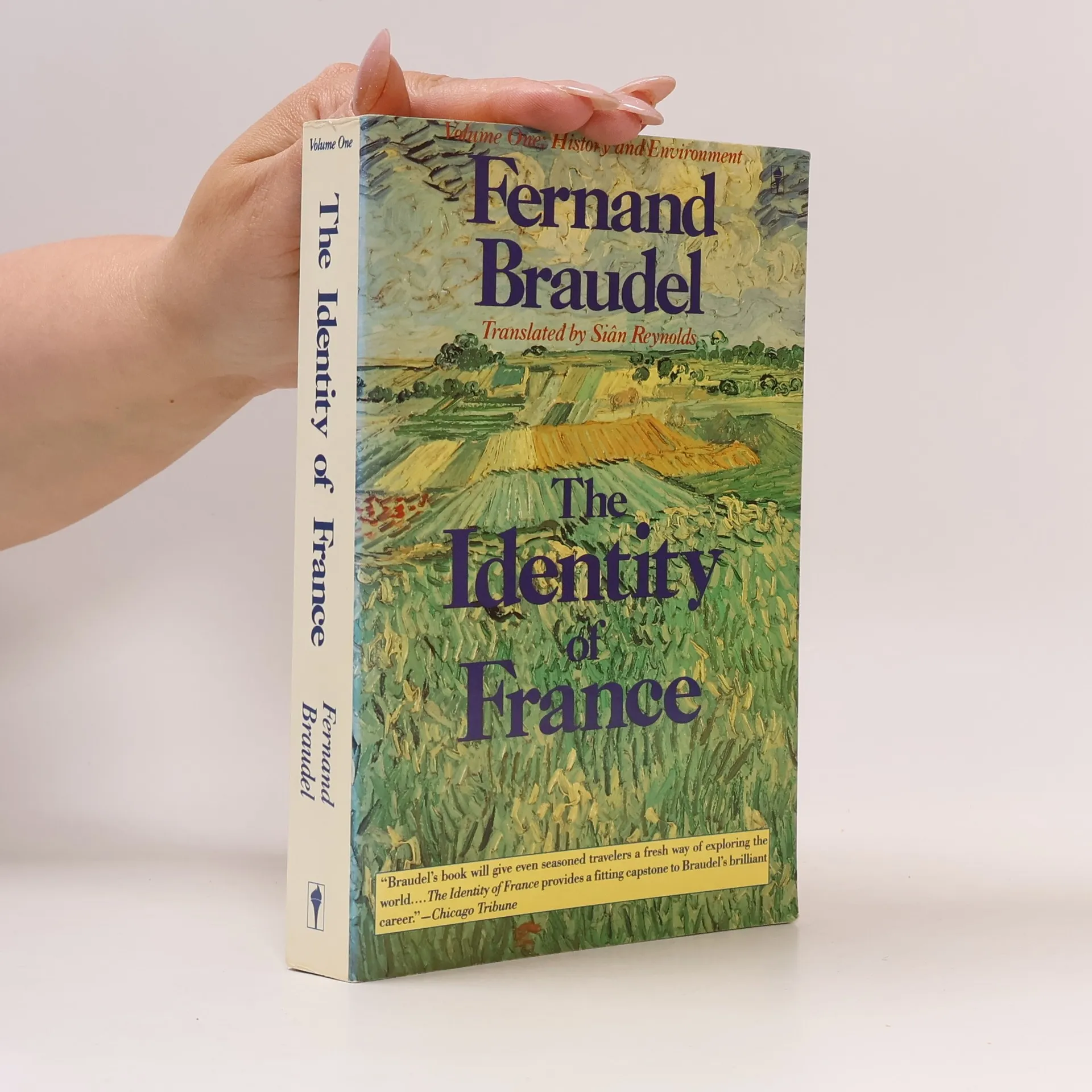
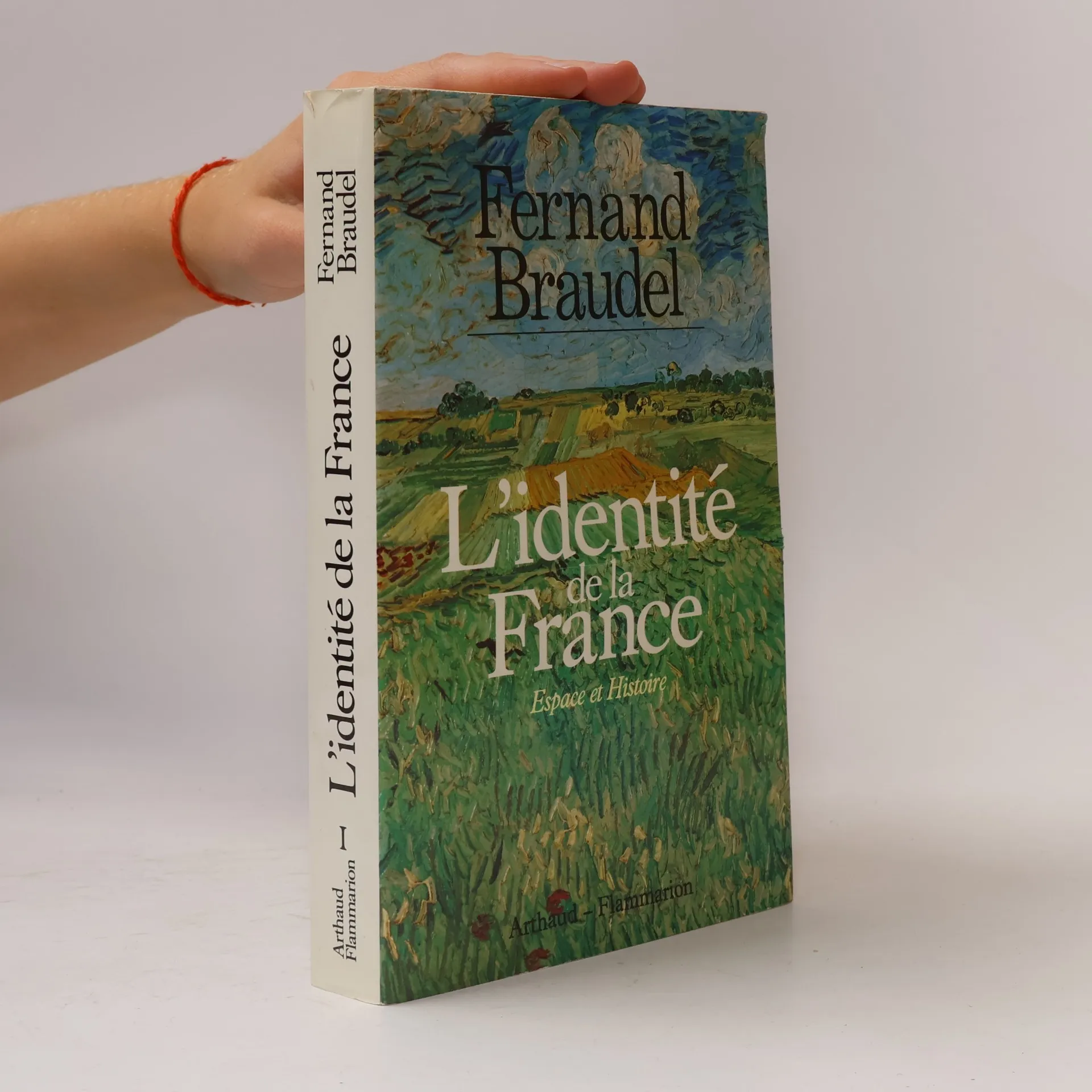
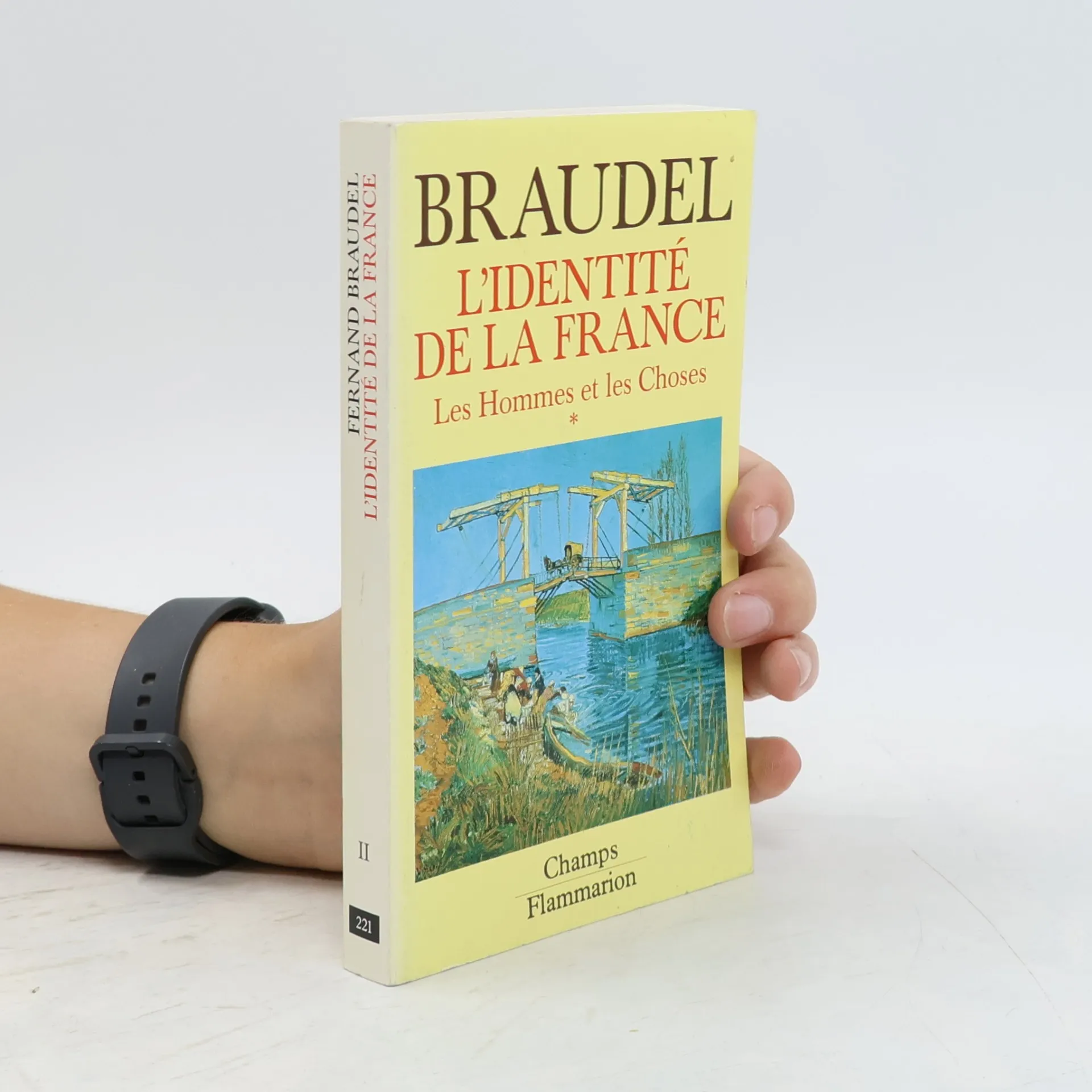
The Identity of France, Vol. 1: History and Environment (v. 1)
- 350 stron
- 13 godzin czytania
In this personal approach to the history of France the author shows himself a part of all that he has met. He describes the geographical circumstances of the country, her fertility, her internal and external communications and the villages, towns and cities in which her people gathered. As he describes the situation he questions - why did Paris become the capital of France rather than Toulouse? What is a frontier? What did it mean in the 15th century? How did France become unified in the way that she did? Thus he shows how all this, which lies behind the outline, determined the shape of France. The author also wrote " The Mediterranean" and "Civilization and Capitalism".
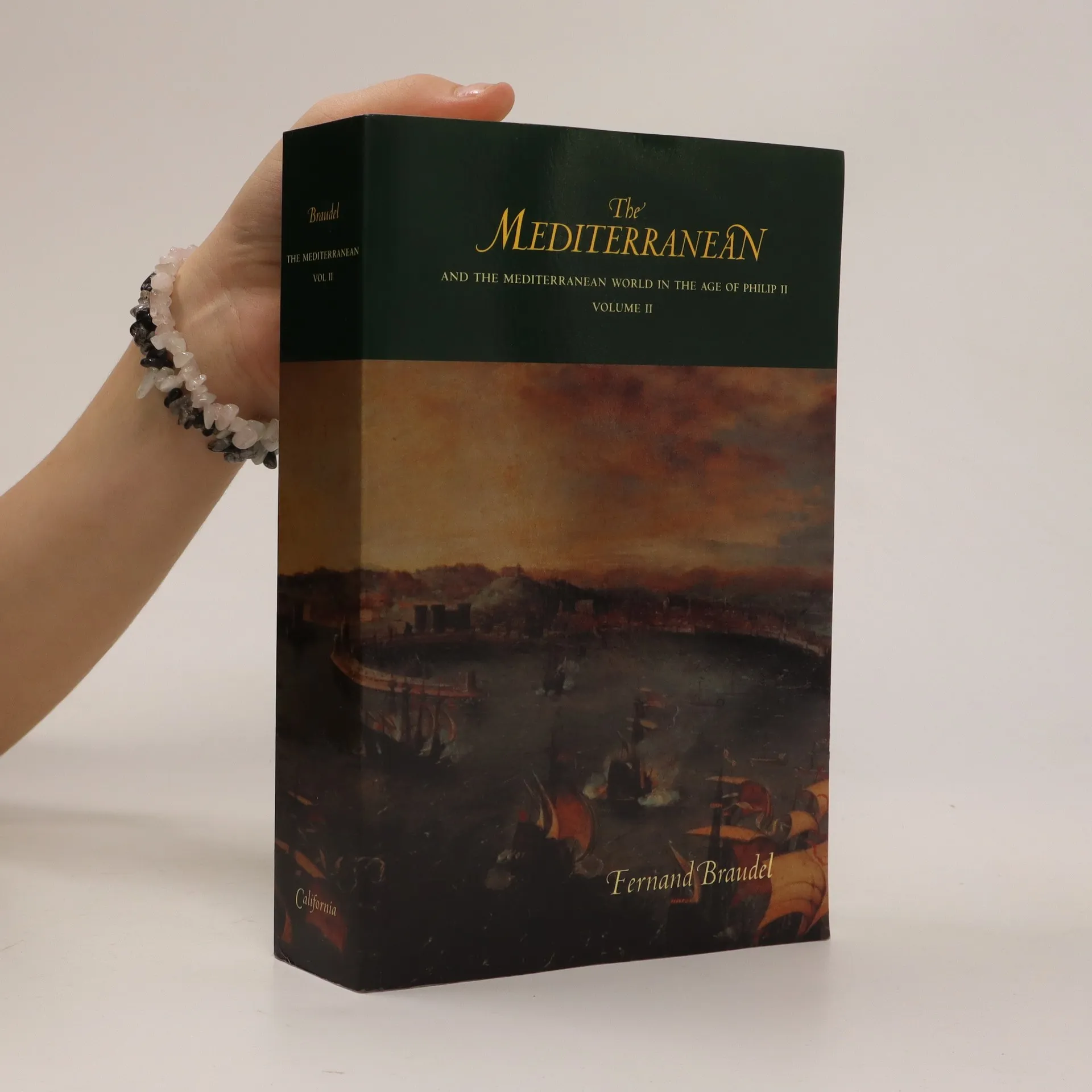
The Mediterranean Volume II
- 725 stron
- 26 godzin czytania
Focusing on the Mediterranean world in the second half of the sixteenth century, this title ranges back in history to the world of Odysseus and forward to our time, moving out from the Mediterranean area to the New World and other destinations of Mediterranean traders.
The Mediterranean in the Ancient World
- 432 strony
- 16 godzin czytania
Presents general reader's history of the ancient mediterranean that combines a grasp of the scholarship of the day with a great historian's gift for imaginative reconstruction and inspired analogy. This book features notes that allow the reader to appreciate the state of scholarship at the time of writing.
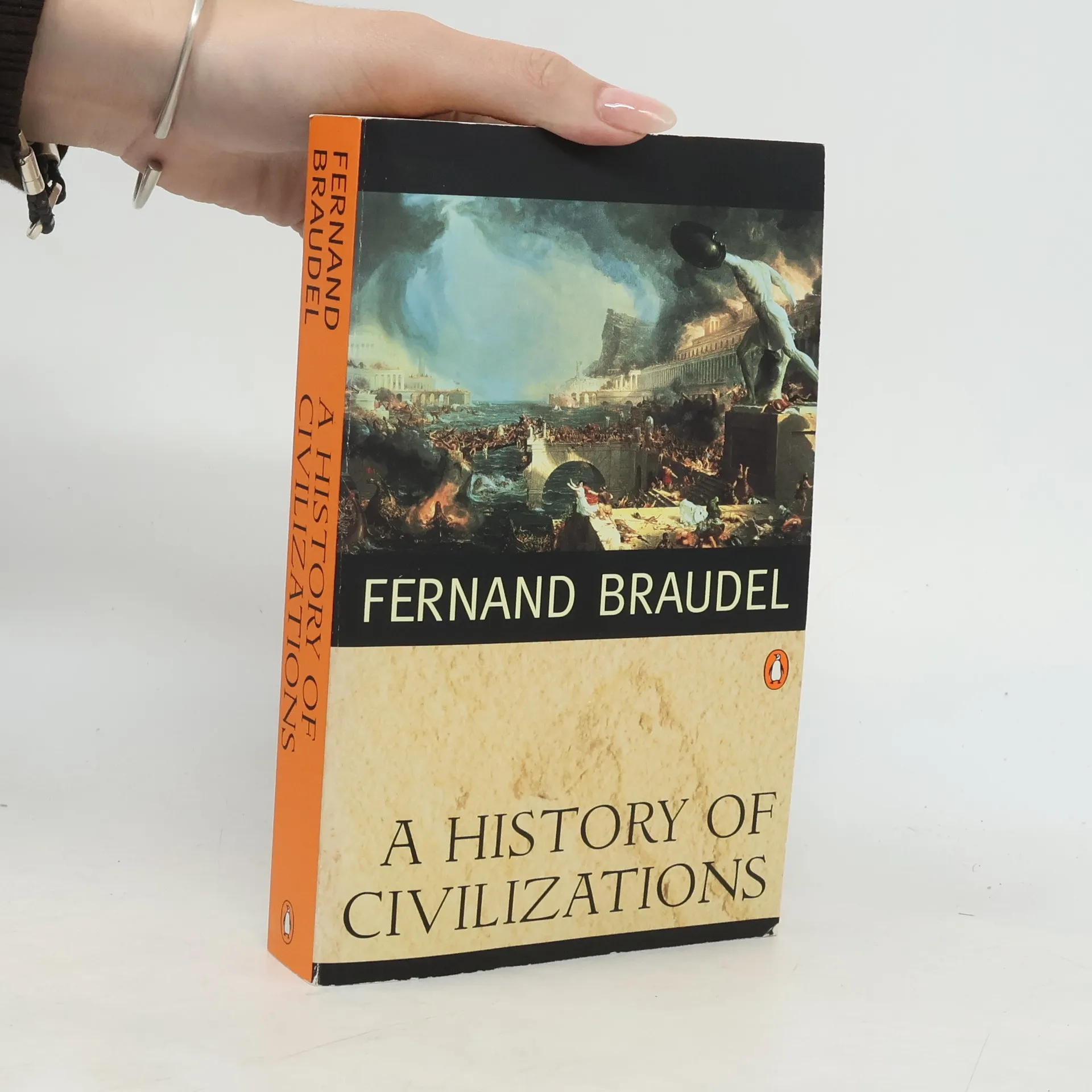
A History of Civilizations
- 600 stron
- 21 godzin czytania
A survey of the civilizations of the modern world in terms of the broad sweep and continuities of history. It is written from a consciously anti- enthnocentric approach.
Out of Italy
- 368 stron
- 13 godzin czytania
In the fifteenth century, even before the city states of the Apennine Peninsula began to coalesce into what would become, several centuries later, a nation, “Italy” exerted enormous influence over all of Europe and throughout the Mediterranean. Its cultural, economic, and political dominance is utterly astonishing and unique in world history. Viewing the Italy—the many Italies—of that time through the lens of today allows us to gather a fragmented, multi-faceted and seemingly contradictory history into a single unifying narrative that speaks to our current reality as much as it does to a specific historical period. This is what the acclaimed French historian, Fernand Braudel, achieves here. He brings to life the two extraordinary centuries that span the Renaissance, Mannerism, and the Baroque and analyzes the complex interaction between art, science, politics and commerce during Italy’s extraordinary cultural flowering.
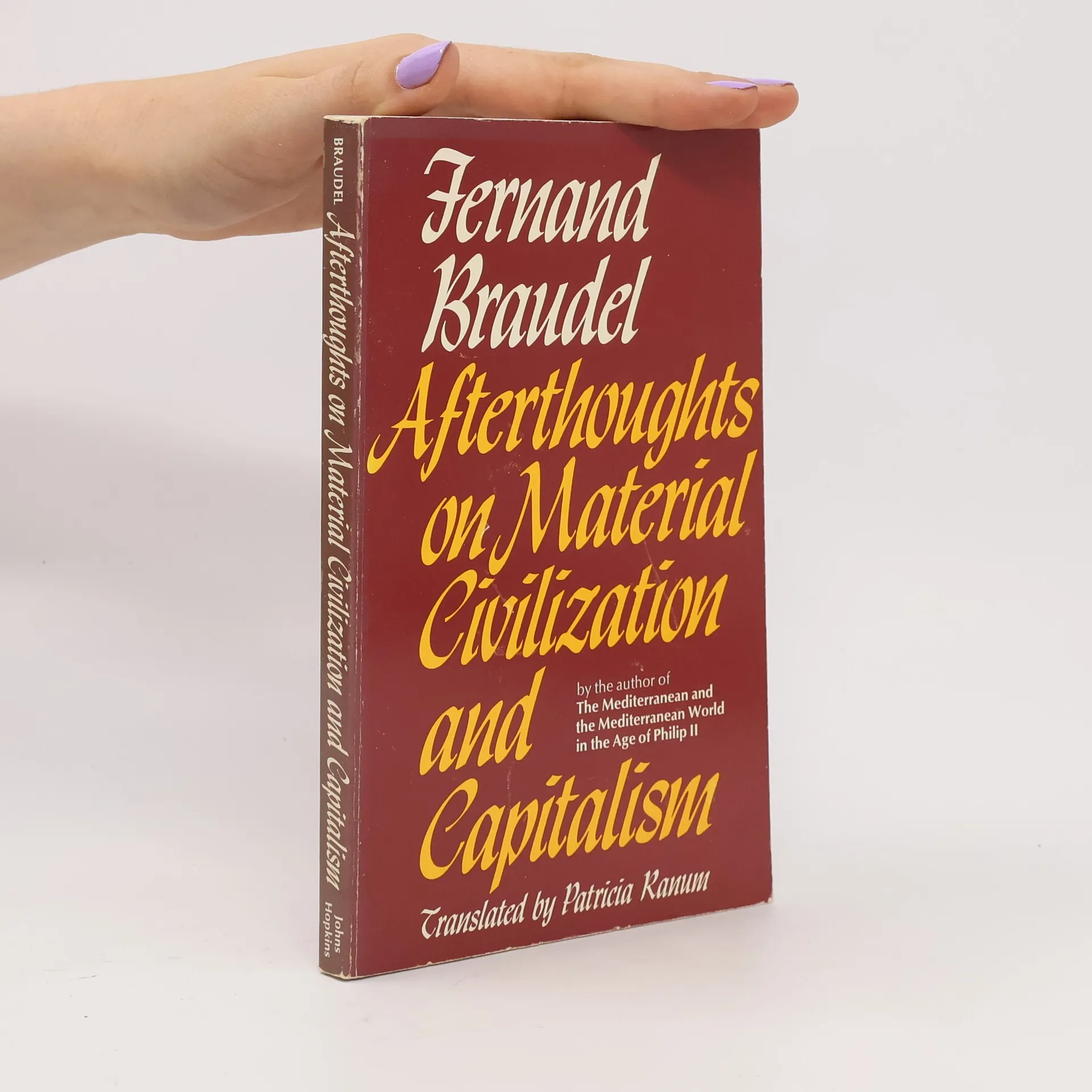
Afterthoughts on Material Civilization and Capitalism
- 136 stron
- 5 godzin czytania
"In this concise book...Braudel summarizes the broad themes of his three-volume Civilisation materielle et capitalisme, 1400-1800 and offers his reflections on the historian's craft and on the nature of the historical imagination... Taken as a whole, the book is provocative and stimulating. On occasion, it rises to revelation when two or three sentences of compressed but brilliant prose force us to reconsider the events of an entire century or the history of a continent." -- American Historical ReviewAfterthoughts presents succinctly, and with wit and verve, the mature reflections on his lifetime's work of one of France's most distinguished historians. Braudel captures the essence of his masterwork, Capitalism and Material Life, 1400-1800, and goes beyond it in presenting a deft overview of the patterns of Western economic history. From village markets to bourses to a vast economic sector, Braudel traces the evolution of levels of economy, and through them, the rise of the world economy.
A translation of Fernand Braudel's Ecrits sur l'histoire, published in 1969. The main themes of the work include: the importance of a rapprochement between history and the social sciences; the inseparability of study of past and present; and the dubious value of the narrative techniques.
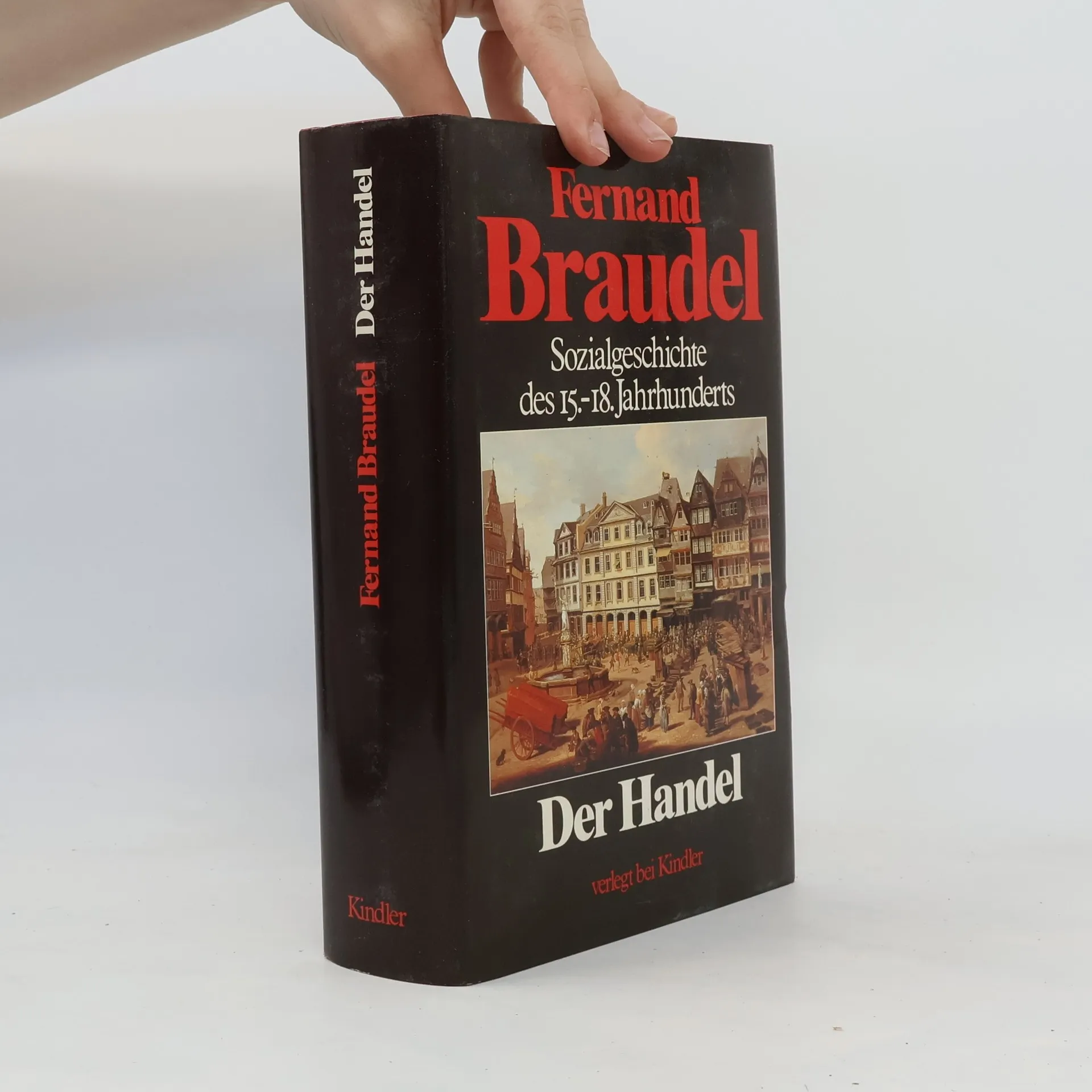
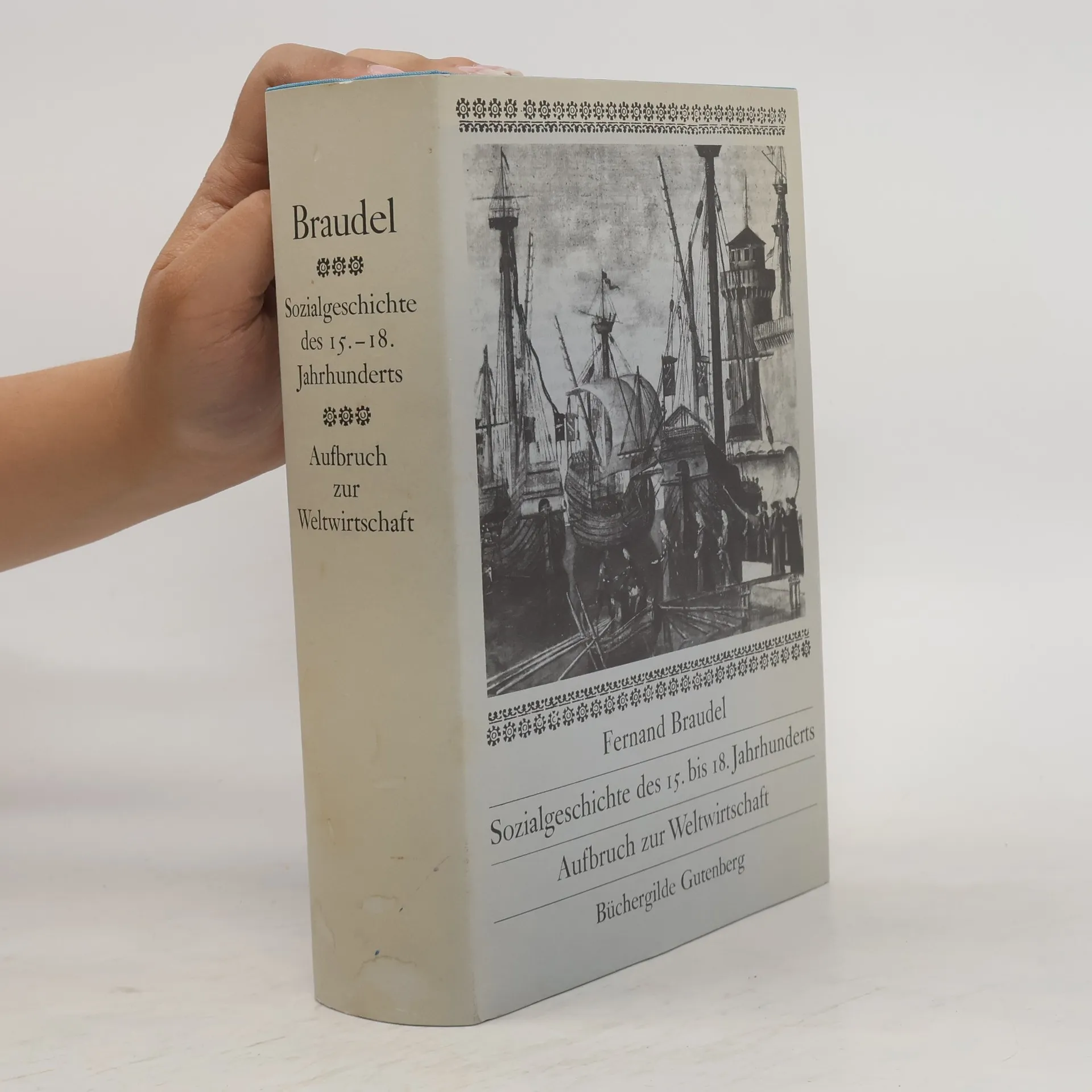
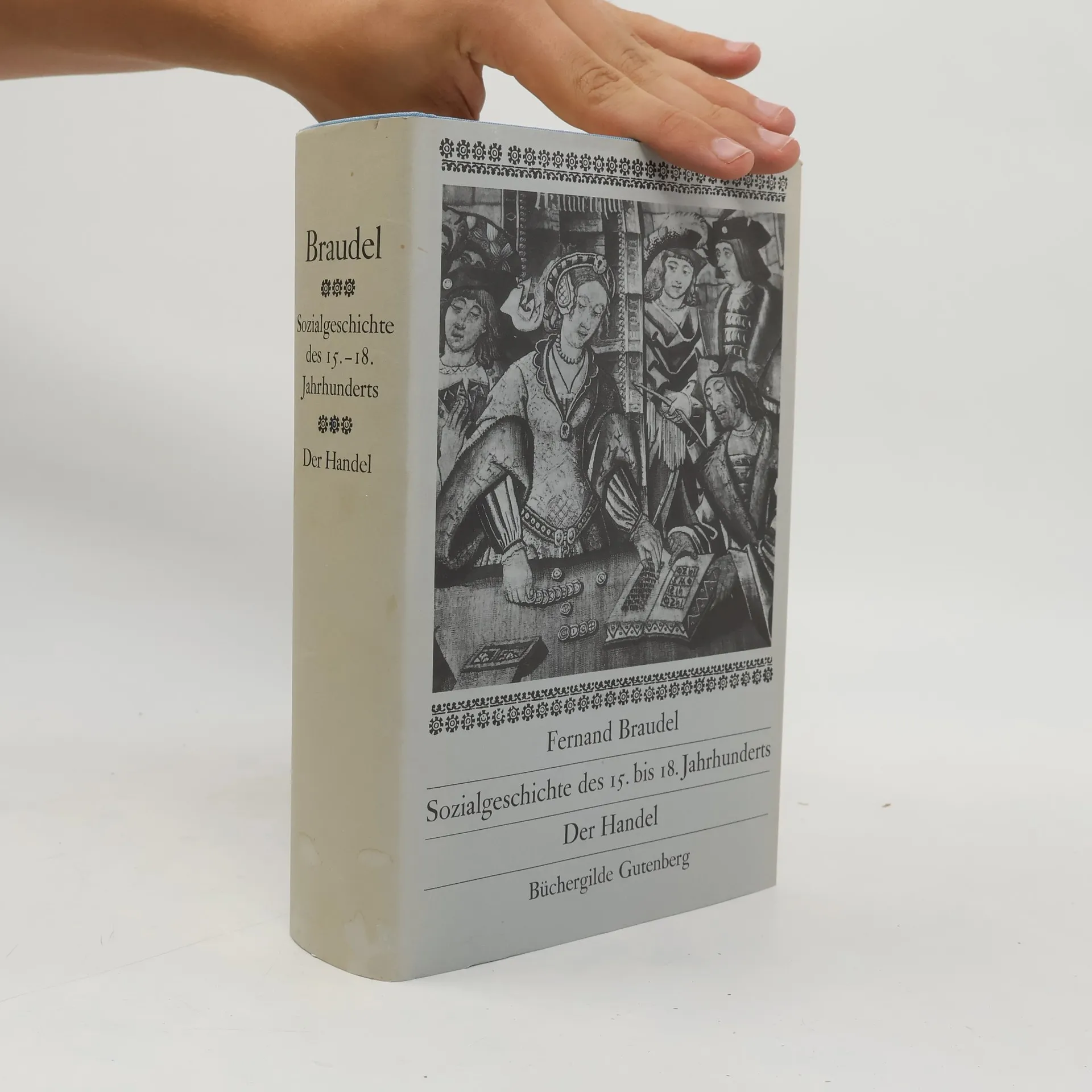
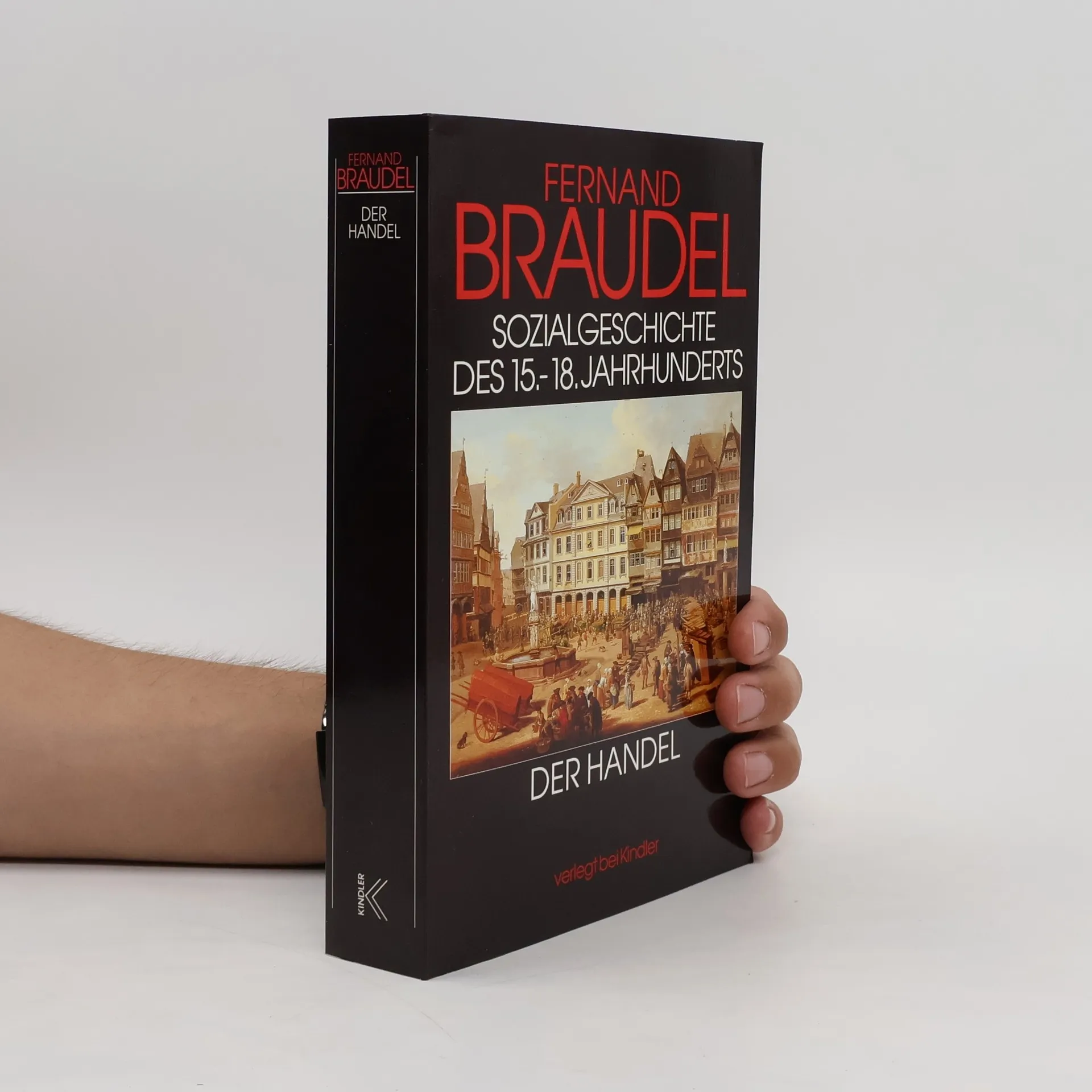
Sozialgeschichte des 15.-18. Jahrhunderts - Der Handel
- 736 stron
- 26 godzin czytania
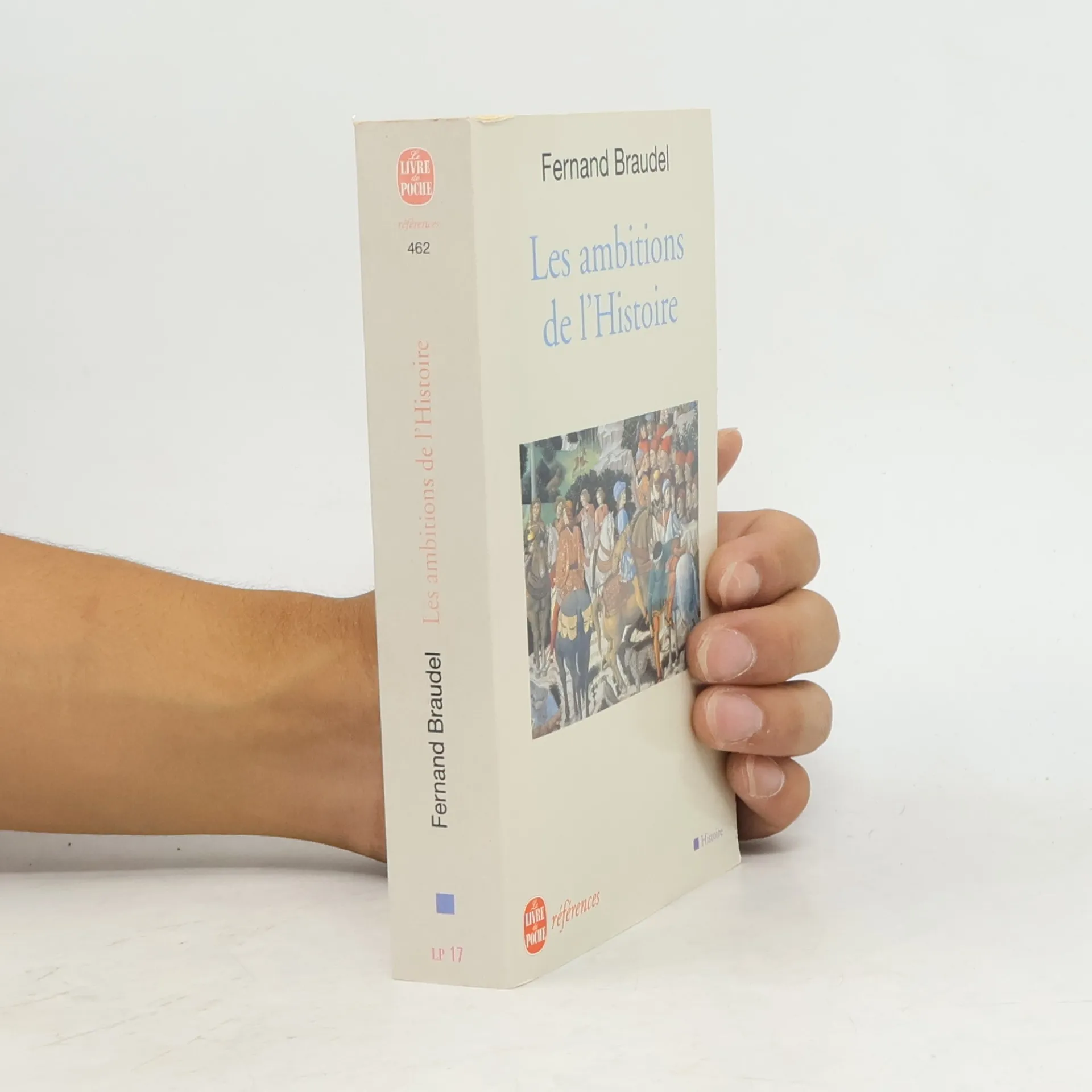
Les ambitions de l'histoire
- 663 strony
- 24 godziny czytania
" Il m'est arrivé un soir, à l'intérieur de l'Etat de Bahia, d'être pris brusquement au milieu d'une montée prodigieuse de lucioles phosphorescentes. Elles éclataient partout, sans arrêt, innombrables, en gerbes au sortir des taillis et des fossés de la route, comme autant de fusées, trop brèves pourtant pour éclairer le paysage avec netteté. Ainsi des événements, ces points de lumière. Au-delà de leur éclat plus ou moins vif, au-delà de leur propre histoire, tout le paysage environnant est à reconstituer. " A son habitude, c'est en images que Fernand Braudel exprime sa conception de l'Histoire, ses domaines, sa mission, ses moyens et ses méthodes ainsi que la place qui doit être la sienne dans le concert des sciences sociales. Les Ambitions de l'Histoire retracent, dans son évolution chronologique, le chemin de cette pensée originale qui s'est longuement cherchée. Chacun des ouvrages de F Braudel a vécu dans l'esprit de l'auteur pendant des années avant même d'être rédigé. Des années pendant lesquelles son fichier s'enrichissait et ses écrits se multipliaient. Généralement inédits, ces textes témoignent de ses préoccupations sur la Méditerranée du XVIe siècle, le capitalisme de l'âge moderne, et l'histoire de France. L'ouvrage s'achève sur le manuscrit inachevé du troisième volume de L'Identité de la France, qui devait être consacré à l'Etat, la Culture et la Société.
Il Mediterraneo
- 308 stron
- 11 godzin czytania
Fernand Braudel, con la collaborazione di un altro insigne storico, Georges Duby, e noti studiosi di varie discipline come Roger Amaldez, Maurice Aymard, Filippo Coarelli, Jean Gaudemet, Piergiorgio Solinas, ha realizzato questo grandioso affresco del Mediterraneo Come scrive nell'Introduzione: ''Quel che abbiamo voluto tentare è un incontro costante di passato e presente, l'ininterrotto trascorrere dall'uno all'altro, un concertato senza fine liberamente eseguito a due voci. Se tale dialogo, con i suoi problemi che si riecheggiano reciprocamente, anima la sua opera, potremo dire di aver conseguito lo scopo. La storia non è altro che una continua serie di interrogativi rivolti al passato in nome dei problemi e delle curiosità - nonché delle inquietudini e delle angosce - del presente che ci circonda e ci assedia. Più di ogni altro universo umano ne è prova il Mediterraneo, che ancora si racconta e si rivive senza posa. Per gusto, certo, ma anche per necessità. Essere stati è una condizione per essere.''
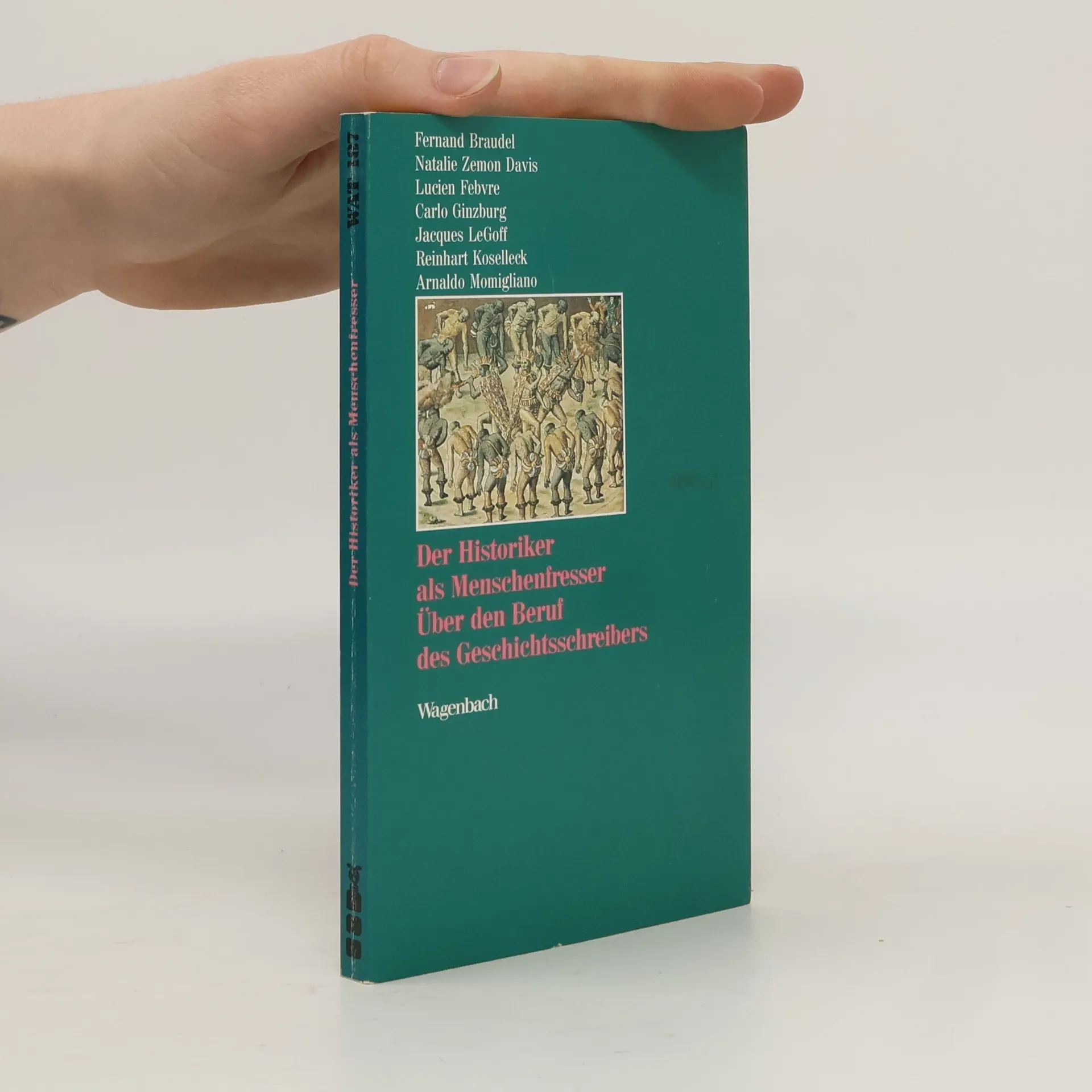
Der Historiker als Menschenfresser
- 126 stron
- 5 godzin czytania
Die Suche nach einer Sprache der Geschichte / Fernand Braudel --Ein Historiker prüft sein Gewissen / Lucien Febvre --Geschichte in einer Zeit der Ideologien / Arnaldo Momigliano --Die zwei Körper der Geschichte / Natalie Zemon Davis --Veranschaulichung und Zitat /Carlo Ginzburg --Wie schreibt man eine Biographie6 / Jacques LeGoff --Darstellung, Ereignis und Struktur / Reinhart Koselleck.
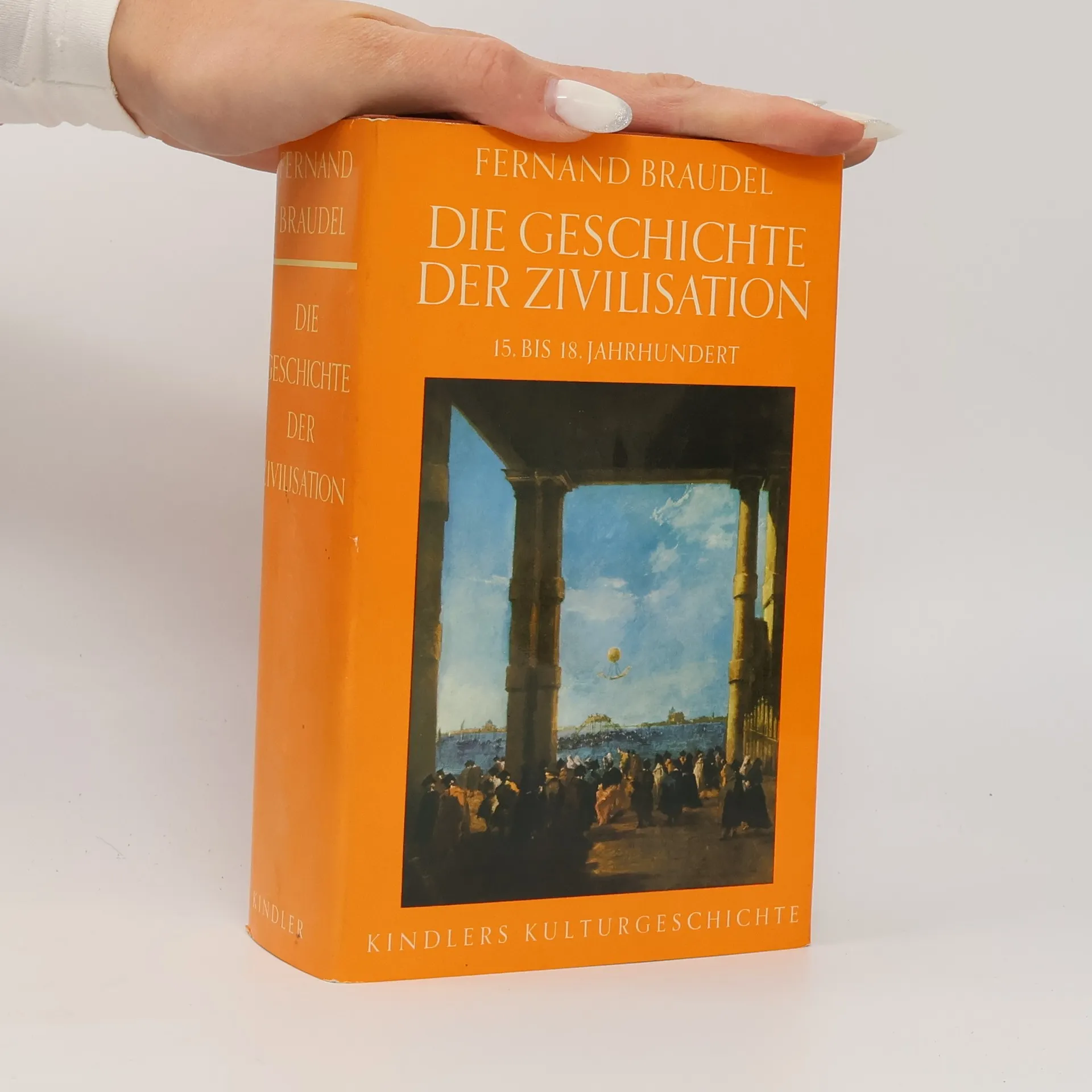
Die Geschichte der Zivilisation
- 658 stron
- 24 godziny czytania
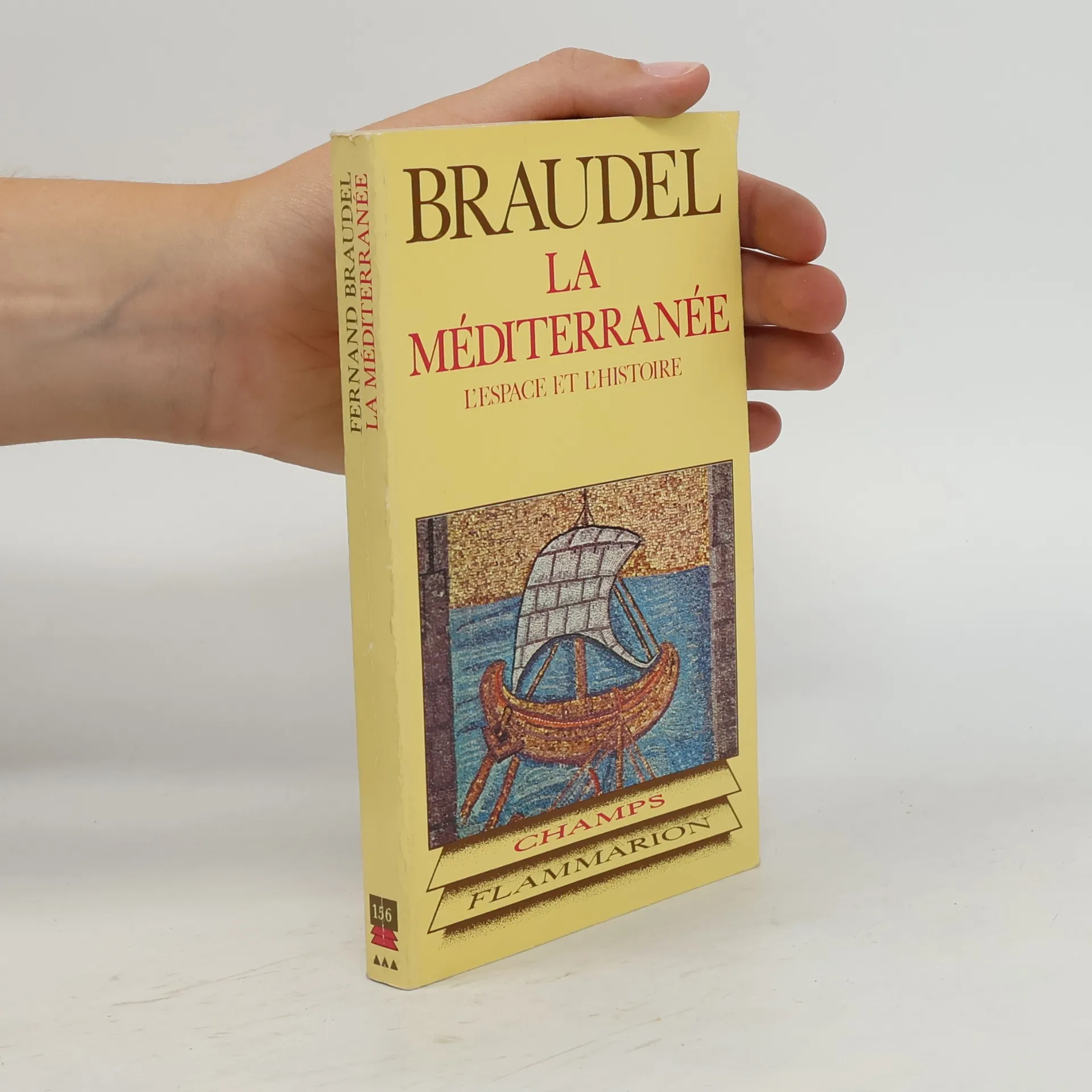
La Méditerranée
- 223 strony
- 8 godzin czytania
Ouvrage de référence, La Méditerranée offre une introduction limpide à la méthode historique de l'École des annales, en deux volumes : L'Espace et l'Histoire et Les Hommes et l'Héritage. C'est en plus un très beau texte, car Braudel possède une grande puissance dans l'évocation des paysages, ce qui rend la lecture captivante. Les paysages de la Méditerranée sont autant sujet que décor de sa démonstration : l'idée directrice est que ce sont les contrastes des lieux, plus forts en Méditerranée qu'ailleurs, qui ont engendré la variété des sociétés. De leurs rencontres, du conditionnement né de l'opposition entre la mer ouverte et un arrière-pays fermé, sont nées des civilisations contraintes à l'échange, au mélange, au contact. Les trois millénaires étudiés ici ne font que réitérer ces mêmes chocs, avec des combinaisons fluctuantes d'acteurs.Peu d'ouvrages d'histoire explicitent aussi bien la succession des civilisations, comme des vagues sur un rivage qu'elles changent à peine. C'est un leitmotiv de l'École des annales que d'insister sur le conditionnement des hommes par leur milieu ; la démonstration de La Méditerranée est l'une des plus séduisantes.--Frédéric J.
L'identité de la France I. Espace et histoire
- 368 stron
- 13 godzin czytania
Au soir de sa vie, le grand historien nous livre avec rigueur et passion les clefs de l'histoire de France : il en observe, fasciné, l'extrême diversité ; analyse les mouvements profonds et silencieux qui traversent l'espace ; situe les enjeux de son milieu géographique et de sa position européenne ; révèle les poids énormes des origines lointaines, des techniques et des traditions qui ont modelé son paysage.
La Méditerranée : les hommes et l'heritage
- 217 stron
- 8 godzin czytania
Ouvrage de référence, La Méditerranée offre une introduction limpide à la méthode historique de l'École des annales, en deux volumes : L'Espace et l'Histoire et Les Hommes et l'Héritage. C'est en plus un très beau texte, car Braudel possède une grande puissance dans l'évocation des paysages, ce qui rend la lecture captivante. Les paysages de la Méditerranée sont autant sujet que décor de sa démonstration : l'idée directrice est que ce sont les contrastes des lieux, plus forts en Méditerranée qu'ailleurs, qui ont engendré la variété des sociétés. De leurs rencontres, du conditionnement né de l'opposition entre la mer ouverte et un arrière-pays fermé, sont nées des civilisations contraintes à l'échange, au mélange, au contact. Les trois millénaires étudiés ici ne font que réitérer ces mêmes chocs, avec des combinaisons fluctuantes d'acteurs. Peu d'ouvrages d'histoire explicitent aussi bien la succession des civilisations, comme des vagues sur un rivage qu'elles changent à peine. C'est un leitmotiv de l'École des annales que d'insister sur le conditionnement des hommes par leur milieu ; la démonstration de La Méditerranée est l'une des plus séduisantes. --Frédéric J.
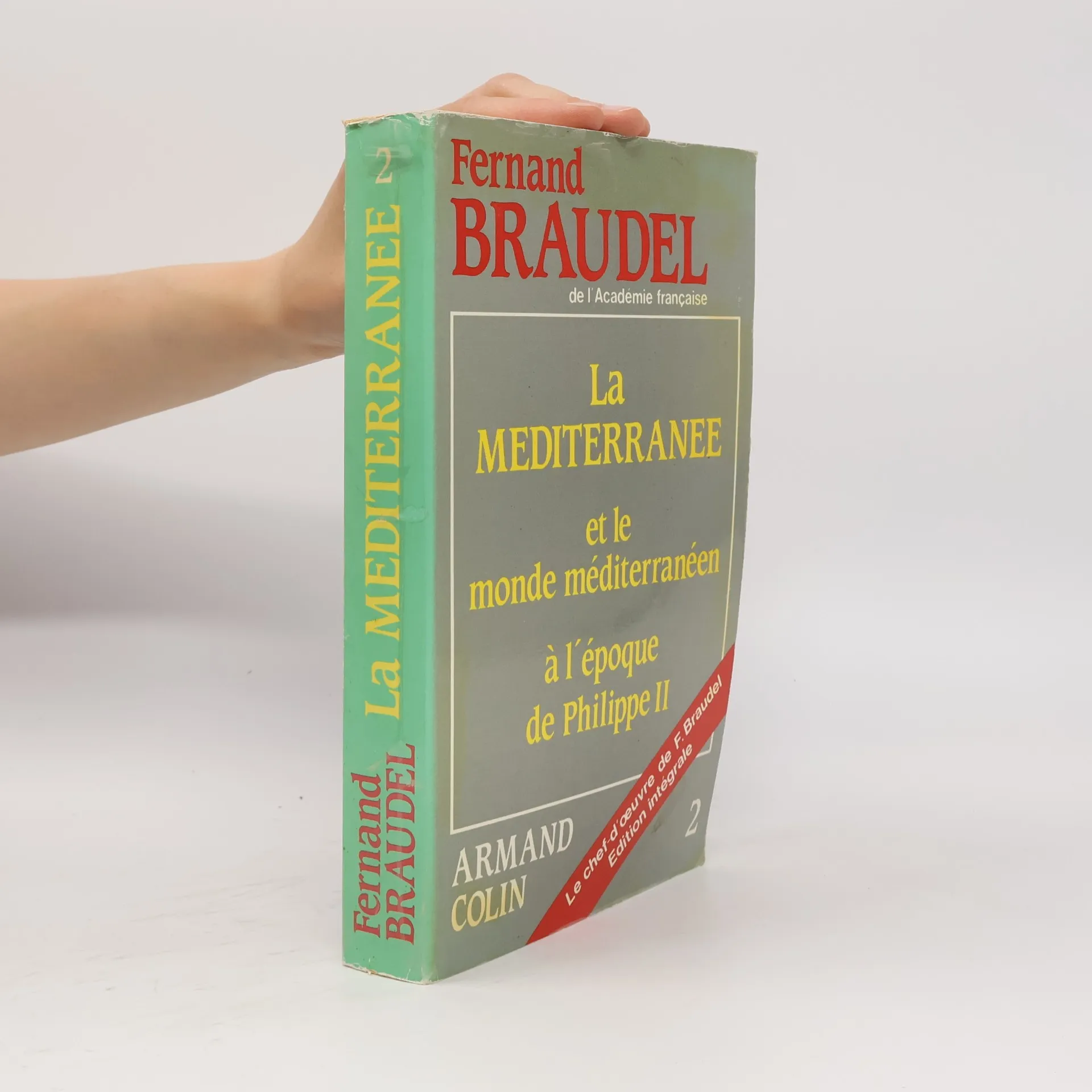
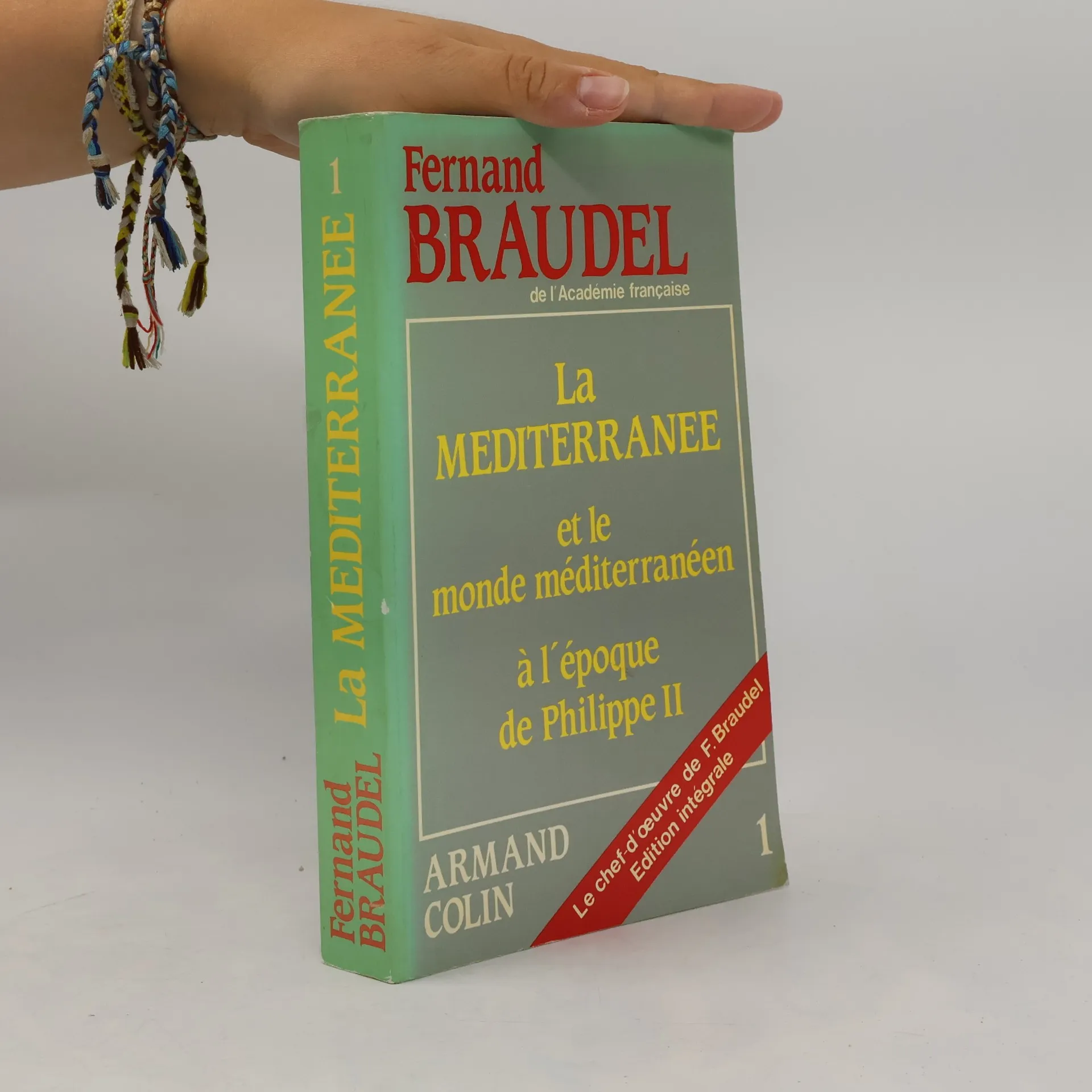
La Méditerranée et le monde méditerranéen à l'époque de Philippe II
- 1214 stron
- 43 godziny czytania
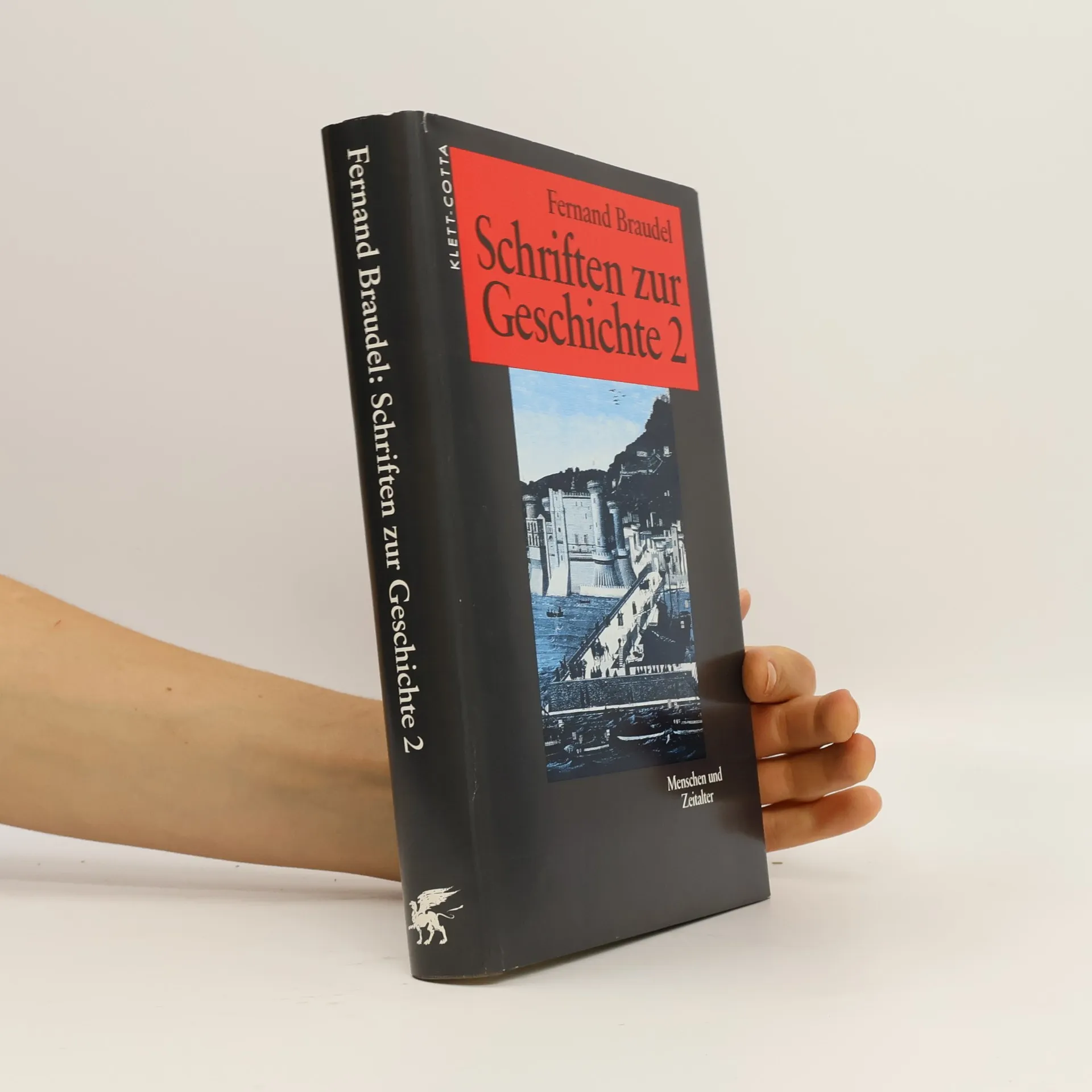
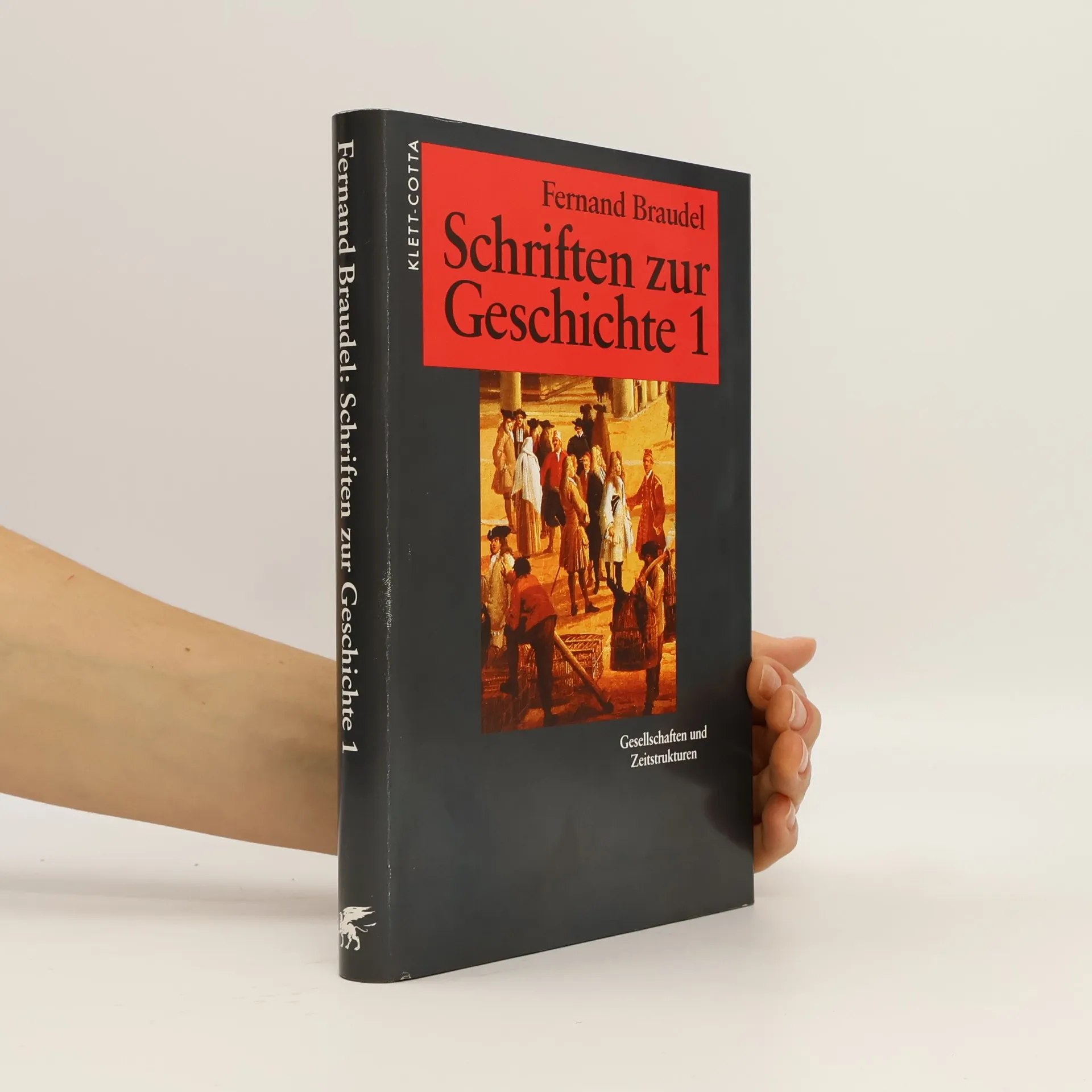
Schriften zur Geschichte 2
- 423 strony
- 15 godzin czytania
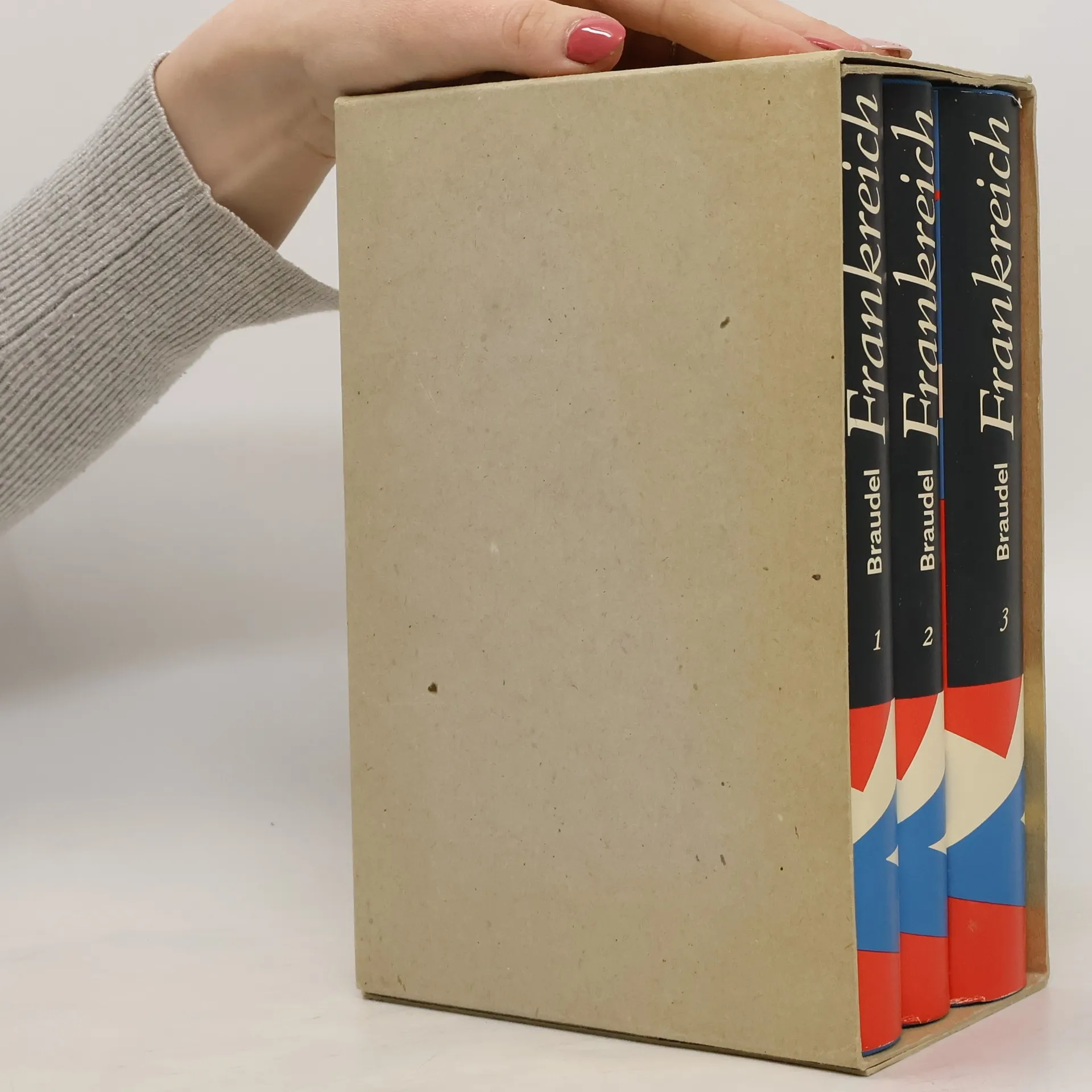
Frankreich 1-3
- 420 stron
- 15 godzin czytania
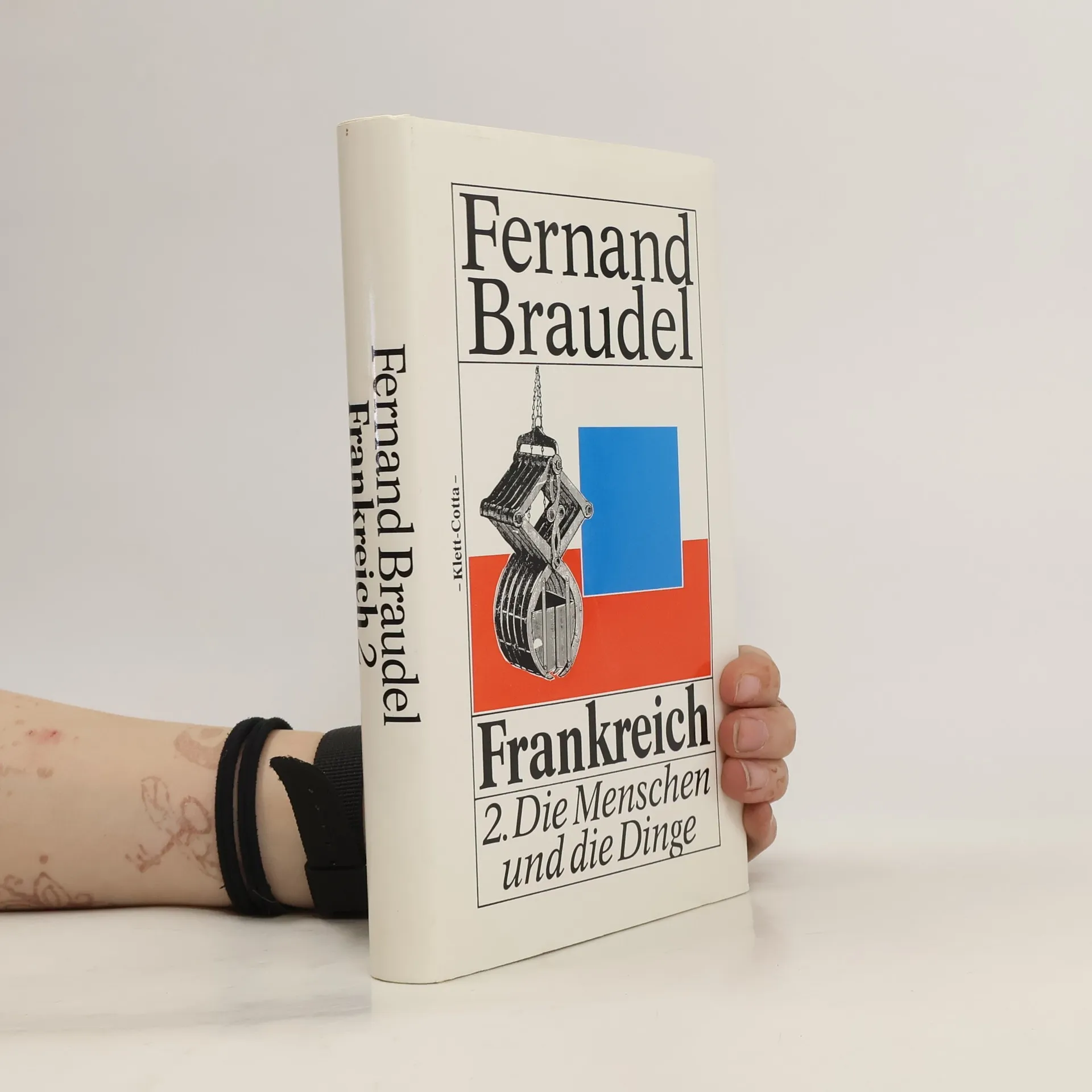
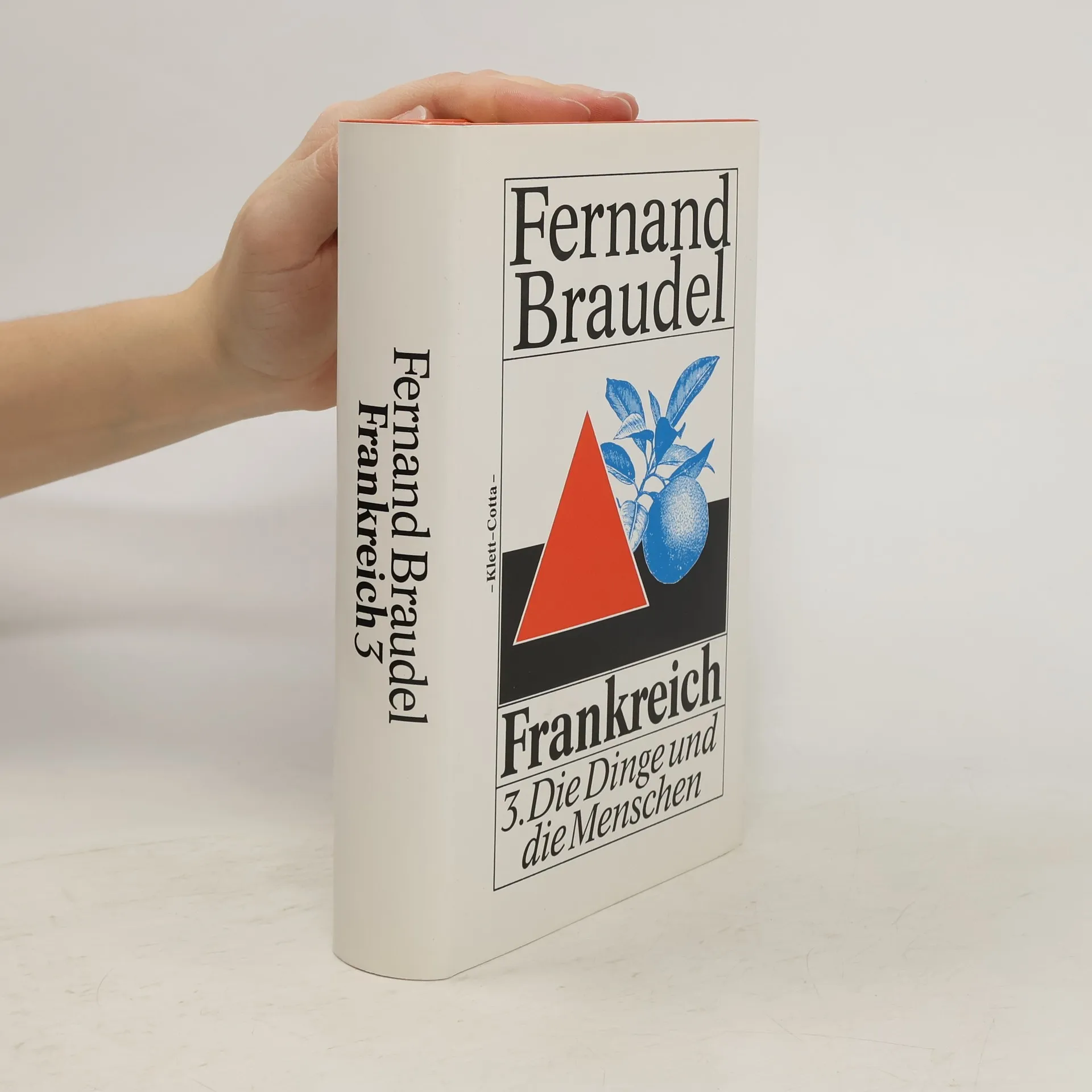
Die Buchreihe 'Frankreich 1-3' von Fernand Braudel bietet eine umfassende Analyse der französischen Geschichte und Kultur. In diesen Bänden wird Frankreichs Entwicklung von der Antike bis zur modernen Zeit beleuchtet, wobei Braudel seinen interdisziplinären Ansatz nutzt, um soziale, wirtschaftliche und geografische Faktoren zu untersuchen. Die ersten beiden Bände konzentrieren sich auf die politischen Strukturen, gesellschaftlichen Veränderungen und kulturellen Strömungen, die Frankreich geprägt haben. Braudel analysiert die Rolle der Geographie und der Wirtschaft in der Formung nationaler Identitäten und beleuchtet die Wechselwirkungen zwischen verschiedenen sozialen Klassen. Im dritten Band wird die moderne Geschichte behandelt, wobei Braudel die Auswirkungen der Weltkriege und der Globalisierung auf Frankreich thematisiert. Die Werke sind reich an historischen Details und bieten eine tiefgehende Reflexion über die Komplexität der französischen Identität. Braudel verwendet eine narrative Struktur, die es dem Leser ermöglicht, die vielschichtigen Entwicklungen und deren Einfluss auf die Gegenwart nachzuvollziehen. Diese Reihe ist ein bedeutendes Werk für das Verständnis der französischen Geschichte und ihrer kulturellen Dynamik.
Extrait de Villages désertés et histoire économique
XI - XVIII siècle
Frankreich
- 233 strony
- 9 godzin czytania
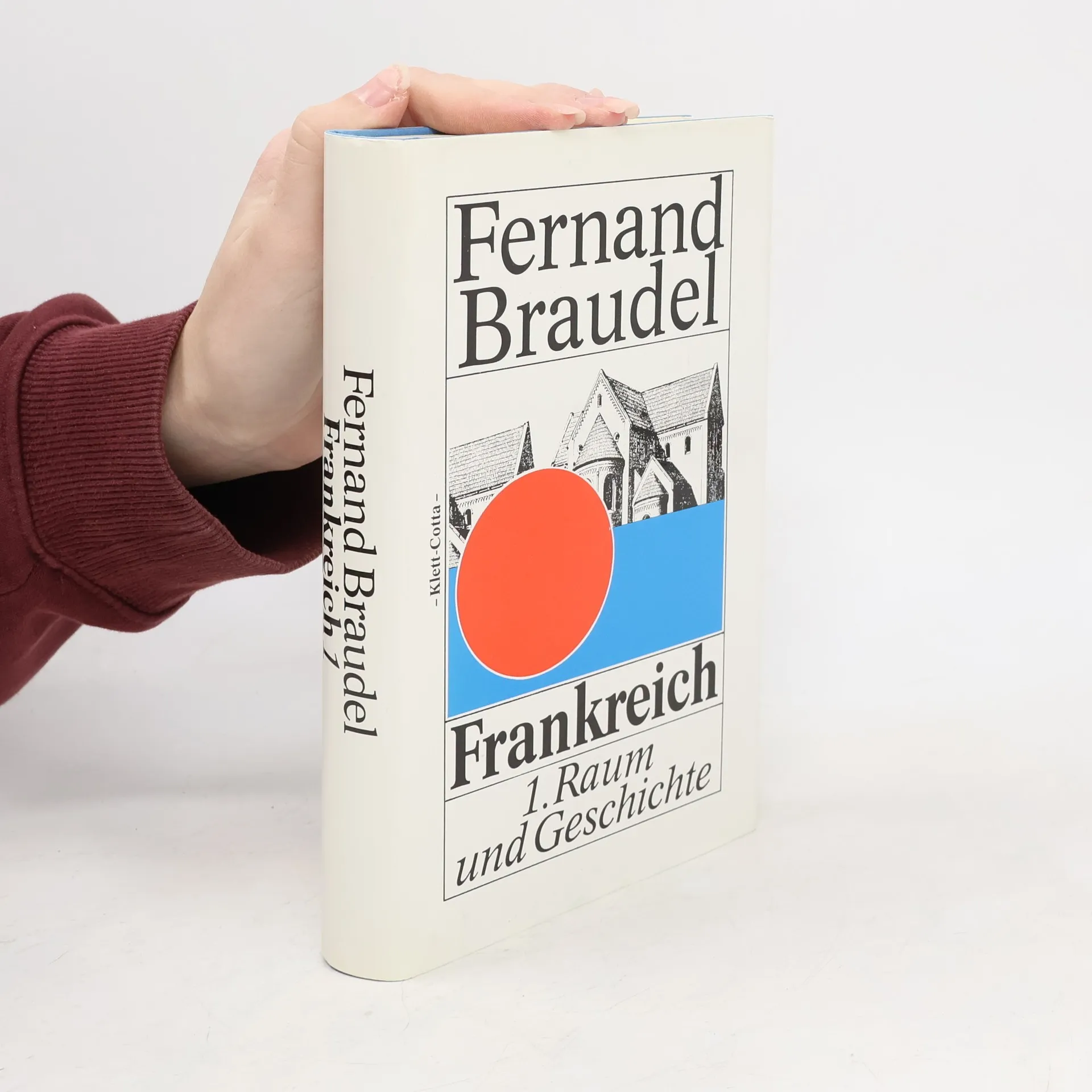
Frankreich 1. Raum und Geschichte
- 420 stron
- 15 godzin czytania
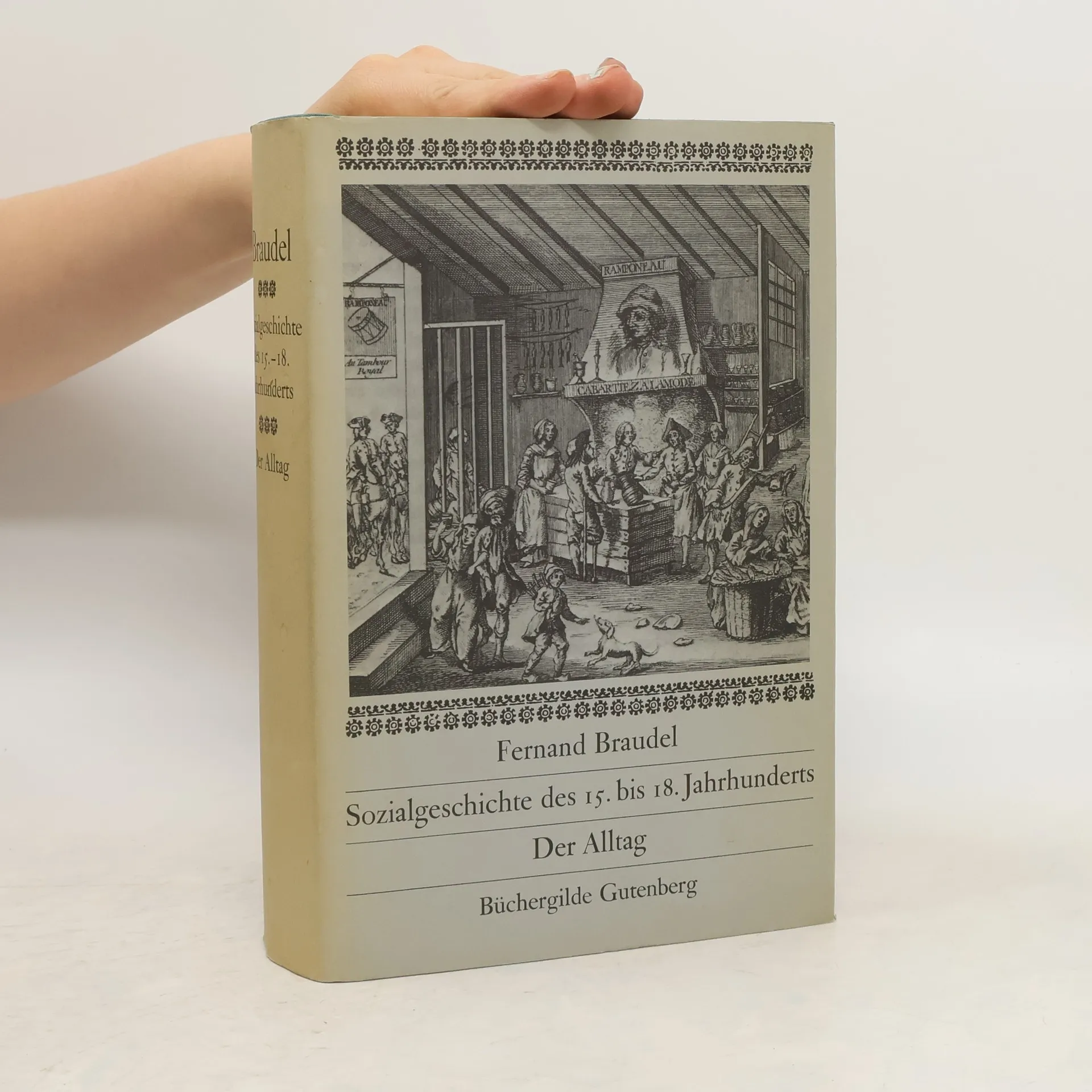
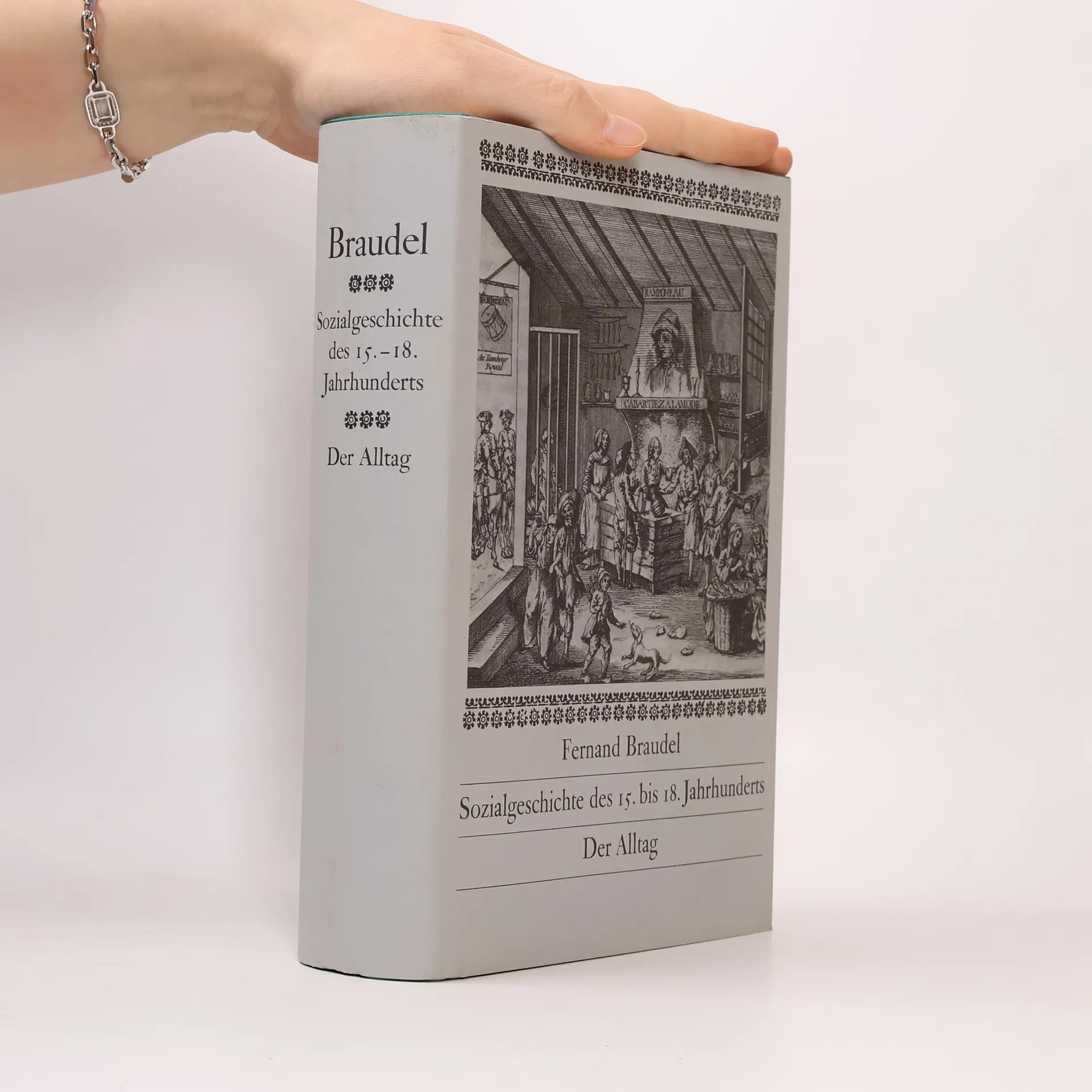
Sozialgeschichte des 15. - 18. Jahrhunderts. Der Alltag
- 670 stron
- 24 godziny czytania
Sozialgeschichte des 15.-18. Jahrhunderts
- 736 stron
- 26 godzin czytania
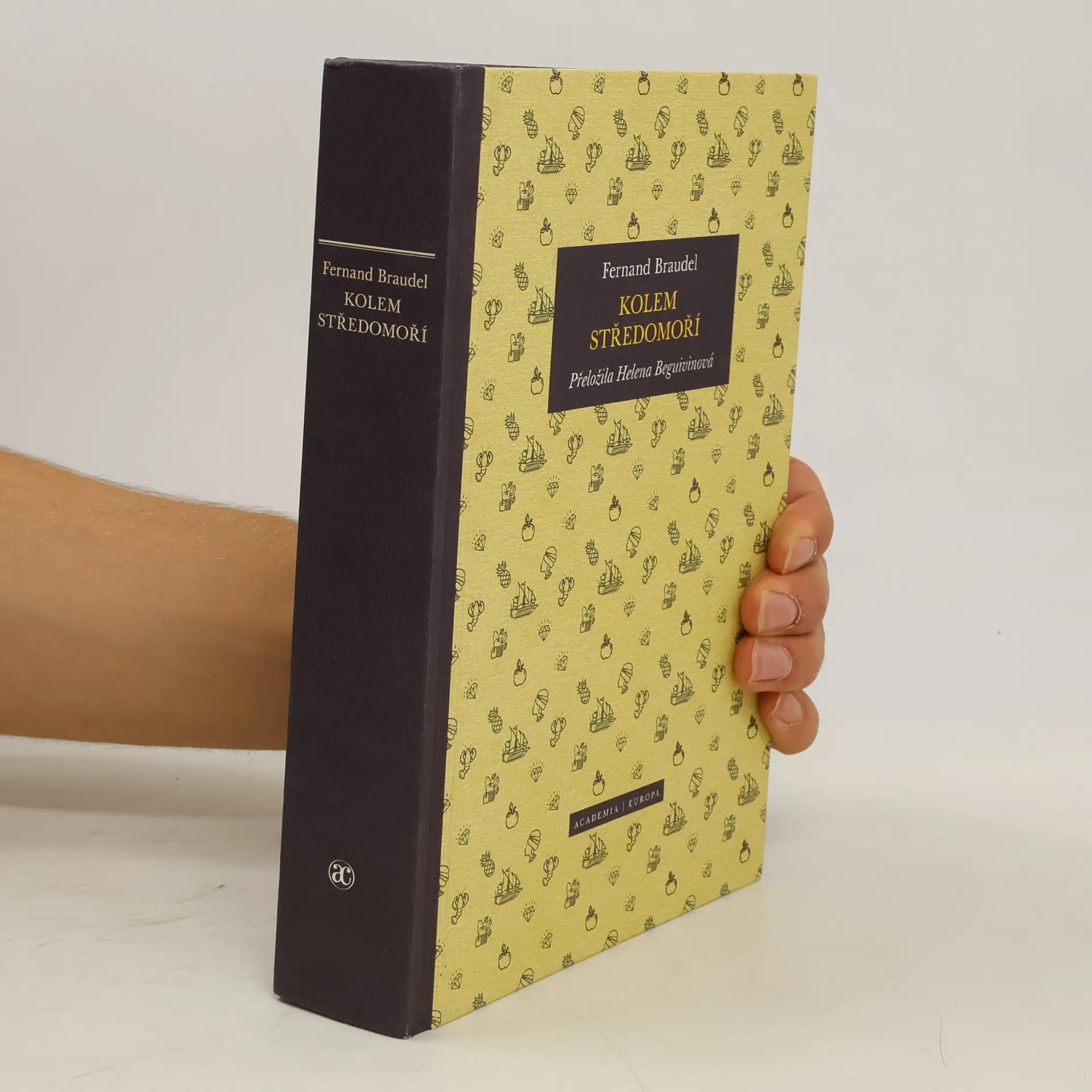
Kolem Středomoří
- 556 stron
- 20 godzin czytania
Kniha Kolem Středomoří je soubor Braudelových textů, které nějakým způsobem souvisejí s jeho zásadní knihou Středomoří a středomořský svět v době Filipa II. Soubor se skládá ze tří částí, z geografického hlediska věnovaných severní Africe, Španělsku a Itálii, a tvoří ho Braudelovy články a recenze knih na téma Středomoří v 16.–17. století. Umožní zejména historikům lepší vhled do způsobu Braudelovy práce, do příprav a obecně vzniku díla, které vyšlo z Braudelovy disertační práce (1947) a poté ho autor upřesňoval a mírně přepracoval (1966). Od prvního vydání v roce 1949 se ve Francii dočkalo osmi dalších vydání.
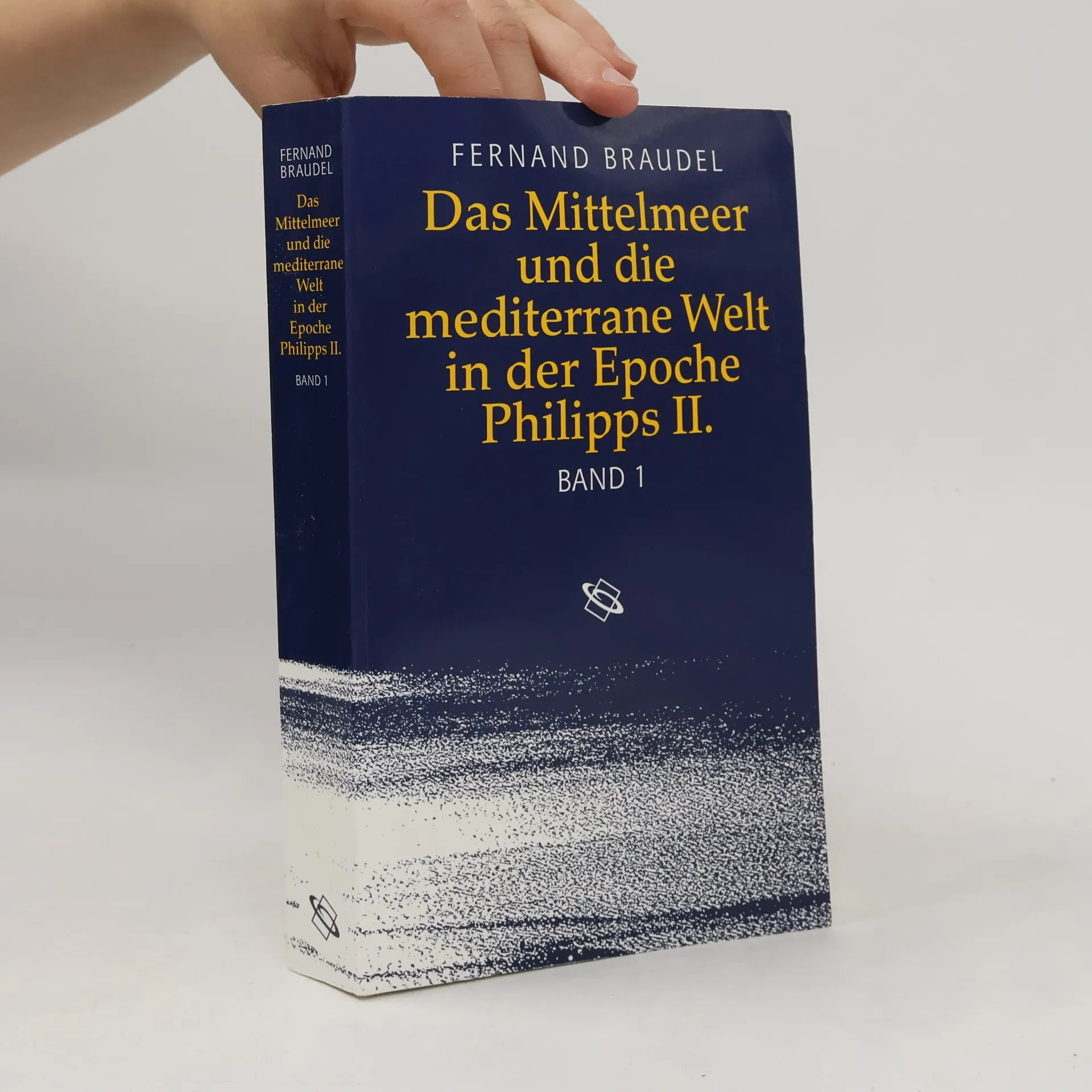
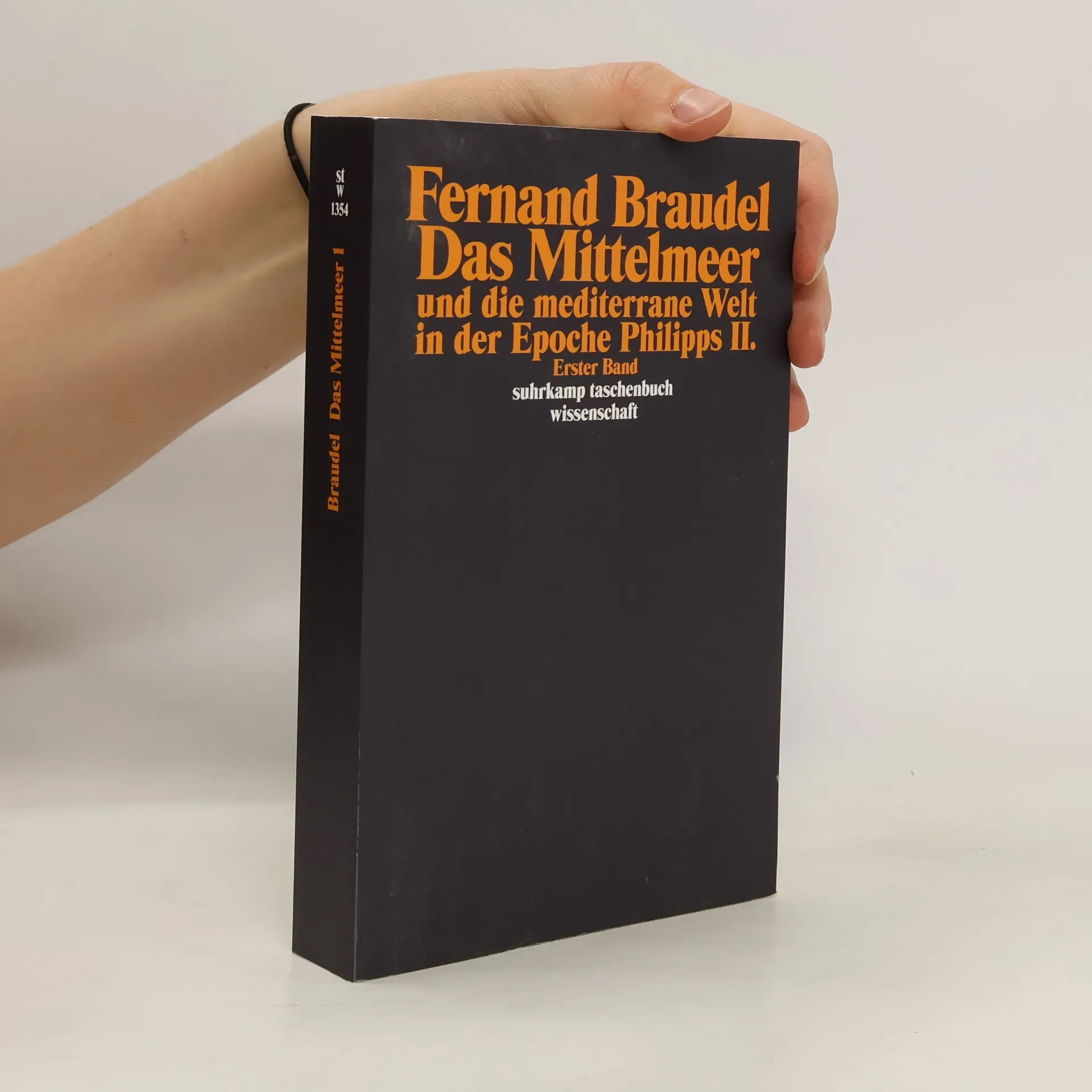
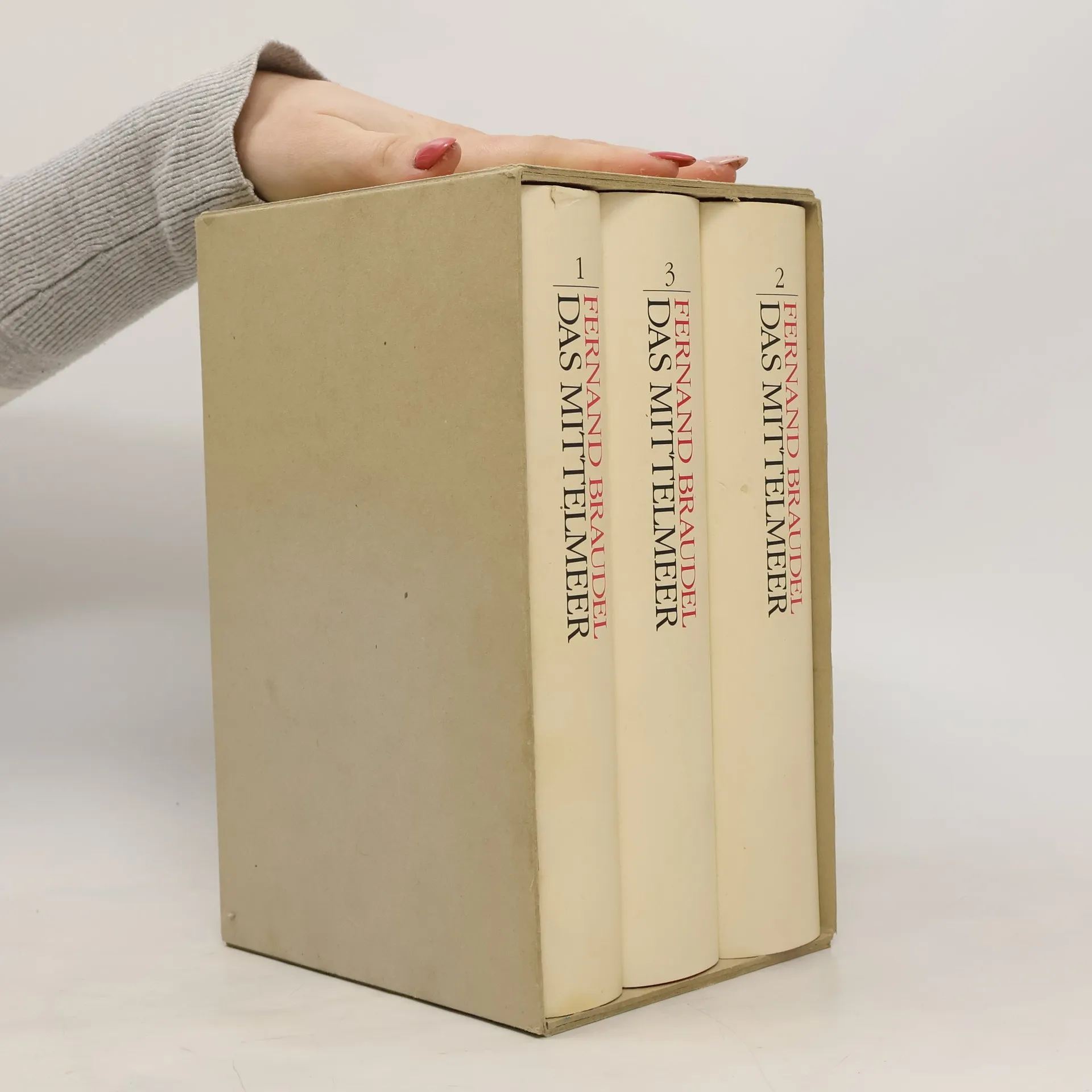
Das Mittelmeer und die mediterrane Welt in der Epoche Philipps II
Übersetzt von Grete Osterwald und Günter Seib. 3 Bände
Der Schwerpunkt von Fernand Braudels großem Werk liegt auf der mediterranen Welt in der zweiten Hälfte des sechzehnten Jahrhunderts, doch Braudel reicht in der Geschichte zurück bis zur Welt des Odysseus und vor bis in unsere Zeit, indem er sich vom Mittelmeerraum in die Neue Welt und zu anderen Zielen der mediterranen Händler bewegt. Braudels Umfang umfasst die natürliche Welt und das materielle Leben, Wirtschaft, Demografie, Politik und Diplomatie.
Karl V.
- 79 stron
- 3 godziny czytania
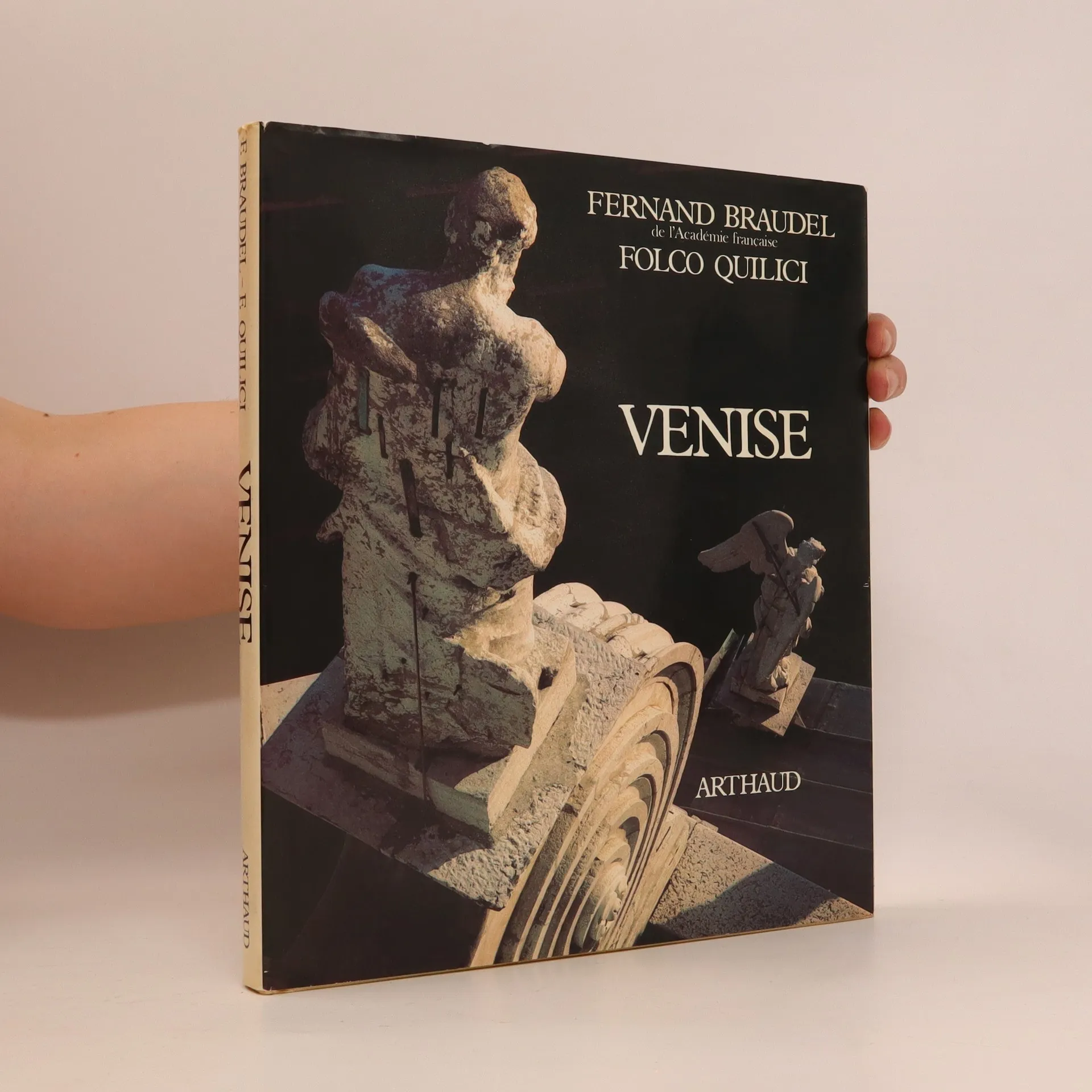
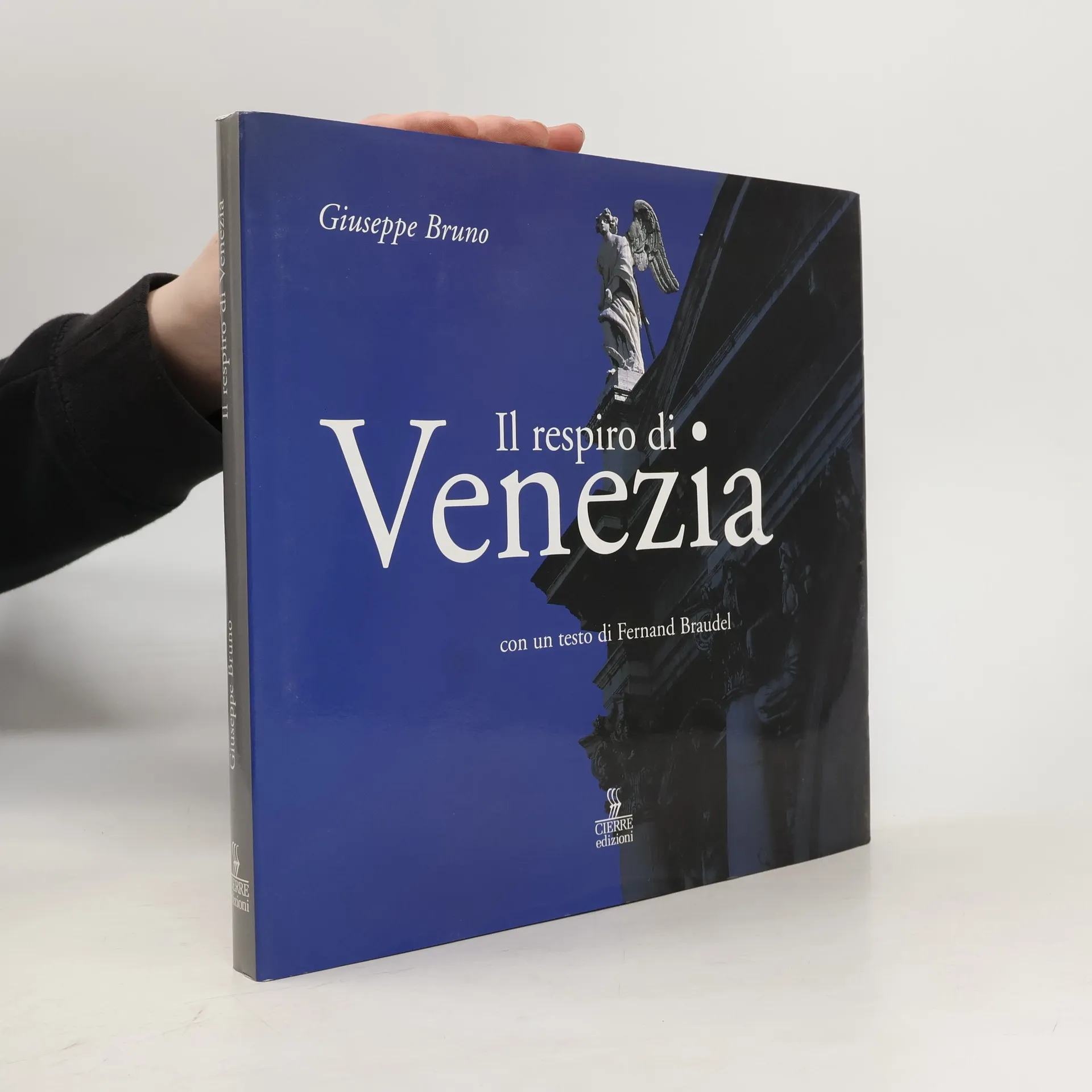
Venise
- 170 stron
- 6 godzin czytania
«La règle est que rien à Venise n'existe comme ailleurs, rien ne ressemble à ce que l'on peut trouver dans un autre endroit.» Venise comme objet d'étude et comme lieu du cœur. À la fois guide sentimentale de la ville, chevauchée dans son histoire («un passé trop dense de siècles, trop riche de gloire») et réflexion sur son destin : unissant divagation littéraire et mémoire, regard historique et curiosité de voyageur, Braudel nous propose une extraordinaire introduction d’auteur à Venise.
L'Identité de la France. Espace et Histoire n'est pas une histoire de France parmi beaucoup d'autres... C'est l'oeuvre finale de l'un des plus importants historiens français du XXe siècle. Braudel, qui avait surtout promené sa plume autour de la Méditerranée, ressentit le besoin ultime d'appliquer à sa terre natale les méthodes qui avaient fait le succès de la "nouvelle histoire". Tout y est, même si le projet demeure inachevé : la recherche des permanences sur la longue durée, la convocation féconde de toutes les sciences humaines pour analyser un sujet, la France, que l'auteur dit "aimer avec passion". Le style vif et plaisant transforme la lecture en promenade à travers les siècles. Cette étude des cycles longs aboutit à un constat de "diversité" qui vaut autant pour l'histoire que pour la géographie du pays. Véritable introspection testamentaire, le tableau de ces Frances successives délivre non seulement les clés de la compréhension d'une grande nation, mais aussi de la méthode d'un historien qui a fait école. --Stéphane Pares
De structuur van het dagelijks leven (Beschaving, economie en kapitalisme 15de-18de eeuw, 1)
- 599 stron
- 21 godzin czytania
In 'Het spel van de handel' analyseert Fernand Braudel op een speelse en toegankelijke manier de economische praktijk tussen de vijftiende en de achttiende eeuw. De pre-industriële economie wordt voorgesteld als een complex bouwwerk met verschillende niveaus; op de begane grond staat het materiële bestaan van zelfvoorziening. Aan het begin van het boek bevindt deze zelfvoorziening zich op de drempel van het ruilverkeer, waarbij marskramers van dorp naar dorp trekken met naalden, garens en glaswerk uit Bohemen. Braudel verkent vervolgens de hogere verdiepingen: de markteconomie met winkels, jaarmarkten en internationale handelscentra zoals Brugge, Antwerpen en Amsterdam, waar geavanceerde vormen van kapitalisme bloeiden. In deze bovenverdieping gelden andere regels en een andere mentaliteit; hier spelen de spelers om het spel. In de zeventiende eeuw speculeert men op de Amsterdamse effectenbeurs met staatsobligaties en aandelen van de Verenigde Oost-Indische Compagnie. Dit werd door tijdgenoten als 'onnatuurlijk' beschouwd, met transacties van haring vóór de vangst en graan dat nog op het land stond. Aan het eind benadrukt Braudel de sociale en politieke implicaties van dit dynamische kapitalisme, waarbij hij de woorden aanhaalt van een Franse priester die de uitbuiting door Hollandse kooplui beschrijft, die boeren onder druk zetten om hen een handgeld te betalen voor hun wijnoogst.
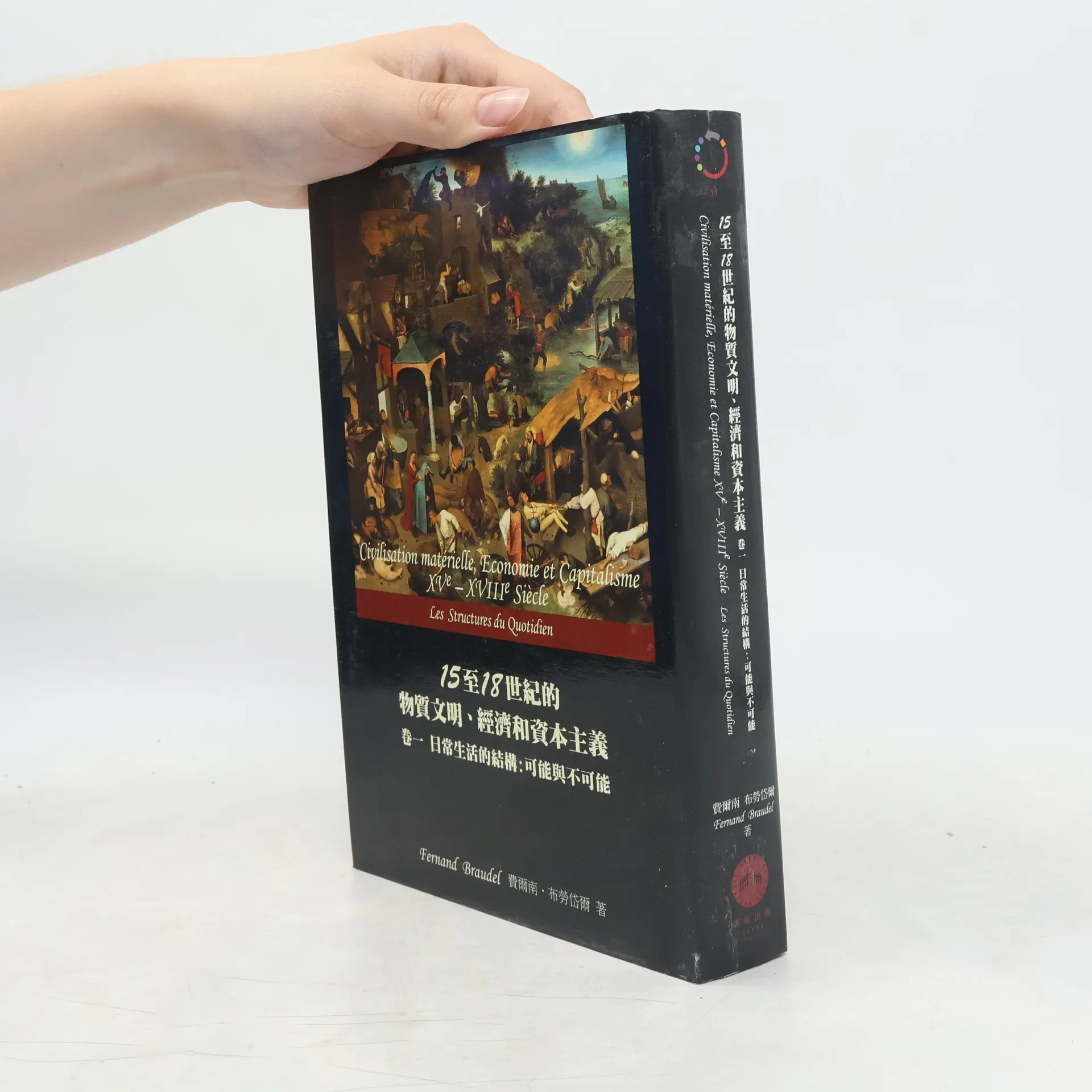
15 至 18 世紀的物質文明、經濟和資本主義 1
日常生活的結構:可能與不可能 / Les Structures du Quotidien
經濟不是以一種形式,而是以多種形式同時存在。人們喜歡描述那種被稱作市場經濟的形式,經濟科學的也是依據這些看似「透明的現實」進行論述。作為市場經濟獨特標誌的競爭並未全面支配整個經濟活動,在市場之下存在一個不透明,卻是每個人到處都會遇到,最起碼、最基本的活動物質文明。它是自給自足的經濟以及近距離的物物交換、勞務交換。市場之上也有一個不透明的層次,我認為它是資本主義的典型活動場所。沒有它,資本主義是不可想像的;資本主義不但置身其中,並且在其中繁榮。此類資本主義說是例外,但在我看來這才是真正的資本主義。它是始終是跨國家的,它與過去存在的各家印度公司和其他在法律和事實上存在的大小壟斷組織具有親緣關係,與現有的壟斷資本主義也一脈相承。第一卷是三卷中最複雜的一卷,複雜的原因在於我們要探索過去不被注意的題材—人口、食物、衣著、住房、技術、貨幣、城市等等,並且要將之納入一部連貫的歷史中,這麼做是為了勾畫出前工業時期經濟活動的領域、掌握它的廣度與深度。沒有鄉村,如何懂得城市?沒有物物交換,又哪來貨幣?沒有五花八門的奢侈,怎有形形色色的貧困?兩個層次共存的這項挑戰要求歷史學家必須用辯證法做出說明。因此,我朝著日常生活的場景:可能和不可能。
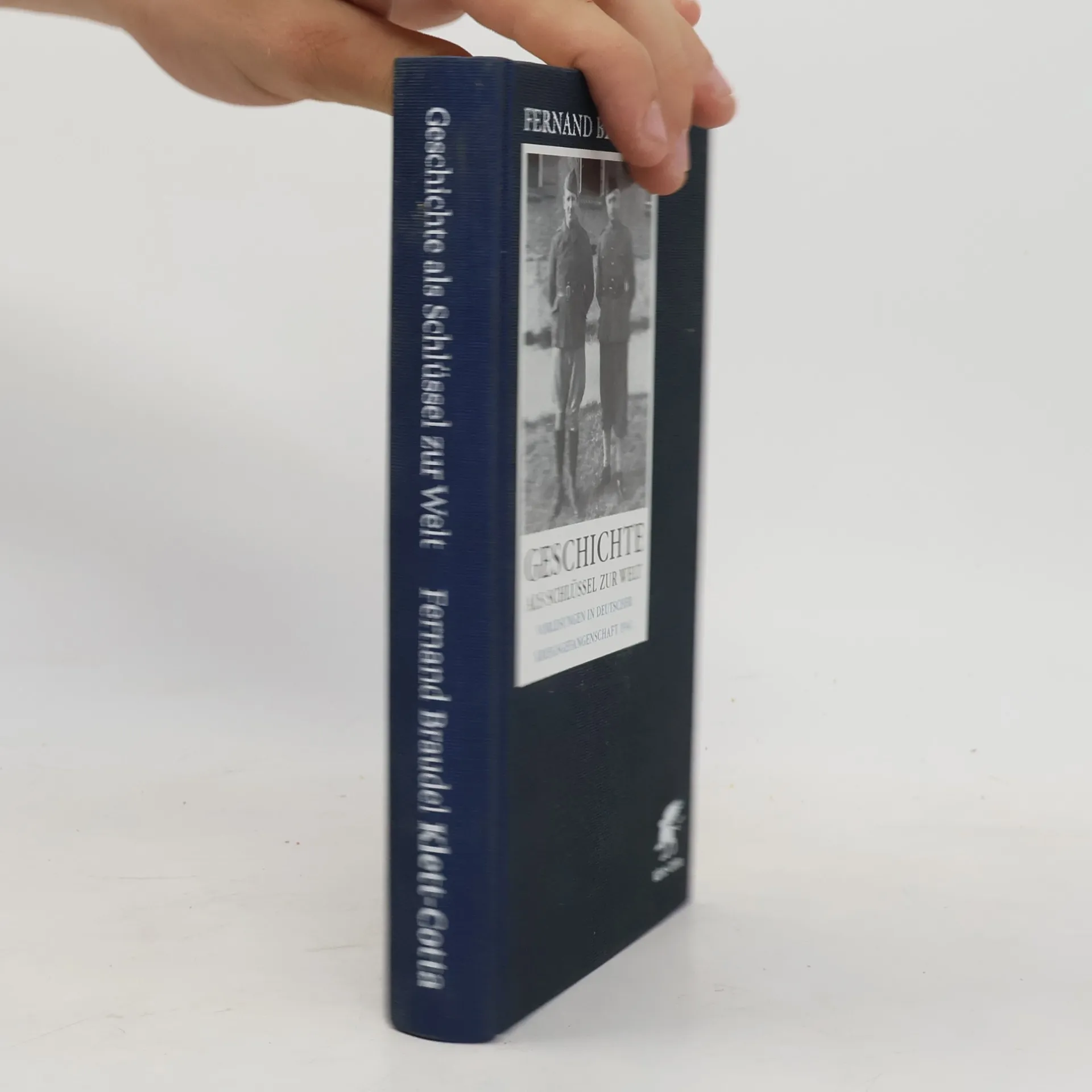
Geschichte als Schlüssel zur Welt
Vorlesungen in deutscher Kriegsgefangenschaft 1941
- 232 strony
- 9 godzin czytania
1940 geriet Leutnant Fernand Braudel in deutsche Kriegsgefangenschaft. Fünf Jahre lang, zuerst in Mainz, dann in einem Lager bei Lübeck, wartete der Historiker auf die Befreiung – und füllte gleich-zeitig hunderte Notizhefte. So entstand sein berühmtes Buch »Das Mittelmeer und die mediterrane Welt in der Epoche Philipps II.«, das die Geschichtsschreibung revolutionierte. Aber Braudel hielt auch Vorträge im Rahmen der »Lageruniversitäten«. Zufällig wurde ein Teil dieser Manuskripte kürzlich wiedergefunden, aus denen Braudel noch vor Kriegsende ein Einführungsbuch in die Geschichtswissenschaft zusammenstellen wollte. In diesen Texte wird zum ersten Mal sichtbar, wie sich der Historiker die Geschichte als Wissenschaft und Handwerk vorstellte, wie sich aktuelle »Zeitgeschichte« und die »Geschichte der langen Dauer« zueinander verhalten. Diese Vorträge dienten ihm in den Kriegswirren und in trostloser Gefangenschaft als »Schlüssel zur Welt«.
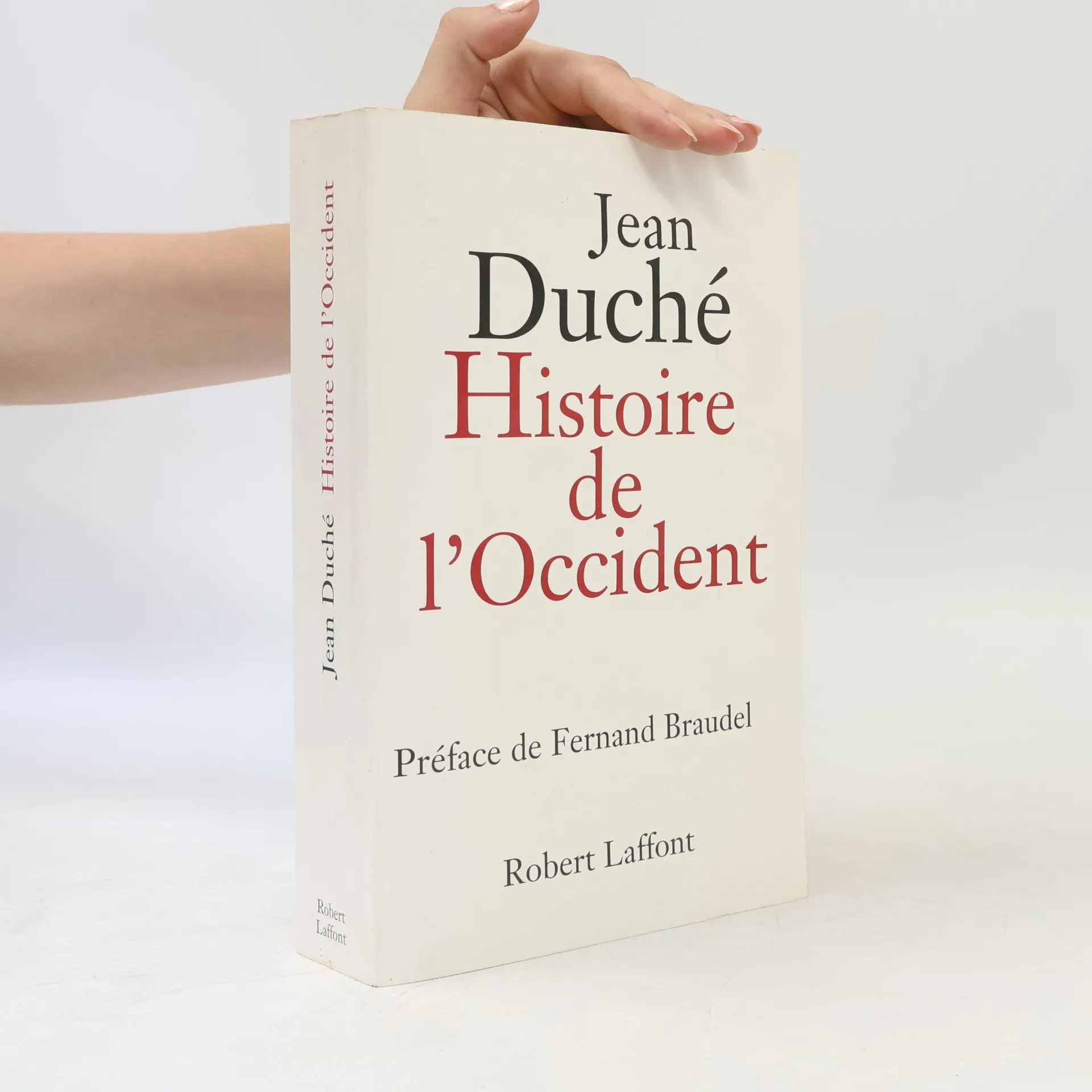
Histoire de l'Occident
- 704 strony
- 25 godzin czytania
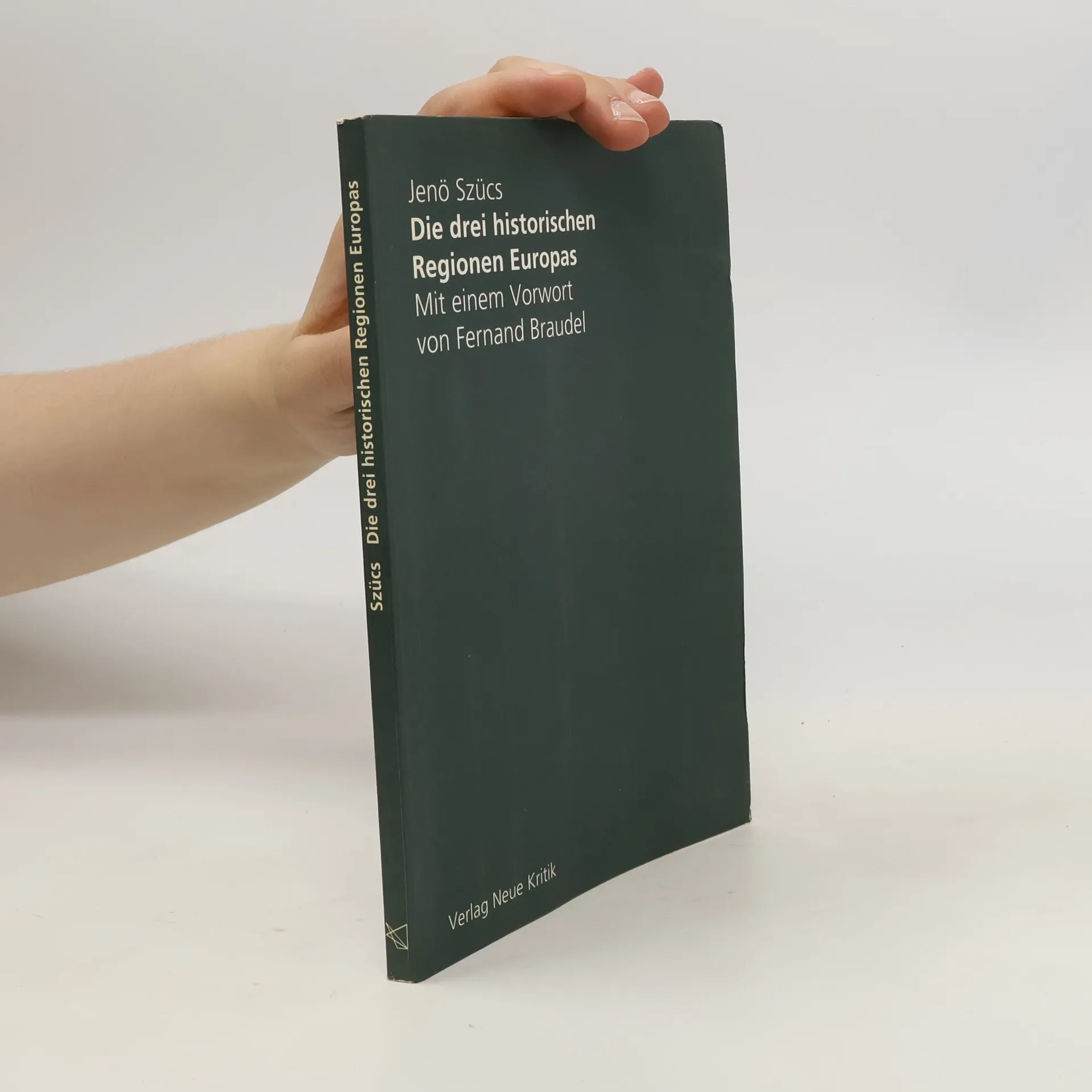
Jeder kennt die Linie, die Europa in den letzten Jahrzehnten in markante Hälften trennte. Doch wenige wissen, dass diese Grenze entlang Elbe und Leitha bereits seit dem Frühmittelalter eine strukturelle Trennlinie zwischen »Europa occidentalis« und »Europa orientalis« war. Beidseits dieser Linie bildete sich eine Zwischenregion, ein drittes Europa, Mitteleuropa. Diesem - nicht nur geographischen - Raum gilt das Interesse des ungarischen Historikers Jenö Szücs (1928-1988). Frei von Habsburgmythos oder fragwürdiger Nostalgie versucht er, die politischen Strukturen dieser Region verständlich zu machen. Sein faszinierend zu lesender, historisch bis ins Frühmittelalter reichender Rückgriff ist methodisch in Anlehnung an die Vertreter der französischen »Annales«-Schule (Jacques le Goff, Fernand Braudel und Georges Duby) geschrieben. Die vorliegende Studie von Jenö Szücs, deren Übersetzung in Frankreich und England große Resonanz fand, trägt mit der Darstellung und Erklärung dieser langfristig in Ostmitteleuropa wirkenden Strukturen zugleich zum Verständnis der aktuellen politischen Zusammenhänge bei, ohne dabei von der historischen Darstellung abzuweichen.
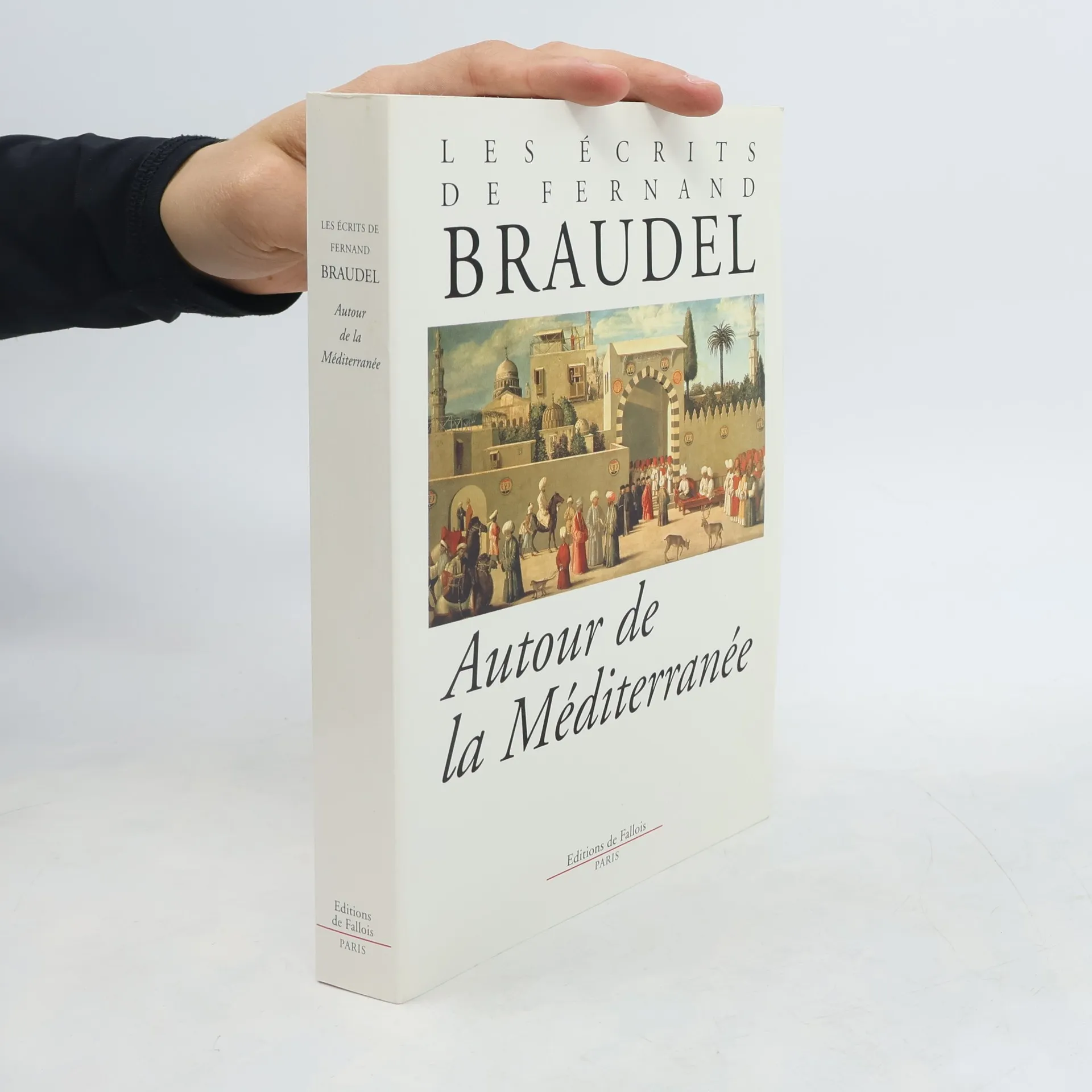
Les Écrits de Fernand Braudel - 1: Autour de la Méditerranée
- 535 stron
- 19 godzin czytania
French
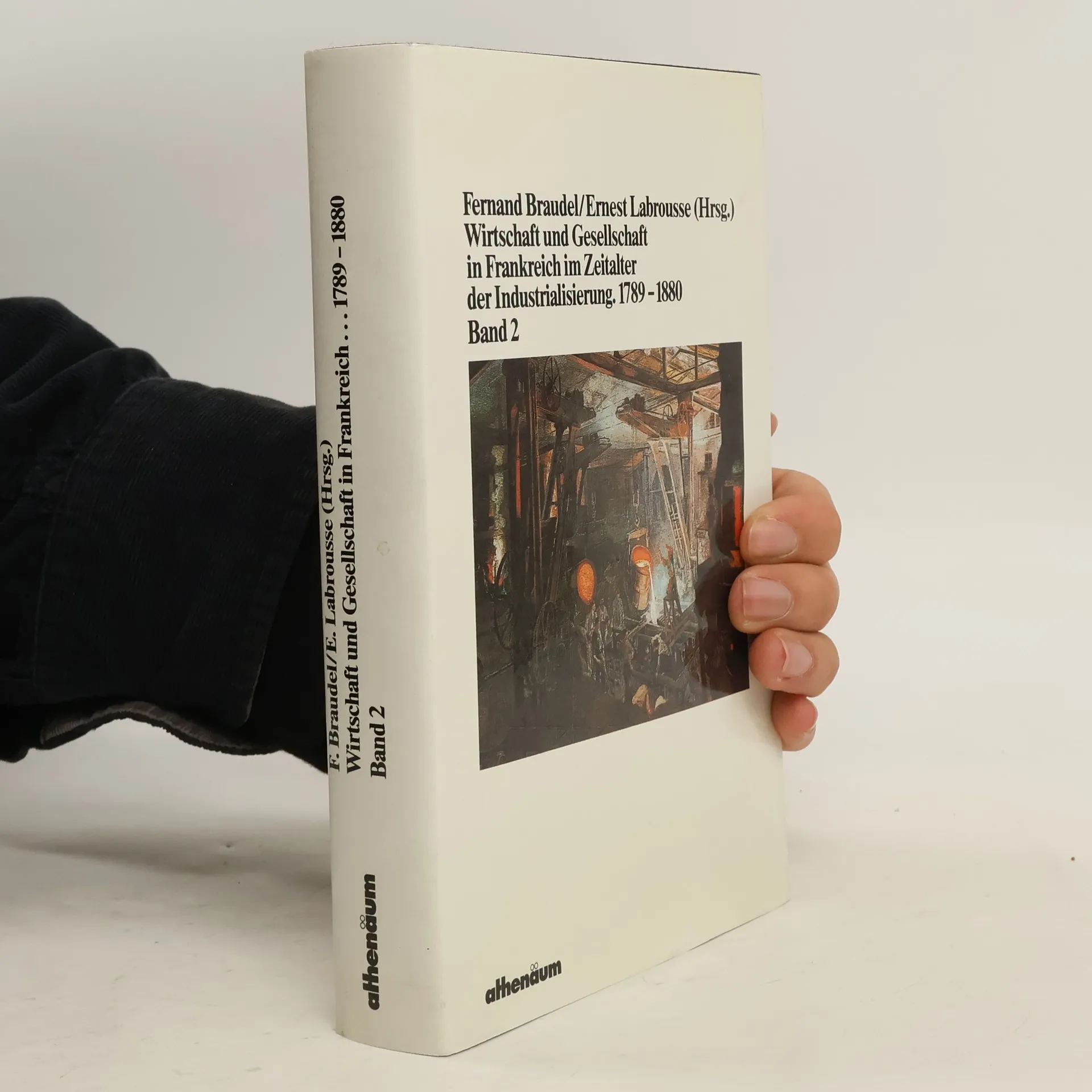
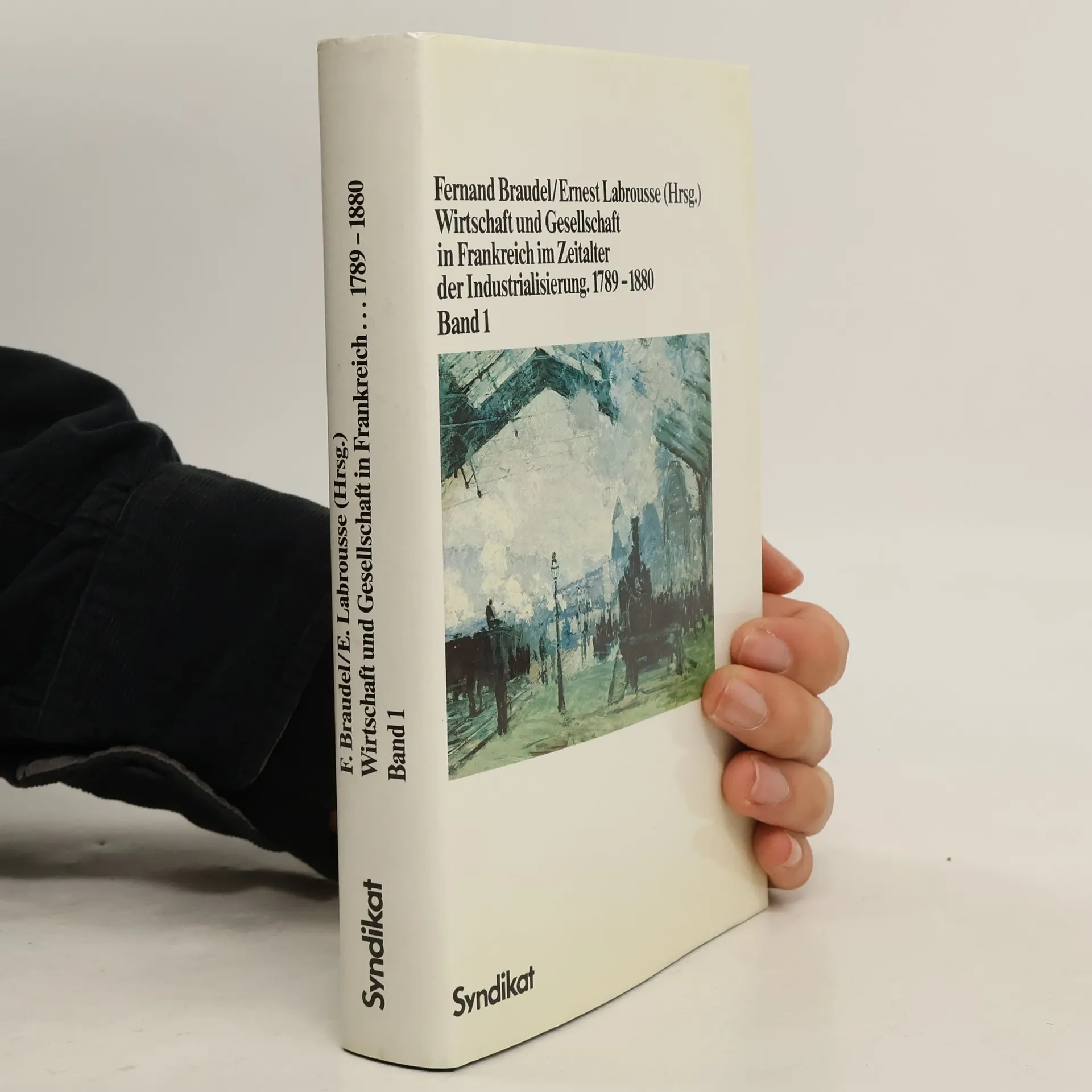
Wirtschaft und Gesellschaft in Frankreich im Zeitalter der Industrialisierung, 1789 - 1880
- 458 stron
- 17 godzin czytania
Wirtschaft und Gesellschaft in Frankreich im Zeitalter der Industrialisierung, 1789-1880
- 401 stron
- 15 godzin czytania
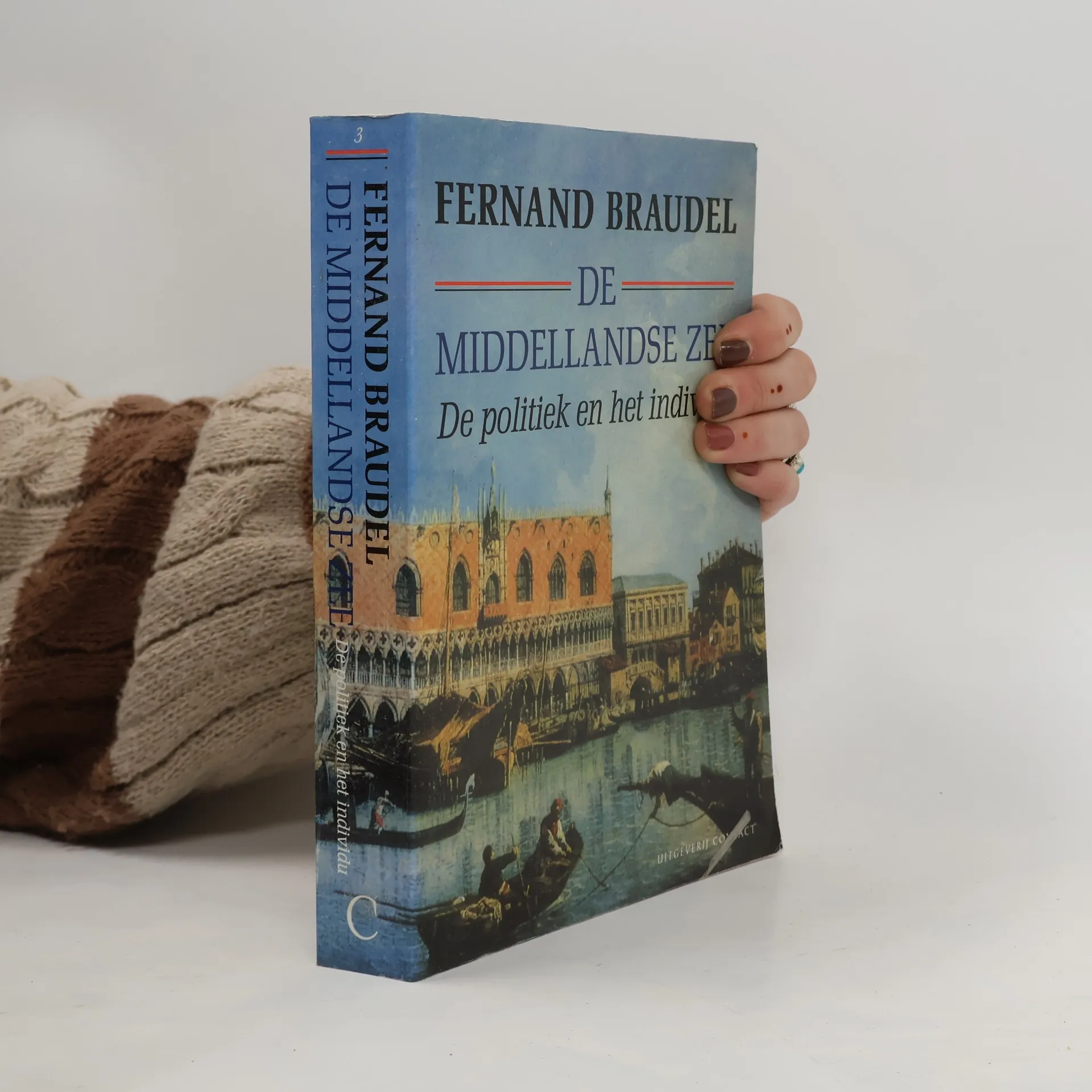
De Middellandse Zee van Fernand Braudel vormt een van de monumenten van de Franse historische traditie. Deze thesis, het resultaat van meer dan twintig jaar werk, is voornamelijk uit het geheugen geschreven, terwijl de historicus tijdens de Tweede Wereldoorlog in gevangenschap was. Het werk heeft een dubbele belangstelling: ten eerste beschouwt het deze uitgestrekte wateren als een volwaardig historisch personage, en ten tweede gebruikt het een originele temporele architectuur. De auteur onderscheidt drie tijden in de geschiedenis, waaraan hij elk een deel wijdt: de "lange duur" of de vrijwel immobiele geschiedenis van de relatie tussen de mens en zijn geografische omgeving, de langzame geschiedenis van de grote economische en sociale ritmes, en tenslotte de evenementiële geschiedenis in de snelle tijd van oorlog en politiek. Het boek sluit af aan het einde van de 16e eeuw, wanneer de Middellandse Zee haar laatste glorietijd kent en uit de grote geschiedenis verdwijnt ten gunste van Amerika en de Atlantische Oceaan.
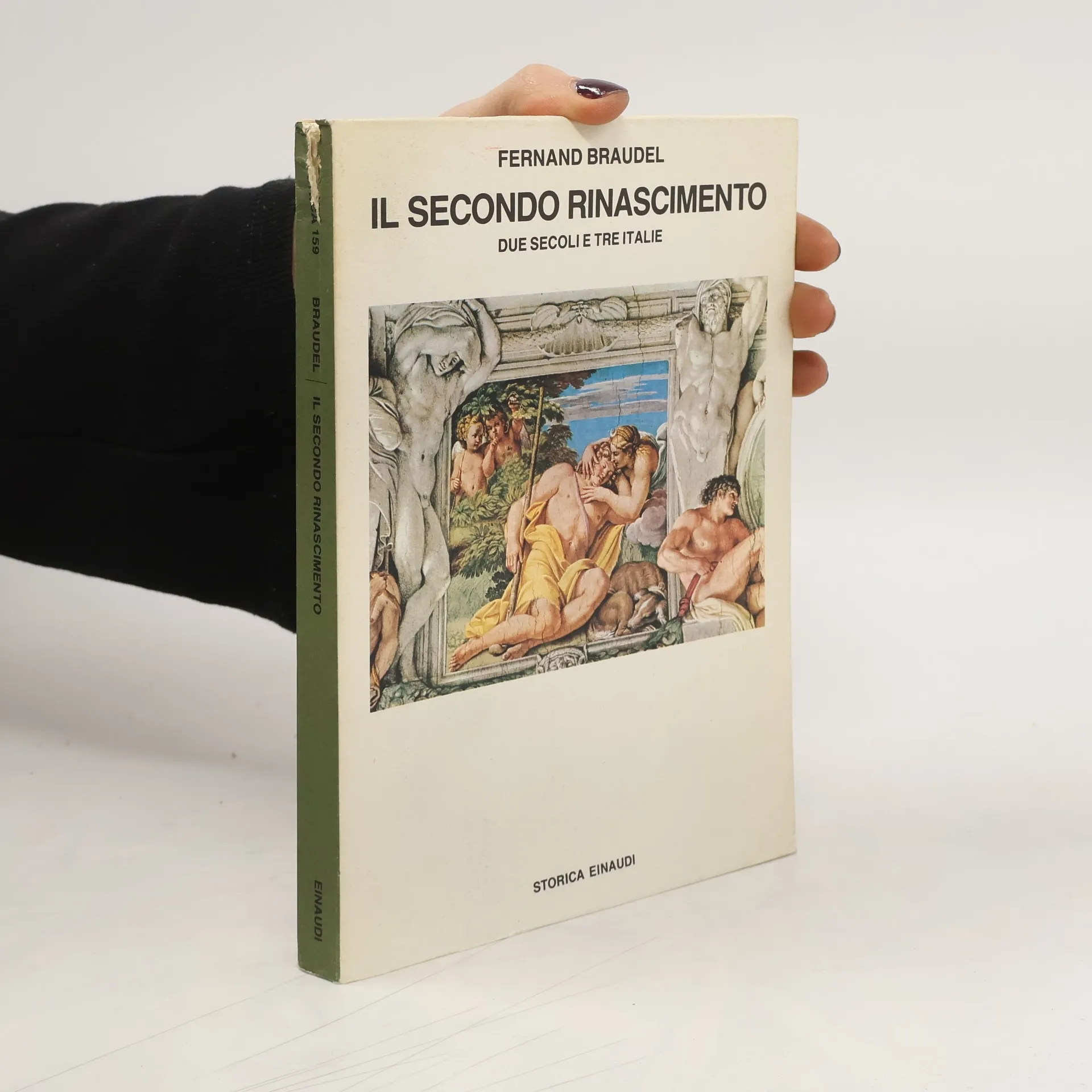
Biblioteca di cultura storica - 159: Il secondo Rinascimento
Due secoli e tre Italie
- 168 stron
- 6 godzin czytania
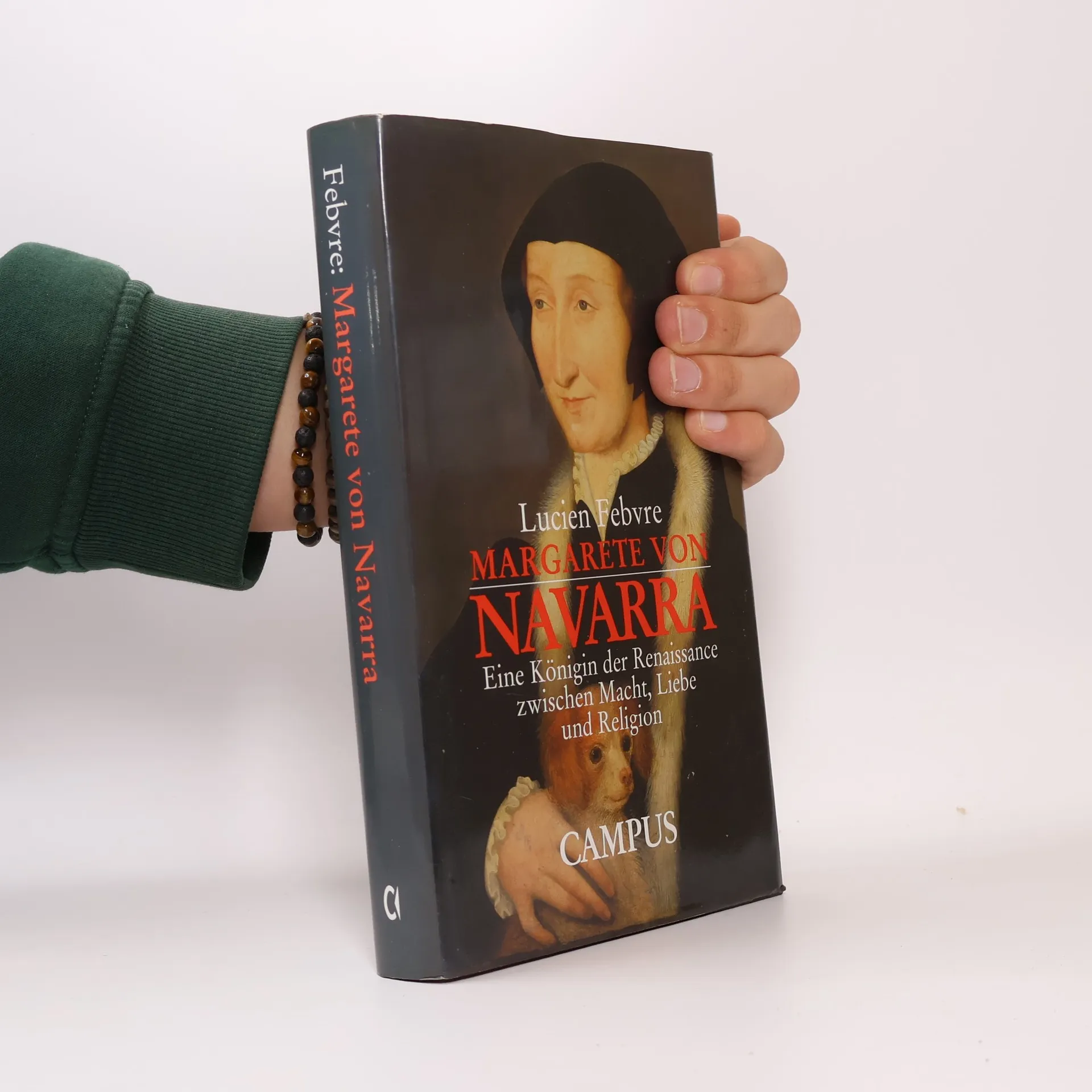
Margarete von Navarra
Eine Königin der Renaissance zwischen Macht, Liebe und Religion
Das Mittelmeer 1.-3.
- 3 tomy
Fernand Braudels Werk bietet eine umfassende Analyse des Mittelmeers, das als kultureller und historischer Raum im Mittelpunkt steht. In den drei Bänden wird die Entwicklung der Zivilisationen, der Wirtschaft und der Geopolitik rund um das Mittelmeer über Jahrhunderte hinweg untersucht. Braudel thematisiert die Wechselwirkungen zwischen den verschiedenen Kulturen, die das Mittelmeer prägen, sowie die ökologischen und wirtschaftlichen Bedingungen, die die Region beeinflussen. Die Narrative sind nicht linear, sondern folgen einem strukturierten Ansatz, der sowohl langfristige historische Prozesse als auch kurzfristige Ereignisse berücksichtigt. Braudel führt zentrale Themen wie Handel, Migration, Kriege und kulturellen Austausch ein und beleuchtet, wie diese Faktoren das soziale Gefüge und die Identität der Mittelmeerländer geformt haben. Die Darstellung ist geprägt von einer dichten, analytischen Prosa, die es dem Leser ermöglicht, die Komplexität und Vielschichtigkeit der mediterranen Geschichte zu erfassen. Braudel nutzt eine Vielzahl von Quellen, um seine Argumente zu untermauern und bietet somit einen tiefen Einblick in die Dynamiken, die das Mittelmeer seit der Antike bis zur Neuzeit geprägt haben.