

Black Elk of the Sioux has been recognized as one of the truly remarkable men of his time in the matter of religious belief and practice. Black Elk was the only qualified priest of the older Oglala Sioux still living when The Sacred Pipe was written. This is his book.
Joseph Epes Brown Książki
9 września 1920 – 19 września 2000

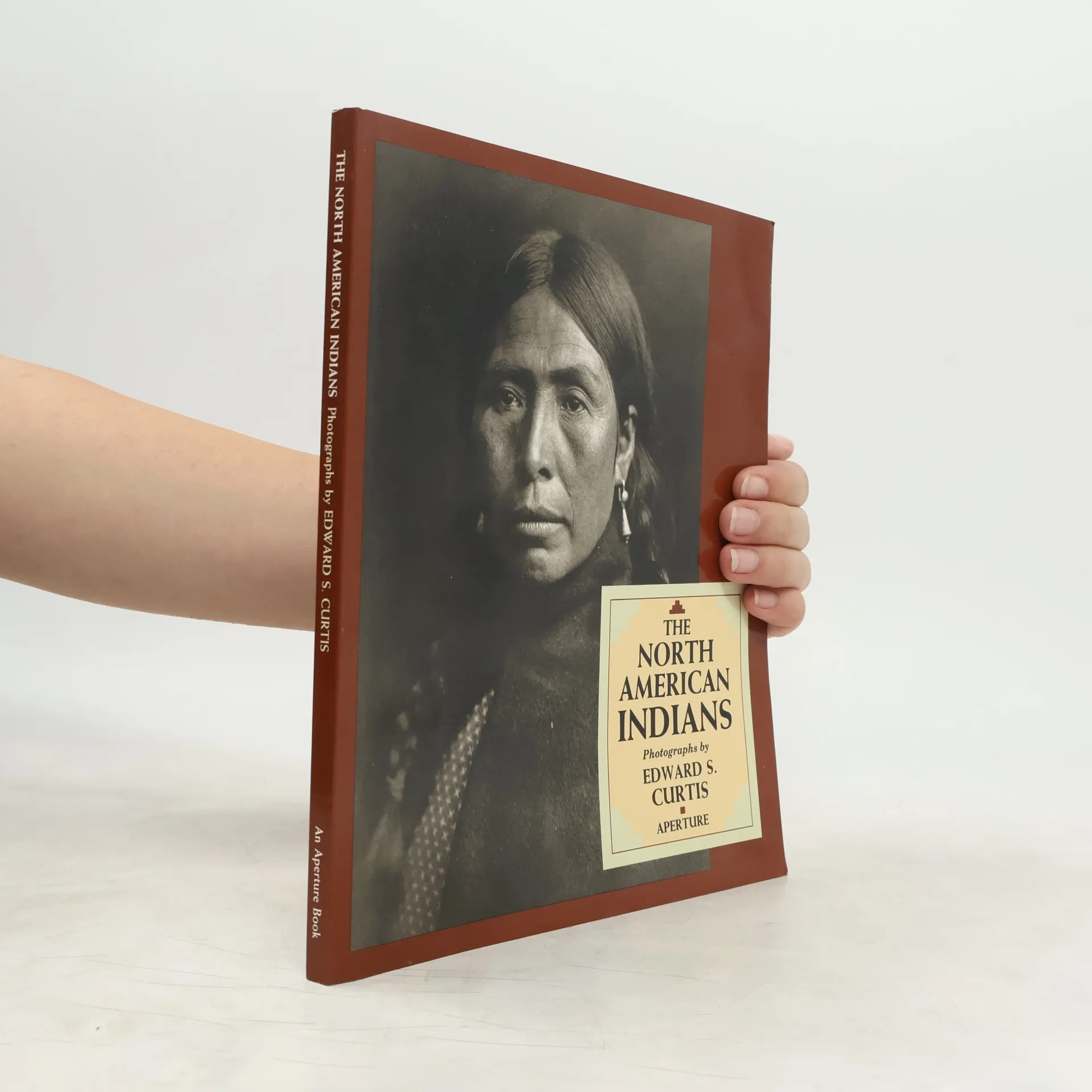
It is thus near to Nature that much of the life of the Indian still is; hence its story, rather than being replete with statistics of commercial conquests, is a record of the Indian's relations with and his dependence on the phenomena of the universe--the trees and shrubs, the sun and stars, the lightning and rain--for these to him are animate creatures. Even more than that, they are deified, therefore are revered and propitiated, since upon them man must depend for his well being. --Edward S. Curtis, "The North American Indians" Between 1896 and 1930, Edward S. Curtis documented Native Americans and their way of life in the western United States and British Columbia. His efforts resulted in a 20-volume visual record accompanied by text--a document unequaled in the history of photography. 68 photographs from the original collection have been selected for this Aperture book; the result is a compilation of Curtis' best-known images documenting the Native American way of life. Joseph Epes Brown, author of "The Sacred Pipe" and "The Spiritual Legacy of the American Indian," has written an insightful introduction, and has also selected texts to accompany the photographs to suggest the quality of mood and message that Curtis wanted to convey.
Černý jelen (1863–1950) z kmene Siouxů, syn Splašeného koně, svatý muž a „strážce posvátné dýmky“ patří k mimořádným mužům své doby ve věcech náboženské víry i praxe. Krátce před svou smrtí v srpnu roku 1950 řekl: „Modlím se, aby prostřednictvím naší posvátné dýmky a této knihy, v níž vysvětluji, čím naše dýmka skutečně je, nastal mír mezi národy, které mi porozumí – porozumí srdcem, nejen hlavou. Potom si uvědomí, že my indiáni známe jednoho pravého Boha a že se k Němu bez ustání modlíme.“ Knihu Posvátná dýmka předal ústně Josephu E. Brownovi za jeho osmiměsíčního pobytu v rezervaci Pine Ridge v Jižní Dakotě, kde Černý jelen žil. Kniha začíná příchodem Bílé bizoní ženy k Siouxům. Žena jim předává vzácný dar – posvátnou dýmku. Černý jelen poté líčí a rozebírá jednotlivé obřady, jež byly Siouxům odhaleny prostřednictvím vidění, a vysvětluje jejich smysl. Čtenář se seznámí s tancem slunce, očistným obřadem, obřadem „uchovávání duše“ a dalšími obřady. Indiánská mystéria wakan jsou středem zájmu a bádání výzkumníků a učenců od nejstarších dob, co se Evropané setkali se severoamerickými indiány. Tato kniha ale bezpochyby patří k nejvěrnějším popisům jejich náboženství. Posvátná dýmka byla poprvé zveřejněna jako 36 svazek řady „Civilization of the American Indian Series“ a s nadšením ji přijali studenti srovnávací religionistiky, etnologové, historici, filozofové a každý, kdo se zajímá o život amerických indiánů.
Aufgeschrieben von Joseph Epes Brown, mit einem Bericht von Hans Läng und Nachworte von Frithjof Schuon. Enthält 16 Tafeln mit Fotografien und Zeichnungen im Text. 256 Seiten, 3. Auflage.