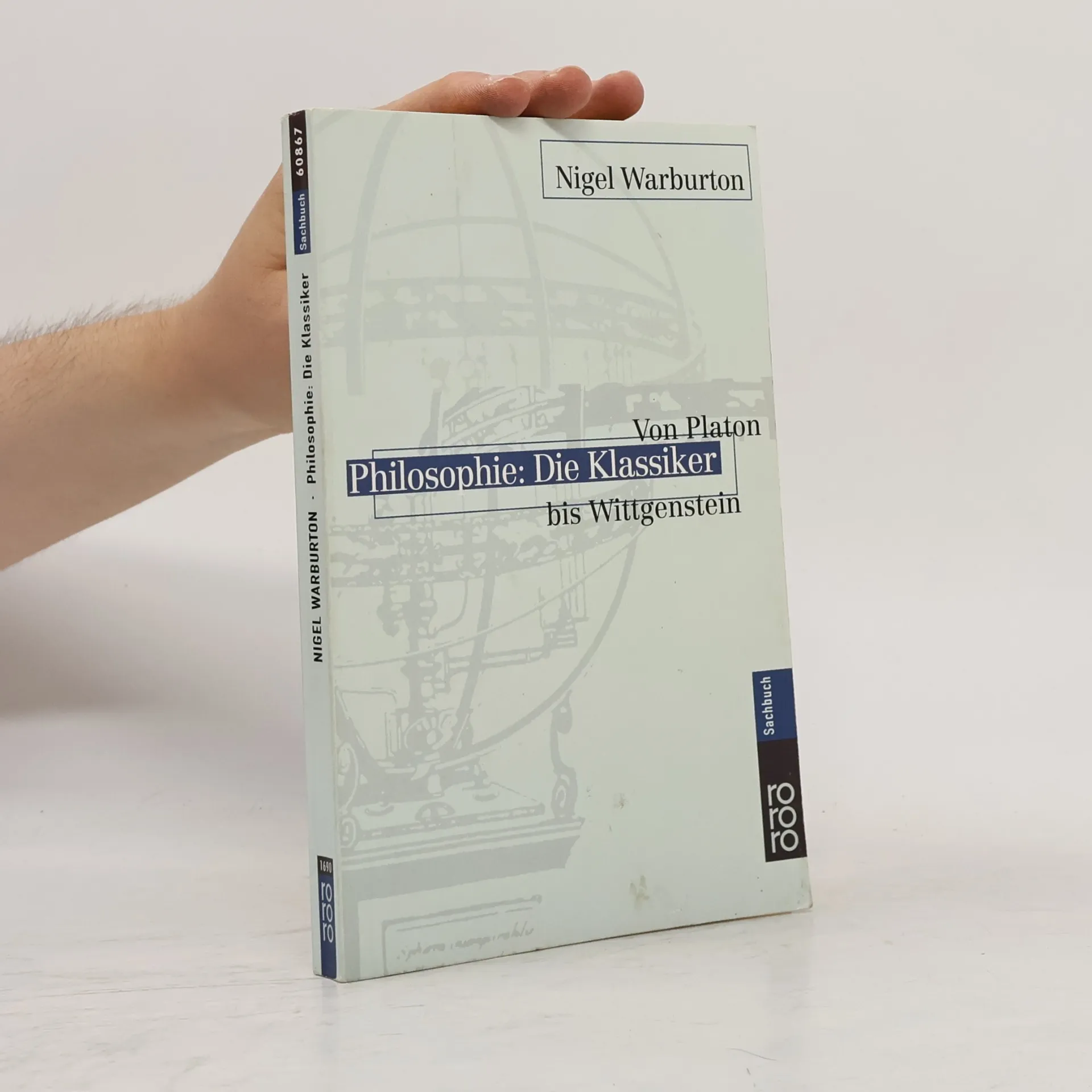
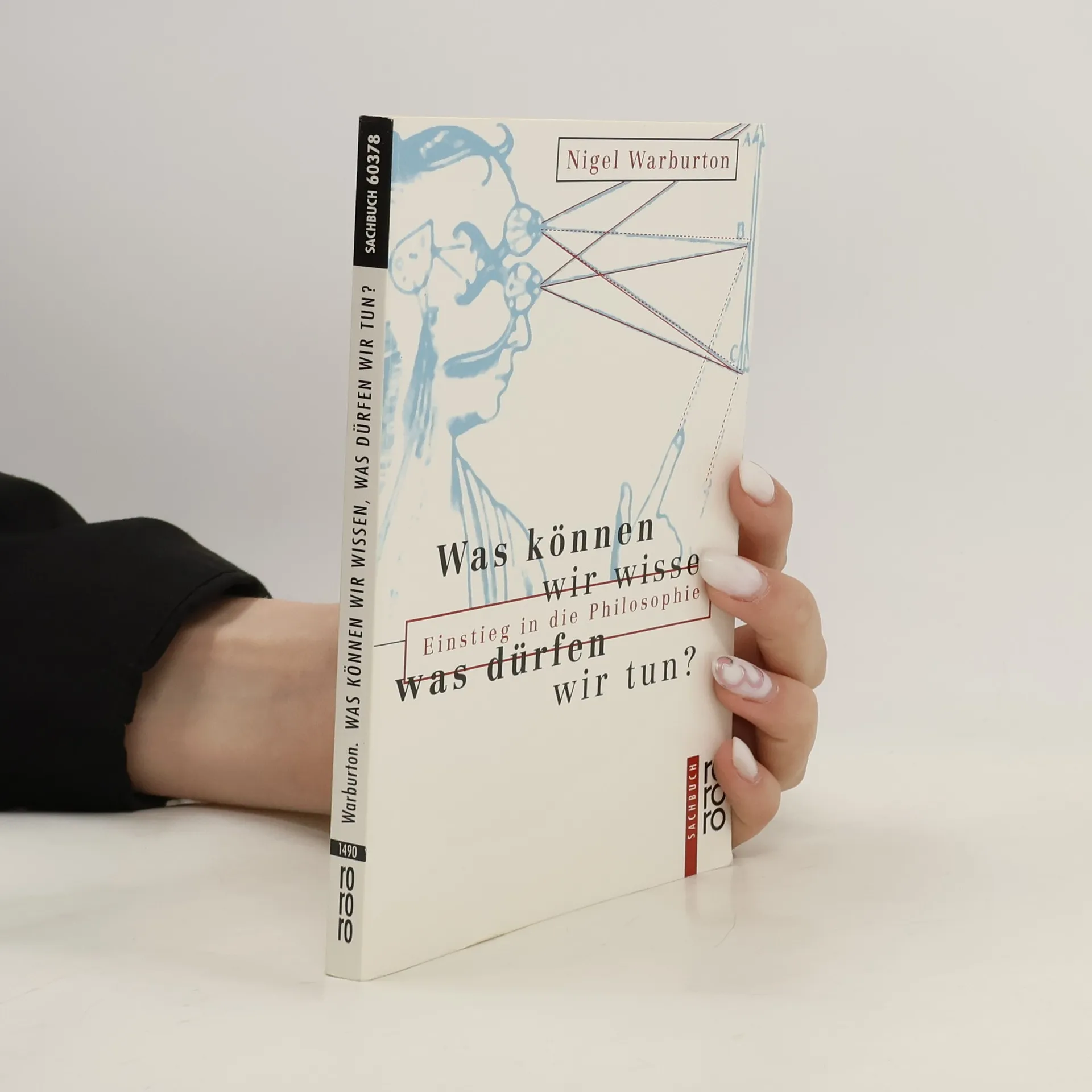
'Philosophy Bites' is a selection of interviews from the hugely successful podcast of the same name. Leading philosophers discuss a wide range of philosophical issues, from ethics to aesthetics to metaphysics, in a lively, informal, personal way.
Filozofia pyta o naturę rzeczywistości i o to, jak powinniśmy żyć. To właśnie
intrygowało Sokratesa, który na ateńskim rynku stawiał przechodniom niewygodne
pytania i wprawiał ich w zakłopotanie, udowadniając, jak niewiele rozumieją z
otaczającego ich świata. W czterdziestu krótkich rozdziałach tej książki
poznamy wielkich myślicieli europejskich i najciekawsze idee dotyczące świata
oraz tego, jak w nim żyć. Dowiemy się o niezwykłych faktach z życia
największych filozofów, począwszy od tych, którzy działali w antycznej Grecji
i debatowali na temat wolności i duszy, aż po Petera Singera rozważającego
najbardziej niepokojące problemy etyczne naszych czasów. Prześledzimy historię
ludzkich przemyśleń na temat rzeczywistości i kondycji człowieka. Ta książka
sprawia, że filozofia staje się zrozumiała i przystępna, a nawet pełna humoru.
Inspiruje do myślenia, dyskusji, argumentowania i stawiania pytań. Nigel
Warburton, filozof. Autor książek popularyzujących filozofię. Prowadzi też
m.in. blogi philosophybites i virtualphilosopher oraz audycje w BBC.
How important is free speech? Should it be defended at any cost? Or should we
set limits on what can and cannot be said? This Very Short Introduction offers
a lively and thought-provoking guide to these questions, exploring both the
traditional philosophical arguments as well as the practical issues and
controversies facing society today.
If an artist sends a live peacock to an exhibition, is it art?'What is art?' is a question many of us want answered but are too afraid to ask. It is the very question that Nigel Warburton demystifies in this brilliant and accessible little book. With the help of varied illustrations and photographs, from Cézanne and Francis Bacon to Andy Warhol and Damien Hirst, best-selling author Warburton brings a philosopher's eye to art in a refreshing jargon-free style.With customary clarity, he explains art theories, that are much discussed but little understood, by thinkers such as Clive Bell, R.G Collingwood and Wittgenstein. He illuminates other perplexing problems in art, such as the artist's intention, representation and emotion. Drawing on photographs of Cindy Sherman and Tiananmen Square, Warburton shows that, if we are ever to answer the art question, we must consider each work of art on its own terms.A stimulating and handy guide through the art maze, The Art Question is essential reading for anyone interested in art, philosophy or those who simply like looking at and thinking about pictures.
With 'Thinking from A to Z', Nigel Warburton presents an alphabetically arranged guide to help readers understand the art of arguing. This fully updated edition has many new entries including lawyer's answer, least worst option, stonewalling, sunk-cost fallacy and tautology.
Philosophy: The Basics gently eases the reader into the world of philosophy. Each chapter considers a key area of philosophy, explaining and exploring the ways in which philosophy addresses key questions.
Im Mittelpunkt dieses Bandes steht die FRage: „Warum soll man sich mit Philosophie beschäftigen?“ In sieben Kapiteln werden Antworten gegeben zu den Themenbereichen Gott, Recht und Unrecht, Politik, Außenwelt, Wissenschaft, Geist und Kunst. Das besondere an diesem Crash-Kurs liegt darin, daß nach den jeweils knappen Überblicken die wichtigsten Gründe genannt werden, die für und gegen die angeführten Lehrmeinungen sprechen.