
Bookbot

Justin O. Brien

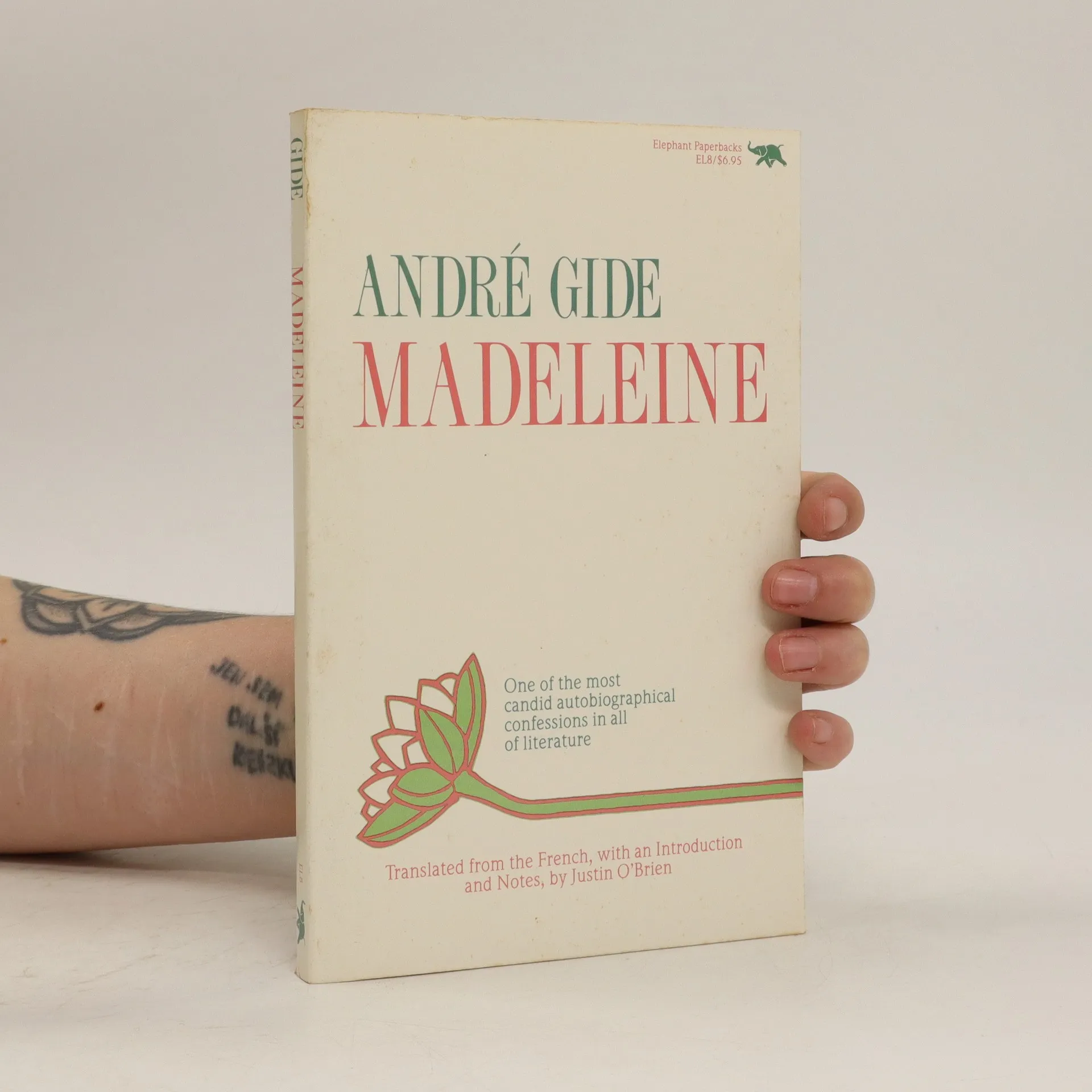
    Madeleine
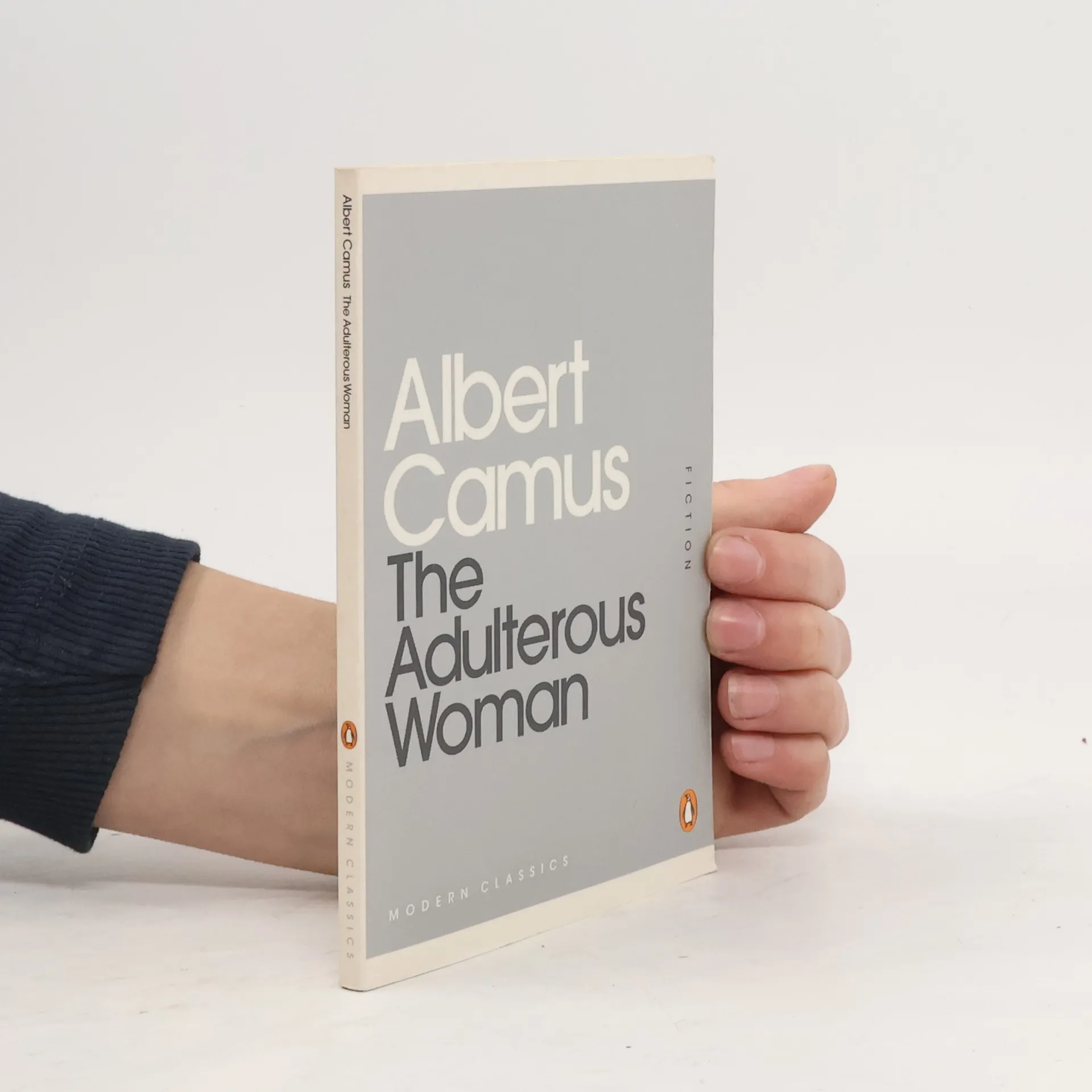
    The adulterous woman
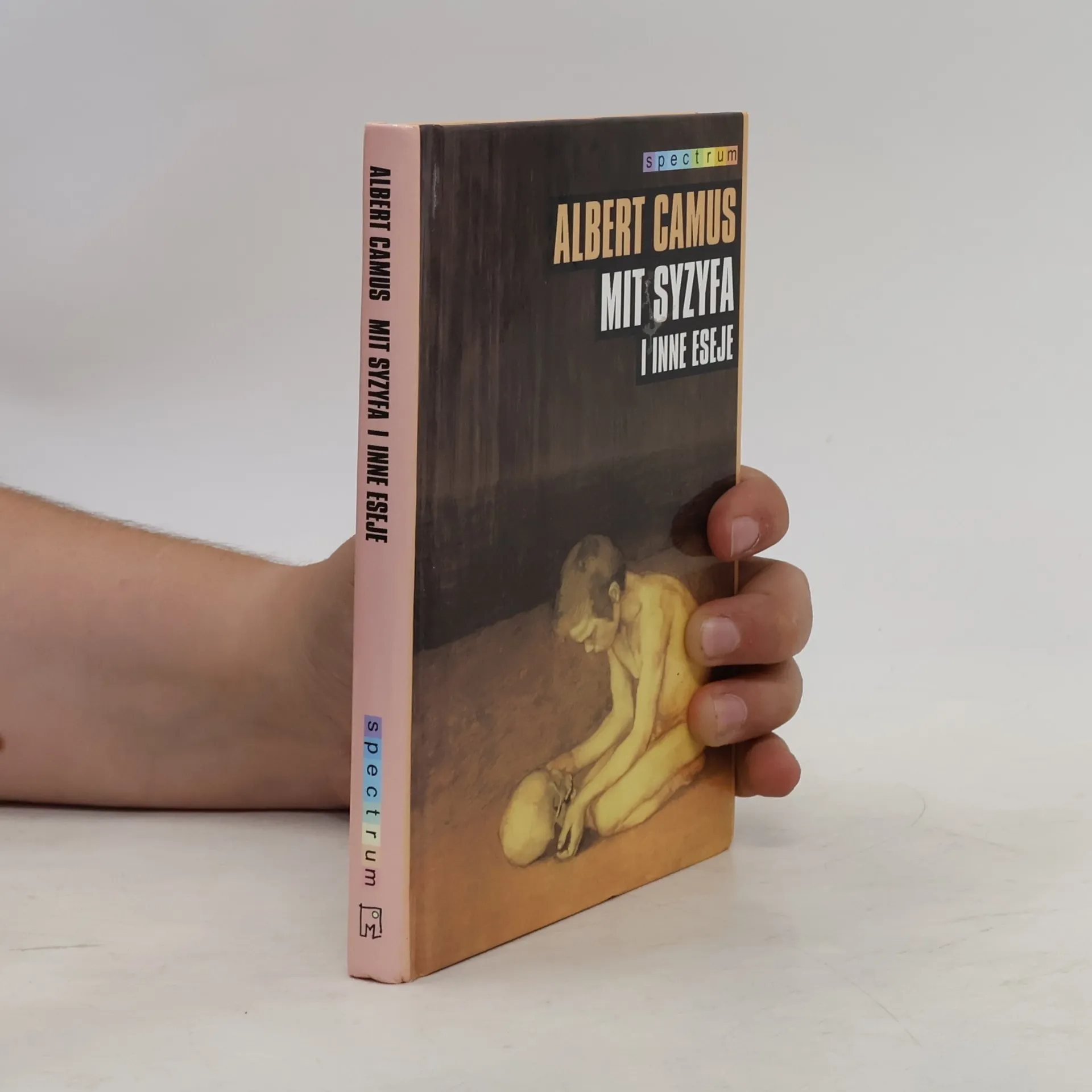
    Mit Syzyfa i inne eseje
    • Mit Syzyfa i inne eseje

      • 186 stron
      • 7 godzin czytania

      Throughout history, some books have changed the world. They have transformed the way we see ourselves—and each other. They have inspired debate, dissent, war and revolution. They have enlightened, outraged, provoked and comforted. They have enriched lives—and destroyed them. Now Penguin brings you the works of the great thinkers, pioneers, radicals and visionaries whose ideas shook civilization and helped make us who we are. Inspired by the myth of a man condemned to ceaselessly push a rock up a mountain and watch it roll back to the valley below, The Myth of Sisyphus transformed twentieth-century philosophy with its impassioned argument for the value of life in a world without religious meaning.

      Mit Syzyfa i inne eseje
      4,3
    • The adulterous woman

      • 82 strony
      • 3 godziny czytania

      Camus's writing confronts the great philosophical dilemmas of our time with piercing clarity. These three powerful and evocative stories are heavy with the weight of the human condition, and rich with atmosphere. In them, an ageing labourer, a woman travelling in North Africa with her husband, and a schoolteacher tasked with transporting a prisoner each face their own moral crises.

      The adulterous woman
      3,7
    • Madeleine

      • 124 strony
      • 5 godzin czytania

      Madeleine is the story of a great writer's marriage, a deeply disturbing account of André Gide's feelings towards his beloved and long-suffering wife. It was a relationship which Gide exalted―he termed it the central drama of his existence―yet deliberately shrouded in mystery. This was no ordinary marriage. Madeleine Rondeaux, two years older than her cousin André Gide, became his wife after Gide's first visit to Algeria. In his Journal, Gide refers to her as Emmanuèle or as Em. Only in this book, published a few months after his death, does Gide call her by her real name and painfully reveal the nature of their life together. All of Gide's vast work may be viewed as a confession, impelled by his need to write what he believed to be true about himself. In Madeleine this act of confession reaches a crowning point. It is a complex tale by a complex man about a complex relationship. “Ranks among the masterpieces of Gide's vibrating prose. It is also the most tragic personal document to have emanated from Gide's pen.”― New York Times .

      Madeleine
      3,4