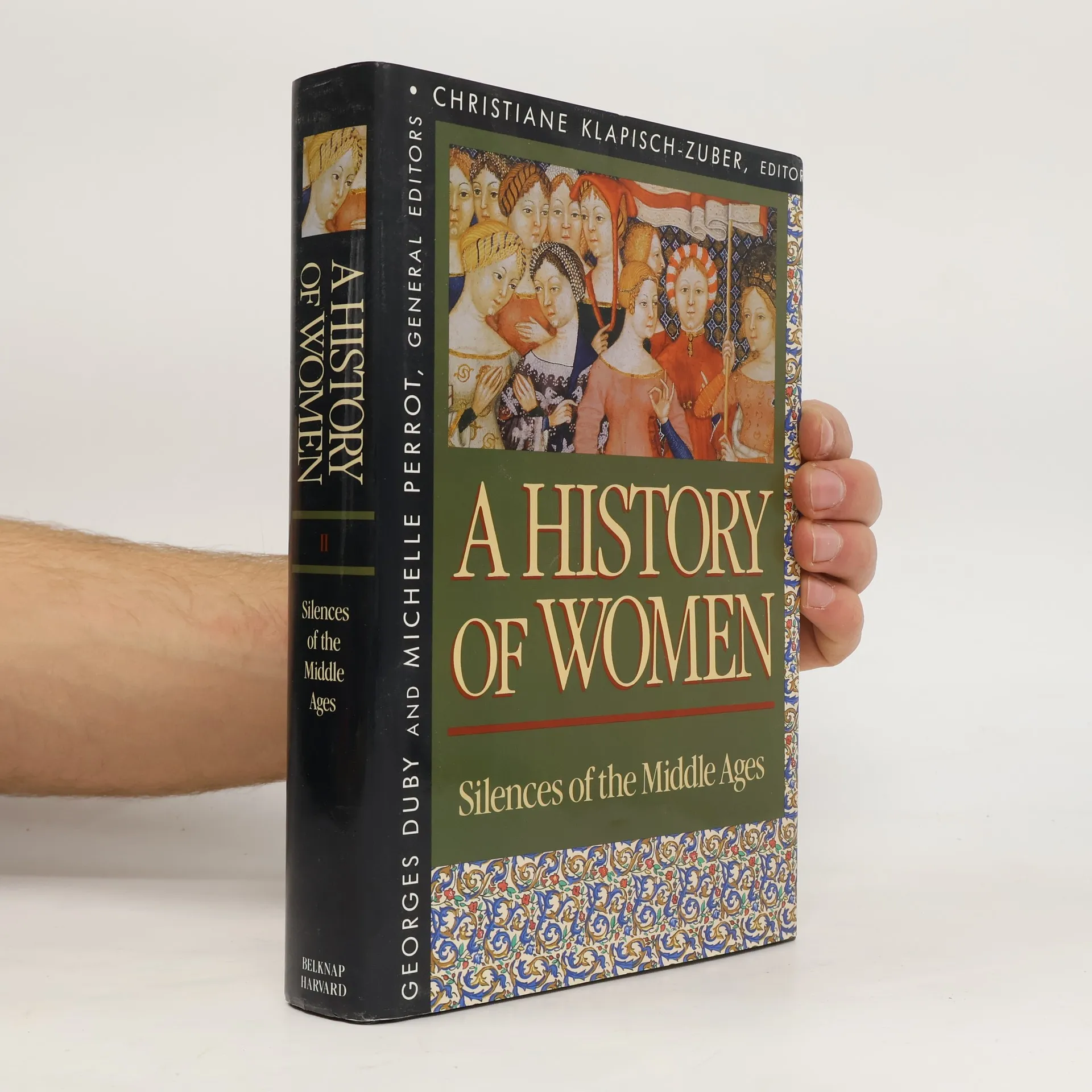
Drawing on myriad sources - from the faint traces left by the rocking of a cradle at the site of an early medieval home to an antique illustration of Eve's fall from grace - this second volume in the series offers new perspectives on women of the past. Twelve historians from many countries examine the image of women in the masculine mind, their social condition, and their daily experience from the demise of the Roman Empire to the genesis of the Italian Renaissance.
Arthur Goldhammer Książki


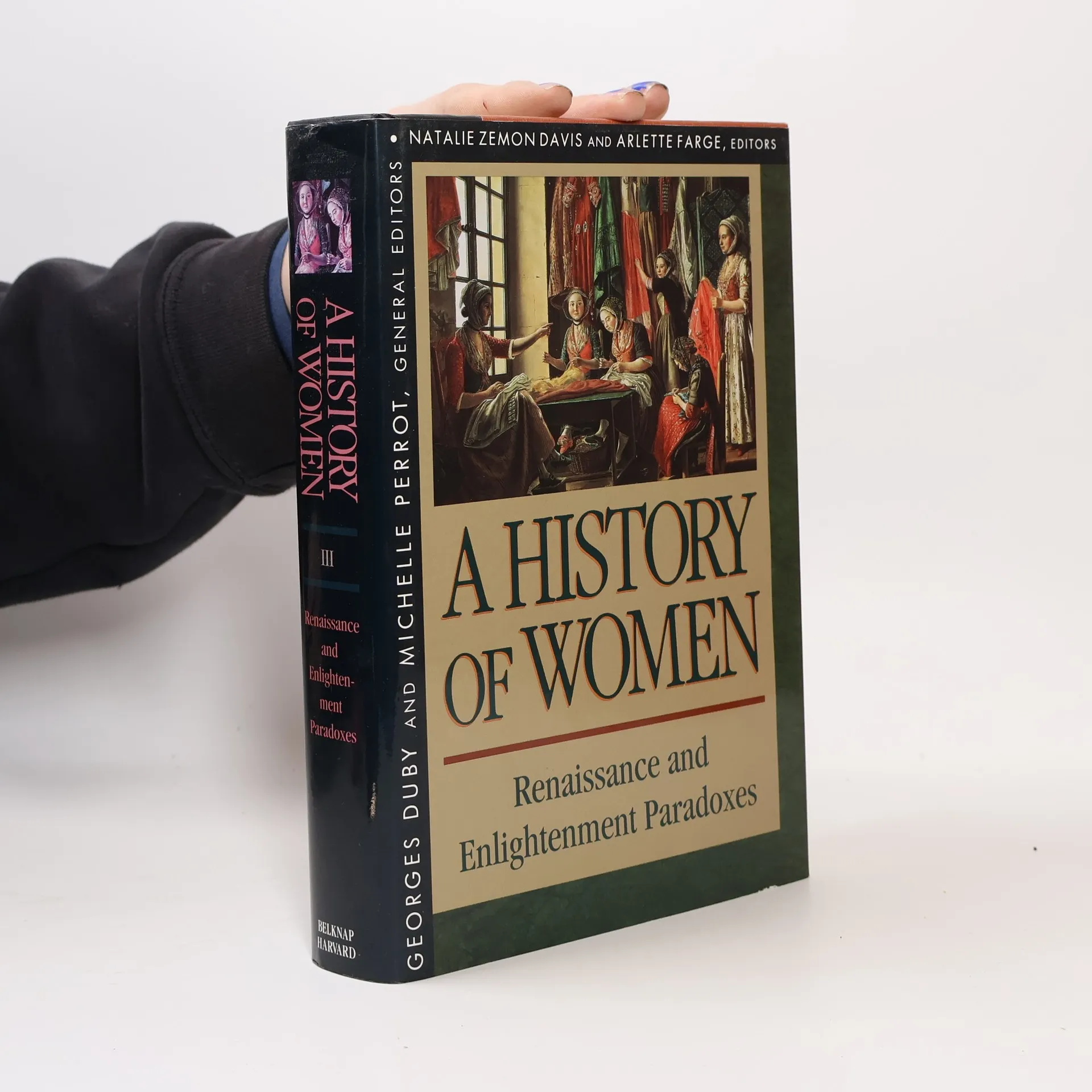
History of Women in the West - 3: Renaissance and the Enlightenment Paradoxes
- 608 stron
- 22 godziny czytania
In the words of the general editors, this series seeks to understand women's roles, conditions, and representations throughout history. Drawing on the expertise of seventy-five distinguished historians, it presents a panoramic chronicle from antiquity to the present. The inaugural volume shifts the focus from the margins of ancient history to the forefront, offering fresh insights into over twenty centuries of Greek and Roman history. The authors analyze a vast landscape, from the North Sea to the Mediterranean, revealing that ancient perceptions often relegated women to silent roles in motherhood and homemaking, largely ignored by historical records. In Rome, for instance, only heiresses were counted in the census. This scarcity of information about women contrasts sharply with the abundance of texts and images created by men regarding women and gender. The authors utilize diverse sources—gravestones, floor plans, stele inscriptions, papyrus rolls, vase paintings, and literary works—to illustrate the evolution of women's representations. They delve into the minds of men, from the Greeks envisioning goddesses to Church Fathers crafting the image of martyred female saints, uncovering an imaginative history of women and the dynamics between the sexes. Through this exploration, the authors highlight select aspects of women's experiences and the cultural narratives that shaped their identities.
Realms of Memory III.
- 688 stron
- 25 godzin czytania
The third and final volume in Pierre Nora's award-winning (for Volume I) REALMS OF MEMORY, which includes groundbreaking discussions of France's past, powerfully demonstrates how a nation can both recover and rediscover its identity through remembrance, how rewriting history can forge new paradigms of cultural identity, and how meanings attached to an event can be as significant as the event itself. 146 illustrations.
Kapitał i ideologia
- 1216 stron
- 43 godziny czytania
Wspaniała kontynuacja bestsellerowego Kapitału w XXI wieku, jednej z najważniejszych książek ekonomicznych ostatnich lat. Thomas Piketty przedstawia w niej idee, które stały za wzrostem nierówności w minionym tysiącleciu, bada ideologiczne spory, które dały nam niewolnictwo, poddaństwo, kolonializm, komunizm oraz kapitalizm i w ten sposób ukształtowały losy miliardów ludzi. Wnioski z tego badania są następujące: postęp gospodarczy przez wieki polegał na walce o równość i edukację, a nie, jak się często przyjmuje, o uznanie świętych praw własności. Nowa epoka skrajnej nierówności, która w latach 80. XX wieku stanęła na drodze postępu, jest częściowo reakcją na schyłek komunizmu, ale też owocem ignorancji, intelektualnej specjalizacji oraz coraz silniejszej polityki tożsamości. Piketty przedstawia w niej nie tylko historię idei, ale też druzgocącą krytykę współczesnej polityki oraz śmiałą propozycję nowego i bardziej sprawiedliwego systemu gospodarczego. To jedna z tych książek, które trzeba znać, żeby zrozumieć świat, w których przyszło nam żyć.
Jacques Le Goff is a prominent figure in the tradition of French medieval scholarship, profoundly influenced by the Annales school, notably, Bloch, Febvre, and Braudel, and by the ethnographers and anthropologists Mauss, Dumézil, and Lévi-Strauss. In building his argument for "another Middle Ages" (un autre moyen âge), Le Goff documents the emergence of the collective mentalité from many sources with scholarship both imaginative and exact.
Counter-Democracy
- 350 stron
- 13 godzin czytania
The latest contribution to one of the most distinguished and important series in political thought in the world.
Kapitał w XXI wieku
- 752 strony
- 27 godzin czytania
Najważniejsza książka ekonomiczna dekady, światowy bestseller, który zmienił nasze postrzeganie społeczeństwa i nierówności. Napisana z pasją, oparta na nowatorskiej analizie danych empirycznych, wyznaczyła nowe szlaki w ekonomii. Uznana za Biznesową Książkę Roku 2014 przez „Financial Times” i McKinsey, zdobyła pierwsze miejsce na liście bestsellerów „New York Timesa” oraz tytuł najlepiej sprzedającej się książki w historii Harvard University Press. Do stycznia 2015 roku sprzedano półtora miliona egzemplarzy w różnych językach. Książka dostarcza wyczerpujących dowodów na prawdziwość stwierdzenia „Kto ma, temu będzie dane”, oferując głęboką analizę historyczną i bogactwo faktów. Piketty zrewolucjonizował myślenie o historii gospodarczej, prezentując szczegółowe dane dotyczące podziału bogactwa i dochodu w ciągu ostatnich 200 lat. Jego praca, oparta na 15-letnim programie badawczym, przekształca nasze zrozumienie ewolucji dochodu i bogactwa w krajach o wysokim dochodzie. Piketty kwestionuje dominującą logikę ekonomii, ukazując wzrastającą koncentrację bogactwa i powrót do „kapitalizmu patrymonialnego”, gdzie dziedziczenie ma większe znaczenie niż talent czy wysiłek.
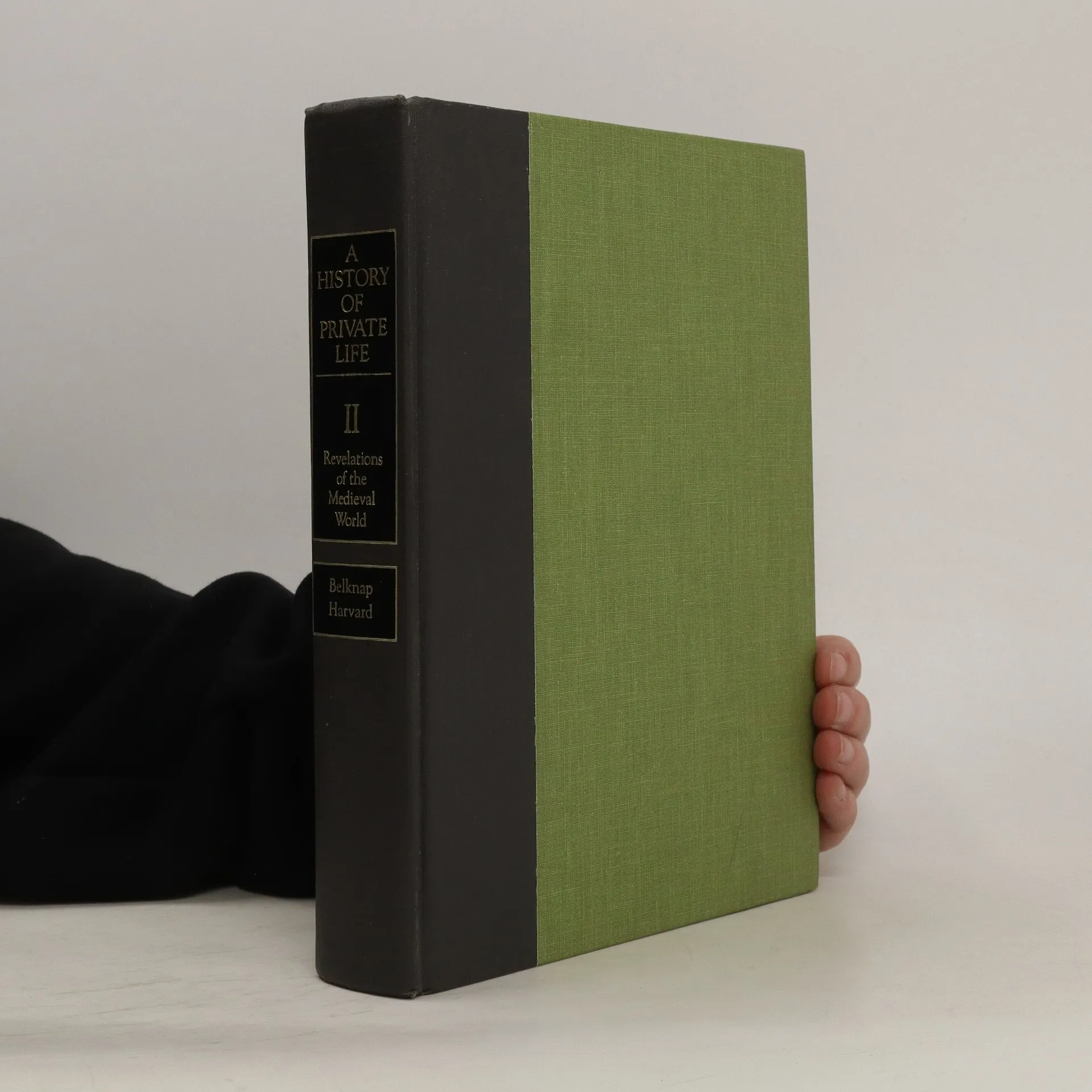
The second volume of A History of Private Life is a treasure-trove of rich and colorful detail culled from an astounding variety of sources. This absorbing "secret epic" constructs a vivid picture of peasant and patrician life in the eleventh to fifteenth centuries. All the mystery, earthiness and romance of the Middle Ages are captured in this panorama of everyday life. The evolving concepts of intimacy are explored--from the semi-obscure eleventh century through the first stirrings of the Renaissance world in the fifteenth century. Color and black-and-white illustrations
A History of Private Life: From pagan Rome to Byzantium
- 704 strony
- 25 godzin czytania
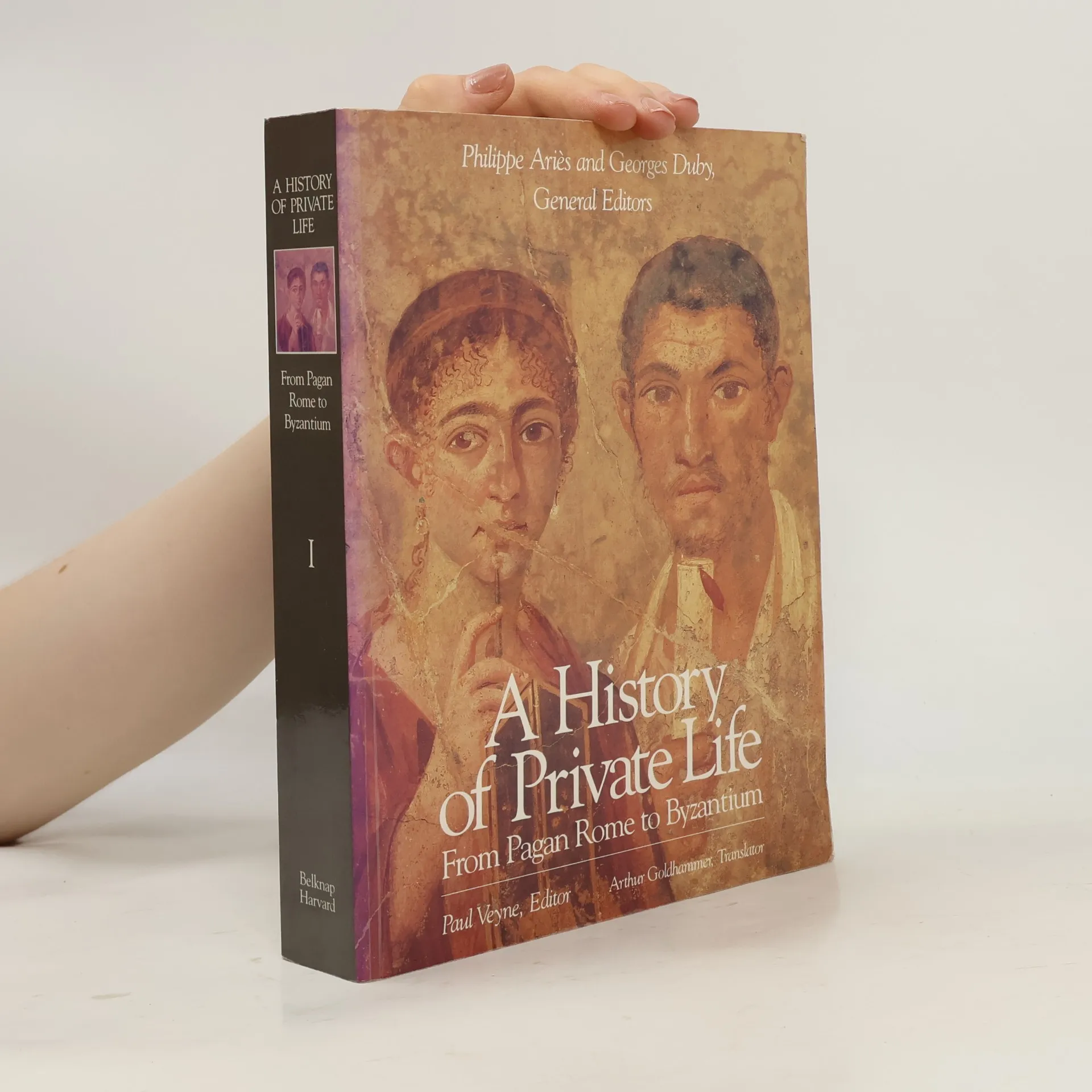
First of the widely celebrated and sumptuously illustrated series, this book reveals in intimate detail what life was really like in the ancient world. Behind the vast panorama of the pagan Roman empire, the reader discovers the intimate daily lives of citizens and slaves--from concepts of manhood and sexuality to marriage and the family, the roles of women, chastity and contraception, techniques of childbirth, homosexuality, religion, the meaning of virtue, and the separation of private and public spaces.The emergence of Christianity in the West and the triumph of Christian morality with its emphasis on abstinence, celibacy, and austerity is startlingly contrasted with the profane and undisciplined private life of the Byzantine Empire. Using illuminating motifs, the authors weave a rich, colorful fabric ornamented with the results of new research and the broad interpretations that only masters of the subject can provide.
Algerian Chronicles
- 224 strony
- 8 godzin czytania
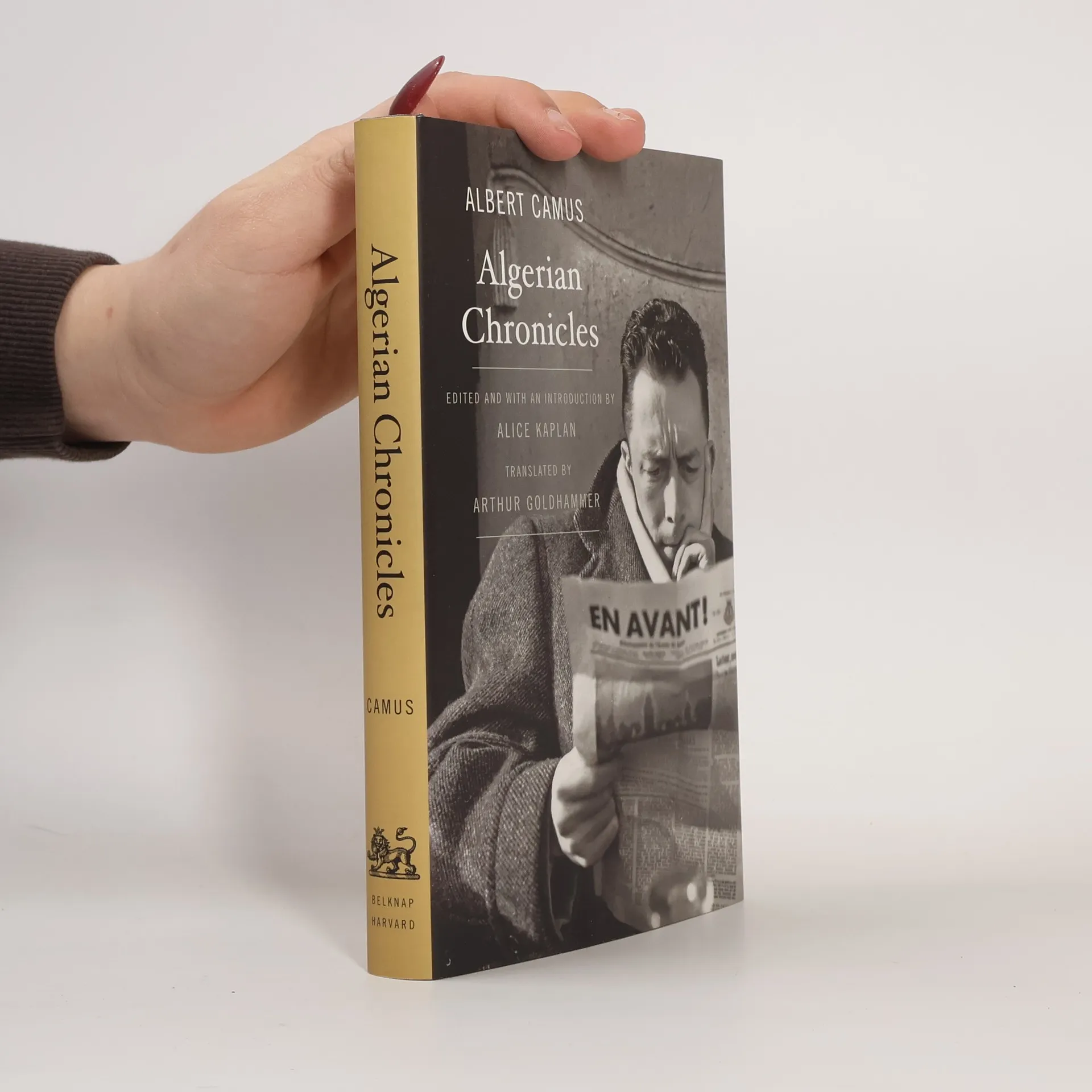
More than fifty years after Algerian independence, Albert Camus "Algerian Chronicles" appears here in English for the first time. Published in France in 1958, the same year the Algerian War brought about the collapse of the Fourth French Republic, it is one of Camus most political works an exploration of his commitments to Algeria. Dismissed or disdained at publication, today "Algerian Chronicles, " with its prescient analysis of the dead end of terrorism, enjoys a new life in Arthur Goldhammer s elegant translation. Believe me when I tell you that Algeria is where I hurt at this moment, Camus, who was the most visible symbol of France s troubled relationship with Algeria, writes, as others feel pain in their lungs. Gathered here are Camus strongest statements on Algeria from the 1930s through the 1950s, revised and supplemented by the author for publication in book form. In her introduction, Alice Kaplan illuminates the dilemma faced by Camus: he was committed to the defense of those who suffered colonial injustices, yet was unable to support Algerian national sovereignty apart from France. An appendix of lesser-known texts that did not appear in the French edition complements the picture of a moralist who posed questions about violence and counter-violence, national identity, terrorism, and justice that continue to illuminate our contemporary world.
The Medieval Imagination
- 302 strony
- 11 godzin czytania
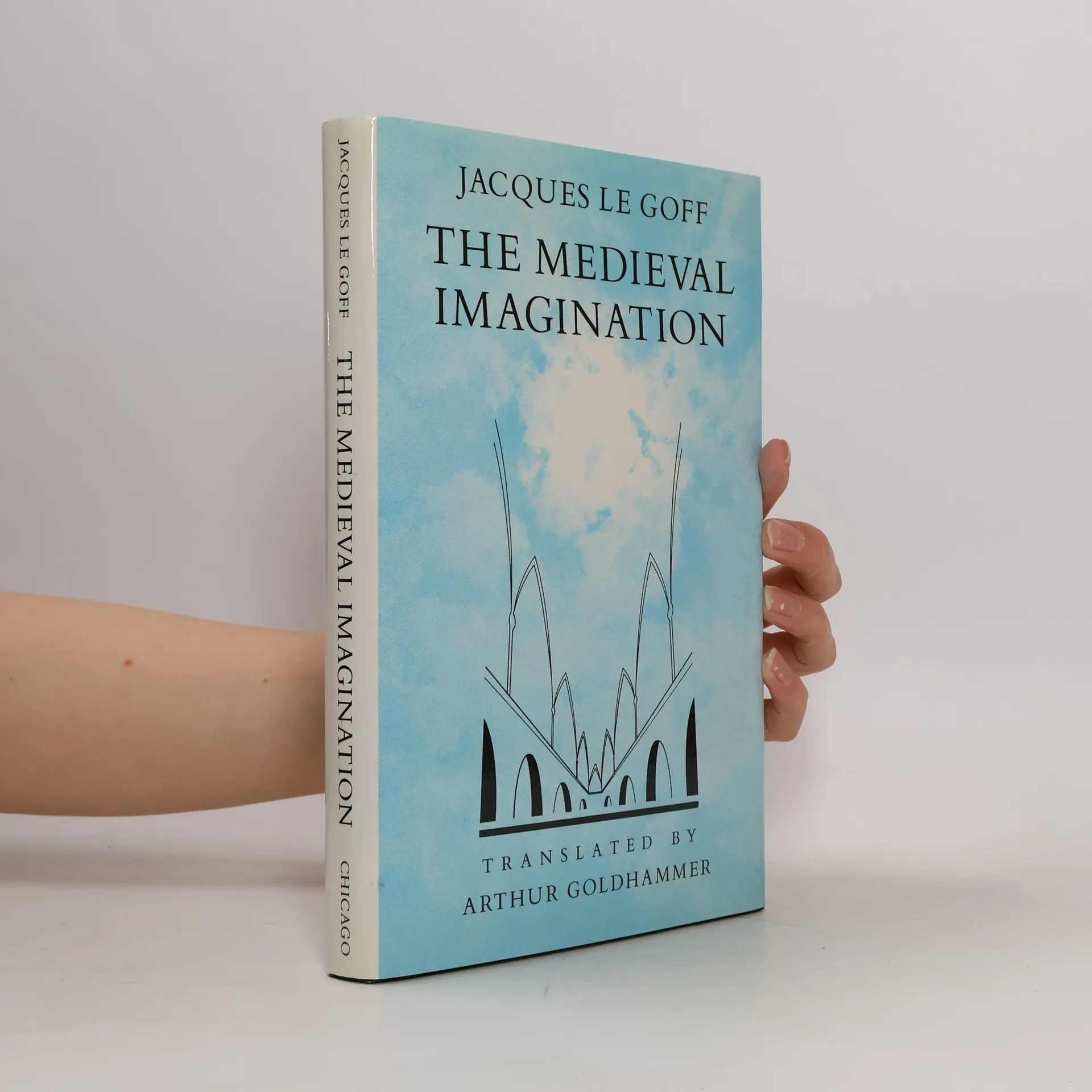
The collection begins with an essay on 'the marvelous.' Le Goff highlights subtle changes in medieval attitudes and sensibilities by contrasting the marvelous (representing a 'secularization' of the supernatural after the thirteenth century) with the miraculous (depending solely on God's saving grace) and the magical (governed by Satan's destructive activity).
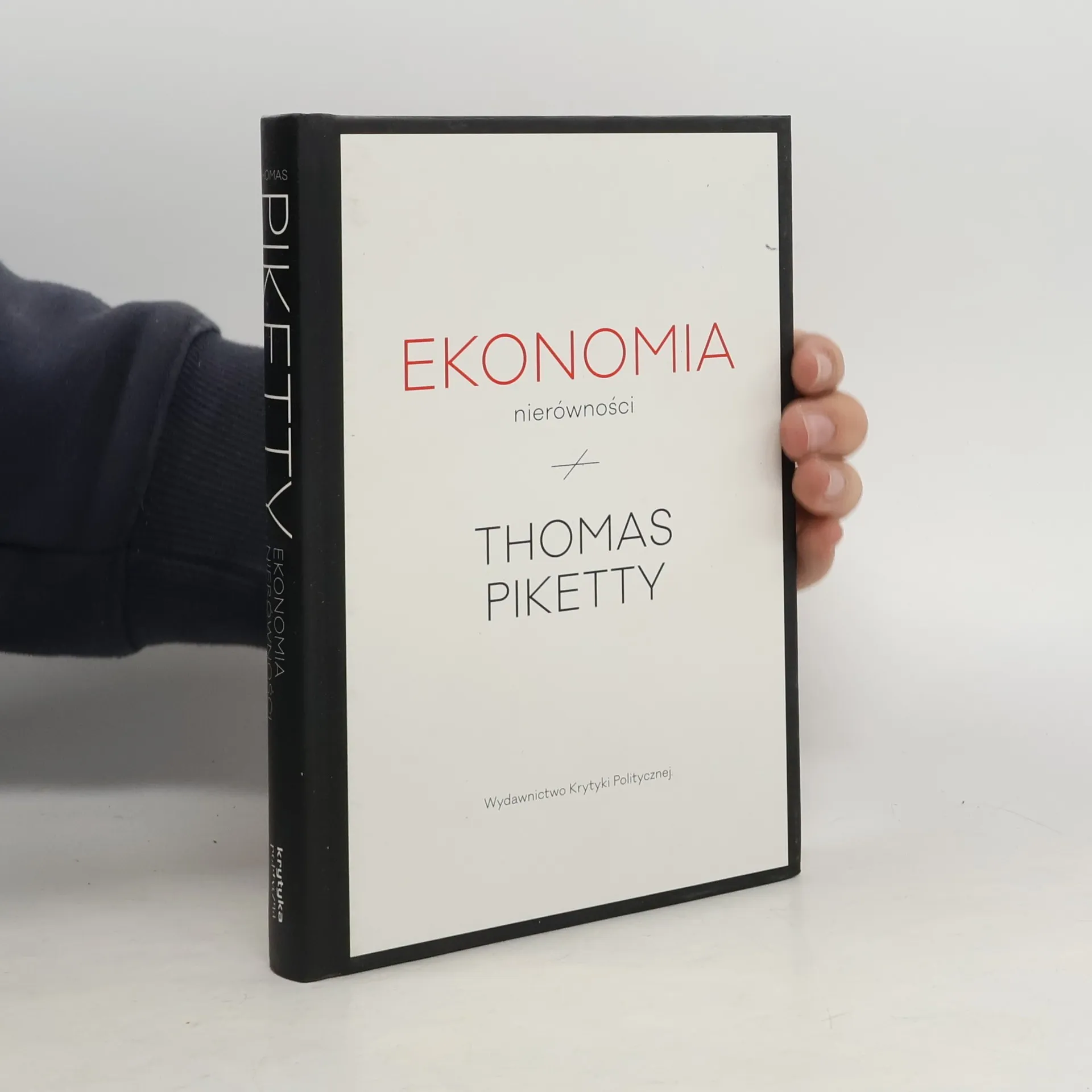
Ekonomia nierówności
- 184 strony
- 7 godzin czytania
Czy nierówności to konsekwencja koncentracji kapitału w rękach nielicznych, których do tego często omijają podatki? Czy nierówność dochodowa odzwierciedla popyt na różne typy pracy? Czy nierówności są przenoszone na poziomie rodziny? Czy nakłady na edukację mogą zmniejszyć nierówność szans? Czy dzisiejszy system finansowy i gospodarczy w ogóle pozwala na równą dystrybucję, czy też należy poddać go gruntownej reformie? Na te i szereg powiązanych pytań odpowiada, posługując się brawurową argumentacją, najwybitniejszy francuski ekonomista, autor Kapitału w XXI wieku - Thomas Piketty.
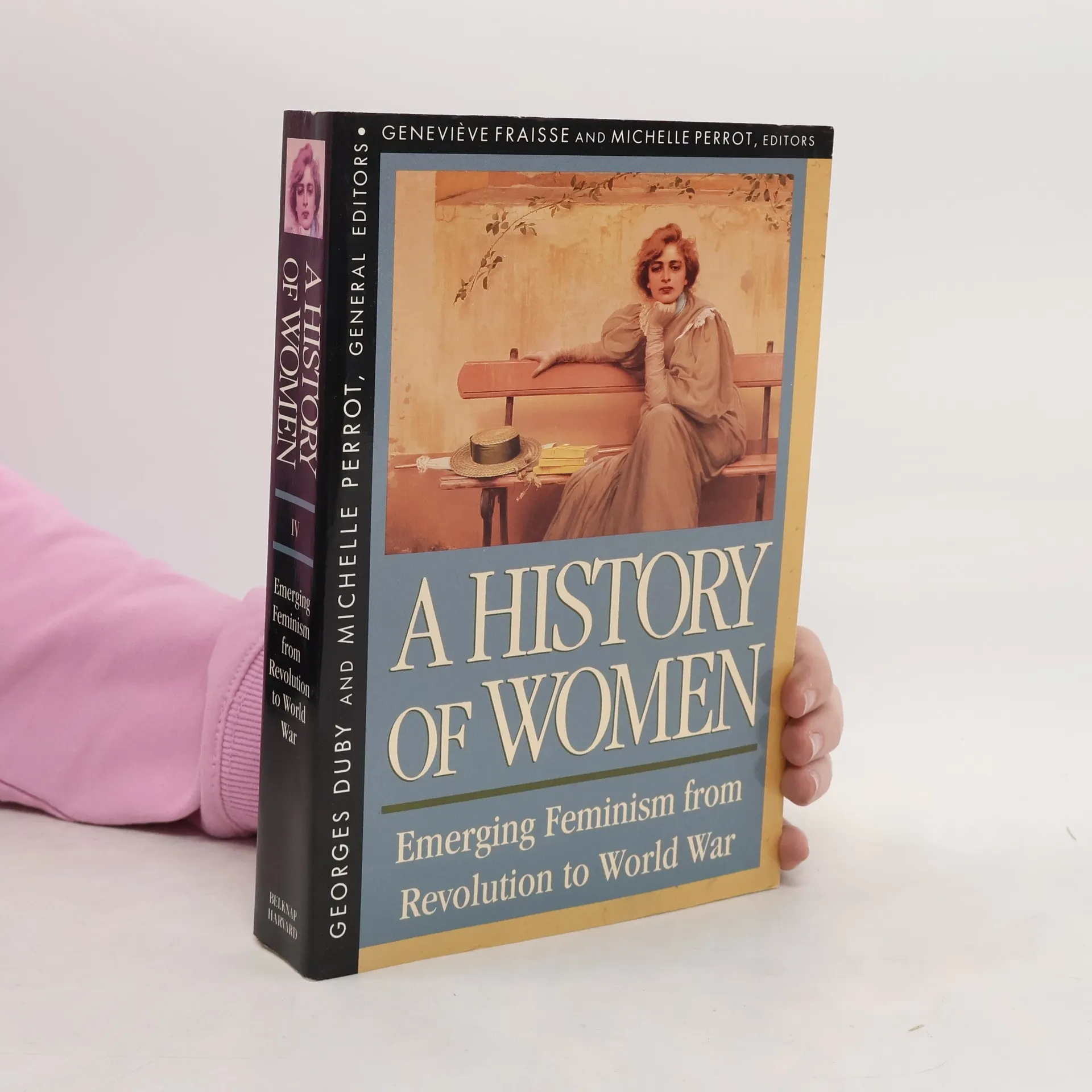
A History of Women in the West
Emerging Feminism from Revolution to World War
- 652 strony
- 23 godziny czytania
The French Revolution opened a whole new stage in the history of women, despite their conspicuous absence from the playbill. The coming century would see women’s subordination to men codified in all manner of new laws and rules; and yet the period would also witness the birth of feminism, the unprecedented emergence of women as a collective force in the political arena.The fourth volume in this world-acclaimed series covers the distance between these two poles, between the French Revolution and World War I. It gives us a vibrant picture of a bourgeois century, dynamic and expansive, in which the role of woman in the home was stressed more and more, even as the economic pressures and opportunities of the industrial revolution drew her out of the house; in which woman’s growing role in the family as the center of all morals and virtues pressed her into public service to fight social ills.