

Bookbot

Margaret Anne Doody

    21 września 1939
    Pamela
    Aristotle Detective
    Aristotle and the secrets of life
    Aristotle and poetic justice
    World's Classics: The Wanderer
    Ateńska trucizna
    • Ateńska trucizna

      • 352 strony
      • 13 godzin czytania

      Jesień 330 r. p.n.e., Ateny Biedny plebejusz Ergokles przegrywa proces, który wytoczył zamożnemu Ortobulosowi o umyślne zadanie rany. Niedługo po ogłoszeniu wyroku, zwłoki Ortobulosa znajduje w domu uciech bohater powieści, młody obywatel ateński Stefanos. Wszystko wskazuje na to, że ofiara została otruta cykutą. Podejrzenia padają na drugą żonę Ortobulosa, Hermię. W tym samy czasie najpiękniejsza kobieta w Atenach, kurtyzana Fryne, zostaje oskarżona o bezbożność i drwinę z misteriów eleuzyńskich świętych dla Ateńczyków uroczystości ku czci bogiń Demeter i Persefony. Grozi jej za to kara śmierci. Chcąc zapobiec całkowitemu rozbiciu podzielonej na dwa obozy społeczności Aten, Arystoteles postanawia interweniować. Z pomocą Stefanosa i swojego pomocnika Teofrasta, botanika z Likejonu posiadającego szeroką wiedzę na temat trujących roślinach, przystępuje do rozwiązania zagadki zabójstwa Ortobulosa. ATEŃSKA TRUCIZNA jest najnowszą powieścią w dorobku niezmiernie w ostatnich latach popularnej w Wielkiej Brytanii Margaret Doody. Stanowi kontynuację serii kryminałów osadzonych w realiach starożytnych Aten, w których kluczową rolę odgrywa Arystoteles, rozwiązujący zagadki w oparciu o zasady swojej filozofii oraz o ponadprzeciętne zdolności detektywistyczne. Seria ta zyskała ogromną popularność w wielu krajach Europy i Ameryki Południowej.

      Ateńska trucizna
      3,6
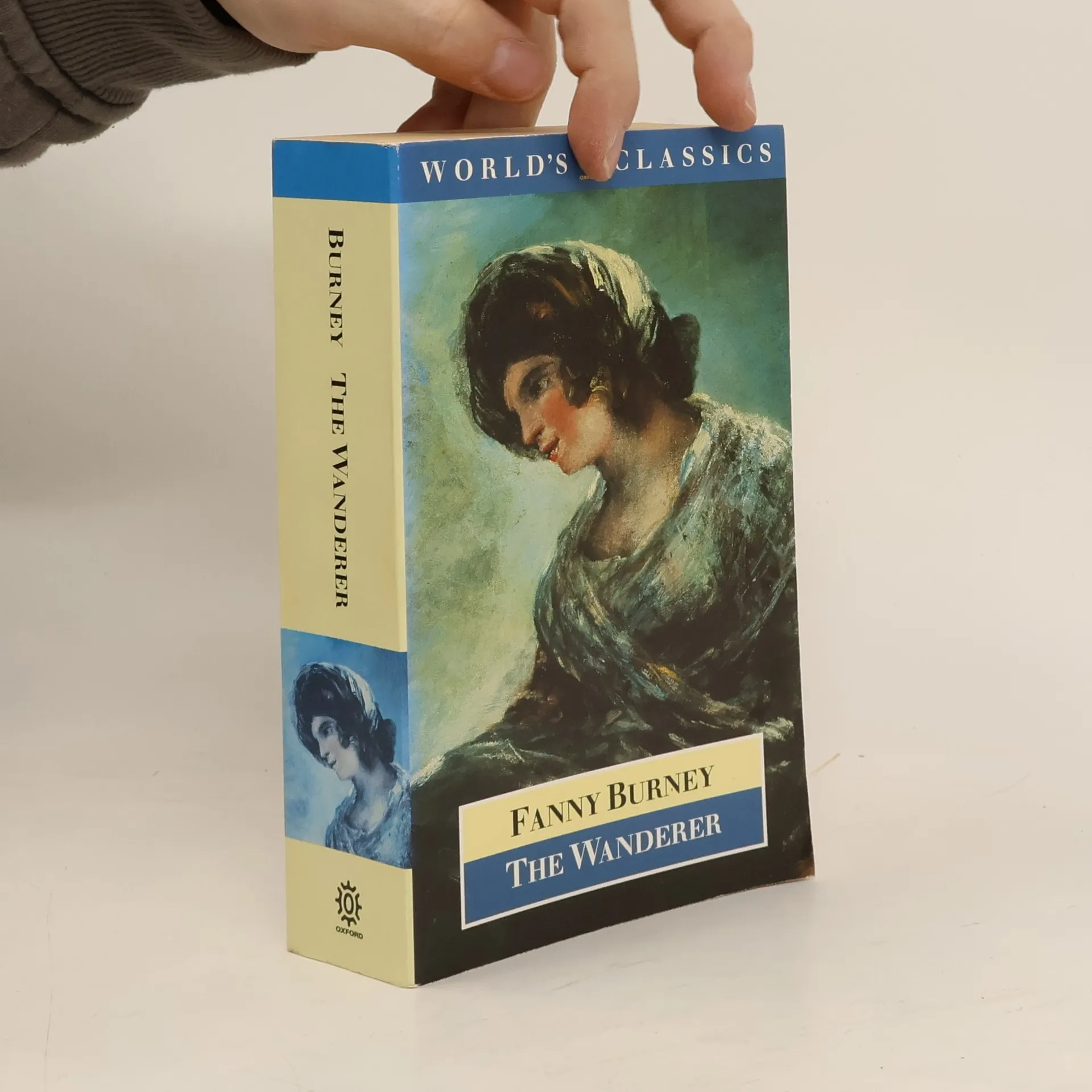
    • World's Classics: The Wanderer

      • 957 stron
      • 34 godziny czytania

      The Wanderer or Female Difficulties is the tale of a penniless emigree from revolutionary France trying to earn her living in England while guarding her own secrets. Combining the best elements of the gothic and historical novels, this newly appreciated work is an extraordinary piece of Romantic fiction. Burney's tough comedy offers a satiric view of complacent middle-class insularity that echoes Godwin and Wollstonecraft's attacks on the English social structure. The problems of the new feminism and of the old anti-feminism are explored in the relationship between the heroine and her English patroness and rival, the Wollstonecraftian Elinor Joddrel, and the racism inherent within both the French and British empires is exposed when the emigree disguises herself as a black woman.

      World's Classics: The Wanderer
      3,9
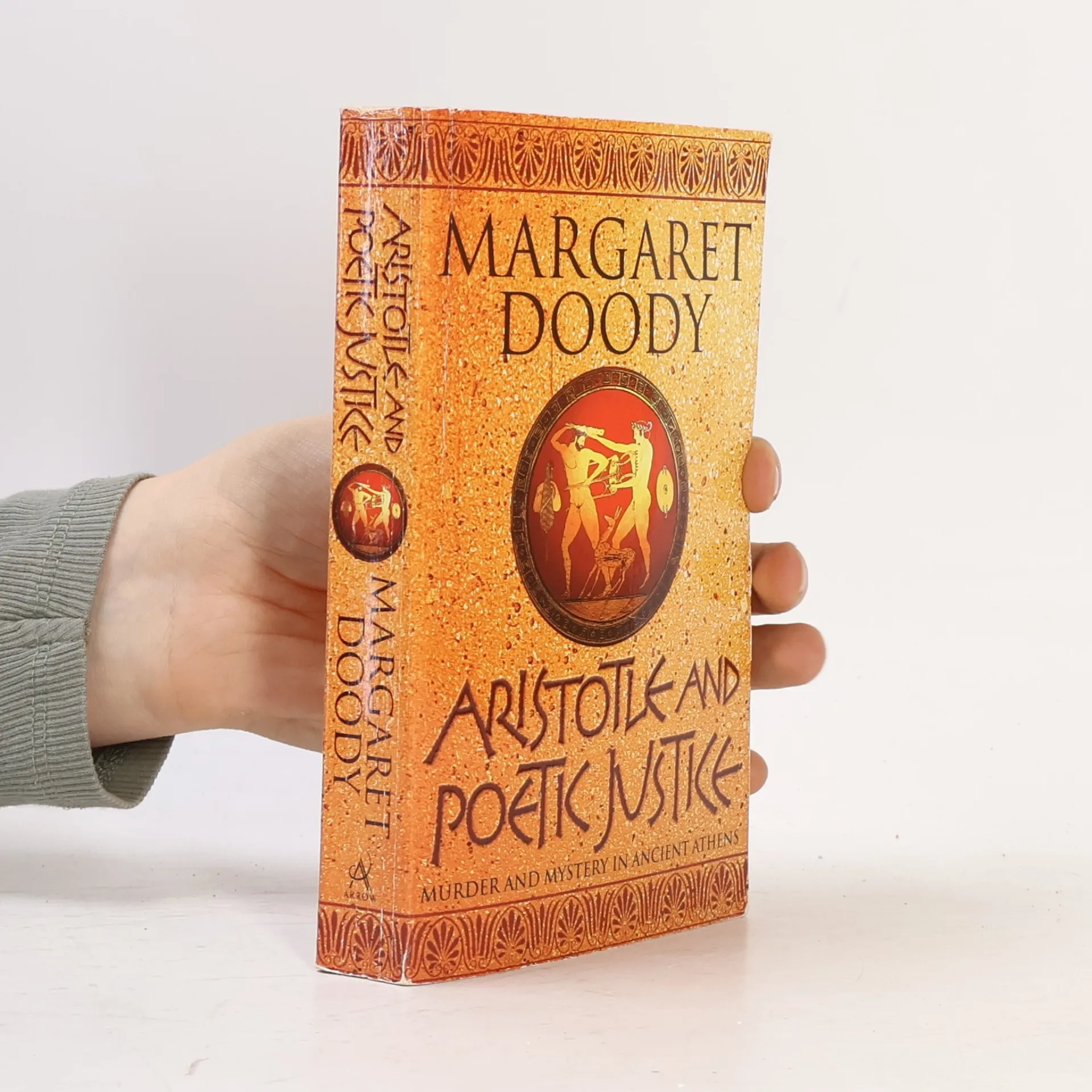
    • Aristotle and poetic justice

      • 288 stron
      • 11 godzin czytania

      Stephanos and his teacher, the philosopher Aristotle, are drawn into solving the perplexing abduction case of Anthia, the heiress of a prominent silver merchant. Someone has snatched her from her home, but no one knows the motive All that is known is that the abductor and the heiress are on the road to Delphi, and a murderer is following them close behind. The identity of the abductor and the murderer are mysteries that only Aristotle, with the aid of the Delphian oracle, will be able to solve.

      Aristotle and poetic justice
      3,6
    • Aristotle and the secrets of life

      • 288 stron
      • 11 godzin czytania

      It is summer, 330 B.C. The Macedonian Alexander the Great has conquered Asia Minor but now his armies are far from Athens, and those who support Athenian independence are beginning to chafe and plot against him. Foreigners, like Aristotle, and those suspected of befriending foreigners, such as Stephanos, are threatened. A series of threats persuades these two that they will be best served by quitting the mainland for a while. They both find suitable excuses: Aristotle has to transport a sick student home to Rhodos, while Stephanos must find a relative of his bride-to-be Philomela to clear up an inheritance dispute. With a varied cast of travellers they set across the Aegean to the sacred Isle of Delos, to Mykonos and beyond to the coast of Asia Minor. There they will soon be embroiled in investigating conspiracy and murder. But first they must survive life on the high seas where storms and piracy honour no man, least of all the greatest philosopher who has ever lived.

      Aristotle and the secrets of life
      3,5
    • Aristotle Detective

      • 384 strony
      • 14 godzin czytania

      In desperation, Stephanos seeks assistance from Aristotle, his former mentor - and Aristotle turns Detective. Their efforts culminate in the gripping trial scene when Stephanos uses all the powers of rhetoric and oratory instilled in him by Aristotle to clear his family's name of this bloody murder-

      Aristotle Detective
      3,4
    • "Presents eighteenth-century English author Samuel Richardson's epistolary novel 'Pamela, ' about a teenage servant who tries desperately to keep her virtue as her master tirelessly attempts to despoil her; and includes a scholarly introduction, a textual chronology, and a selected bibliography."

      Pamela
      2,8
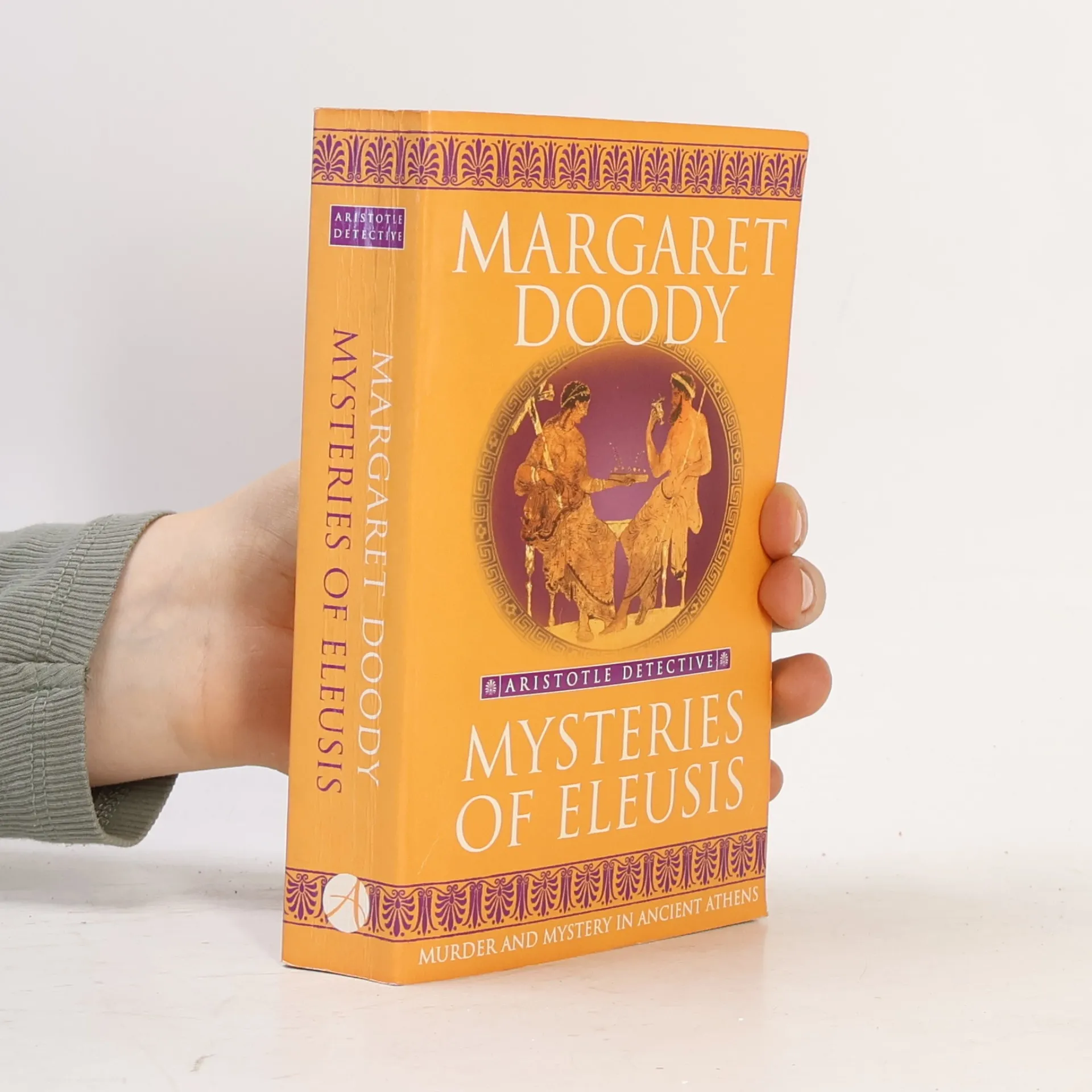
    • Aristotle Detective: Mysteries Of Eleusis

      Murder And Mystery In Ancient Athens

      • 320 stron
      • 12 godzin czytania

      In the winter of 330-329 BC Athens itself suffers a series of alarming thefts and home robberies. It seems that nobody is safe. The great philosopher Aristotle helps his former student Stephanos investigate a break- in and brutal murder at the house of one of his Athenian neighbours. The man fingered for the crime turns against Stephanos just as he is planning his marriage. It is difficult to arrange a big fat Greek wedding when someone seems to be trying to kill you. Elsewhere bodies begin to pile up--who will be bludgeoned or stabbed or strangled next? Stephanos' bride is Philomela. Her parental home is Eleusis, famous for the Sanctuary of Demeter and Persephone, home of the sacred site of the Mysteries of Eleusis. Religious initiation is open to all adult Greek speakers, slave and free, with the exception of anyone guilty of homicide. Stephanos, Philomela and Aristotle undertake mystic initiation in a complex ritual whose ultimate secrets cannot be spoken, on pain of death. Eleusis conceals many secrets, and revelation of the truth must await the night of the Mystery celebration itself. This is the fifth novel featuring Aristotle as the first detective of the ancient world, following Aristotle Detective, Aristotle and Poetic Justice, The Secrets of Life and Poison In Athens.

      Aristotle Detective: Mysteries Of Eleusis
    • Catharine and Other Writings

      • 372 strony
      • 14 godzin czytania

      'Perhaps he is come to rob the house--He comes in stile at least; and it will be some consolation for our losses to be robbed by a Gentleman in a Chaise and 4--' Jane Austen began writing in her early teens, and filled three notebooks with her fiction. Her earliest work reflects her interest in the novel as a genre; in brilliant short pieces she plays with plots, stock characters, diction, and style, developing a sense of form at a remarkably early age. The characters of these stories have a jaunty and never-failing devotion to themselves. They perpetually lie, cheat, steal--and occasionally commit murder. Throughout these short or unfinished pieces, Austen exhibits her sense of the preposterous in life and fiction with tough-mindedness and robust humor. In her later published fiction, Austen had learned to take demands for propriety seriously, reining in whatever might be thought boisterous or coarse. Here we see Jane Austen without her inhibitions. In addition to prose fiction and prayers, this collection also contains many of Jane Austen's poems, written to amuse or console friends, and rarely reprinted. Texts throughout are based on manuscripts, including the three notebooks, affording a distinct edition with a number of new readings.

      Catharine and Other Writings
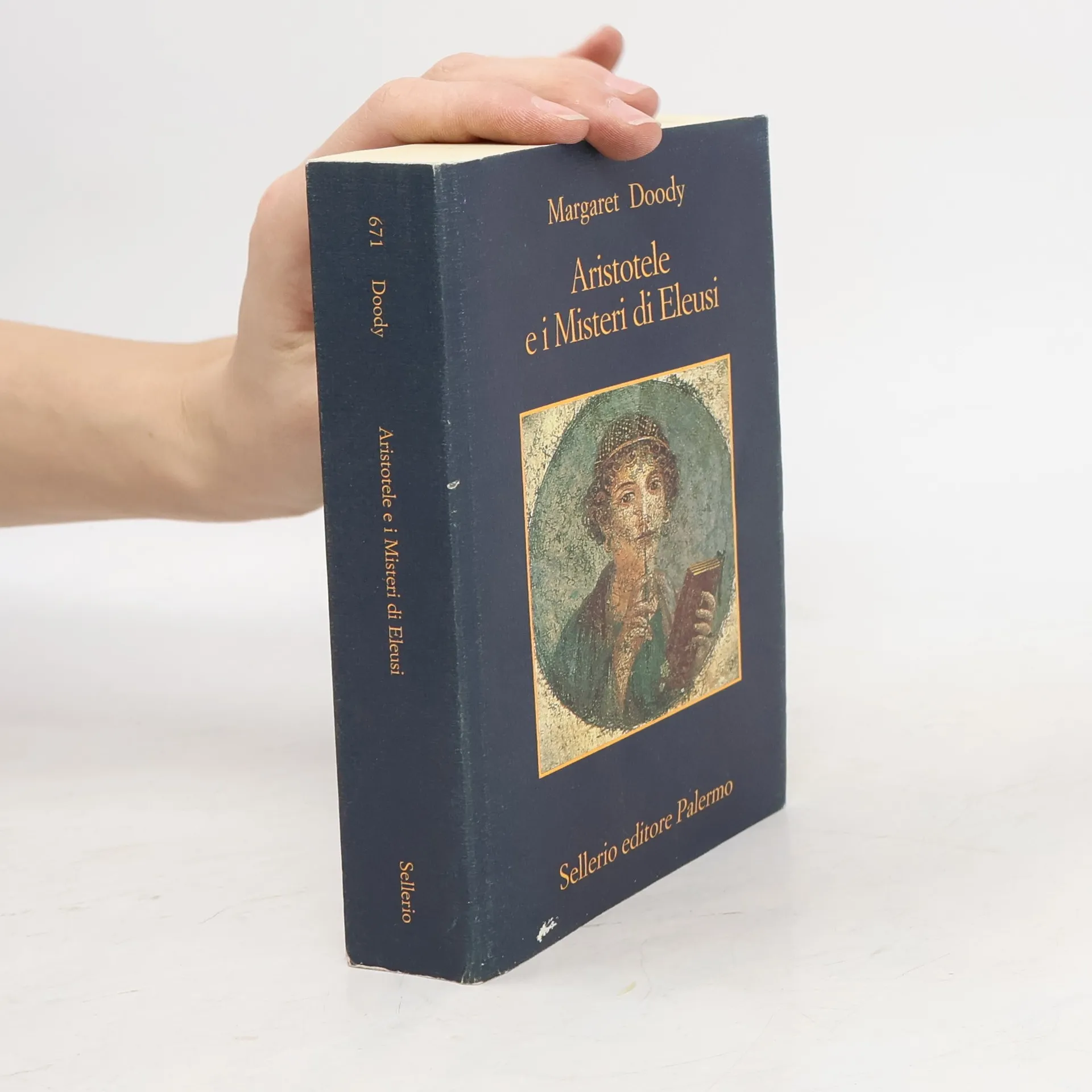
    • Aristotele e i misteri di Eleusi

      • 659 stron
      • 24 godziny czytania

      "I misteri di Eleusi" è il quinto romanzo di Aristotele nei panni di uno Sherlock Holmes del IV secolo a.C. E se ogni storia poliziesca si ispira aun'opera dello Stagirita, quest'ultima sembra rimandare forse alla Politica. Ma il ricalco non è solo con la filosofia del grande filosofo, è la vita stessa di Atene e del mondo greco classico in età alessandrina a rivivere nella pagina: il funzionamento pratico della vita pubblica, le procedure ufficiali e i costumi privati, i modi di divertirsi e il mondo degli affari. E soprattutto quel senso sottile di smarrimento generale che dovette aver preso l'uomo greco nell'epoca di svolta in cui Aristotele si trovava a vivere.

      Aristotele e i misteri di Eleusi
      3,5
    • Aristotele e il giavellotto fatale

      • 84 strony
      • 3 godziny czytania

      Un'opinione di Sciascia sarebbe commento perfetto a questo racconto: il giallo è la gabbia dello scrittore. Poiché costringe alla geometrica precisione, a una competenza quasi da laboratorio scientifico, a una consequenzialità logica, che finiscono coll'essere, quasi più della fantasia, la vera qualità del giallista. Margaret Doody è perfettamente imprigionata nei suoi intrecci, che sembrano appartenere al genere cosiddetto da «camera chiusa» (cioè un mistero così intricato da apparire un caso insolubile che solo l'acutezza raziocinativa dell'investigatore riesce a sciogliere). E, quasi a renderne più angusta la gabbia, li ambienta in una Attica classica, di totale fedeltà storico-filologica, e ne fa protagonista un Aristotele in tutto aderente alla sua personalità e alla sua filosofia. Questo secondo «Aristotele detective» si svolge dentro una palestra della antica Atene dove un ragazzo è stato ucciso da un giavellotto. Sembra un impossibile incidente, e appare scontato chi sia il giovane, e frastornato, colpevole. Infatti non è un incidente, e il colpevole vero non è quello. Aristotele lo capisce grazie alla sua logica deduttiva e lo spiega applicando al mistero la sua fisica dei luoghi naturali

      Aristotele e il giavellotto fatale
      3,2
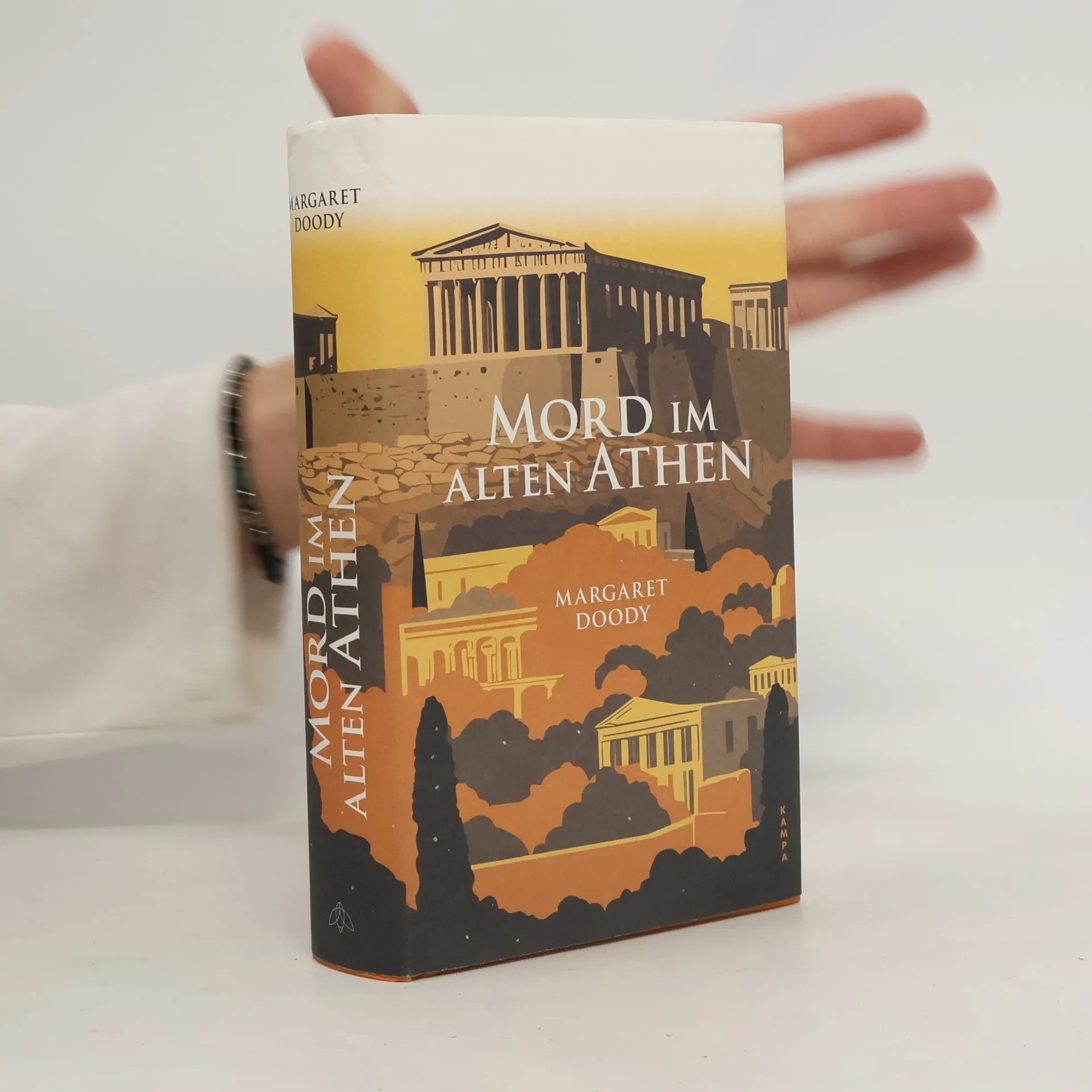
    • Mord im alten Athen

      • 368 stron
      • 13 godzin czytania

      Nach dem Tod seines Vaters muss Stephanos mit nur zweiundzwanzig Jahren die Verantwortung für die Familie übernehmen. Schlaflos wandert er im Morgengrauen durch die Straßen Athens, bis er die lauten Klageschreie eines Sklaven hört: »Man hat den Herrn getötet! Man hat den Herrn getötet!« Dem Lärm folgend, betritt er eine Villa, wo sich schon einige Schaulustige um die Leiche des Boutades versammeln, ein reicher und ehrbarer Bürger. Offenbar wurde er mit Pfeil und Bogen erschossen – nicht gerade eine typische Waffe für das antike Griechenland. Der Verdacht fällt ausgerechnet auf Stephanos Cousin Philemon, den er nicht mehr gesehen hat, seit der junge Mann für einen Mord in einer Tavernenschlägerei schuldig gesprochen und für mehrere Jahre ins Exil verbannt wurde. Ein Irrtum? Eine tragische Verwechslung? Stephanos, das neue Oberhaupt der Familie, muss herausfinden, was wirklich geschehen ist, und Philemon vor Gericht verteidigen. Verzweifelt wendet der junge Mann sich an seinen Lehrer und Mentor, den Philosophen Aristoteles.

      Mord im alten Athen