

W swojej pionierskiej książce, po raz pierwszy opublikowanej w 1990 r. i dotychczas wznawianej 22 razy, Elinor Ostrom zajmuje się jedną z najbardziej kontrowersyjnych kwestii pozytywnej ekonomii politycznej: czy i w jaki sposób można zorganizować wykorzystywanie wspólnych zasobów tak, aby uniknąć zarówno nadmiernej ich eksploatacji, jak i zbyt wysokich kosztów administrowania nimi. Ekonomiści często są zdania, że kiedy jakiś zasób jest wspólną własnością wielu ludzi, można go eksploatować tylko tam, gdzie rozwiązaniem problemu jego nadmiernego zużywania jest prywatyzacja lub przymus narzucony przez siłę z zewnątrz, na przykład władzę państwową. Ostrom przekonuje jednak, że istnieją też inne sposoby radzenia sobie z tymi kwestiami i że kiedy rozwiąże się pewne problemy podaży, wiarygodności i monitorowania, można powołać do życia stabilne samorządne instytucje. W publikacji noblistka opisuje trzy modele stosowane najczęściej i przedstawia również inne możliwości, aby zilustrować różnorodność ewentualnych rozwiązań. Wykorzystuje analizę instytucjonalną do badania sposobów - zarówno udanych, jak i nieudanych - dysponowania wspólnymi zasobami. Prezentuje także wyniki dokładnych badań terenowych nad wieloma tego typu przypadkami, takimi jak wysokogórskie pastwiska w Szwajcarii i Japonii, projekty nawadniania na Filipinach i w Kalifornii oraz przybrzeżne łowiska w Kanadzie i Turcji.
Elinor Ostrom Książki


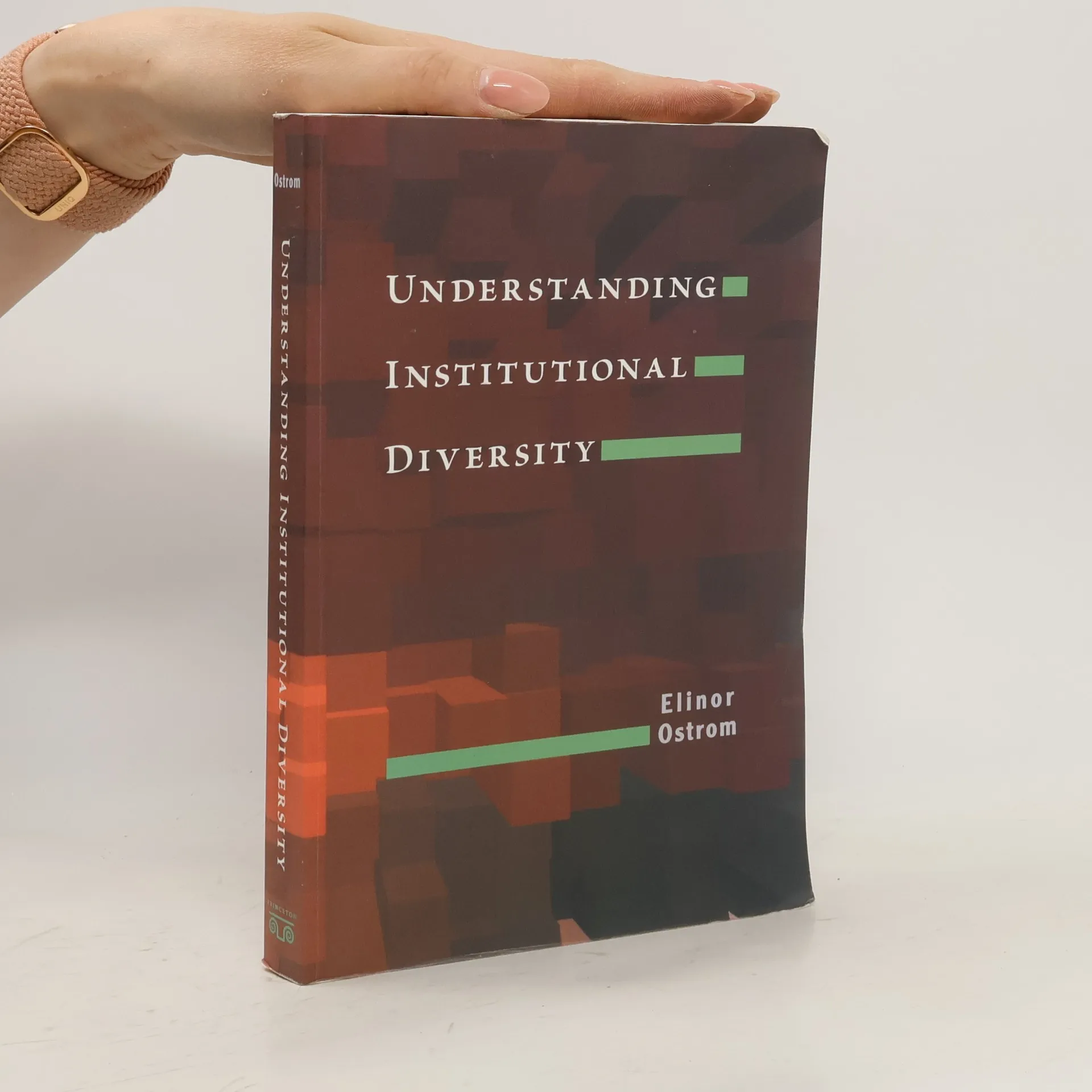

Understanding Institutional Diversity
- 376 stron
- 14 godzin czytania
The analysis of how institutions are formed, how they operate and change, and how they influence behavior in society has become a major subject of inquiry in politics, sociology, and economics. A leader in applying game theory to the understanding of institutional analysis, Elinor Ostrom provides in this book a coherent method for undertaking the analysis of diverse economic, political, and social institutions. Understanding Institutional Diversity explains the Institutional Analysis and Development (IAD) framework, which enables a scholar to choose the most relevant level of interaction for a particular question. This framework examines the arena within which interactions occur, the rules employed by participants to order relationships, the attributes of a biophysical world that structures and is structured by interactions, and the attributes of a community in which a particular arena is placed. The book explains and illustrates how to use the IAD in the context of both field and experimental studies. Concentrating primarily on the rules aspect of the IAD framework, it provides empirical evidence about the diversity of rules, the calculation process used by participants in changing rules, and the design principles that characterize robust, self-organized resource governance institutions.
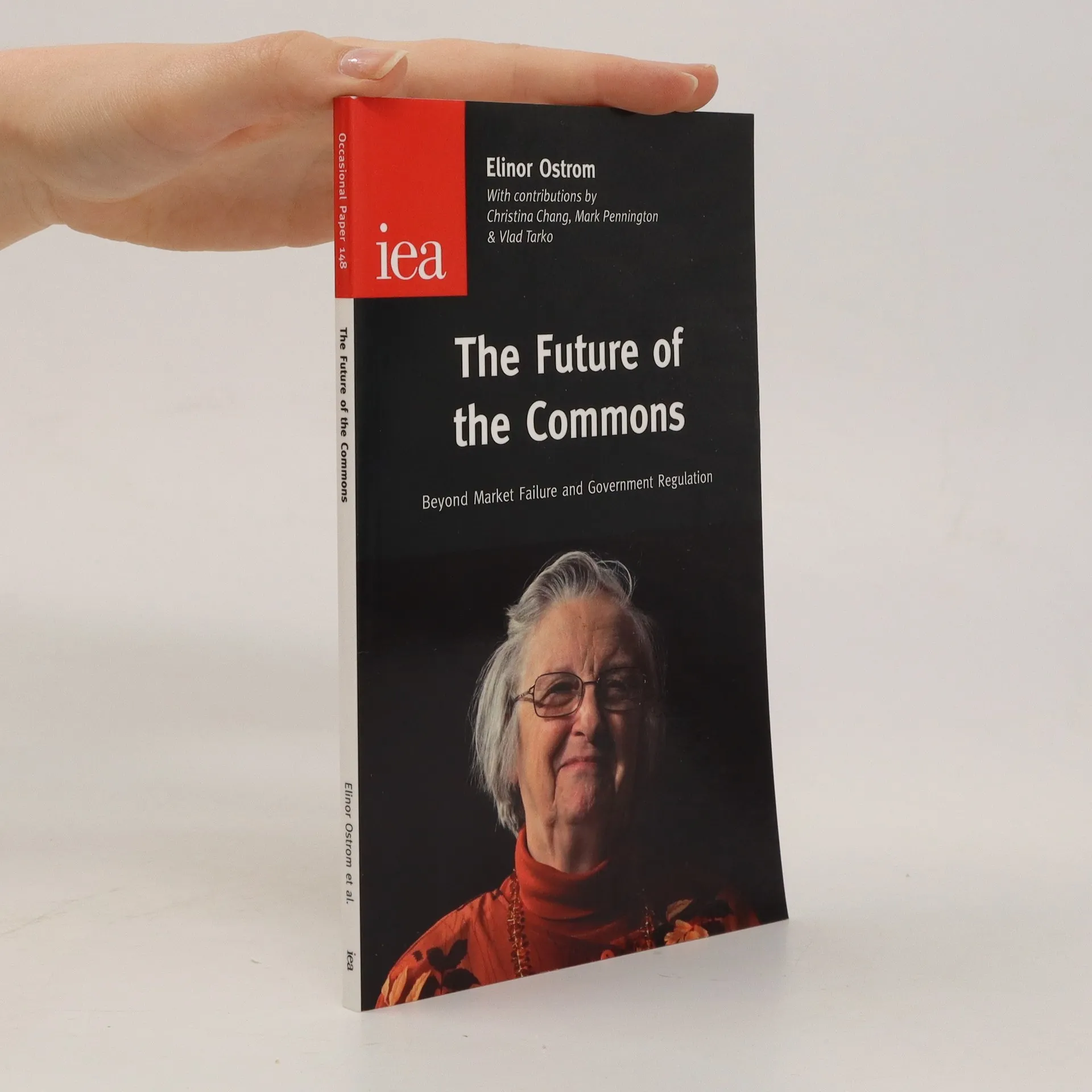
The Future of the Commons: Beyond Market Failure and Government Regulation
- 107 stron
- 4 godziny czytania
This short book provides a brief introduction to the work of the late Elinor Ostrom, 2009 Nobel Laureate in economics. Her work is of vital importance in understanding how we can manage difficult environmental problems without top-down government regulation. As Professor Ostrom suggests, examples such as European Union fisheries illustrate the difficulties of approaching the management of common-pool resources with the mindset that government regulation can be a panacea. The monograph features a lecture given by Elinor Ostrom just before she died, as well as explanations of her work, its relevance and practical examples by other eminent authors. The authors help bring to life this crucial area of economics which is extremely important for all those with an interest in tackling environmental problems related to common-pool resources. This area is often ignored in mainstream economics textbooks, but is of huge practical relevance in both developed and less-developed countries.
Was haben Wasser und Wissen, die Atmosphäre und der öffentliche Raum gemeinsam? Sie gehören zu den für selbstverständlich gehaltenen Voraussetzungen des wirtschaftlichen und sozialen Lebens. Doch so wichtig diese sogenannten Gemeingüter für unser aller Wohlergehen sind, so gering wird ihr Wert geschätzt: Sie werden privatisiert oder zerstört und gehen der Gesellschaft immer mehr verloren. Elinor Ostrom, Trägerin des Wirtschaftsnobelpreises und eine der bedeutendsten Gemeingüter-Forscherinnen, geht dieser Entwicklung am Beispiel der Wälder, der Meere und der Atmosphäre auf den Grund. Dabei begnügt sie sich nicht mit einer Problembeschreibung. Auf Basis jahrzehntelanger Forschung zeigt sie vielmehr auf, wie es gelingen kann, mit gemeinsam genutzten Dingen so umzugehen, dass alle Menschen ihre Bedürfnisse langfristig befriedigen können. Dazu gilt es vor allem, Kreativität zu wecken und Kommunikation zu fördern. Wenn man die Menschen an der Lösung der Probleme beteiligt, die ihr unmittelbares Leben betreffen, wird beides gelingen.
Jenseits von Markt und Staat. Über das Potenzial gemeinsamen Handelns
- 96 stron
- 4 godziny czytania