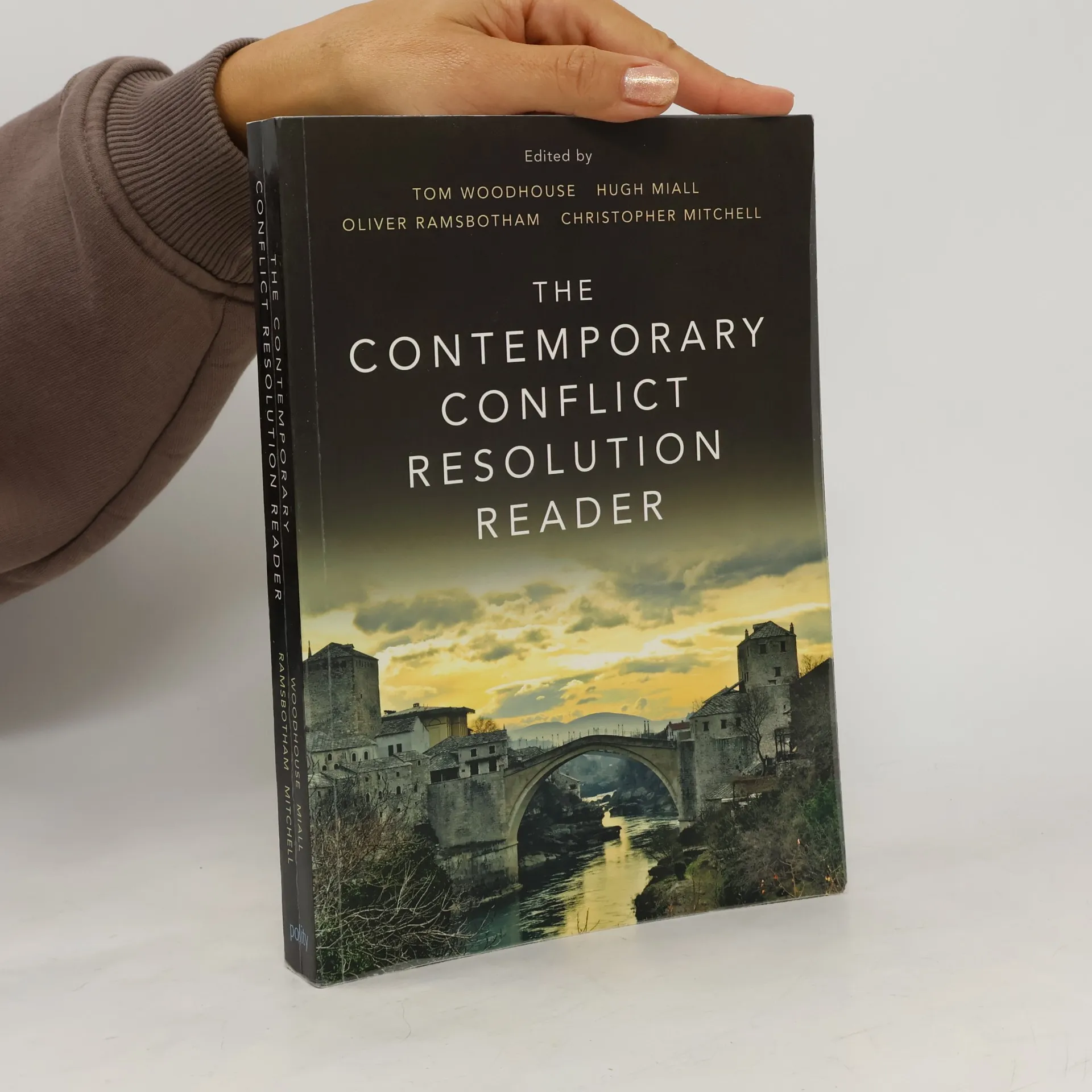
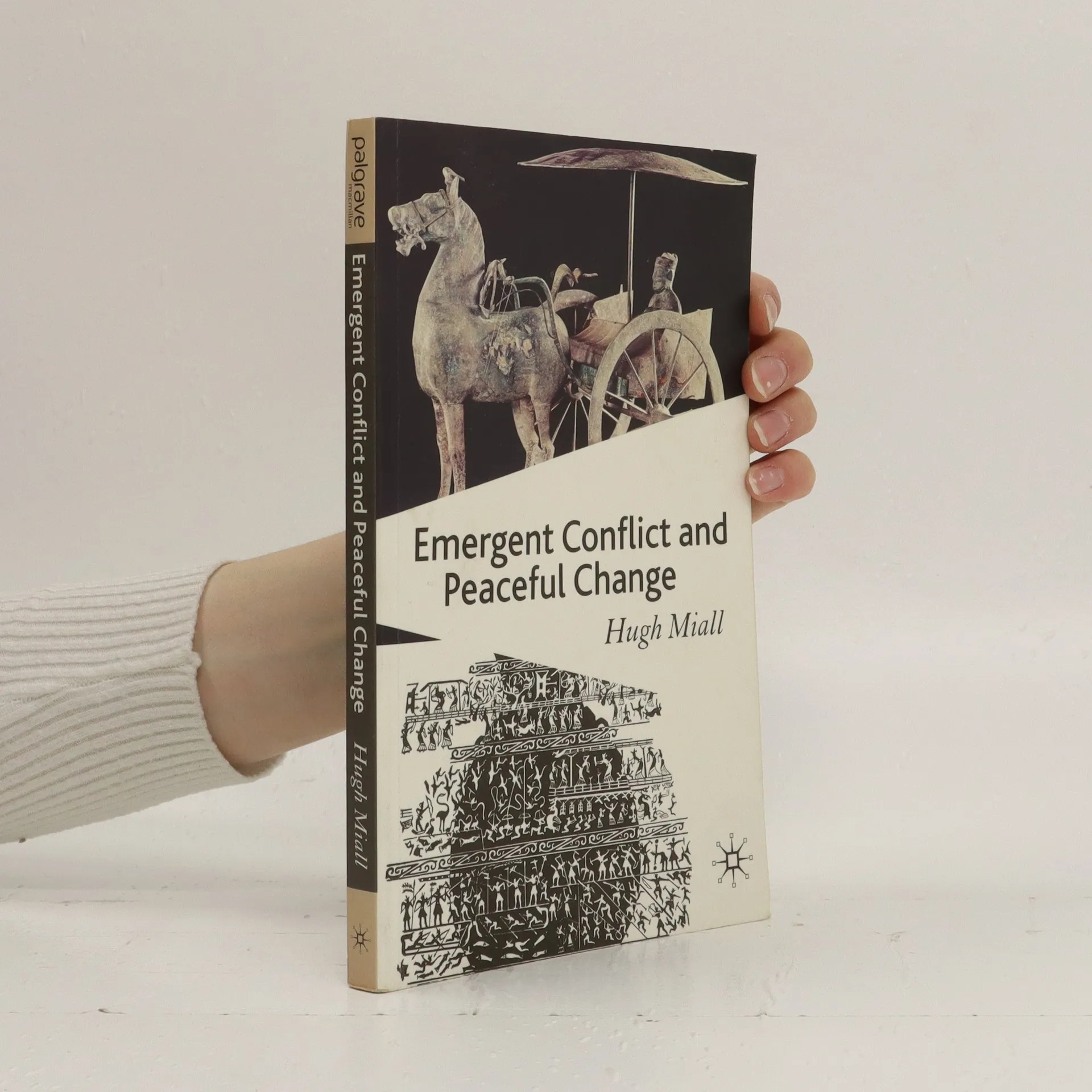
Major processes of social change, such as democratization, uneven development, and power transitions, sometimes lead to armed conflicts, sometimes to peaceful change. Under what conditions are violent conflicts arising from such changes prevented? Hugh Miall draws upon conflict theory, case studies of averted conflict and a survey of the preventors of war since 1945 to explore this question. He also looks ahead to discuss the prevention of emerging global conflicts, focusing on climate change.
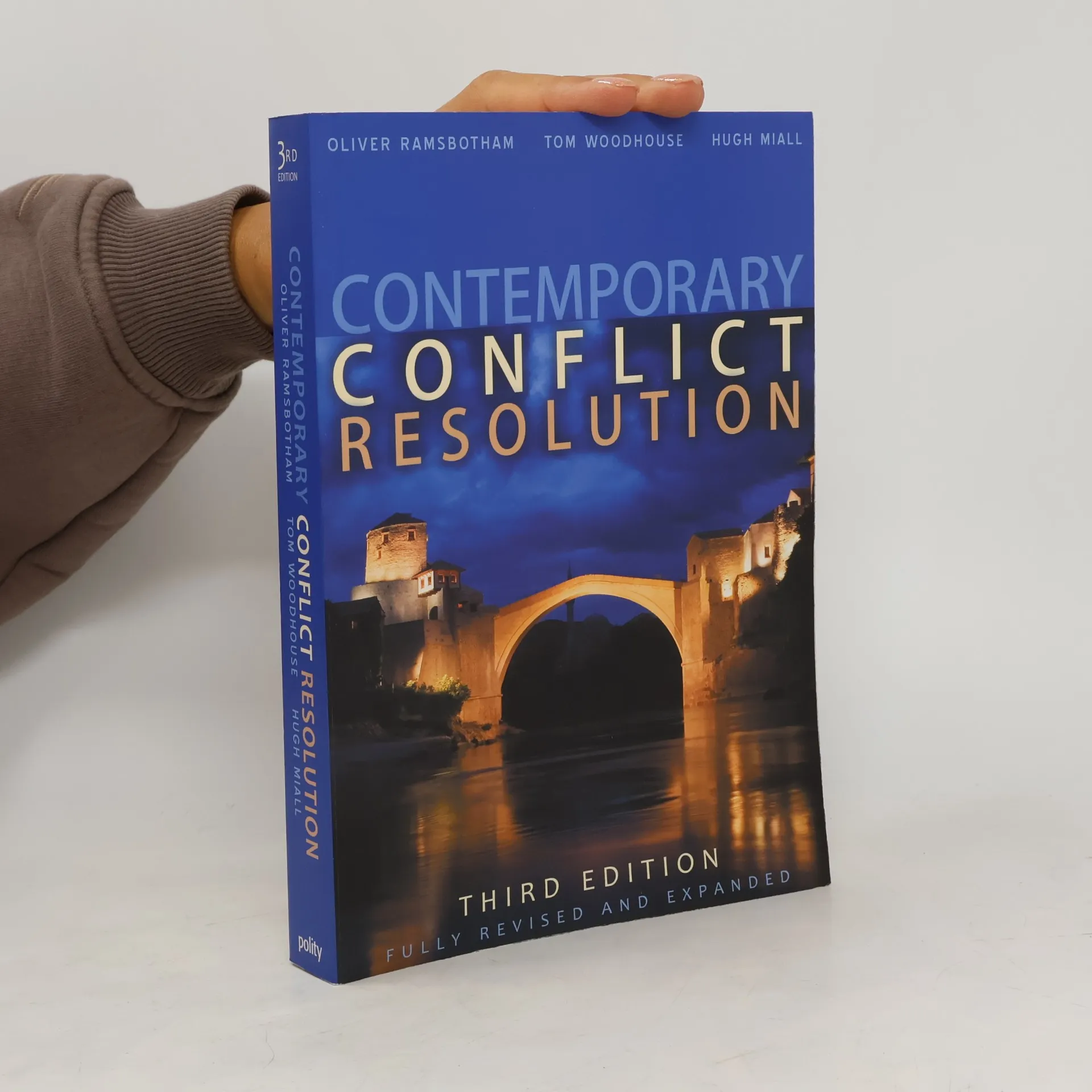
The Prevention, Management and Transformation of Deadly Conflicts - Third Edition - Fully Revised and Expanded
507 stron
18 godzin czytania
Since the end of the Cold War, conflict prevention and resolution, peacekeeping and peacebuilding have risen to the top of the international agenda. The third edition of this hugely popular text explains the key concepts, charts the development of the field, evaluates successes and failures, and assesses the main current challenges and debates in the second decade of the twenty-first century. Existing material has been thoroughly updated and four new chapters added, on environmental conflict resolution, conflict resolution in the arts and popular culture, conflict resolution in the media and the communications revolution, and theories and critiques of the field. The authors argue that a new form of cosmopolitan conflict resolution is emerging, which offers a hopeful means for human societies to handle their conflicts non-violently and eventually to transcend and celebrate their differences. Part I offers a comprehensive survey of the theory and practice of conflict resolution. Part II sets the field within the context of rapid global change and addresses the controversies that have surrounded conflict resolution as it has entered the mainstream. Contemporary Conflict Resolution is essential reading for students of peace and security studies, conflict management and international politics, as well as for those working in non-governmental organizations and think-tanks.
Armed conflict may appear to be in long term decline, but the intractability and destructiveness of contemporary conflicts make conflict resolution as urgent and necessary as ever.