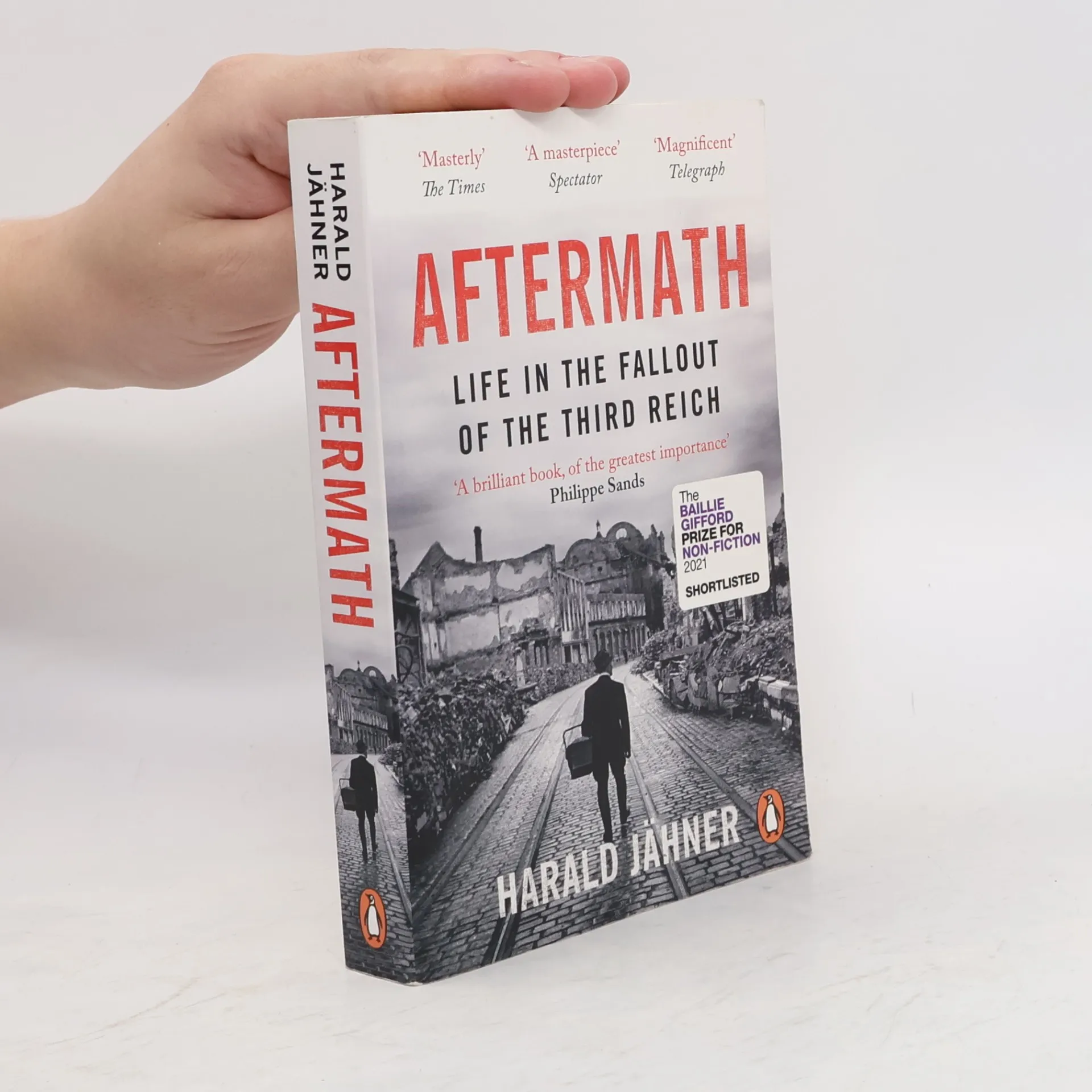
"A revelatory history of the transformational decade after World War II when Germany raised itself out of the ashes of defeat, turned away from fascism, and reckoned with the corruption of its soul, and the horrors of the Holocaust"--
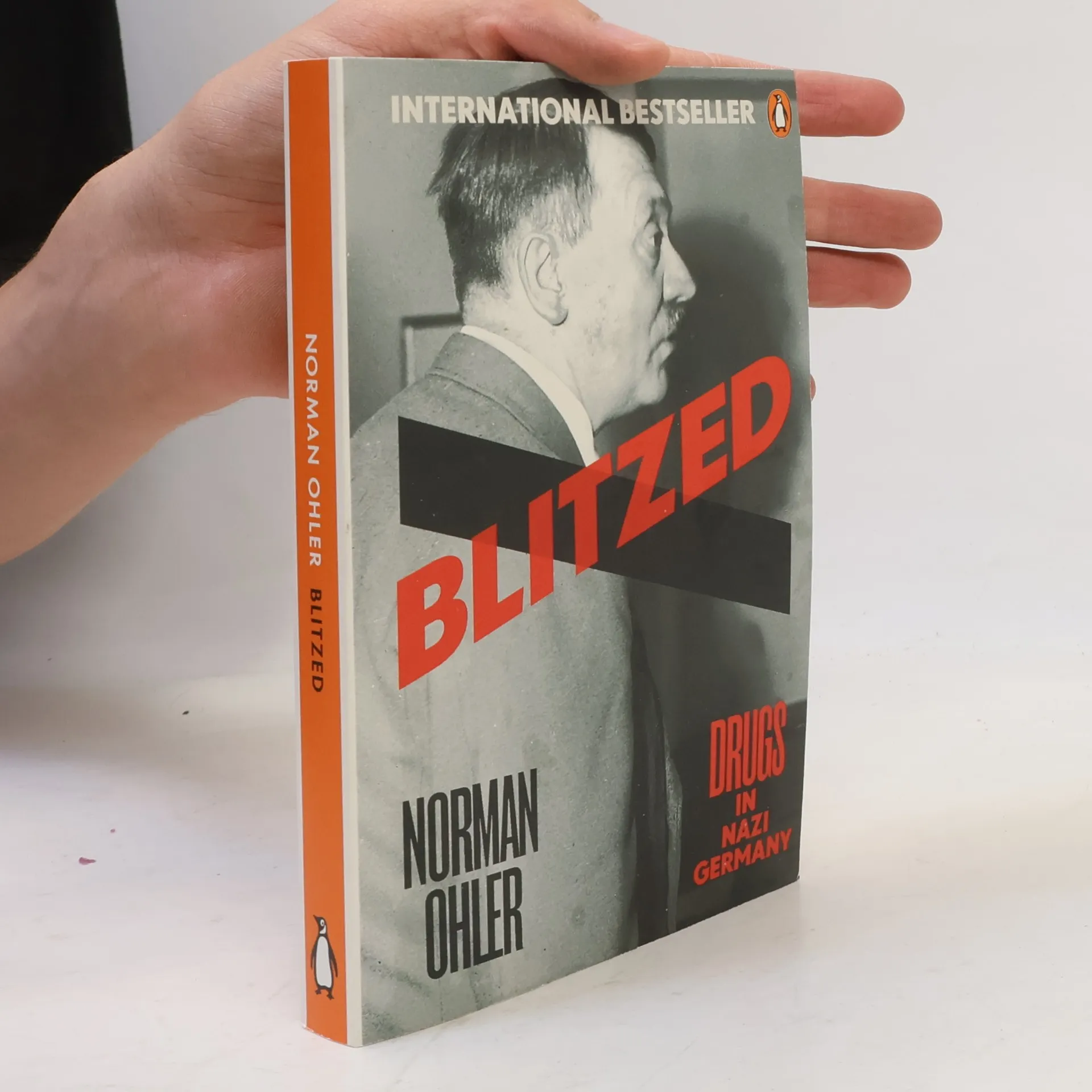
THE INTERNATIONAL BESTSELLER 'The most brilliant and fascinating book I have read in my entire life' Dan Snow 'A huge contribution... remarkable' Antony Beevor, BBC RADIO 4 'Extremely interesting ... a serious piece of scholarship, very well researched' Ian Kershaw The Nazis presented themselves as warriors against moral degeneracy. Yet, as Norman Ohler's gripping bestseller reveals, the entire Third Reich was permeated with drugs: cocaine, heroin, morphine and, most of all, methamphetamines, or crystal meth, used by everyone from factory workers to housewives, and crucial to troops' resilience - even partly explaining German victory in 1940. The promiscuous use of drugs at the very highest levels also impaired and confused decision-making, with Hitler and his entourage taking refuge in potentially lethal cocktails of stimulants administered by the physician Dr Morell as the war turned against Germany. While drugs cannot on their own explain the events of the Second World War or its outcome, Ohler shows, they change our understanding of it. Blitzed forms a crucial missing piece of the story.
Auschwitz – symbol ludobójstwa dokonanego na Żydach europejskich, najrozleglejszy kompleks obozów koncentracyjnych i zagłady, zarządzany przez nazistowskie SS, usytuowany obok miasta Oświęcim, w którym realizowane były niemieckie plany utworzenia "wzorcowego miasta na Wschodzie".Autorka ukazuje historię miejsca, gdzie normalne życie mieszkańców Oświęcimia, w tym niemieckich osadników, przeplatało się ze zbrodniami w obozie, a inwestycje przemysłowe niemieckich firm z III Rzeszy łączyły się z eksploatacją niewolniczej pracy więźniów i ludobójstwem na niespotykaną w dziejach skalę.Sybille SteinbacherProfesor historii współczesnej na Uniwersytecie w Wiedniu, była stypendystka Fundacji im. Alexandra von Humboldta na Uniwersytecie Harvarda i profesor wizytujący Fritz Bauer Institut. W 1996 roku współpracowała z Niemieckim Instytutem Historycznym w Warszawie. Autorka publikacji z zakresu dziejów narodowego socjalizmu oraz holocaustu, m.in.: "Musterstadt" Auschwitz. Germanisierungspolitik und Judenmord in Ostoberschlesien (2000) i Dachau. Die Stadt und das Konzentrationslager in der NS-Zeit (1993, 1994).
September 29th 1938. The day the fate of Czechoslovakia was sealed by the Munich Agreement. Hitler, Mussolini, Chamberlain & - the phantom of Munich, Edouard Daladier, president of the French Council were all present. This novel tells the story behind one of the 20th century's most decisive moments.
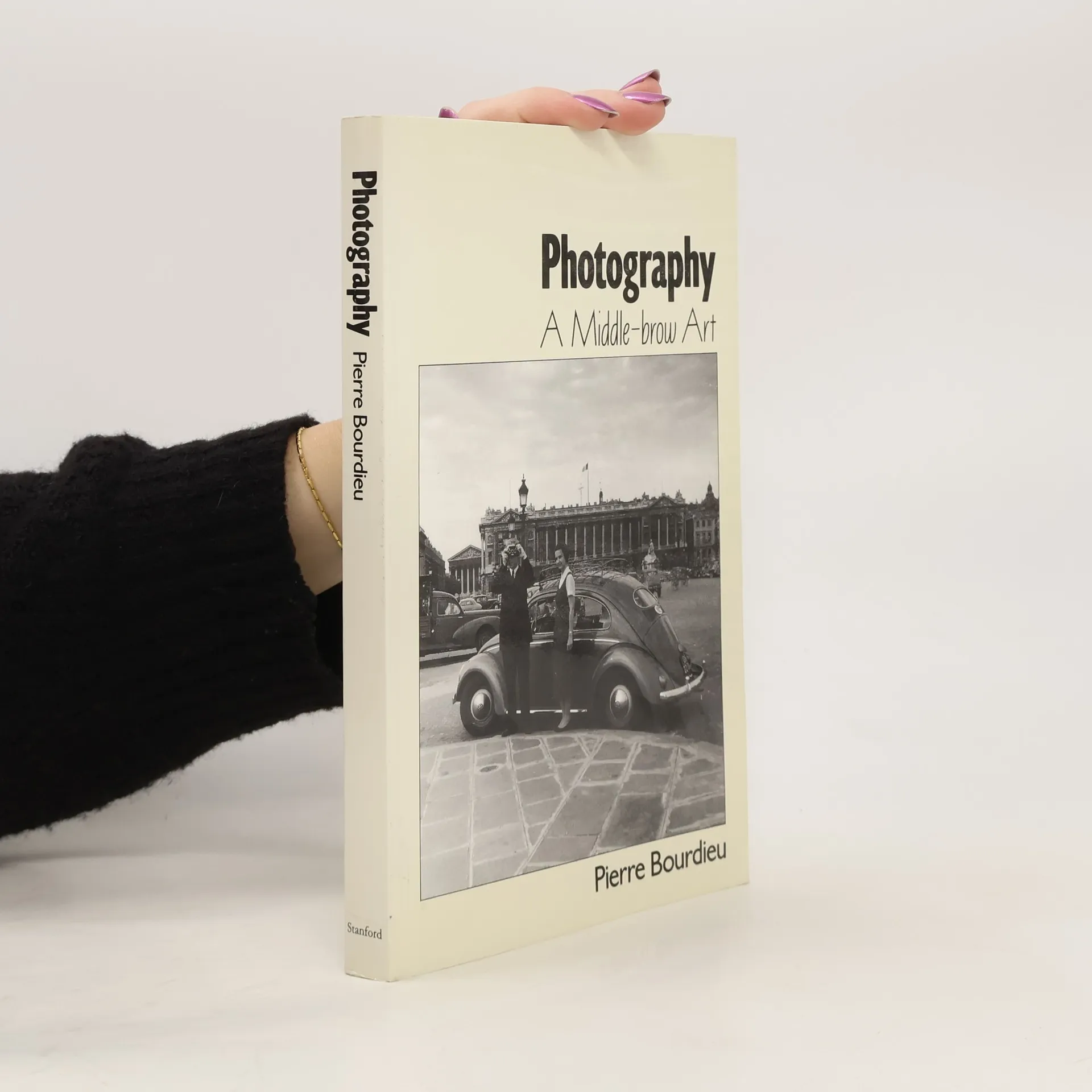
The everyday practice of photography by millions of amateur photographers may seem to be a spontaneous and highly personal activity. But France's leading sociologist and cultural theorist shows that few cultural activities are more structured and systematic than photography.
Florian Illies po mistrzowsku rozwija przed nami panoramę roku, który trudno z czymkolwiek porównać, roku, w którym zaczyna się nasza współczesność. Literatura, muzyka i sztuka łamią wszelkie granice. Franz Kafka pisze nieskończenie długie i piękne listy do Felicji Bauer, za sprawą których pozbawia się szans na małżeństwo, Strawiński i Schönberg są sprawcami niesłychanych skandali, w Essen powstaje prototyp pierwszego supermarketu Aldi, w Mediolanie Prada otwiera swój pierwszy oddział, Zygmunt Freud i Rainer Maria Rilke idą w Monachium na jednego, piętnastolatek nazwiskiem Bertolt Brecht zostaje redaktorem naczelnym szkolnej gazetki w Augsburgu, a Ernst Ludwig Kirchner maluje wciąż od nowa Potsdamer Platz. W Monachium austriacki malarz kartek pocztowych nazwiskiem Adolf Hitler sprzedaje banalne miejskie widoczki. Autor zdołał w swej książce stworzyć zapierający dech w piersiach portret wyjątkowego roku, kiedy to długi dziewiętnasty wiek zderza się z hukiem z krótkim wiekiem dwudziestym, wiekiem wojen i skrajności.
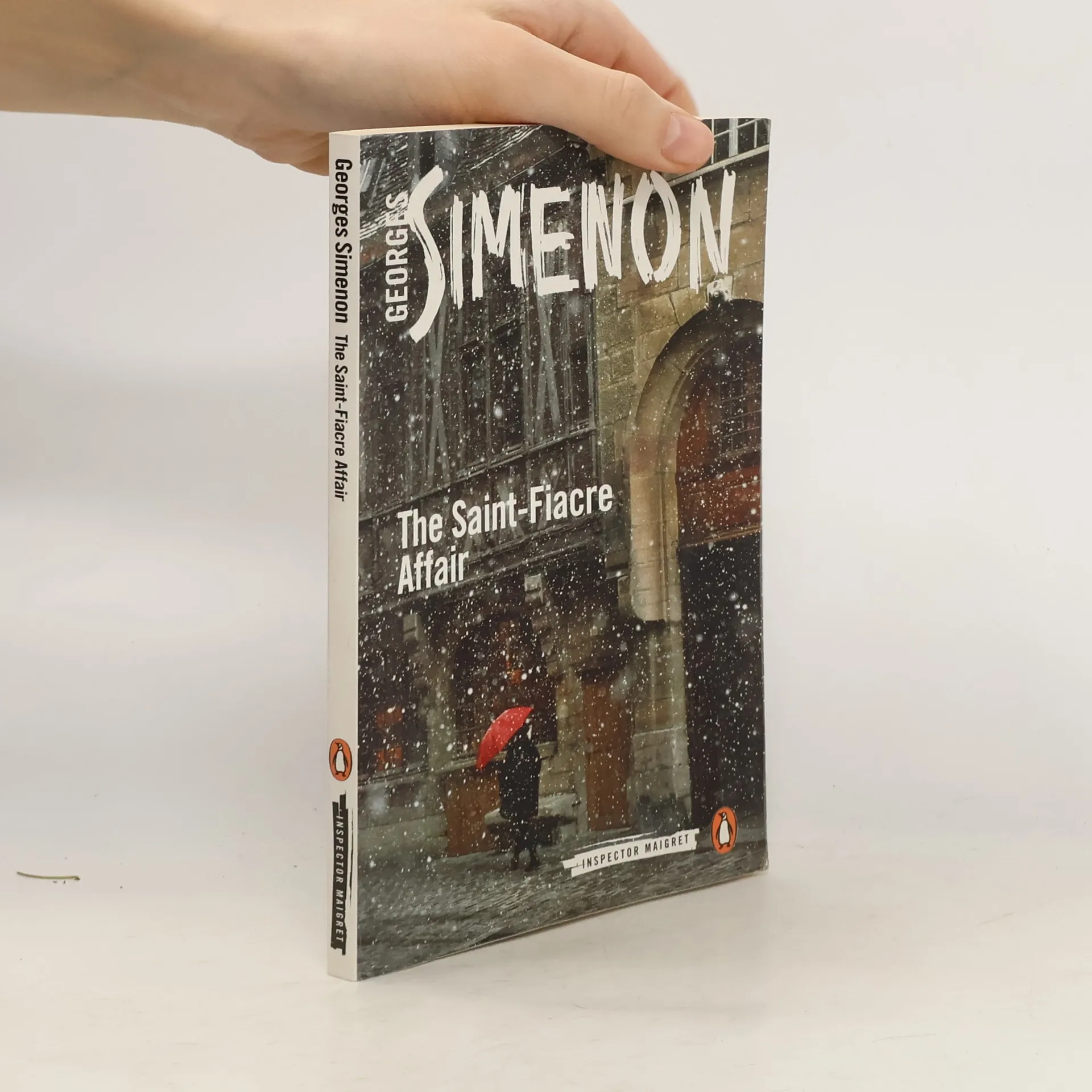
When an ominous note predicting the time and place of a death finds its way to Maigret's desk in Paris, his investigation brings him to Saint-Fiacre, the place of his birth. It isn't long before a darkness descends on Maigret and the town, as the prediction becomes a brutal reality and the Inspector discovers he is not welcome in the place he once called home. As much a thriller as a meditation on alienation, The Saint-Fiacre Affair displays Simenon's unique and searing perspective of the struggles we all are forced to endure.
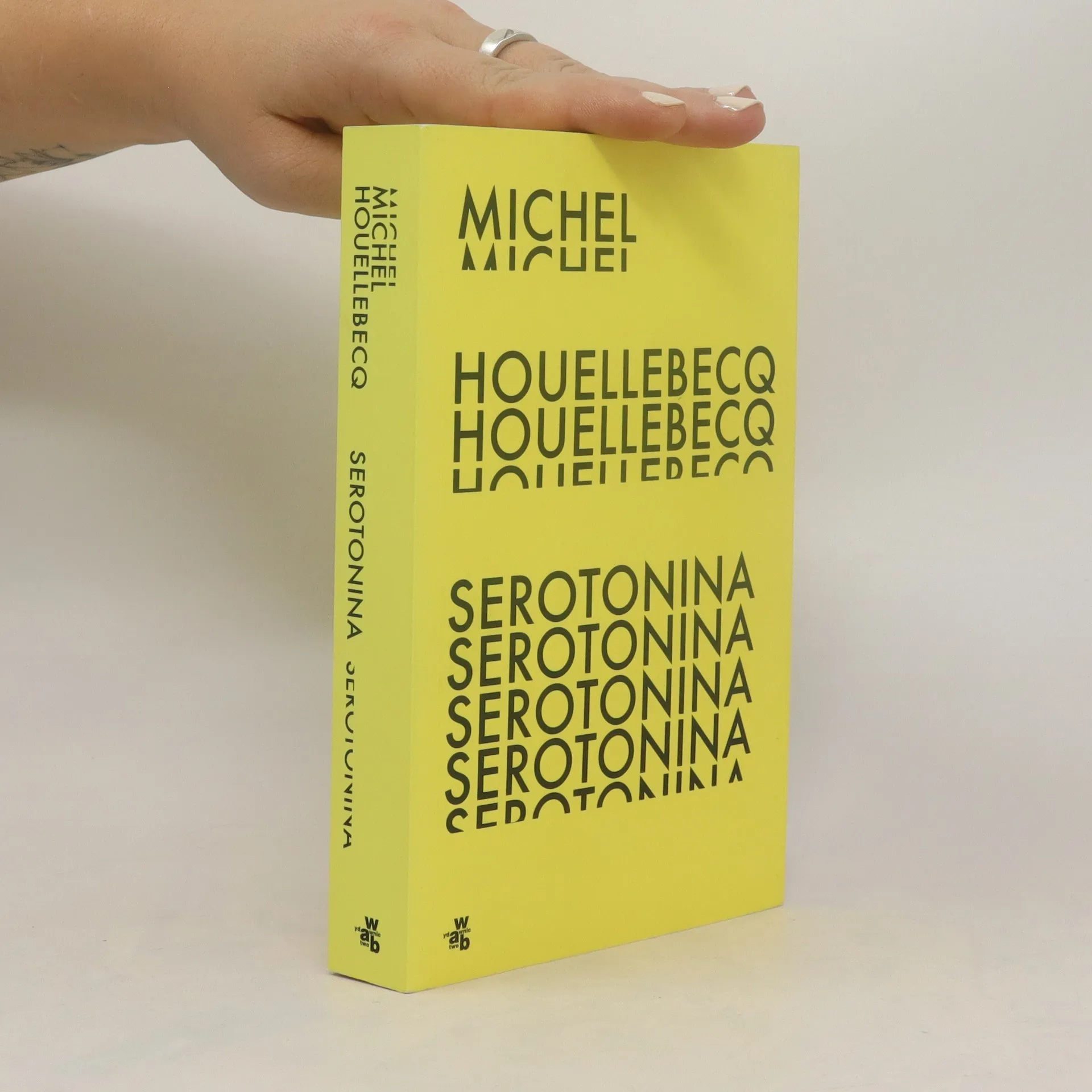
Serotonina to historia czterdziestosześcioletniego Florenta-Claude'a Labrouste'a, który pewnego dnia odkrywa, że partnerka zdradzała go z młodymi mężczyznami podczas filmowanych orgii. Opuszcza ją i całymi dniami snuje się po barach, wygłaszając tyrady na temat związków miłosnych. Bohaterowi udaje się funkcjonować jedynie dzięki regularnemu zażywaniu tabletki Captorix, która powoduje wydzielanie serotoniny, zwanej hormonem szczęścia.
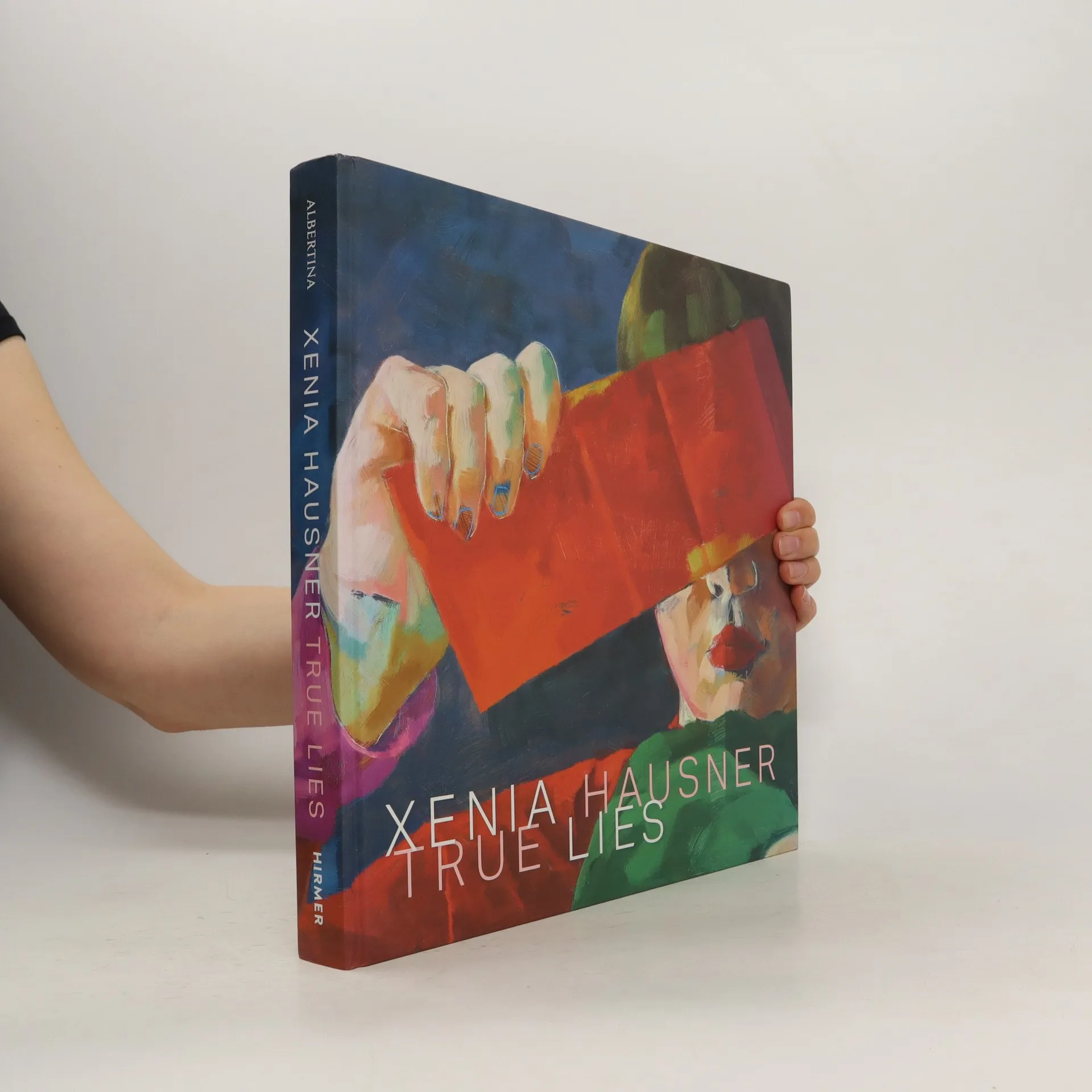
Xenia Hausner is one of the most important Austrian painters of our time. This richly illustrated volume focuses on the aspect of staging that characterizes all her works. Beginning with her early pieces from the 1990s and culminating in the poignant Exiles series, the book transports readers into a feminine world filled with mysterious relationships. Hausner's painting is rooted in photography; the artist constructs spatial settings in her studio and captures a moment akin to a film still. Translated into painting, her images create a dramatic tension, suggesting that what is shown must lead to the next image to reveal its mysteries. Through the staged elements in her works—the painted captured lie—we encounter the contradictions of our existence and find an alternative to a male-dominated visual language.