Peter Hitchens looks carefully at the involvement of politics and politicians in contemporary British education and points out the fundamental errors which have resulted in anxiety for parents all over the country.
How do you tell that a country has died? In this devastating, pessimistic, though critically-timed revised edition of his classic book, Peter Hitchens describes and regrets the abolition of Britain. In the years since Peter Hitchens first wrote The Abolition of Britain, he argues, there has been an acceleration in the decay of society and culture. Fewer people read; universities have become less and less free; more churches are closing; language has become more homogenised; the city skyline is emblematic of the triumph of Mammon; the monarchy is merely hanging on and immigration is at an unprecedented and unsustainable level, a fact accepted even by those who first welcomed its growth. Hitchens, a former revolutionary Marxist, is amazed and amused by the way in which the nominal Conservative Party has now embraced culturally and socially revolutionary ideas, especially about the family, sexual politics and education, which he would have thought ambitious in his days as a 1960s Trotskyist. As he writes, 'my only concern now is to ensure that others, in some unimaginable future, will be able to find at least one voice which will explain to them how one of the fairest, kindest civilisations ever to have existed on earth ... should in so short a time have wasted its birthright and thrown away its gifts'.
Was World War II really the `Good War'? In the years since the declaration of peace in 1945 many myths have sprung up around the conflict in the victorious nations. In this book, Peter Hitchens deconstructs the many fables which have become associated with the narrative of the `Good War'. Whilst not criticising or doubting the need for war against Nazi Germany at some stage, Hitchens does query whether September 1939 was the right moment, or the independence of Poland the right issue. He points out that in the summer of 1939 Britain and France were wholly unprepared for a major European war and that this quickly became apparent in the conflict that ensued. He also rejects the retroactive claim that Britain went to war in 1939 to save the Jewish population of Europe. On the contrary, the beginning and intensification of war made it easier for Germany to begin the policy of mass murder in secret as well as closing most escape routes. In a provocative, but deeply-researched book, Hitchens questions the most common assumptions surrounding World War II, turning on its head the myth of Britain's role in a `Good War'.
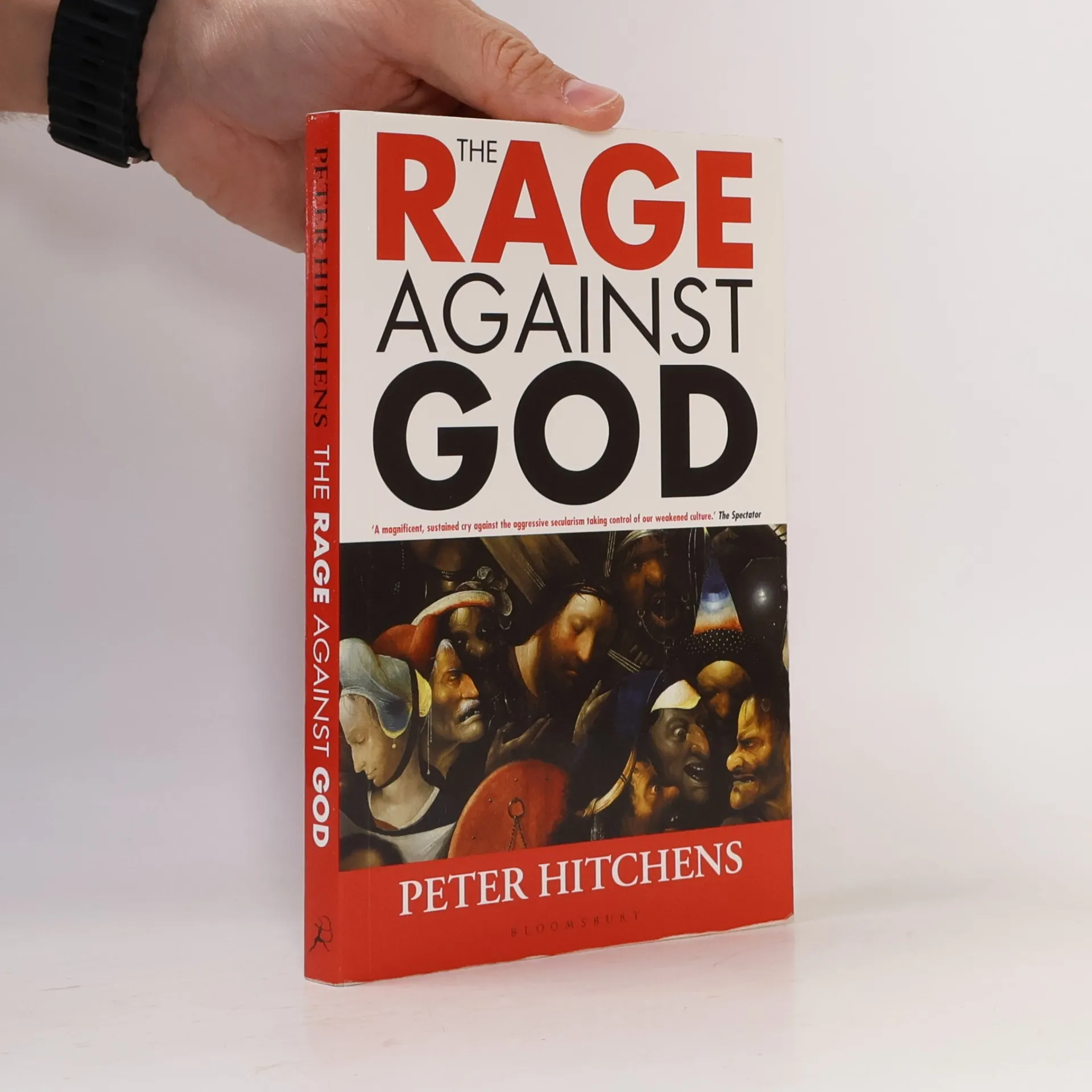
Peter Hitchens lost faith as a teenager. But eventually finding atheism barren, he came by a logical process to his current affiliation to an unmodernised belief in Christianity. Hitchens describes his return from the far political left. Familiar with British left-wing politics, it was travelling in the Communist bloc that first undermined and replaced his leftism, a process virtually completed when he became a newspaper's resident Moscow correspondent in 1990, just before the collapse of the Communist Party. He became convinced of certain propositions. That modern western social democratic politics is a form of false religion in which people try to substitute a social conscience for an individual one. That utopianism is actively dangerous. That liberty and law are attainable human objectives which are also the good by-products of Christian faith. Faith is the best antidote to utopianism, dismissing the dangerous idea of earthly perfection, discouraging people from acting as if they were God, encouraging people to act in the belief that there is a God and an ordered, purposeful universe, governed by an unalterable law.
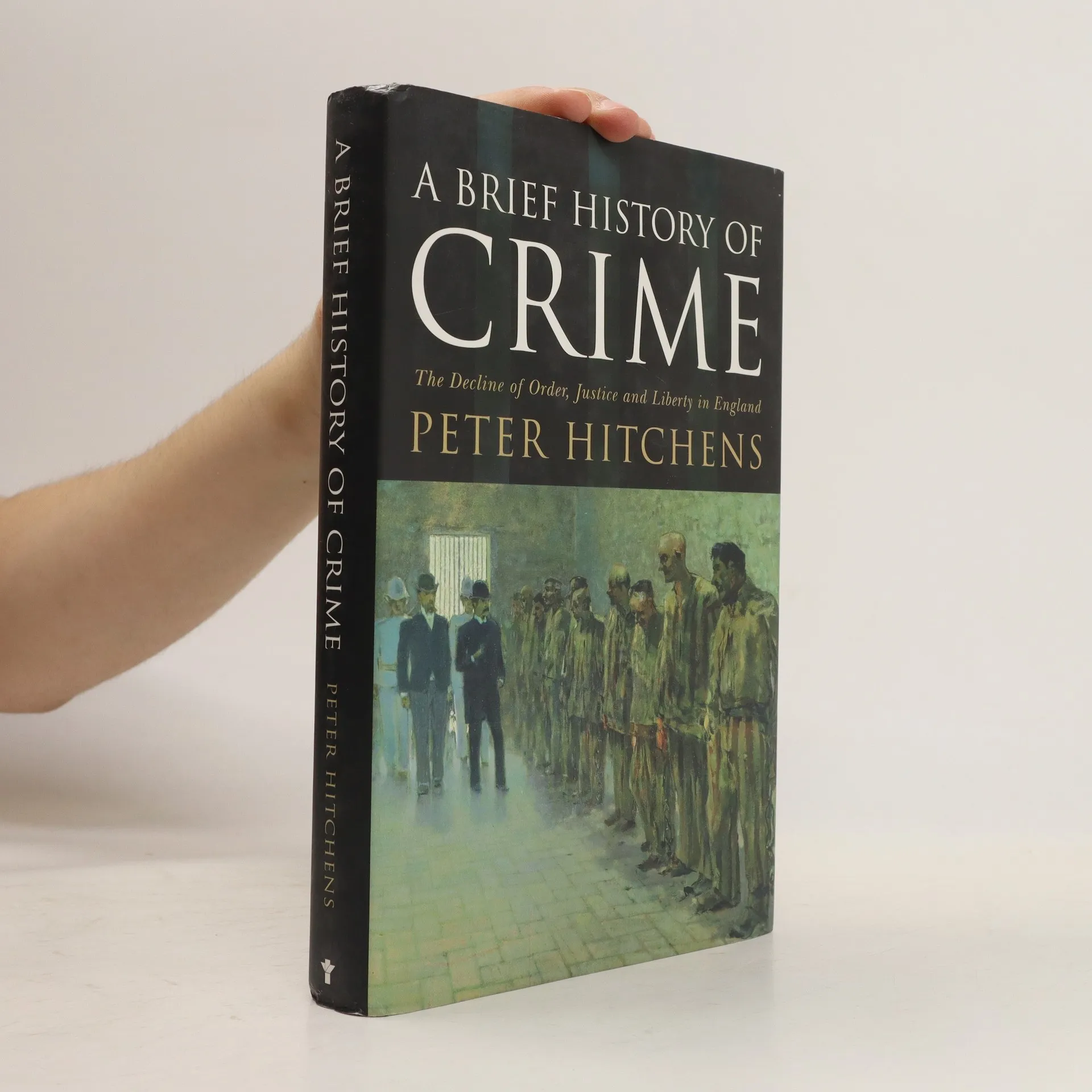
In this volume Peter Hitchens argues that the time has come to re-examine the criminal justice system root and branch - to cope with rising levels of violent crime, and to restore public faith in society's ability to defend itself.
This book offers a powerful polemic on the decline of modern day Britain.Hitchens identifies everything that he feels has gone wrong with Britain since the Second World War and makes the case for the 'many millions who feel that they have become foreigners in their own land and wish with each succeeding day that they could turn the clock back'. Writing with brilliance and flair, Hitchens targets the pernicious effects of TV culture, the corruption and decay of English language, the loss of deference and the syrupy confessional mood brought on by the death of Princess Diana. This new paperback edition includes a brand new introduction taking the story up to the present day.