Focusing on some of the more famous works of one of the most innovative painters of the Impressionist era, Alexandrian evaluates the artist's relationship with other Impressionists and clarifies Seurat's unique concept of chromoluminosity.
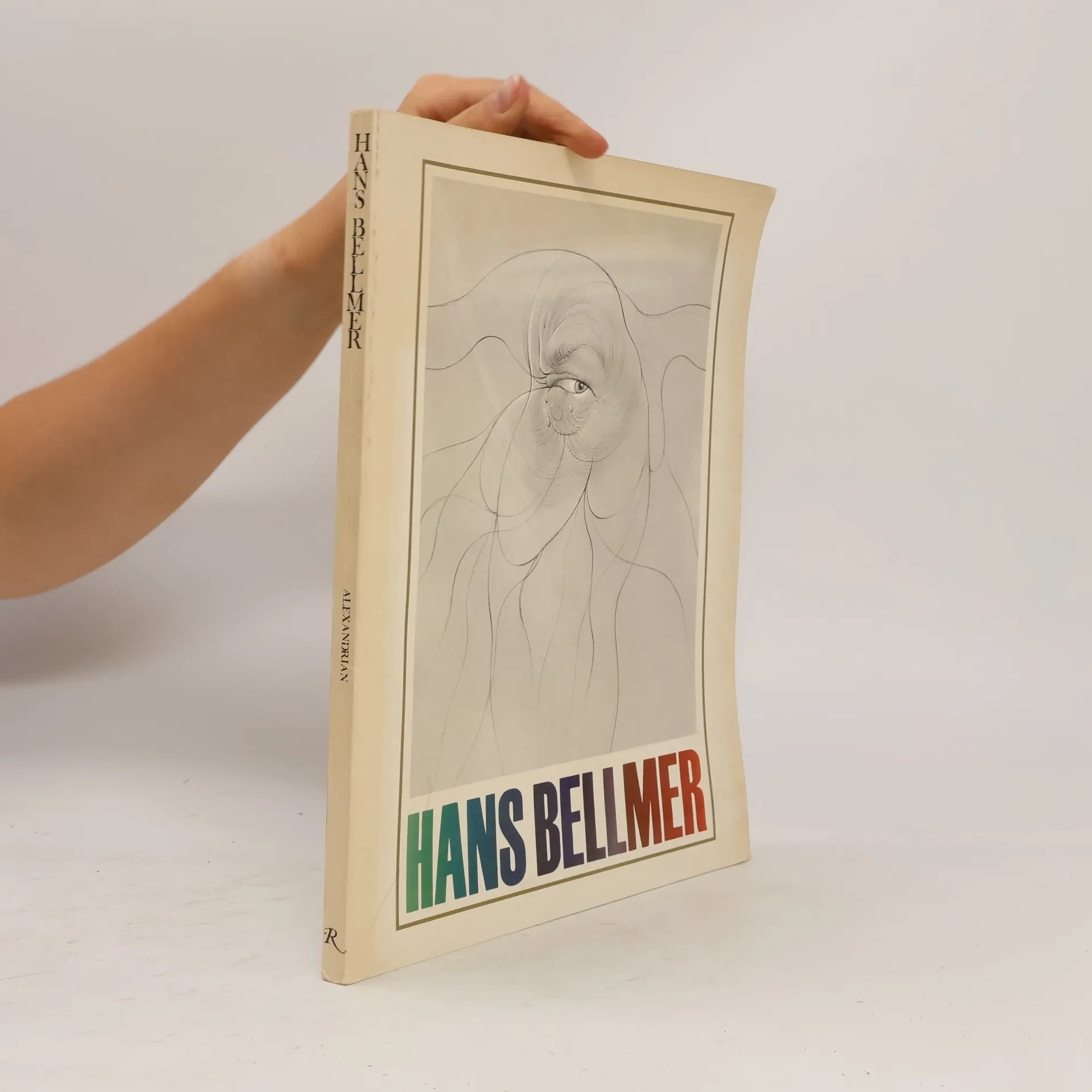
The fascination of the Surrealists with dolls and humanoid machines is particularly evident in the work of Hans Bellmer (1902-1975). In the years following 1933, the artist created disturbing dolls from wax, wood, flax, plaster, and glue, which he adorned with wigs and glass eyes, in a departure from the body cult of the National Socialists. Photos of these fetishistic figures were published in the surrealist magazine Minotaure and enthusiastically received by the circle around André Breton. The staging of the female body that underlies the famous doll constructions serves as a starting point for his further works: drawings, photographs, and graphics. Intensively engaged in the discussion of Freudian theses, he explored psychoanalytic theories of hysteria and transference, making a valuable contribution to the study of the relationship between language and body.
Surrealism, a significant artistic and intellectual movement that dominated the 20th century still inspires an avid interest today. Surrealist exhibitions proliferate the world over, and books devoted to the movement's illustrious participants abound. Rather than the lingering memory of a past poetic and pictorial adventure, Surrealism has proven to be a permanently relevant force.Written by Sarane Alexandrian, a friend and secretary to André Breton and one of Surrealism's most prominent historians, this book offers a dynamic comparison of the great and minor masters of Surrealism, via more than 200 illustrations demonstrating the myriad possibilities of these visionary and revelatory works. This volume pays tribute to the powers of the imagination, the random surprises of daily life and the observation of inexplicable phenomenon, while recognizing the sense of sacredness conveyed by cosmic mysteries, and adding to all the creative marvels seized by these artists the climax of their own inspiration. This book reveals how Surrealist painting, through its spirit and its audacious techniques, was fully engaged in the battle of modern art.
Man Ray is indisputably one of the most original artists of the 20th century. His innovative nude studies, fashion work and portraits opened a new chapter in the history of photography. Born Emmanuel Radnitzky in Philadelphia, he began his artistic career in New York. In 1921 he moved to Paris, where he was enthusiastically welcomed into Dadaist and Surrealist circles. Man Ray - together with Marcel Duchamps, André Breton, Paul Eluard, Louis Aragon and Philippe Soupault - revolutionized the traditional understanding of art. A multi-faceted genius, he not only did photographic portraits of James Joyce, Gertrude Stein and Pablo Picasso, but he also engaged himself as a fashion photographer for Vogue and Harpers Bazaar. Man Ray experimented tirelessly with new photographic techniques - multiple exposure, rayography and solarization were some of his most famous creations. 'The Man Ray' portfolio features high quality prints that beg to be framed. Tucked in the portfolio are 14 large-format reproductions, each with a brief description.