

Bookbot

Clifford Williams

    Autobiographie. Suivi de Conrad Detrez
    Starve the Wolf
    Existential Reasons for Belief in God
    Rebeka
    Wild oats
    The Uneasy Conscience of a White Christian
    • Exploring the moral responsibility of White Christians regarding racial disparities, the author combines personal narratives with philosophical insights. He emphasizes the significance of the Golden Rule and the detrimental effects of racism on both individuals and communities. Through thought-provoking questions, he addresses the strong reactions to Black empowerment and the challenges of church integration in the U.S. Williams advocates for the cultivation of character traits essential for pursuing racial equity, offering a guide for White Christians to engage meaningfully in this critical issue.
      The Uneasy Conscience of a White Christian
      5,0
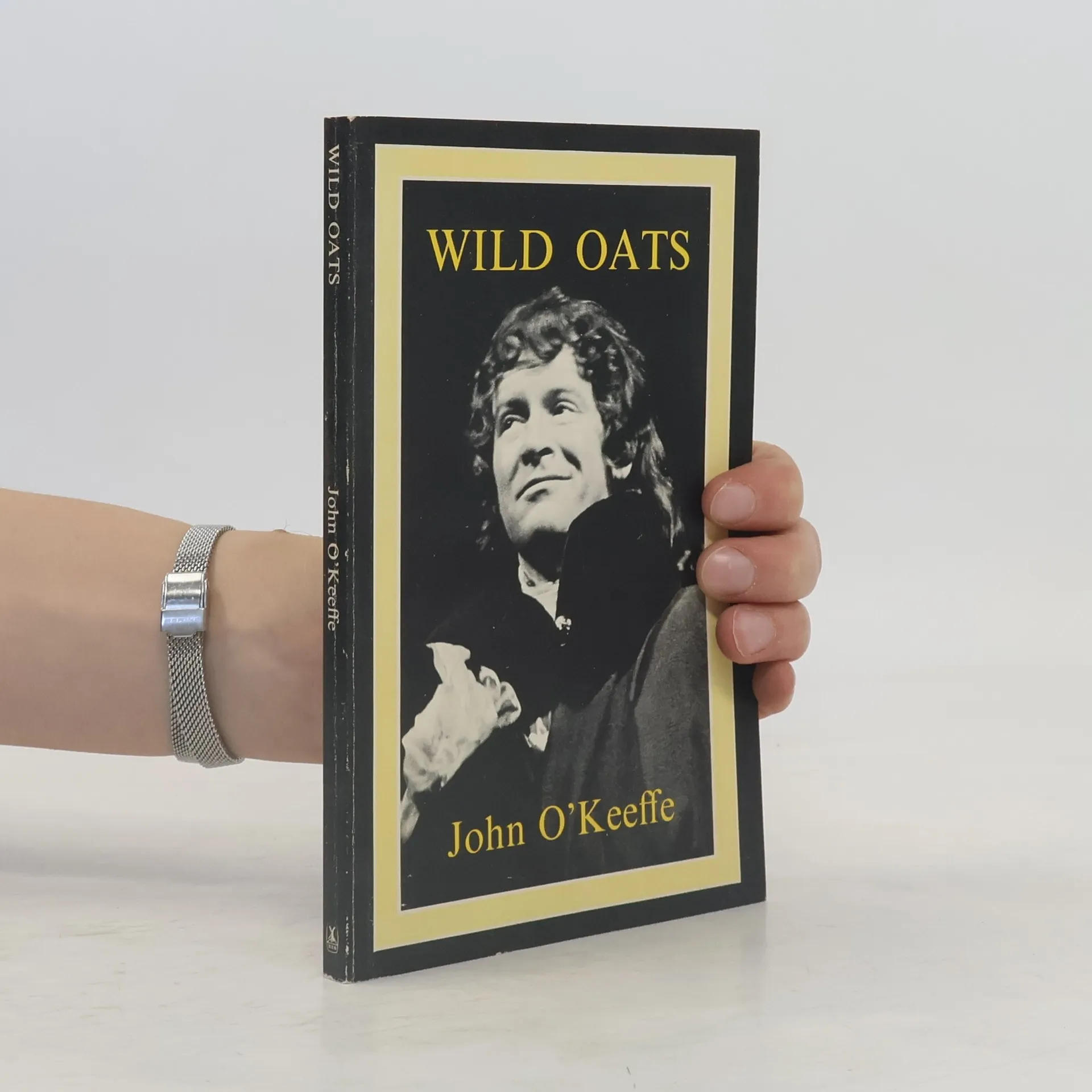
    • "Wild Oats" was first performed in 1789, and was rediscovered by the Royal Shakespeare Company and opened in 1976. It's a comedy, drawing from Shakespeare, Restoration and other bits of theatre to create an unforgettable experience

      Wild oats
      5,0
    • Rebeka

      • 448 stron
      • 16 godzin czytania

      Nagrodzona National Book Award powieść, która zainspirowała Alfreda Hitchcocka i Stephena Kinga, jest teraz dostępna w eleganckim wydaniu. Podczas podróży na Riwierę Francuską nieśmiała dziewczyna poznaje zamożnego wdowca, Maxima de Wintera, i szybko zgadza się na małżeństwo. Szczęście kończy się po przyjeździe do Manderley, rodzinnej posiadłości Maxima, gdzie nowa pani de Winter odkrywa, że mąż zmienia się w niewytłumaczony sposób, a ona sama czuje się zagubiona. Pozbawiona przyjaciół, zostaje sama w ogromnej rezydencji, w której wciąż unosi się duch poprzedniej żony Maxima – Rebeki, zmarłej w niewyjaśnionych okolicznościach. Nowa pani de Winter postanawia odkryć prawdę o swojej doskonałej poprzedniczce i jej tragicznej historii. Powieść oferuje doskonałą rozrywkę, a du Maurier stworzyła nową skalę, dzięki której współczesne kobiety mogą mierzyć swoje uczucia. King nazywa ją arcydziełem, podkreślając, że rzadko martwa postać ma taką moc oddziaływania. „Rebeka” to inspirująca powieść XX wieku, która wplotła się w kulturę, zachwycając czytelników od 1938 roku swoją psychologiczną głębią i atmosferą niepokoju.

      Rebeka
      4,2
    • Existential Reasons for Belief in God

      • 188 stron
      • 7 godzin czytania

      The book explores how personal needs, desires, and emotions contribute to one's faith in God, beyond just doctrines and rational arguments. Philosopher Clifford Williams addresses common objections to these experiential aspects, emphasizing their significance in both the initiation and sustenance of belief. By highlighting the interplay between personal experience and faith, the author presents a compelling case for a more inclusive understanding of what draws individuals to spirituality.

      Existential Reasons for Belief in God
    • Starve the Wolf

      • 128 stron
      • 5 godzin czytania

      The exploration of loneliness and maladaptive behavior is central to this lyrical work, where magic and cleansing serve as metaphors for personal growth. The author reflects on his journey through young adulthood, delving into evolving philosophies regarding love and a sense of belonging. Through evocative verse, the narrative captures the complexities of human emotion and the transformative power of self-discovery.

      Starve the Wolf
    • Autobiographie. Suivi de Conrad Detrez

      • 219 stron
      • 8 godzin czytania

      Dans Autobiographie, le lecteur est entraîné par le rythme, ses sursauts et ses plages de calme apparent, se trouve pris dans un flux où la détresse, l'homosexualité, la hargne, le dégoût de vivre et les images d'un bonheur fuyant composent une fresque narrative d'une rare puissance d'évocation. Il en est de même avec le Conrad Detrez, thrène ou tombeau - à la manière de la Délie de Maurice Scève - où Cliff évoque une amitié sans nuages avec l'auteur de L'Herbe à brûler, prix Renaudot 1978, mort du sida en 1985. Là aussi, le rythme et la forme sont essentiels. Le tragique de l'existence du «héros» constitue le miroir idéal où l'auteur se découvre et se constitue. «La leçon de William Cliff puise sa force et sa cohérence dans la tradition baudelairienne, médiévale, romantique, latine (et j'en passe), vivifiée sans hiatus par des accents parfaitement maîtrisés. La présence de Cliff - du poète et de l'homme - s'affirme au-delà de toute allégeance. La vie de Cliff, c'est toujours sa poésie.» Jean-Claude Pirotte.

      Autobiographie. Suivi de Conrad Detrez
      4,2