A History of Christianity
- 1184 strony
- 42 godziny czytania
From a prize-winning author, this book charts the course of Christianity from ancient history onwards.



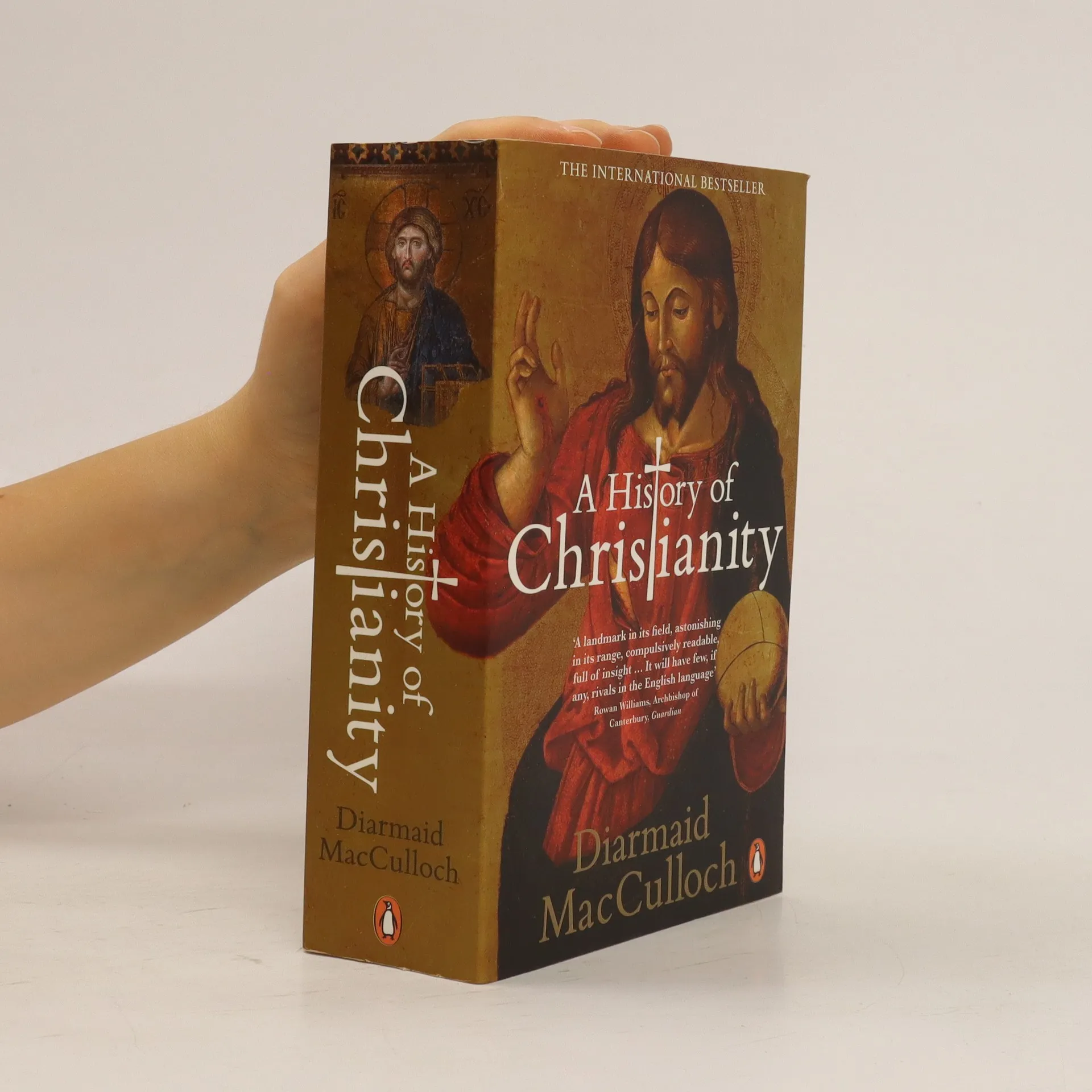
From a prize-winning author, this book charts the course of Christianity from ancient history onwards.
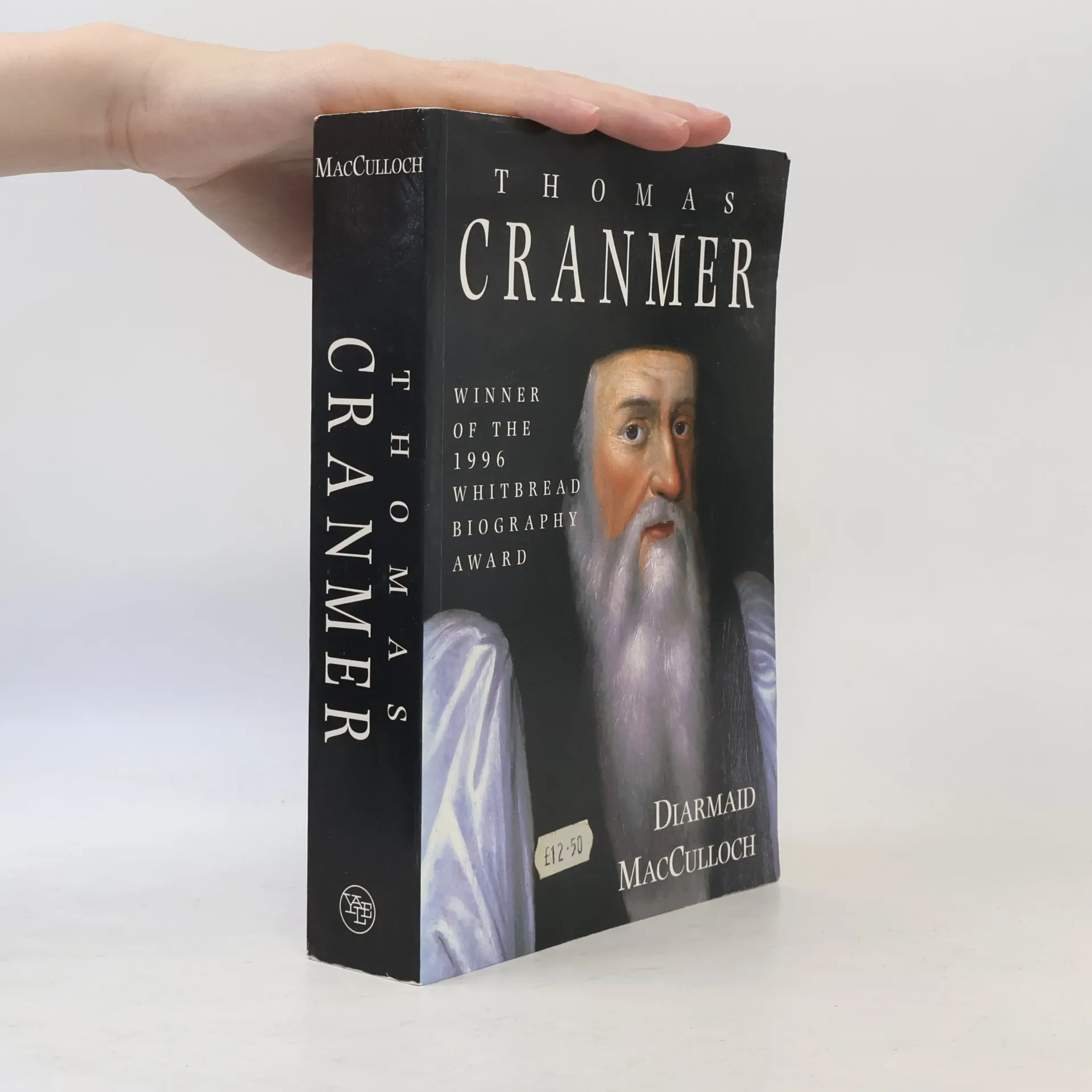
Thomas Cranmer, the architect of the Anglican Book of Common Prayer and archbishop of Canterbury, played a pivotal role in guiding England through the early Reformation and navigating Henry VIII's divorce. This biography, the first in over thirty years, draws on new manuscript sources to explore Cranmer's journey from his east-Midlands origins to his two-decade tenure as a conservative Cambridge academic. Diarmaid MacCulloch, a leading scholar of the English Reformation, details how Cranmer became involved with Henry VIII's court, leading to his embrace of the evangelical faith and eventual rise to archbishop. As a prominent statesman, Cranmer navigated the church's challenges amid the king's indecision and produced two versions of the English prayer book. MacCulloch reconstructs the crises Cranmer faced, including his association with Henry's divorces, the threat from religious conservatives, and his involvement in the attempt to place Lady Jane Grey on the throne, culminating in his imprisonment under Mary Tudor. Despite nearly renouncing his achievements, Cranmer displayed remarkable courage at his execution, affirming his Protestant faith. This vivid account presents Cranmer as a complex figure—initially more conservative than often portrayed, yet deeply evangelical. His enduring legacy lies in his contributions to the prayer book, which shaped English speech and influenced international language and theology.
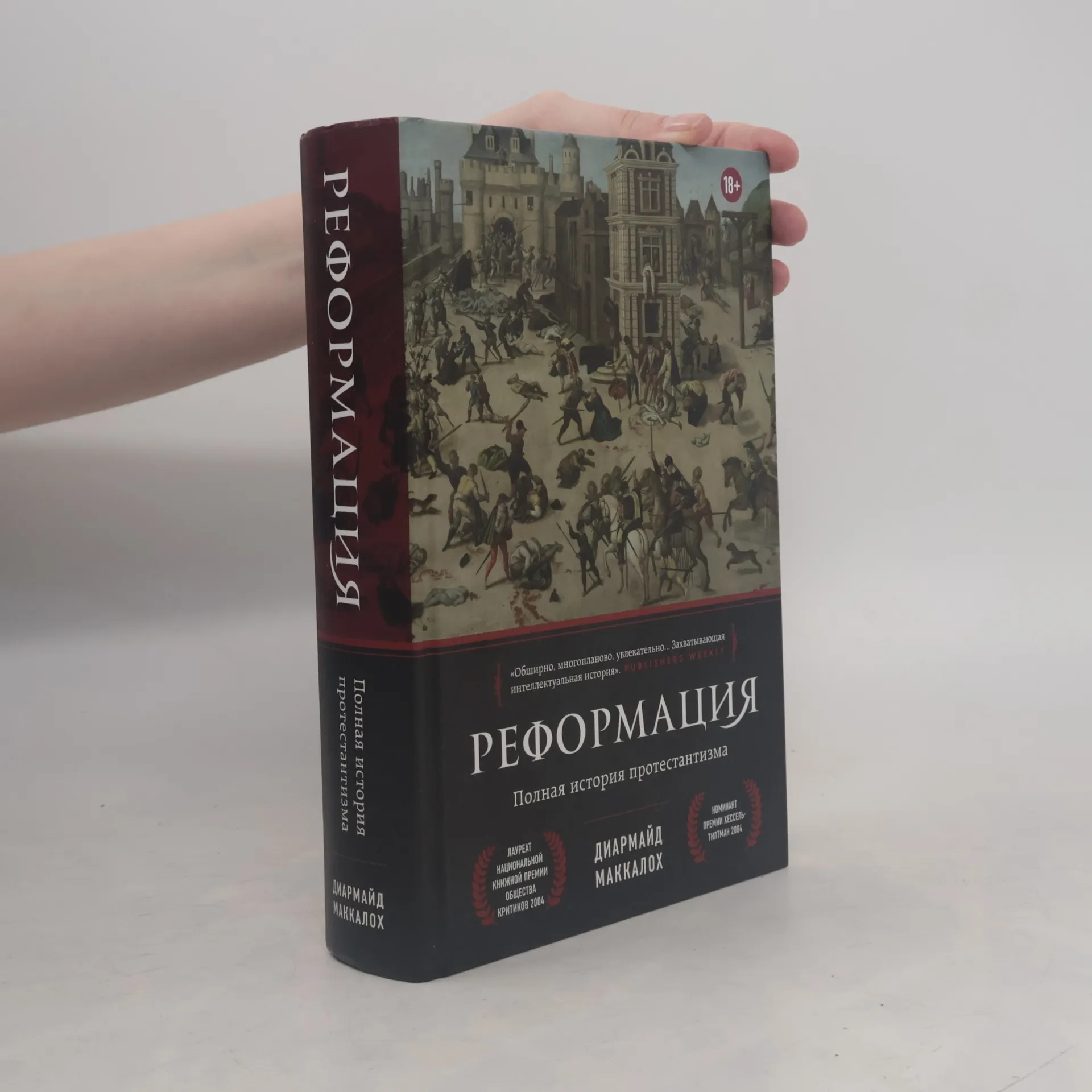
Eine revolutionäre Epoche Enorm kenntnisreich und zugleich sehr anschaulich entwirft Diarmaid MacCulloch eine faszinierende Gesamtschau der politischen, sozialen und kulturellen Veränderungendurch die Reformation in Europa und darüber hinaus, erklärt die zentralen Gedankengänge der Reformatoren und ihrer Gegner und beschreibt sehr plastisch den Alltag, etwa wie in den verschiedenen Konfessionen Zeit, Leben und Tod, Liebe und Sex verstanden und erlebt wurden.
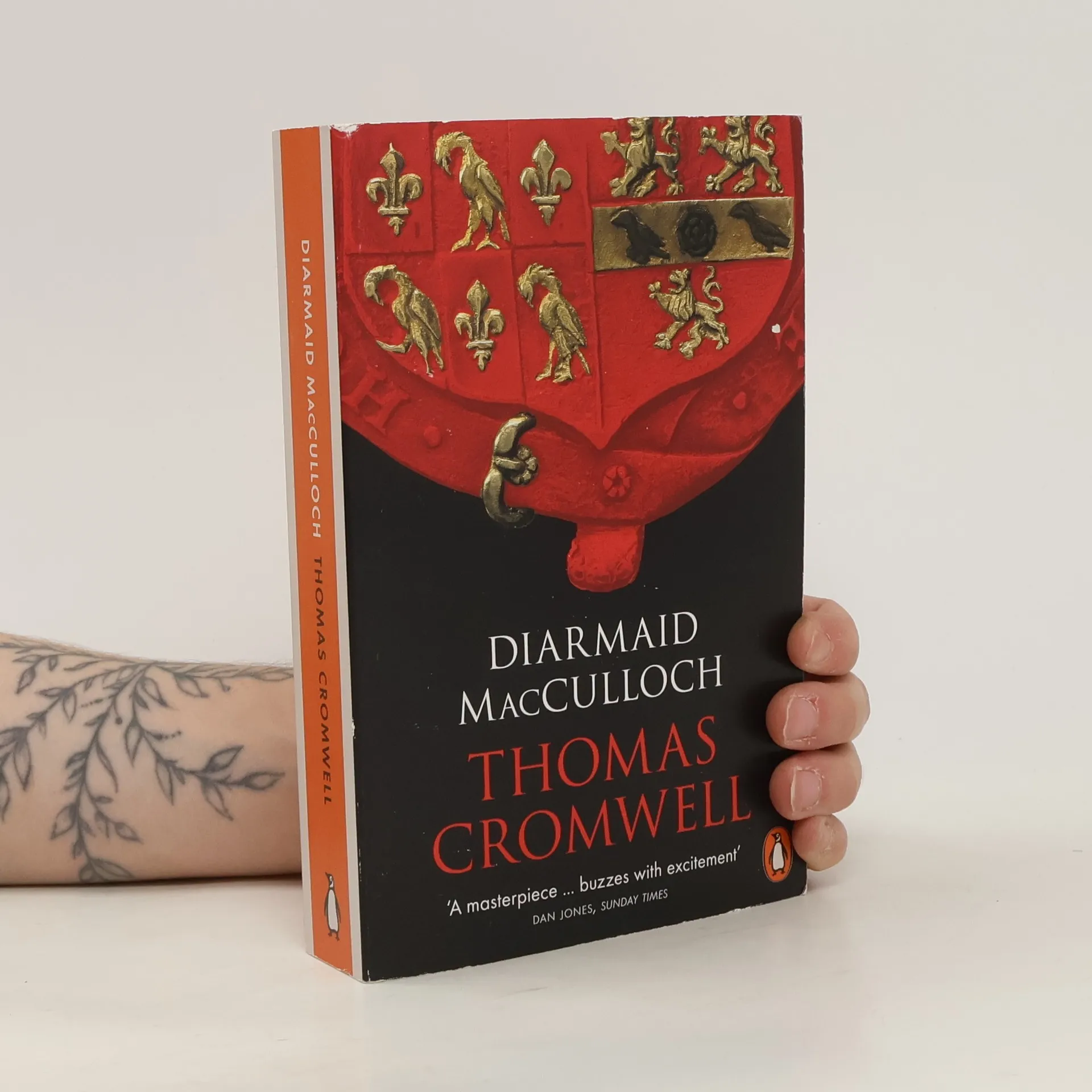
A SUNDAY TIMES, THE TIMES, DAILY TELEGRAPH, SPECTATOR, FINANCIAL TIMES, GUARDIAN, BBC HISTORY BOOK OF THE YEAR. 'This is the biography we have been awaiting for 400 years' - Hilary Mantel. 'A masterpiece' - Dan Jones, Sunday Times. Thomas Cromwell, born in obscurity in Putney, emerged as a pivotal figure in English history. Initially a fixer for Cardinal Wolsey in the 1520s, he rose to prominence after Wolsey's fall, eventually running the country for Henry VIII by the late 1530s. This decade marked a significant turning point, characterized by a break with the Pope, unprecedented parliamentary actions, and the dissolution of monasteries, with Cromwell at the center of these changes. Diarmaid MacCulloch's biography offers the most comprehensive and convincing account of this complex figure, showcasing exceptional historical detective work that uncovers connections previously overlooked. It challenges established views, such as the notion that Cromwell was merely a secular politician lacking religious conviction, or that he and Anne Boleyn shared common sympathies—he ultimately played a role in her downfall. MacCulloch vividly portrays the personalities of this tumultuous period, all navigating the unpredictable nature of Henry VIII. He reveals Cromwell as a self-made 'ruffian'—ruthless yet determined in his religious reforms—who significantly influenced the course of modern England and Ireland, for better or worse.
The English Reformation was the event which chiefly shaped English identity well into the twentieth century. He provides a narrative of events, then discusses the ideas which shaped the English Reformation, and surveys the ways in which the English reacted to it, how far and quickly they accepted it and assesses those who remained dissenters. schovat popis
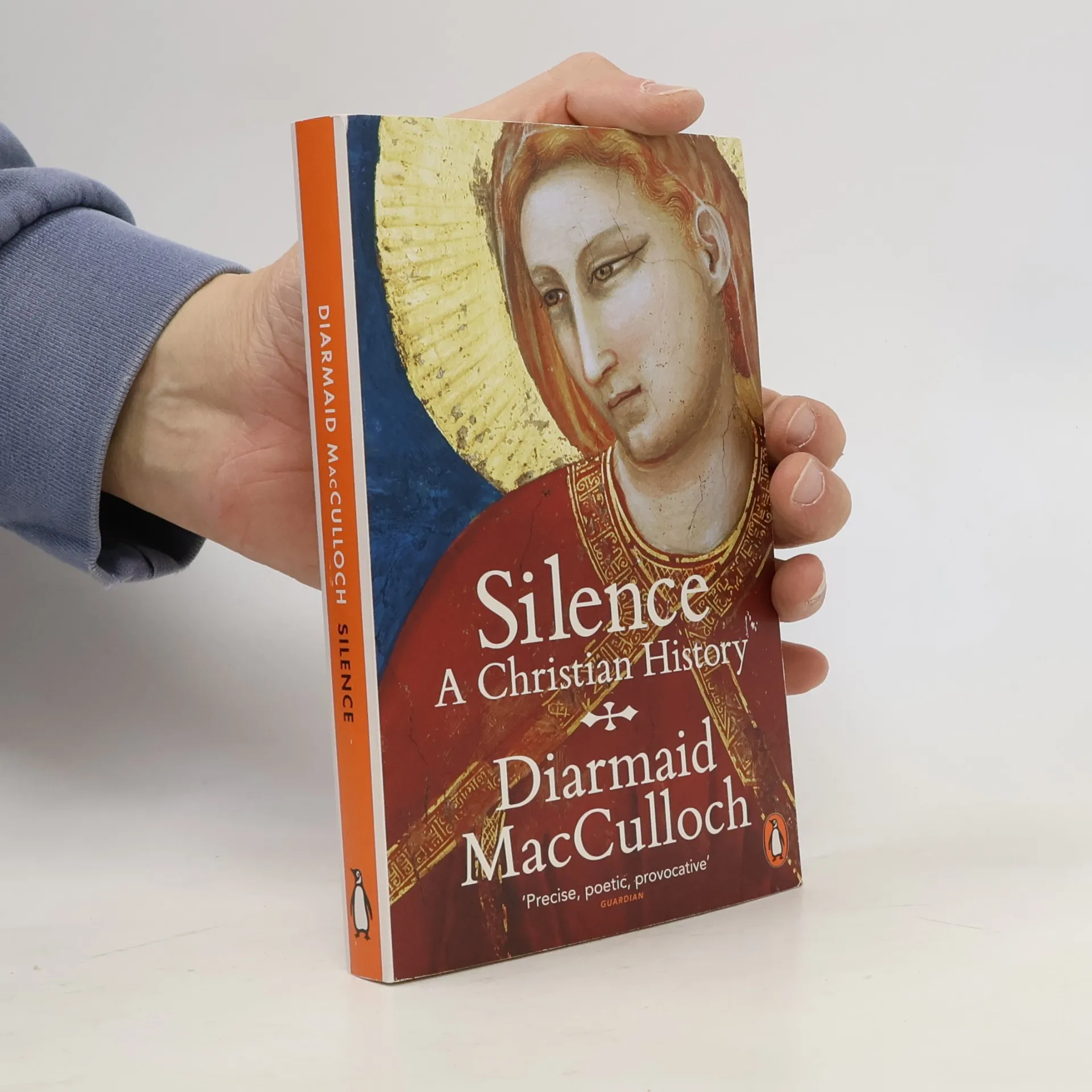
Unravels polyphony of silences from the history of Christianity and beyond. The author considers the mixed attitudes of Judaism to silence, Jewish and Christian borrowings from Greek explorations of the divine, and the silences which were a feature of Jesus's brief ministry and witness
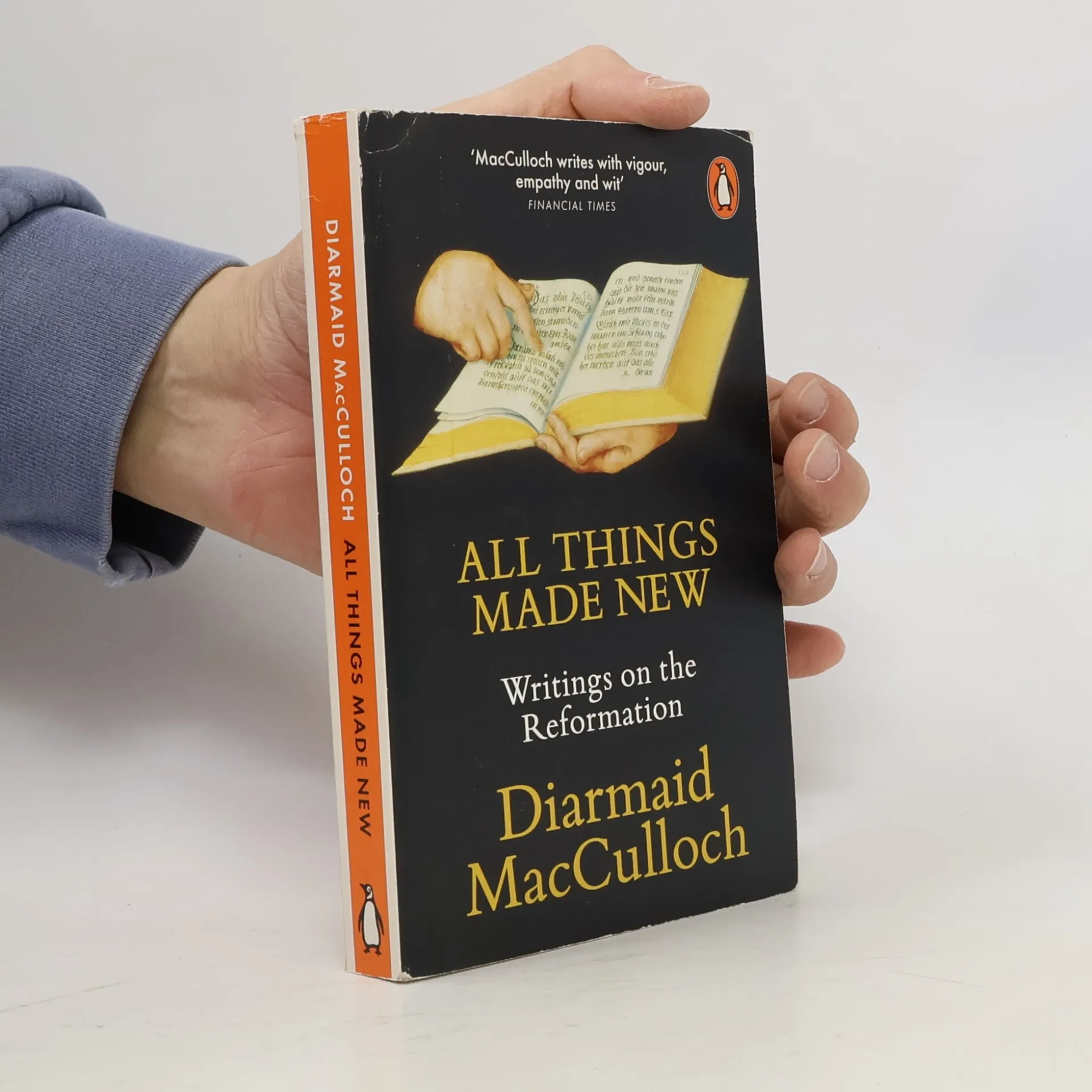
MacCulloch not only brings a lifetime's learning to bear on his subject, but writes with vigour, empathy and wit ... about identity and memory, about the importance of myths and why historians need to challenge them. Malcolm Gaskill Financial Times
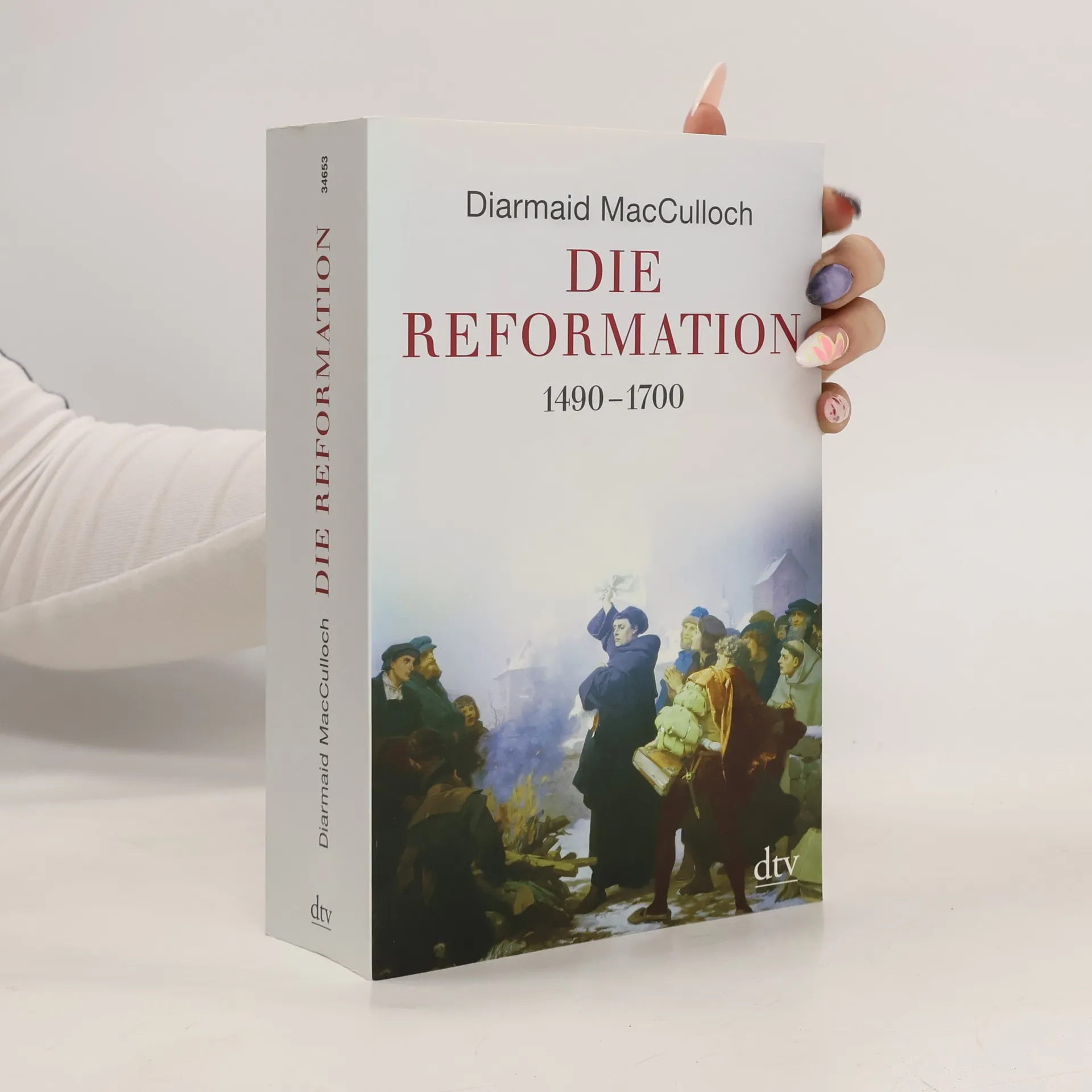
The defining feature of Western Europe during the Middle Ages was its cultural and religious unity, centered around the Pope in Rome and the use of Latin for worship and scholarship. The Reformation disrupted this unity, with effects that resonate today. In this exploration, Diarmaid MacCulloch examines the Reformation's widespread impact across Europe, the Catholic Counter-Reformation, and the unique evolution of religion in England. He argues that the Reformation, while sparking a social revolution, was fundamentally rooted in a significant idea about death, salvation, and the afterlife. This notion—that salvation rests solely in God's hands—dismantled the Catholic Church's monopoly in Europe and altered the future of the West. With a blend of passion, humor, and insight, the work delves into the original conflicts of the Reformation and addresses enduring prejudices that shape contemporary views of religious divides. MacCulloch, a leading scholar of Christianity, also investigates how historians have narrated the Reformation's story, the evolution of these interpretations, and how the contested legacy of this pivotal event continues to influence the modern world.
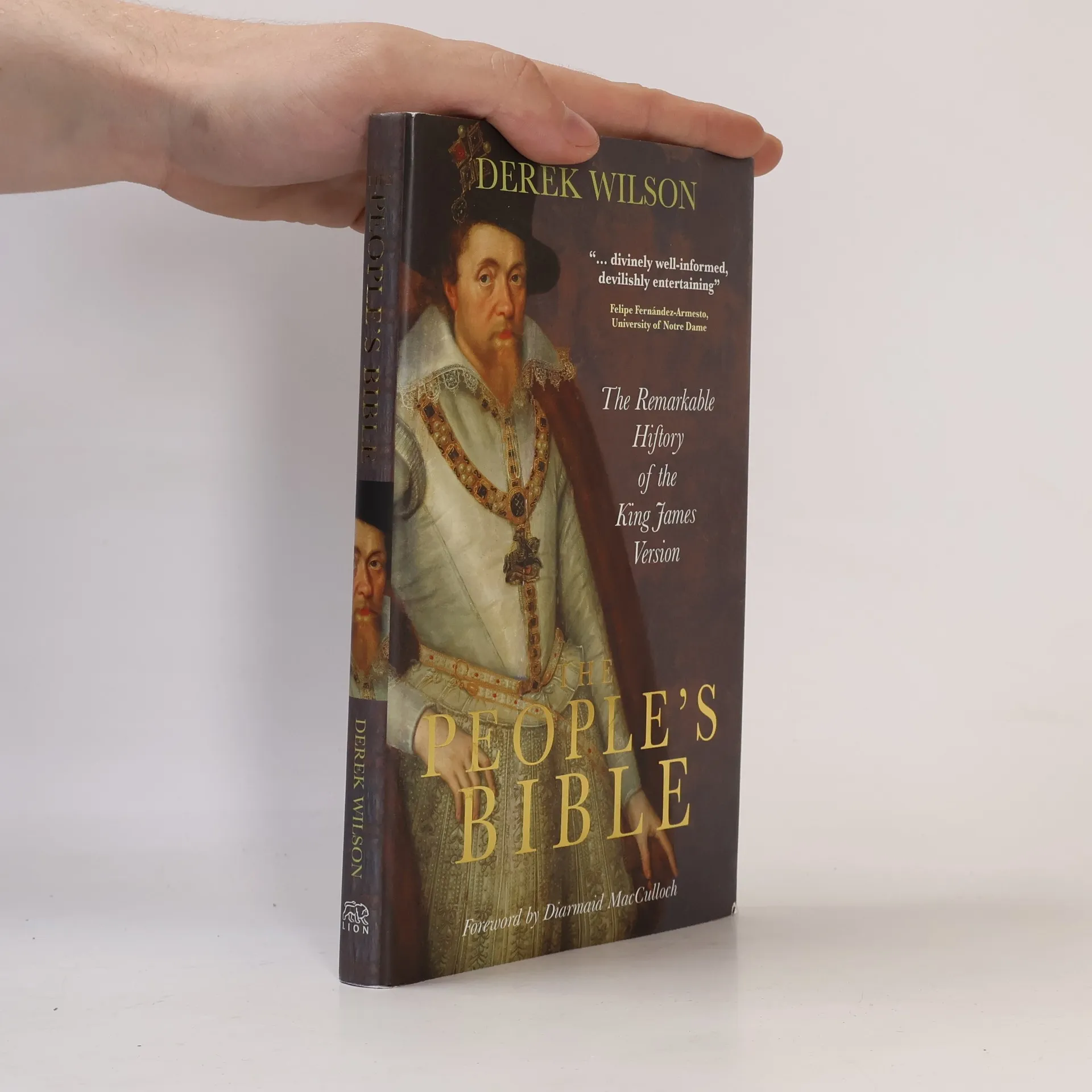
The story of one of the most influential, provocative, ambitious projects of its day—the translation of the Bible into English Beautifully presented and based on extensive scholarly research, this accessible volume traces the fascinating history of the Authorized Version of the King James Bible from its earliest predecessors through its remarkable influence on the church, literature, and wider society throughout the English speaking world. In 1604, the new King James I convened a meeting at Hampton Court to address the problem of the Puritans. The recommendation, one of unparalleled political and religious significance, was for the authorization of a new translation of the Bible, one that would be accessible to the common people, and one that would be placed in every Church in his realm. Within three years a team of 47 scholars on six committees had begun work in Oxford, Cambridge, and Westminster, and the fruit of their labors—the Authorized Version—was published in 1611.
Entgangene Zukunftsmöglichkeiten und gegenwärtige Realitäten
Der Preistrager des Dr. Leopold Lucas-Preises 2019, der britische Theologe und Kirchenhistoriker Diarmaid MacCulloch, ist ein international angesehener Kenner der Reformationszeit. Fur den Kirchenhistoriker ist die Geschichte des Christentums zur Lebensaufgabe geworden. In seinem Festvortrag anlasslich der Verleihung hebt er hervor, dass ihn in seinen Forschungen immer wieder uberraschte, wie wandelbar sich das Christentum durch die Jahrtausende zeigte. MacCullochs Ansatz ist deshalb so bedeutend, weil er die Geschichte der Reformation zwischen 1490 und 1700 nicht als jeweils nationalen, sondern als polyzentrischen, konfessionsubergreifenden Prozess im Europa der Fruhen Neuzeit begreift. Dabei brachten unterschiedliche Krafte eine Modernisierung voran, die zum einen die europaische Gesellschaft bis heute pragt und zum anderen mit der Idee der Gedankenfreiheit die Grundlage der Aufklarung und des modernen Denkens vorwegnahm.