The Sketchbook From Auschwitz
- 115 stron
- 5 godzin czytania


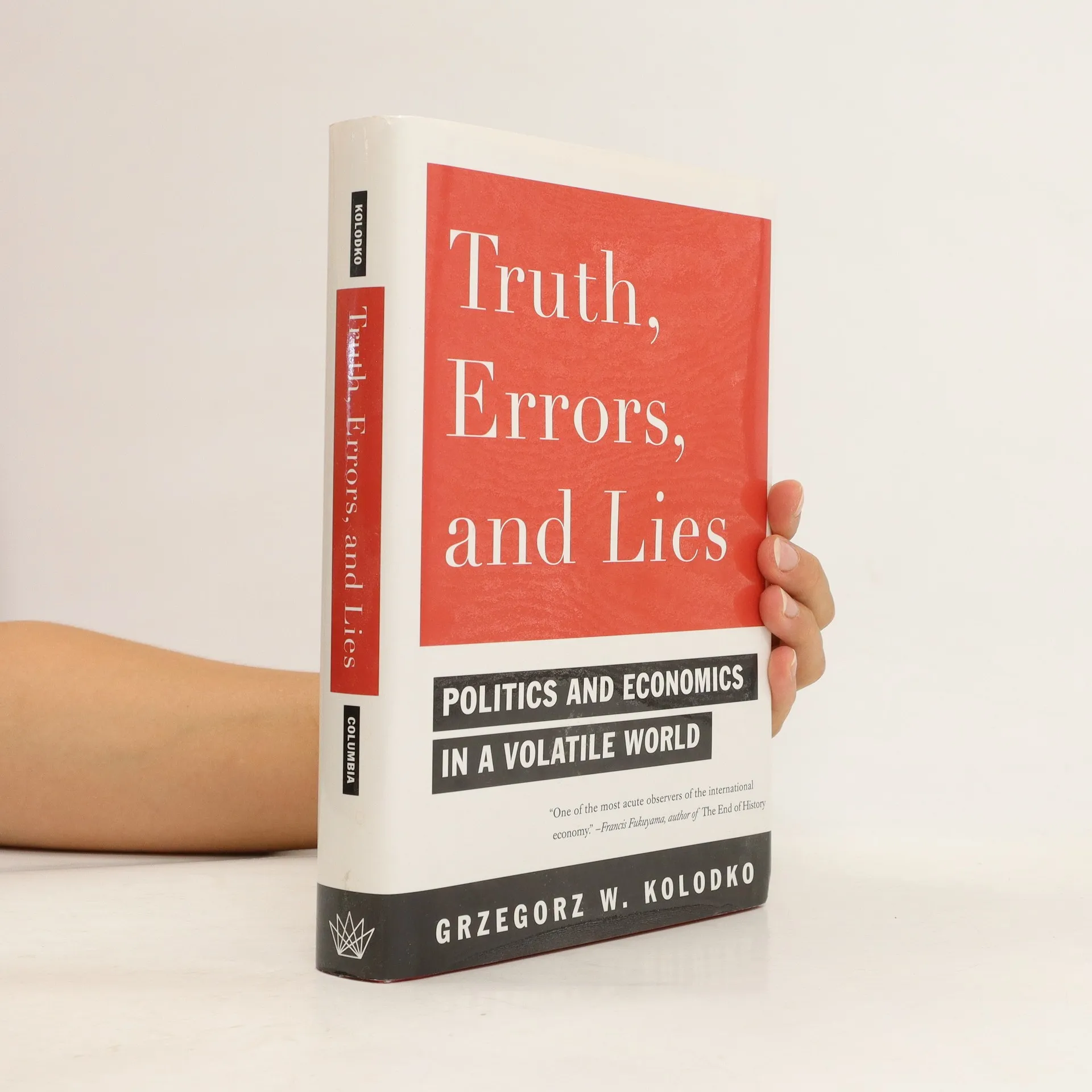


Grzegorz W. Kolodko, one of the world's leading authorities on economics and development policy and a key architect of Poland's successful economic reforms, applies his far-reaching knowledge to the past and future of the world economy, introducing a framework for understanding our global situation that transcends any single discipline or paradigm. Deploying a novel mix of scientific evaluation and personal observation, Kolodko begins with a brief discussion of misinformation and its perpetuation in economics and politics. He criticizes the simplification of complex economic and social issues and investigates the link between developments in the global economy and cultural change, scientific discoveries, and political fluctuations. Underscoring the necessity of conceptual and theoretical innovation in understanding our global economic situation, Kolodko offers a provocative study of globalization and the possibility of coming out ahead in an era of worldwide interdependence. Deeply critical of neoliberalism, which sought to transfer economic control exclusively to the private sector, Kolodko explores the virtues of social-economic development and the new rules of the economic game. He concludes with a look at our near and distant future, questioning whether we have a say in its making.
Zbiór reportaży z lat 60.i 70. ukazujących dramatyczne wydarzenia w Afryce i Ameryce Południowej. Tytułowa Wojna futbolowa dotyczy konfliktu zbrojnego między Hondurasem a Salwadorem w 1969 roku. "W Ameryce Łacińskiej sposób odbierania futbolu jest szaleństwem. Ludzie popełniają samobójstwa po przegranym meczu, z tego samego powodu do więzienia idą całe drużyny. Chodziło mi o to, żeby pokazać ten inny wymiar, ten szerszy wymiar tego czym jest futbol i do czego może doprowadzią emocja futbolowa. W tym wypadku właśnie do wojny." Ryszard Kapuściński
Ryszard Kapuściński przebywając trzy miesiące w Luandzie miał okazję obserwować przebieg tamtejszej wojny domowej. Posiadając naturalny dar do pozyskiwania sobie zaufania ludzi mógł nie tylko przedstawić to, co zobaczył jako naoczny świadek wydarzeń, lecz skorzystać także z informacji od innych. Wszystko to pozwoliło mu stworzyć ciekawą całość, co teraz ma możliwość ocenić czytelnik w niniejszej publikacji.