

"On a summer morning in Sarajevo almost a hundred years ago, a teenager took a pistol out of his pocket and fired not just the opening rounds of the First World War but the starting gun for modern history. By killing Archduke Franz Ferdinand, the heir of the Austro-Hungarian Empire, Gavrilo Princip started a cycle of events that would leave 15 million dead from fighting between 1914 and 1918 and proved fatal for empires and a way of ruling that had held for centuries."--Publisher's description.
Tim Butcher Kolejność książek (chronologicznie)
15 listopada 1967




Global Logistics and Supply Chain - Second Edition
- 448 stron
- 16 godzin czytania
<i>Global Logistics and Supply Chain Management</i>, now in its second edition, is essential reading for students studying SCM and logistics. Encompassing both practical and strategic perspectives, it also takes a truly global perspective, recognising the transnational nature of logistics activities in today's world. The four authors bring a wealth of experience and knowledge from their careers which to date have spanned Europe, the US, Asia and Australia. In addition the book benefits from chapter and case contributions from 27 authors (both from industry and from academia) located across the globe. Key features of this new and extended second edition include: 19 up-to-date chapters on all aspects of logistics and SCM, including coverage of emerging and important topics such as service supply chains, security, sustainability, and supply chain vulnerability. An easy and clear introduction to key quantitative techniques that can be applied to logistics such as simulation and modelling. Thirteen international case studies, on diverse topics such as commodity logistics and extraterrestrial supply chain networks, to illustrate key concepts and extend learning.
Facing down demons from his time in Africa as a journalist, Tim Butcher heads deep into this combat zone, encountering the devastation wrought by lawless militia, child soldiers, brutal violence, blood diamonds and masked figures who guard the spiritual secrets of remote jungle communities.
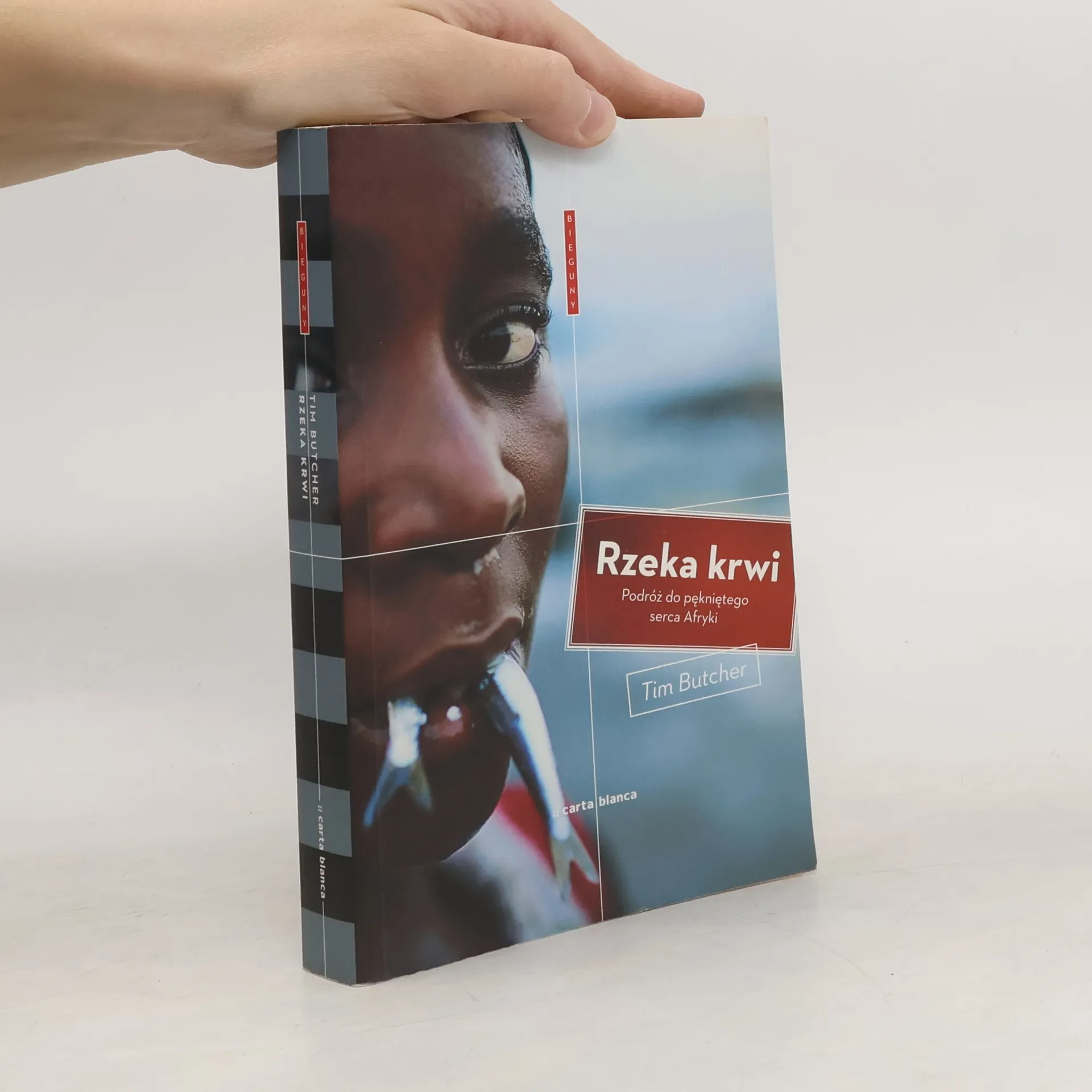
Rzeka krwi Podróż do pękniętego serca Afryki
- 328 stron
- 12 godzin czytania
Kiedy Tim Butcher, korespondent gazety „The Daily Telegraph”, został w 2000 roku wysłany do Afryki, szybko pochłonęła go obsesja na punkcie legendarnej rzeki Kongo (płynącej obecnie na terytorium Demokratycznej Republiki Konga, a w dolnym biegu stanowiącej granicę z Kongiem i Angolą). Podróżnik wpadł na pomysł, by odtworzyć słynną XIX-wieczną wyprawę Henry’ego Mortona Stanleya, który podążał wówczas wzdłuż rzeki, odkrywając nieznane Europejczykom tajemnice Afryki. Pomimo przestróg, że jego plan był „samobójczy”, Butcher wyruszył w kierunku Demokratycznej Republiki Konga wyposażony tylko w plecak i kilka tysięcy dolarów ukrytych w butach. Poruszał się przy użyciu różnych pojazdów, na motocyklu, kanoe, łodzi, i korzystając z pomocy wielu postaci – od pracowników prowadzonych przez ONZ organizacji powodziowych po przewodnika- pigmeja – podążał śladami wielkich poszukiwaczy przygód doby wiktoriańskiej. Podróż Butchera była nadzwyczajnym wyczynem, ale jednocześnie stanowiła pretekst do opowiedzenia niezwykłej historii Demokratycznej Republiki Konga, nierzadko dramatycznej, tragicznej i krwawej, a także była próbą zrozumienia specyfiku kontynentu afrykańskiego. Tim Butcher, urodzony w 1967 r., pracował dla „Daily Telegraph” od 1990 w charakterze głównego korespondenta wojennego gazety i szef Biura Afrykańskiego. Obecnie jest korespondentem z Bliskiego Wschodu, mieszka w Jerozolimie.
Heart of Darkness
- 152 strony
- 6 godzin czytania
"Heart of Darkness" is one of the most significant British novels. Written during the height of imperialism, Conrad explores themes of evil, colonial obsession, and racial madness. The narrative follows Marlow, a sailor who recounts a pivotal experience to four friends aboard a ship at the Thames estuary. As the captain of a steamboat in the Congo, Marlow embarks on a two-month journey into the wilderness, serving a colonial company that brutally imposes nonsensical rules on the indigenous people while seeking the unscrupulous colonialist Kurtz. As he ventures deeper into the enigmatic jungle, Marlow confronts the unfathomable darkness within the human soul and uncovers horror. This profound exploration of colonialism and its moral implications continues to resonate, shedding light on the disturbing realities behind racial fanaticism and the nature of civilization itself.