A Learner's Guide to Creating Objective-C Applications for the IPhone
550 stron
20 godzin czytania
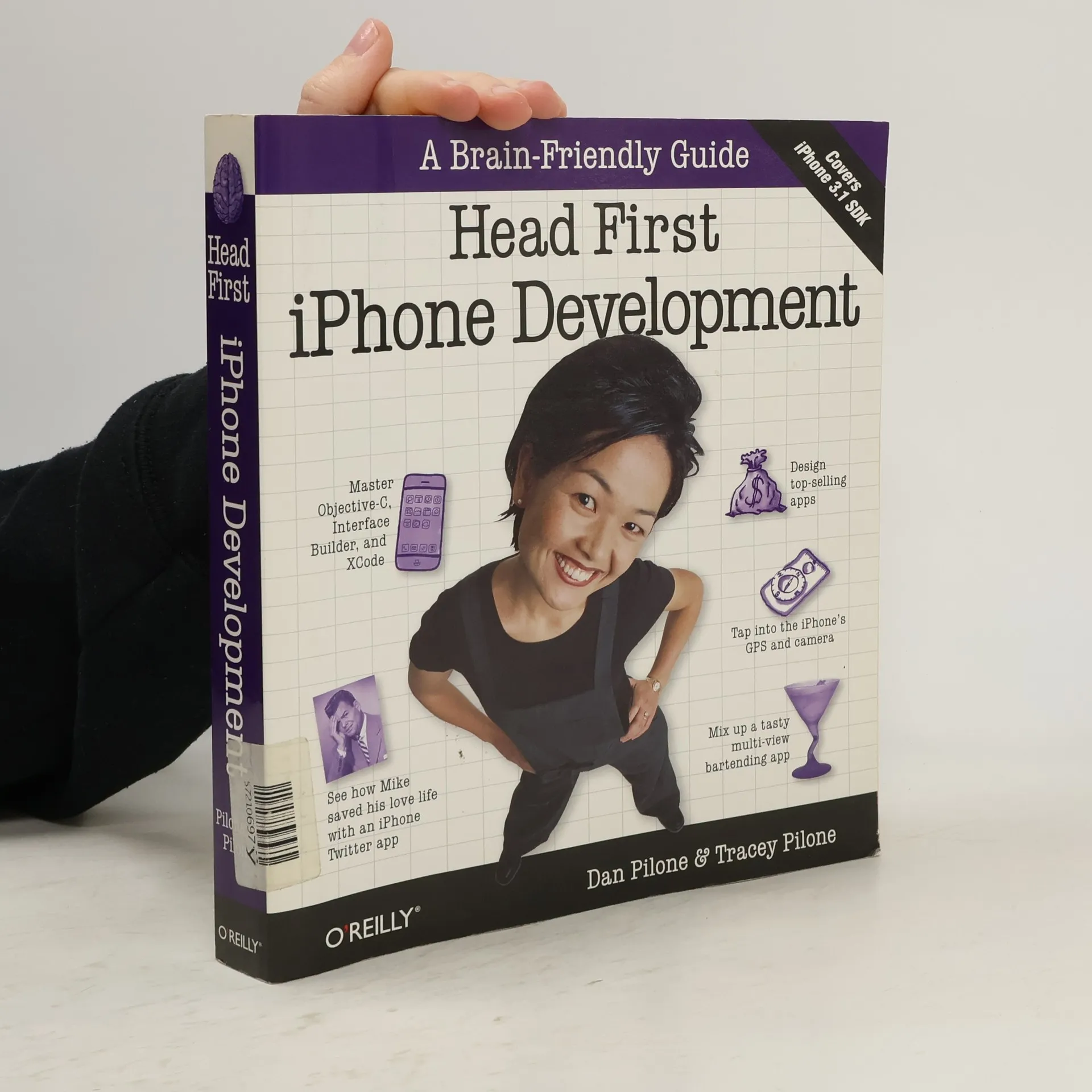
Whether a reader is a seasoned Mac developer or someone with strong object-oriented programming skills but no Mac experience, this book offers a complete learning experience for creating eye-catching, top-selling iPhone applications.
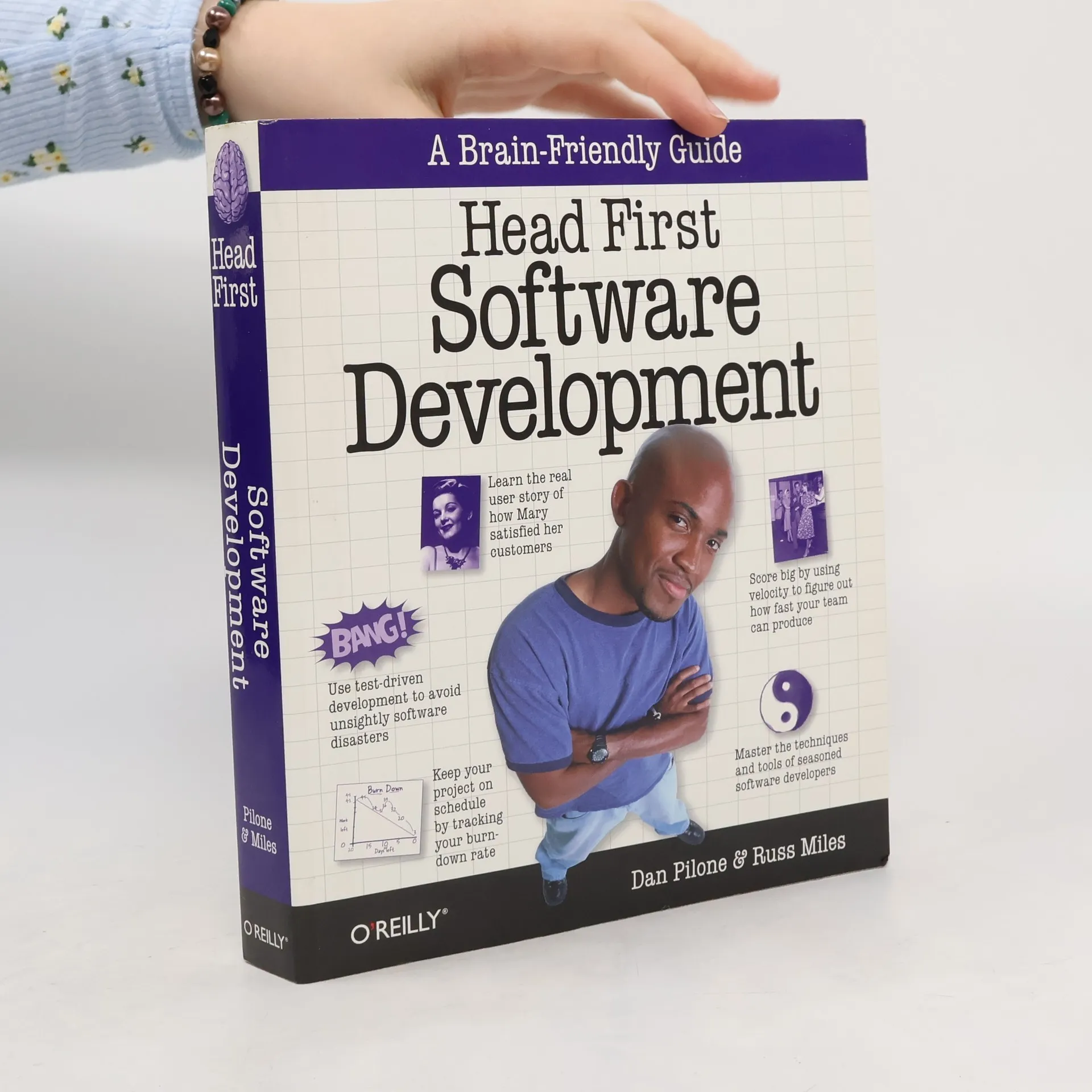
Even the best developers have seen well-intentioned software projects fail -- often because the customer kept changing requirements, and end users didn't know how to use the software you developed. Instead of surrendering to these common problems, let Head First Software Development guide you through the best practices of software development. Before you know it, those failed projects will be a thing of the past.With its unique visually rich format, this book pulls together the hard lessons learned by expert software developers over the years. You'll gain essential information about each step of the software development lifecycle -- requirements, design, coding, testing, implementing, and maintenance -- and understand why and how different development processes work.This book is for you if you Head First Software Development is here to help you learn in a way that your brain likes... and you'll have a blast along the way. Why pick up hundreds of boring books on the philosophy of this approach or the formal techniques required for that one? Stick with Head First Software Development , and your projects will succeed like never before. Go on, get started... you'll learn and have fun. We promise.
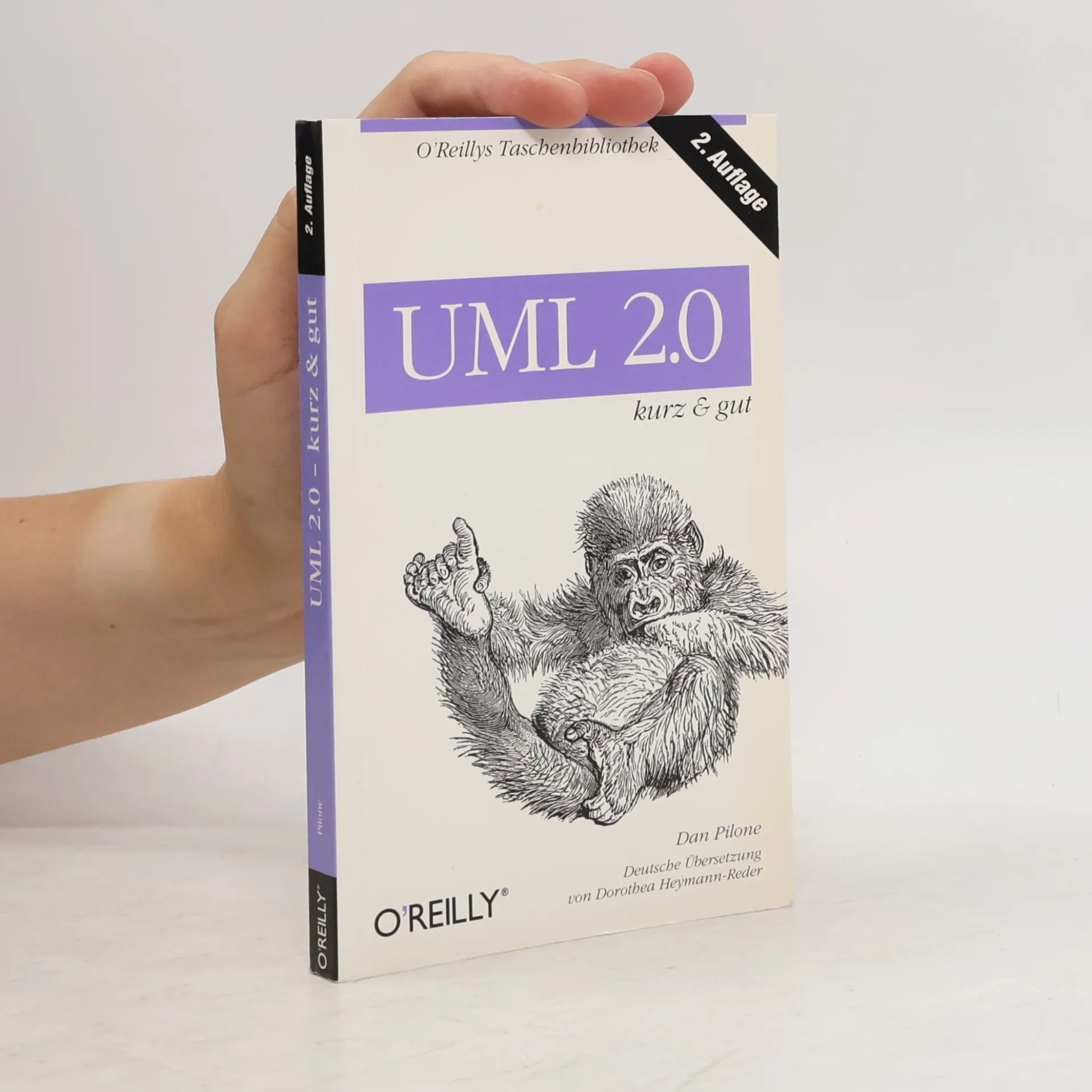
UML 2.0 - kurz & gut ist eine kompakte Kurzreferenz für alle UML-Nutzer, die sich einen schnellen Überblick über die wesentlichen Eigenschaften und Funktionen der aktuellen UML verschaffen wollen. Übersichtlich und effizient behandelt das Buch neben grafischen Elementen und Notationen auch UML-Klassifizierungen, Pakete und Stereotypen und erläutert Verwendung, Symbole und Syntax der folgenden UML-Diagrammtypen: * Klassendiagramme * Komponentendiagramme * Sequenzdiagramme * Kommunikationsdiagramme * Zeitdiagramme * Interaktionsübersichten * Paketdiagramme * Verteilungsdiagramme * Anwendungsfalldiagramme * Kompositionsstrukturdiagramme * Aktivitätsdiagramme * Zustandsdiagramme Neben den zahlreichen UML 2.0-Diagrammtypen beschäftigt sich die deutlich erweiterte 2. Auflage von UML 2.0 - kurz & gut jetzt auch mit der Object Constraint Language (OCL). Kompakt und auf den Punkt gebracht - in dieser Schnellreferenz finden Sie auf Anhieb all die Informationen, die Sie für die effektive Arbeit mit der UML benötigen.
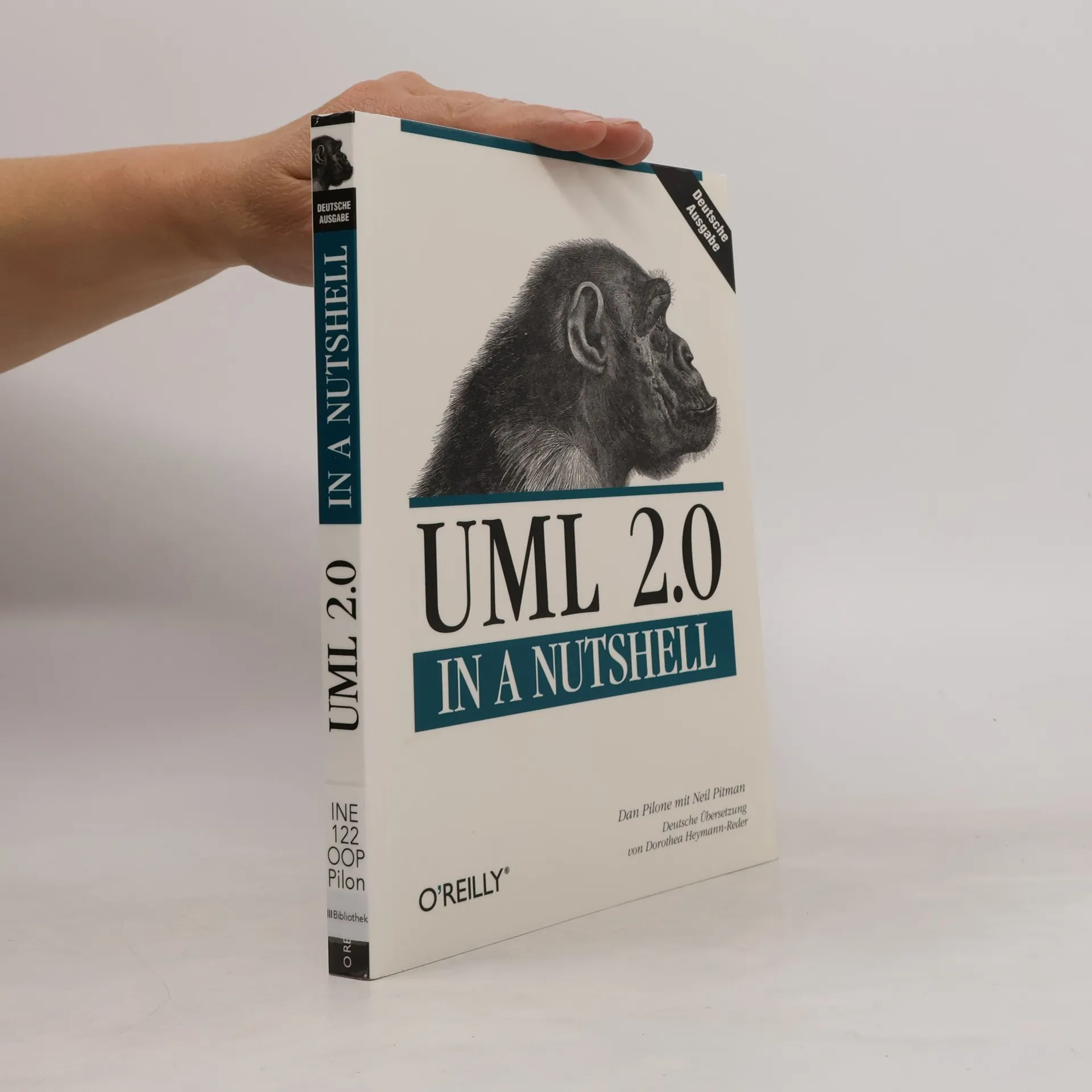
Wundern Sie sich manchmal über unterschiedliche Kantenenden in Klassendiagrammen oder über ein Eselsohr an einem Rechteck? Die Universal Modeling Language (UML) ist eine vielseitige Sprache zur Visualisierung in der Software-Entwicklung. Doch ihre Ausdruckskraft ist nutzlos, wenn die Symbole und Diagrammtypen nicht verstanden werden. Kommunikation erfordert eine gemeinsame Sprache. In diesem Buch erläutern Dan Pilone und Neil Pitman klar die Syntax und Semantik der UML. Systematisch werden alle Diagrammtypen, Symbole, Notationen und Linienarten sowie deren praktische Anwendung behandelt. Die Autoren fokussieren sich auf die aktuelle Version UML 2.0 und decken folgende Themen ab: alle Diagrammtypen wie Klassendiagramme, Anwendungsfalldiagramme, Interaktionsdiagramme und mehr; die verschiedenen Symbole und Notationen; geeignete Diagramme für spezifische Informationen; Eigenschaftswerte, Stereotypen und UML-Profile zur Anpassung an bestimmte Problembereiche; OCL – die Object Constraint Language; sowie effektive Diagrammerstellung für klarere Kommunikation. Das Buch dient als Referenz und unterstützt das Erlernen der Sprache, um UML in eigenen Software-Entwicklungsprojekten erfolgreich einzusetzen.
The Unified Modeling Language (UML) is one of the most important languages for anyone in the software industry to know. The UML is a visual language enabling architects, designers, and developers to communicate about design. Seemingly simple on the surface, the UML is a rich and expressive language, with many visual syntactical elements. It's next to impossible to memorize all aspects of the UML. Just as a writer might require a dictionary to work with the spoken word, so too do UML practitioners require a dictionary of sorts. In this book, you'll find information on UML usage, and also on the symbols, line-endings, and syntax used for the following diagram types: Class diagrams Component diagrams Behavioral diagrams Sequence diagrams Statechart diagrams Object diagrams Deployment diagrams Use case diagrams Collaboration diagrams Activity diagrams Let this book be your UML dictionary. It's clear, concise, and small. Keep this book at hand, and never again be stymied by an unfamiliar UML symbol, a line-ending you don't recognize, or the use of an unfamiliar diagram type. O'Reilly's Pocket References have become a favorite among programmers everywhere. By providing a wealth of important details in a concise, well-organized format, these handy books deliver just what you need to complete the task at hand. When you need to get to a solution quickly, the new UML Pocket Reference is the book you'll want to have.