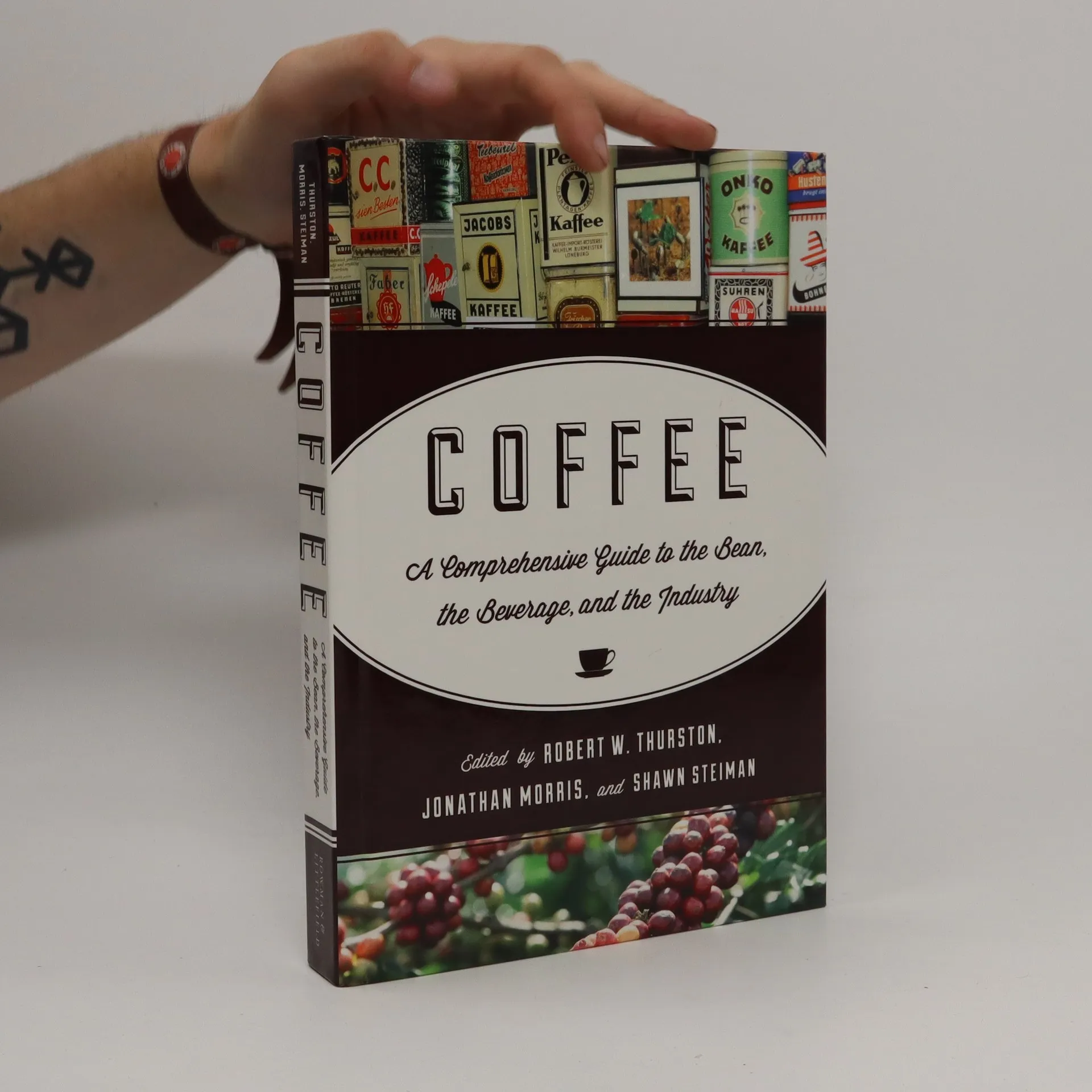
In this definitive guide, experts consider coffee's history, global spread, cultivation, preparation, marketing, and the environmental and social issues surrounding it. They also describe the art and science of roasting, cupping, and making good coffee in a comprehensive handbook will be an essential resource to one of the world's favorite beverages.
"In 2003, Rebecca Whitaker died in a road accident. Her husband Mark is still grieving. He receives a battered envelope, posted eight years ago, containing a set of instructions with a simple message: 'You can save her.' As Mark is given the chance to save Rebecca, it's up to the Doctor, Amy and Rory to save the whole world. Because this time the Weeping Angels are using history itself as a weapon."--P. [4] of cover.
Nobody knows who will be the next to succumb - nobody except the Night Doctor,
a masked figure that stalks the streets, seeking out those who will not live
to see another day. The Doctor, Bill and Nardole discover that the living are
being haunted by the recently departed - by ghosts that do not know they are
dead.
In Coffee: A Global History, Jonathan Morris explains how the world acquired a
taste for coffee, yet why coffee tastes so different throughout the world.
Written in an engaging style, and featuring wonderful recipes, stories and
facts, the book explores who drank coffee, as well as why and where, how it
was prepared and what it tasted like.
"Hath not a Jew eyes? Hath not a Jew hands, organs, dimensions, senses, affections, passions?" This poignant plea from Shylock encapsulates a dramatic moment in the play. In the aftermath of the Holocaust, interpretations have emerged, with some arguing that the work represents Shakespeare's condemnation of ignorance and anti-Semitism, advocating for tolerance and multiculturalism. Conversely, others view it as a comedy that ridicules a 16th-century Jew. The plot reveals a greater complexity: Bassanio, a carefree Venetian, seeks financial help from his wealthy friend Antonio to pursue the beautiful Portia in Belmont. Antonio, unwilling to deny his friend, borrows from the Jewish moneylender Shylock, who humorously demands a pound of flesh if the debt is unpaid. When disaster strikes and Antonio's ships sink, Shylock insists on his bond, transforming the initial camaraderie into a looming tragedy. The climactic courtroom scene, featuring a disguised Portia and a menacing Shylock, highlights the intense debate on "the quality of mercy." The play's controversial themes continue to evoke strong reactions, ensuring its enduring fascination and divisive nature among audiences.
Exploring the vast Whoniverse, this book invites readers on an adventure through time and space, delving into the interconnected stories and characters that define this expansive universe. It promises a journey that transcends boundaries, offering a unique blend of science fiction and rich storytelling. Prepare to encounter familiar faces and new adventures as the narrative unfolds across various dimensions and timelines.