


Bookbot

Alan Sheridan

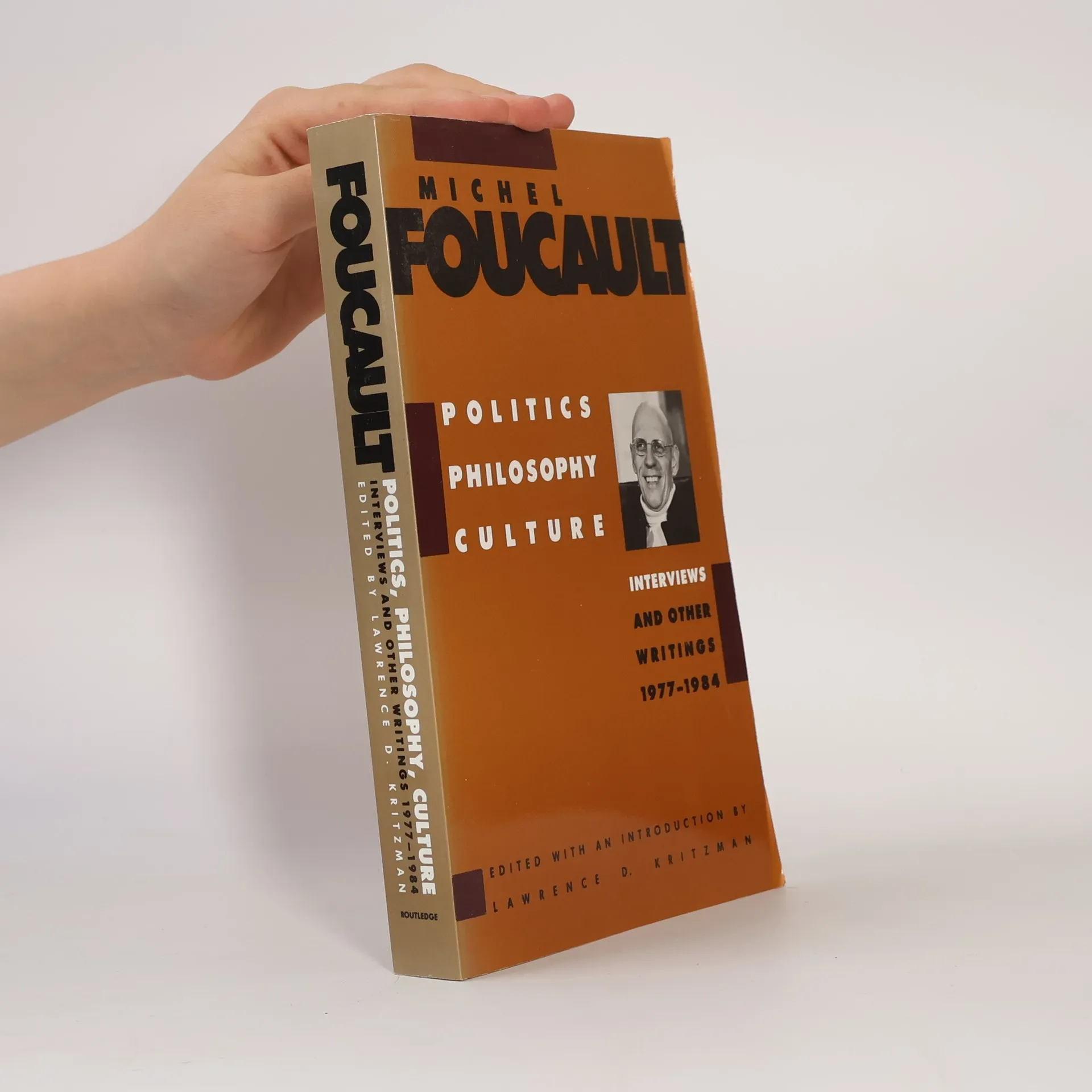
    Politics, Philosophy, Culture
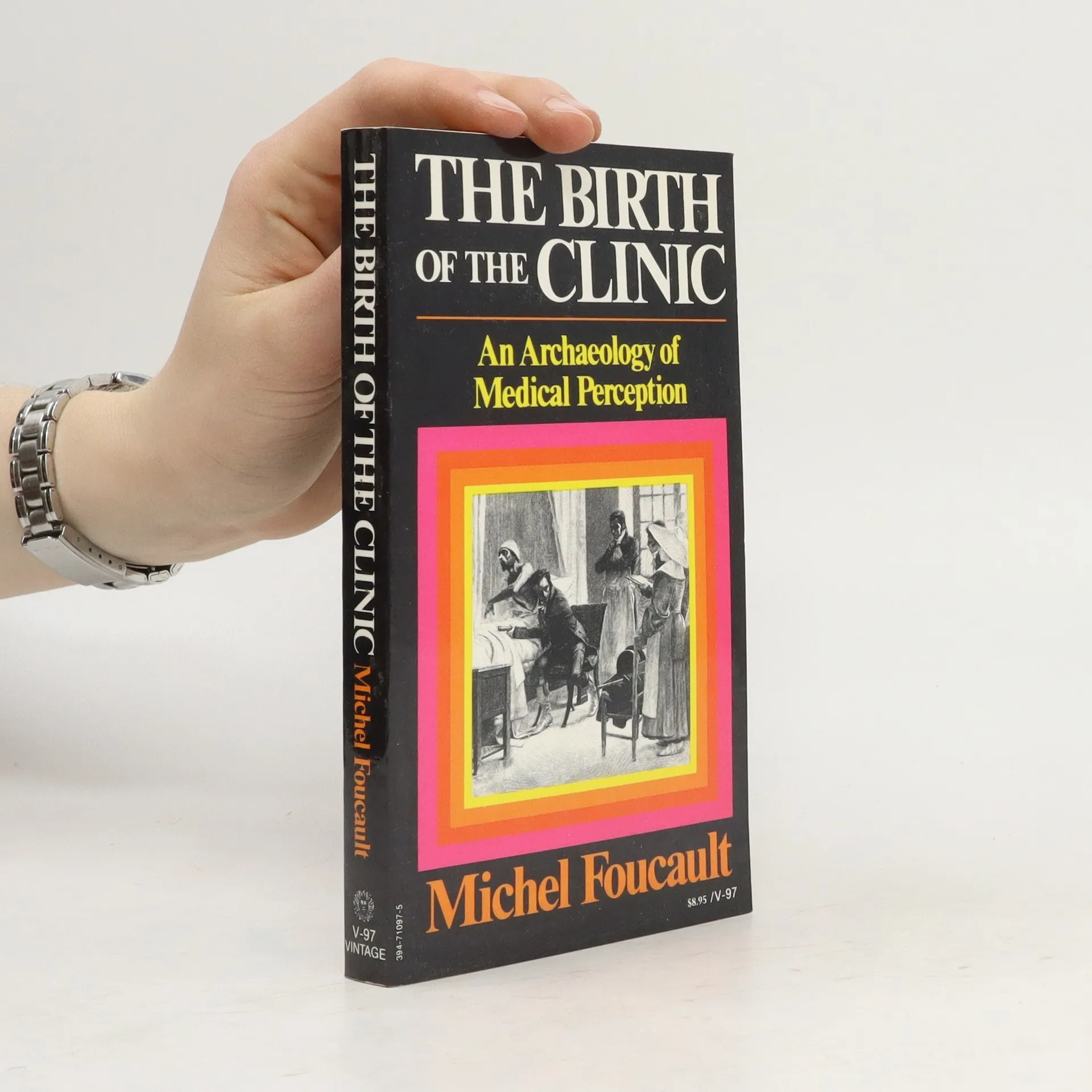
    The birth of the clinic. An archeology of medical perception
    Écrits. A selection
    Nadzorować i karać
    • Librarian note: an alternate cover for this edition can be found here. In the eighteenth century, medicine underwent a mutation. For the first time, medical knowledge took on a precision that had formerly belonged only to mathematics. The body became something that could be mapped. Disease became subject to new rules of classification. And doctors begin to describe phenomena that for centuries had remained below the threshold of the visible and expressible. In The Birth of the Clinic the philosopher and intellectual historian who may be the true heir to Nietzsche charts this dramatic transformation of medical knowledge. As in his classic Madness and Civilization, Michel Foucault shows how much what we think of as pure science owes to social and cultural attitudes — in this case, to the climate of the French Revolution. Brilliant, provocative, and omnivorously learned, his book sheds new light on the origins of our current notions of health and sickness, life and death.

      The birth of the clinic. An archeology of medical perception2010
      4,0
    • Nadzorować i karać

      narodziny więzienia

      • 383 strony
      • 14 godzin czytania

      Drastyczne opisy kaźni zasądzanej przez nowożytne prawo czyni tę książkę Michela Foucault (1926–1984) lekturą dla osób o mocnych nerwach. Nagrodą będzie nadzwyczaj wnikliwy obraz przemian prawodawstwa w czasach nowożytnych i współczesnych. Ta wydana w 1975 roku najpopularniejsza i najwyżej oceniana spośród publikacji Foucault wpisuje się w jego „krytyczną historię nowoczesności”. Od lat sześćdziesiątych Foucault w serii rozpraw analizuje relacje między wiedzą a władzą stanowiące jego zdaniem o kształcie współczesnego społeczeństwa. Szczególnie instruktywne są tu badania społecznego „marginesu” jak stosunek do szaleństwa czy właśnie przestępstwa. Ogólna teza autora „wiedza = władza” znajduje wymowną ilustrację w jego analizie przemian systemu karania. Narodziny więzienia w paradoksalny sposób wiążą się ze wzrostem poszanowania praw człowieka, gdyż znoszą wprawdzie arbitralność „monarchicznej” kaźni, ale w zamian omotują całe społeczeństwo systemem wszechobecnego nadzoru. Więzienie jest tylko jego spektakularnym przejawem. Zamiast jednorazowego ataku na ciało skazanego nieustająca obserwacja i podporządkowanie – uwolniony od jednostkowej despotii poddany popada w status obywatela zniewolonego inaczej.

      Nadzorować i karać1991
      4,3
    • Politics, Philosophy, Culture

      Interviews and Other Writings, 1977-1984

      • 356 stron
      • 13 godzin czytania

      Politics, Philosophy, Culture contains a rich selection of interviews and other writings by the late Michel Foucault. Drawing upon his revolutionary concept of power as well as his critique of the institutions that organize social life, Foucault discusses literature, music, and the power of art while also examining concrete issues such as the Left in contemporary France, the social security system, the penal system, homosexuality, madness, and the Iranian Revolution.

      Politics, Philosophy, Culture1990
    • Écrits. A selection

      • 338 stron
      • 12 godzin czytania

      Nine essays chosen by Lacan reveal the evolving thought of Europe's major Freudian psychoanalyst

      Écrits. A selection1977
      4,0