Sergio Vieira de Mello - a humanitarian, peacemaker and state builder - was at
centre of the most significant geopolitical crises. This title tells the story
of the man who never stopped learning and of a perilous world whose ills are
too big to ignore but too complex to manage quickly or cheaply.
"An angry, brilliant, fiercely useful, absolutely essential book." --The New Republic From the Armenian Genocide to the ethnic cleansings of Kosovo and Darfur, modern history is haunted by acts of brutal violence. Yet American leaders who vow "never again" repeatedly fail to stop genocide. Winner of the Pulitzer Prize and the National Book Critics Circle Award, "A Problem from Hell" draws upon exclusive interviews with Washington's top policymakers, thousands of once classified documents, and accounts of reporting from the killing fields to show how decent Americans inside and outside government looked away from mass murder. Combining spellbinding history and seasoned political analysis, "A Problem from Hell" allows readers to hear directly from American decision-makers and dissenters, as well as from victims of genocide, and reveals just what was known and what might have been done while millions perished.
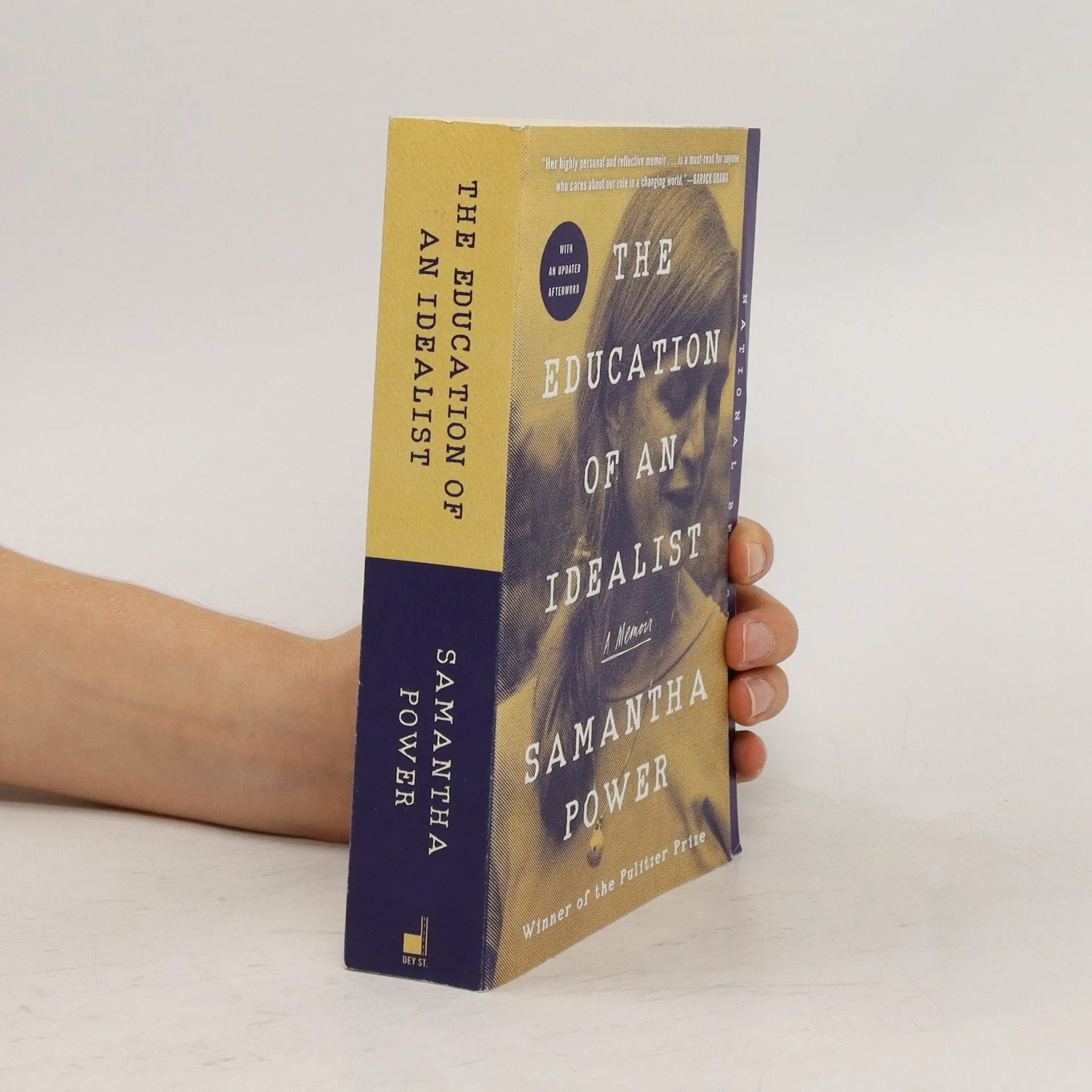
In her characteristically gripping prose, Pulitzer Prize-winner Power illuminates the messy and complex worlds of politics and geopolitics while laying bare the searing battles and defining moments of her life.
Fundamentalne dzieło Hannah Arendt o totalitaryzmie należy do najważniejszych książek o politycznej historii XX wieku. Napisane pod wpływem okropności nazizmu i stalinizmu, totalitaryzm Arendt opisuje jako nowy fenomen, którego nie można wyjaśnić tradycyjnymi pojęciami tyranii czy dyktatury.
To ambitna próba zrozumienia psychologicznego, społecznego i politycznego kontekstu, który umożliwił jego powstanie.
Praca jest podzielona na trzy części. W pierwszej – Antysemityzm i Imperializm – autorka bada zjawiska, które doprowadziły do stanu, w którym totalitaryzm stał się możliwy. Trzecia część Totalitaryzm to analiza samego fenomenu.
Arendt bada i analizuje instytucje oraz procedury totalitarnych ruchów dwóch rzeczywistych form totalitarnych rządów naszych czasów – nazistowskich Niemiec i stalinowskiej Rosji – zauważając, że są to dwie strony tej samej monety, a nie dwie przeciwstawne filozofie prawicy i lewicy. To podstawowy kamień, od którego odprowadza swoją analizę ewolucyjnej przemiany klas w masy, roli propagandy w relacji do świata nietotalitarnego, wykorzystywania terroru oraz natury izolacji i samotności jako warunków całkowitego panowania nad światem ludzkim.
To jedna z najambitniejszych, ale i najkontrowersyjniejszych prac w badaniach nad tym fenomenem, które pojawiły się w historii teorii politycznej. Od czasu swojego wydania nie przestaje inspirować, skłaniać do refleksji, ale także budzić sprzeciw.