Bookbot

Margaret Archer

    Cambridge Certificate English. A Course For First Certificate
    English for Cambridge Proficiency
    P.A.S.S. 14. Pursuing the Common Good. How Solidarity and Subsidiarity Can Work Together
    Practice Tests for Cambridge Certificate of Proficiency in English
    The Relational Subject
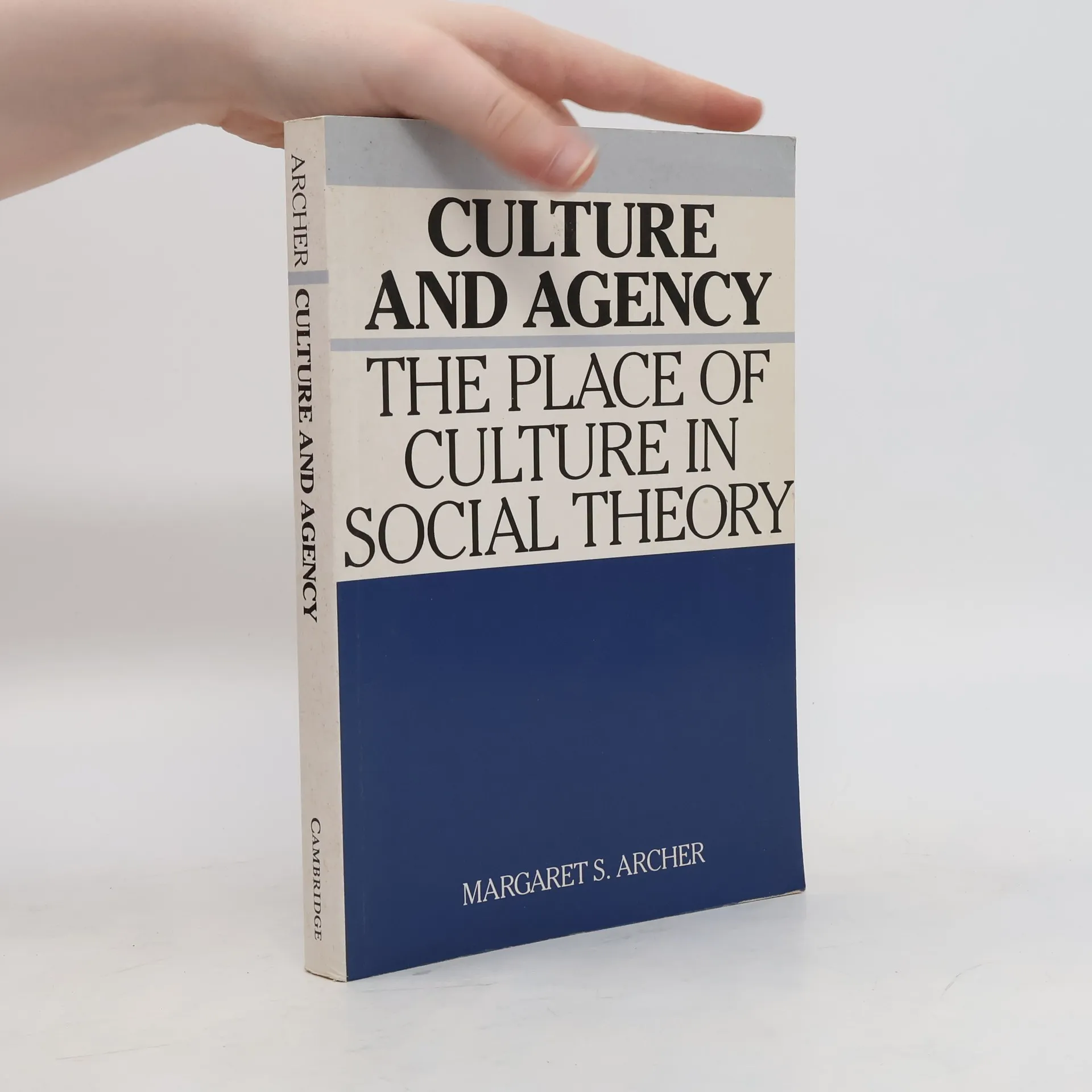
    Culture and Agency
    • The Relational Subject

      • 360 stron
      • 13 godzin czytania

      The book presents a compelling argument that relationships are tangible entities that produce genuine relational 'goods' and 'evils'. It explores how these dynamics influence not only the individuals directly involved but also the wider community, highlighting the profound impact of interpersonal connections on societal well-being. Through this lens, it encourages readers to reconsider the significance of their relationships and the moral implications they carry.

      The Relational Subject2015
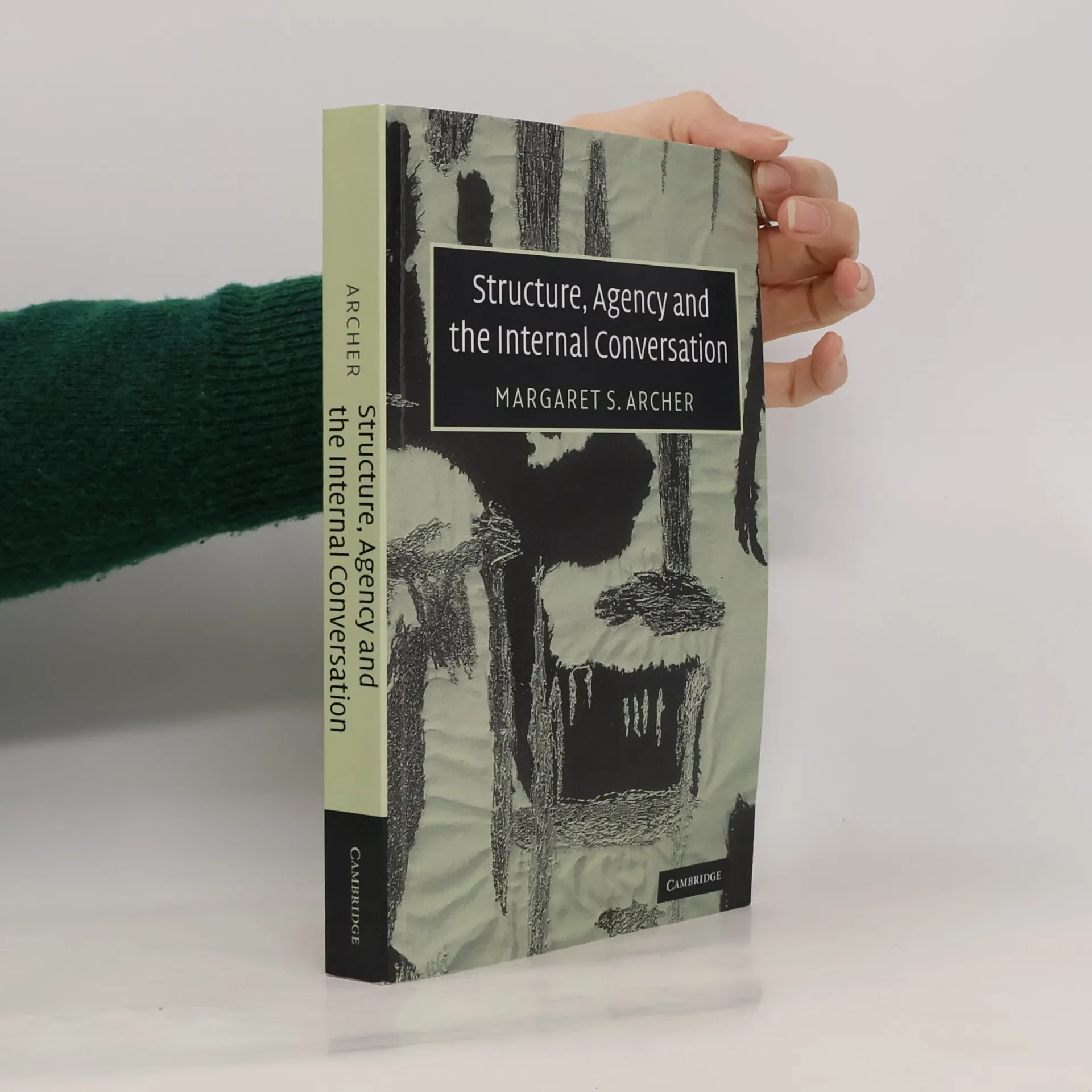
    • The book explores the interplay between society's objective features and individual actions, focusing on how social conditioning is influenced by personal reflexivity. Through in-depth interviews, Margaret Archer introduces the concept of "internal conversations" as a key mechanism that shapes how individuals respond to societal influences. This analysis reveals how these internal dialogues affect social mobility patterns and determine whether individuals contribute to social stability or initiate change.

      Structure, Agency and the Internal Conversation2008
    • Culture and Agency

      The Place of Culture in Social Theory

      • 371 stron
      • 13 godzin czytania

      People are inescapably shaped by the culture in which they live, while culture itself is made and remade by people. Human beings in their daily lives feel a genuine freedom of thought and belief, yet this is unavoidably constrained by cultural limitations--such as those imposed by the language spoken, the knowledge developed and the information available at any time. In this book, Margaret Archer provides an analysis of the nature and stringency of cultural constraints, and the conditions and degrees of cultural freedom, and offers a radical new explanation of the tension between them. She suggests that the "problem of culture and agency" directly parallels the "problem of structure and agency," and that both problems can be solved by using the same analytical framework. She therefore paves the way toward the theoretical unification of the structural and cultural fields.

      Culture and Agency1990
      4,6