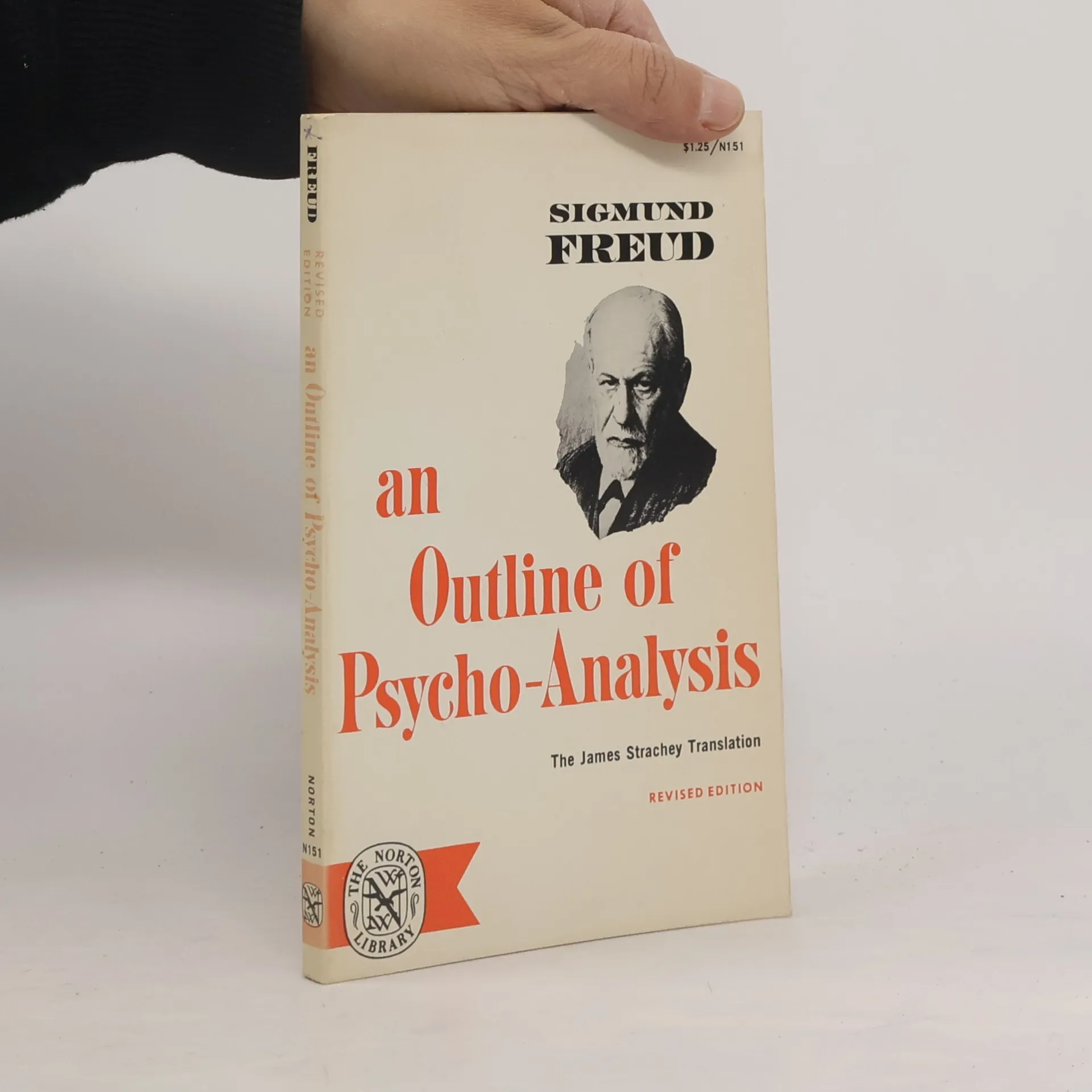
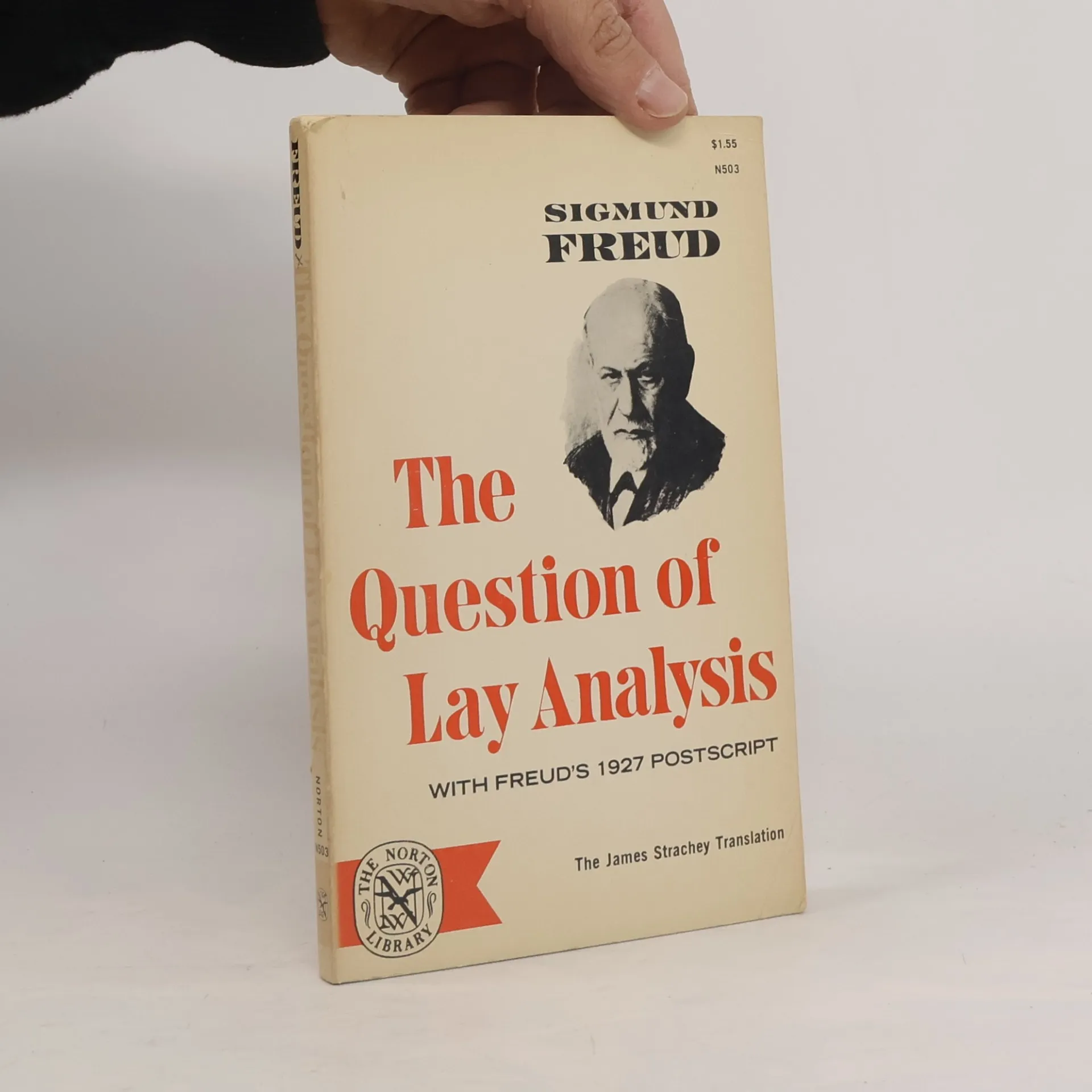
The Standard Edition of the complete works of the father of psychoanalysis - the only definitive paperback edition on the market. Translated from the German under the General Editorship of James Strachey; in collaboration with Anna Freud; assisted by Alix Strachey and Alan Tyson.
Freud approved the overall editorial plan, specific renderings of key words and phrases, and the addition of valuable notes, from bibliographical and explanatory. Many of the translations were done by Strachey himself; the rest were prepared under his supervision. The result was to place the Standard Edition in a position of unquestioned supremacy over all other existing versions.Newly designed in a uniform format, each new paperback in the Standard Edition opens with a biographical essay on Freud's life and work--along with a note on the individual volume--by Peter Gay, Sterling Professor of History at Yale.
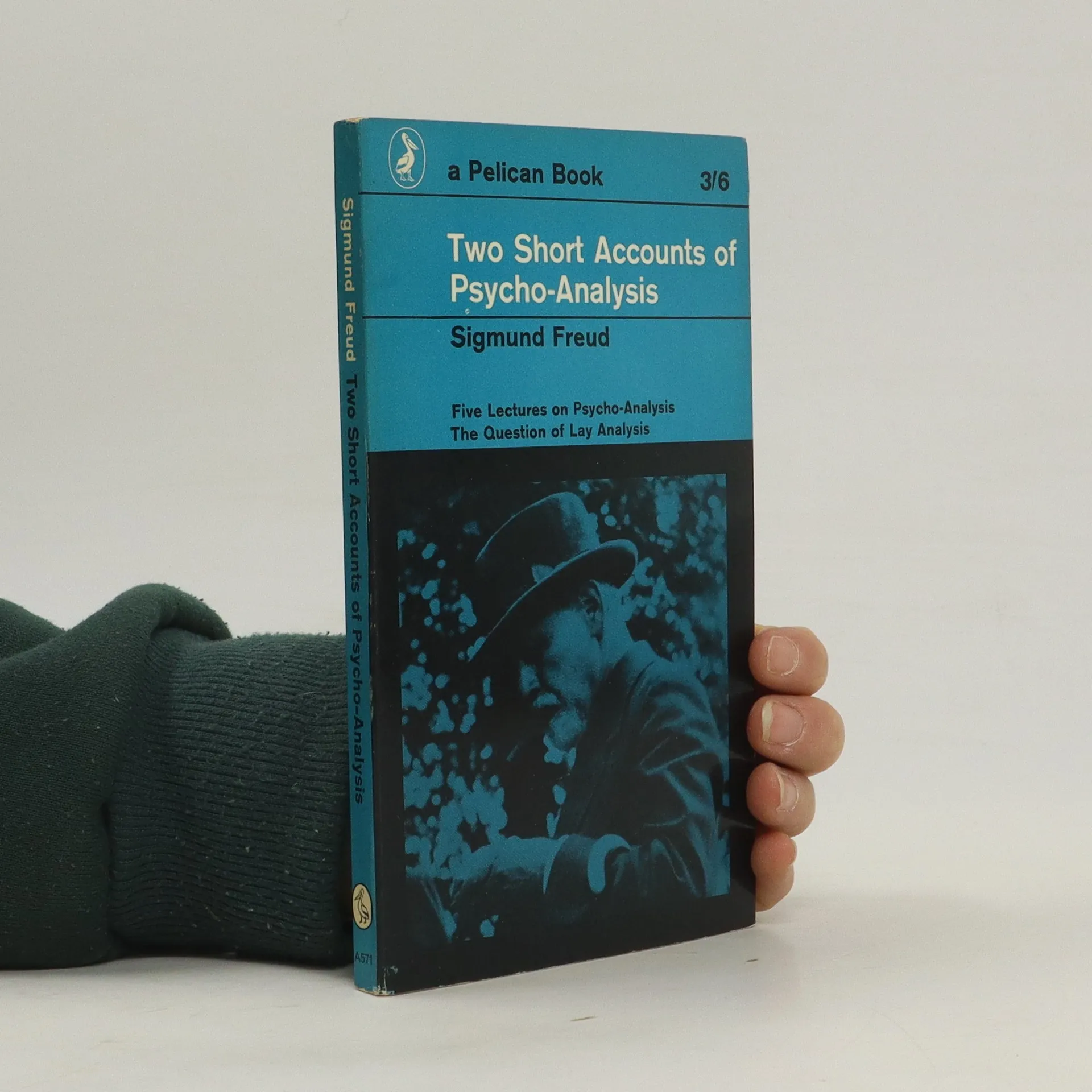
These two short accounts, written respectively in 1909 and 1926, are a good introduction to psychoanalysis for the general reader, for whom they were originally prepared.
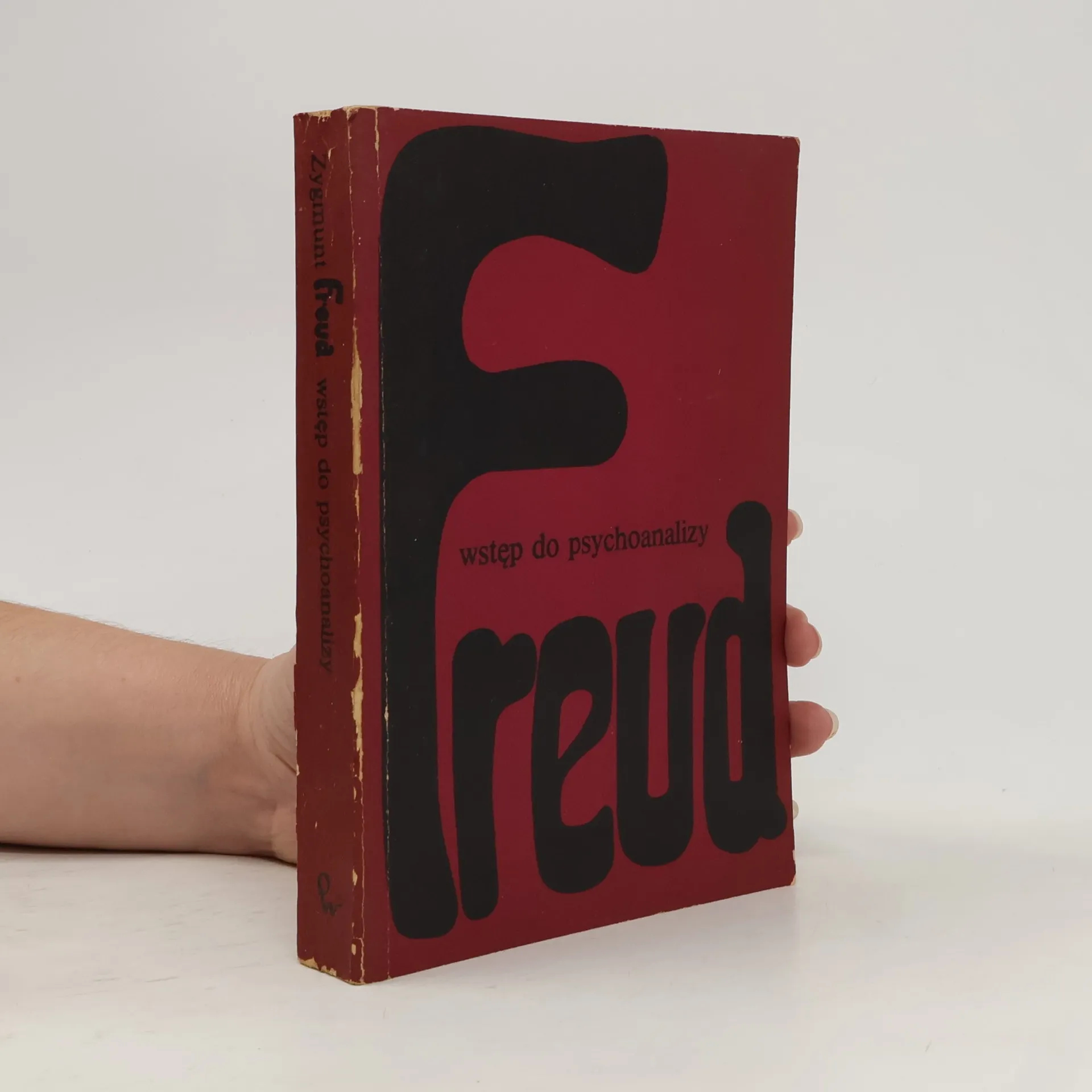
"Wstęp do psychoanalizy" to najbardziej znana, klasyczna już książka Freuda, która zapoczątkowała rozwój i popularyzację psychoanalizy jako teorii, metody badawczej i środka terapii. Zawiera cykl wykładów wygłoszonych przez autora w latach 1915-1917 przed audytorium składającym się z lekarzy i "laików obojga płci", którym wyjaśniał podstawowe założenia swej koncepcji. Znając główne zastrzeżenia, jakie wobec niej wysuwano, wykłady te potraktował niezwykle poważnie, przygotowując je w postaci napisanego tekstu. W pierwszych wykładach analizuje czynności pomyłkowe i marzenia senne, udowadniając istnienie nieświadomości. Przedstawia przede wszystkim te objawy nieświadomości, które występują w życiu codziennym. Pokazuje, że nic w naszej psychice nie jest przypadkowe. Są tylko zjawiska zrozumiałe, które umiemy interpretować, i niezrozumiałe, których jeszcze zinterpretować nie umiemy. W dalszych wykładach autor wyjaśnia podstawy nauk o nerwicach, prezentuje również trzy zasadnicze wątki teorii psychoanalitycznej: teorię lęku, teorię libido i narcyzmu oraz teorię przeniesienia.
We wszystkich epokach niemoralność znajdowała w religii nie mniejsze wsparcie
niż moralność. Zbiór esejów opublikowany w 1913 roku uznawany za przełomowy.
Freud podjął w nim próbę rozszyfrowania tajemnic ludzkiego zachowania, dokonał
analizy konfliktu między prymitywnymi uczuciami a wymaganiami cywilizacji,
czyli staraniem pogodzenia nieświadomych pragnień ze społecznym, akceptowalnym
zachowaniem. W tej pracy ojciec psychoanalizy po raz pierwszy, a zarazem
najszerzej, ukazał rolę kompleksu Edypa. Opisał także różne tabu społeczne:
ojcobójstwa i kazirodztwa (dwa najsilniejsze jego zdaniem), a także tabu
wrogów, władców, zmarłych itp., rysując tym samym genezę kształtowania
pierwotnych form religii oraz najbardziej podstawowych zasad moralnych.
"In his final years, Freud devoted most of his energies to a series of highly ambitious works on the broadest issues of religion and society. As early as 1908, he produced a powerful paper on the repressive hypocrisy of 'civilized sexual morality', and its role in 'modern nervous illness'. Deepening this analysis in Civilization and Its Discontents, he argues that civilized values - and the impossible ideals of Christianity - inevitably distort our natural aggression and impose a terrible burden of guilt. It is also here that Freud developed his last great theoretical innovation: the strange and haunting notion of an innate death drive, locked in a constant struggle with the forces of Eros."--Publisher website
Setting forth in rich detail Freud's new theory of anxiety, Inhibitions, Symptoms and Anxiety (1926) is evidence for one of them. In rethinking his earlier work on the subject, Freud saw several types of anxiety at work in the mind and here argues that anxiety causes repression, rather than the other way around.
In what is considered one of his most prominent ideas, Austrian psychiatrist, Sigmund Freud explains the dynamic of the human psyche in terms of the roles and conflicts produced by the id, ego, and super-ego. Freud suggests that all human behaviors and traits, including personality disorders, are created by the complex conflicts and workings of these three components of human personality.