When The Quest for Christa T. was first published in East Germany in 1968, there was an immediate storm: bookshops in East Berlin were given instructions to sell it only to well-known customers professionally involved in literary matters; at the annual meeting of East German Writers Conference, Mrs Wolf's new book was condemmed. Yet the novel has nothing explicitly to do with politics.Praise for The Quest for Christa T.On the surface we merely have the story of a sensitive woman as recalled by her friend. On this level Christa T. was a good citizen who did as she was told and lived a seemingly unexceptional life. But between the lines lies the real story of Christa T. -- the story of an individual crushed by the pressures of uniformity. If you bear in mind it is the first novel of any consequence to emerge from Ulbricht's East Germany, then it becomes something of a literary landmark. - John Barkman, New York PostThe contours of silence and the outline of things articulately left unsaid loom large in the muted brilliance of this novel. - Ernst Pawek, The New York Review of BooksIt is a courageous book that breaks taboos and, as we have come to expect from Christa Wolf, it is infused with an integrity and a deep moral concern. . . - The (London) Times Literary Supplement
Christopher Middleton Książki




Jakob von Gunten. Dziennik
- 180 stron
- 7 godzin czytania
W połowie 1905 roku dwudziestosiedmioletni Robert Walser ukończył w Berlinie kurs dla lokajów. Nabyte umiejętności miał okazję wypróbować w czasie służby na zamku rodziny von Hochberg w Dąbrowie Niemodlińskiej. Podobna instytucja stała się scenerią Jakoba von Guntena, może najbardziej fantasmagorycznej powieści Walsera. Instytut Benjamenty kształtuje lokajów doskonałych. Bezmyślnych i niezdolnych do buntu, zgodnie z zasadą Odzwyczaić się od własnej natury. W gruncie rzeczy wcale nie jest jasne, czy Instytut, ów przedsionek pokojów mieszkalnych i paradnych sal życia, wciąż żyje pisze w posłowiu Piotr Paziński. Wszystko jest tu przejściowe, nietrwałe, zawieszone w powietrzu: czuwanie, jedzenie, spanie i nauka. Wszystko pogrążone we śnie: panowie wychowawcy i nauczyciele śpią albo pomarli, albo są w letargu, albo zamienili się w kamienie. Nic dziwnego, że pewnego dnia szkoła skojarzy się Jakobowi z domem umarłych. A polskim czytelnikom zmierzch i upadek Instytutu Benjamenty, a wcześniej ów osobliwy stan zawieszenia między jawą a snem oraz życiem i nieżyciem, tudzież sekrety wychowawców, starannie poukrywane w niedostępnych dla uczniów pomieszczeniach budynku, może przypominać dwie książki, których Walser znać nie mógł, ale mógł je wyśnić: Sanatorium pod Klepsydrą i Akademię pana Kleksa. Na kanwie powieści Walsera oniryczny film nakręcili bracia Quay.
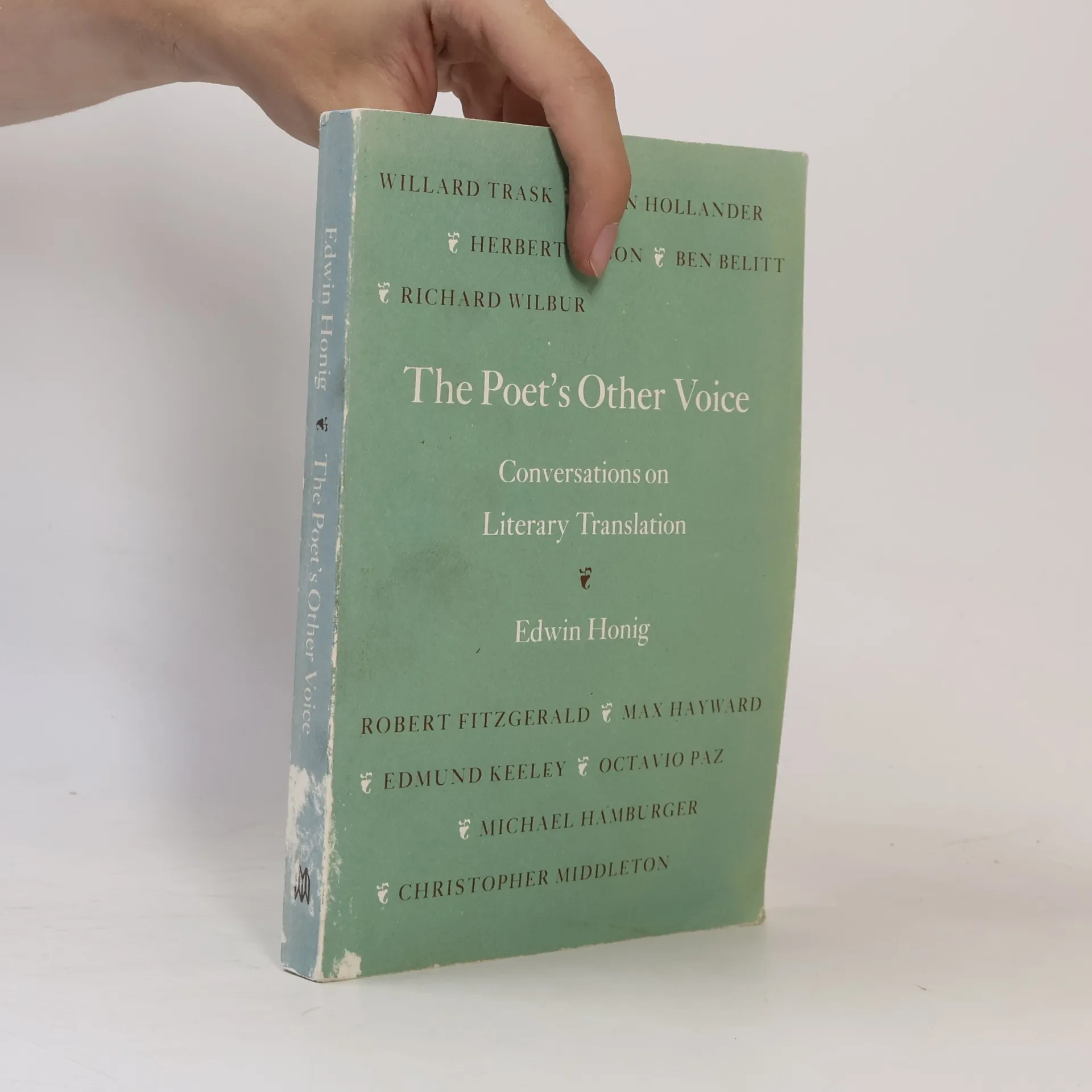
Collection includes conversations with Willard Trask, John Hollander, Herbert Mason, Ben Belitt, Richard Wilbur, Robert Fitzgerald, Max Hayward, Edmund Keeley, Octavio Paz, Michael Hamberger, Christopher Middleton. Twelve distinguished translators share their thoughts on the art and practice of literary translation in this lively series of interviews. Although the common subject is the translation of poetry, the conversations range across a field of related topics: how each person got started as a translator, how each goes about the work, the qualities that distinguish a great translation from a merely serviceable one, the theoretic issues posed by poetic translation, the barriers of culture and time, the practical details of rendering a poem from one language to the next. --University of Massachusetts Press.
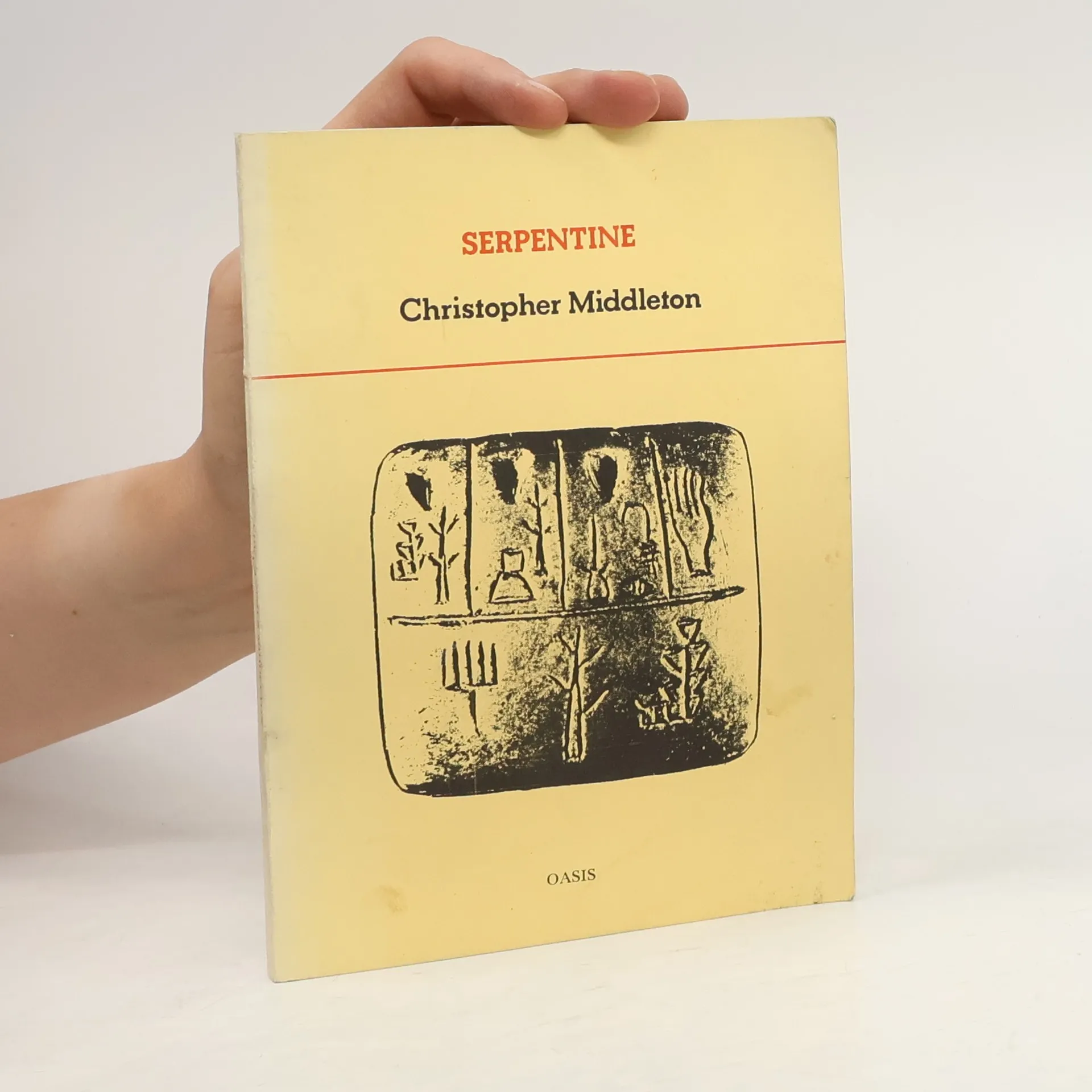
Serpentine
- 122 strony
- 5 godzin czytania
Christopher Middleton described it as being a series of texts “on the nature of evil”.
Die Reihe P bietet eine Sammlung zeitgenössischer Lyrik, die bedeutende internationale Stimmen der modernen Poesie umfasst. Durch sorgfältige Nachdichtungen wird den deutschen Lesern ein Zugang zu diesen wichtigen lyrischen Werken ermöglicht, wodurch die Vielfalt und Tiefe der aktuellen Poesieszene erlebbar wird.
Curbaram
- 58 stron
- 3 godziny czytania