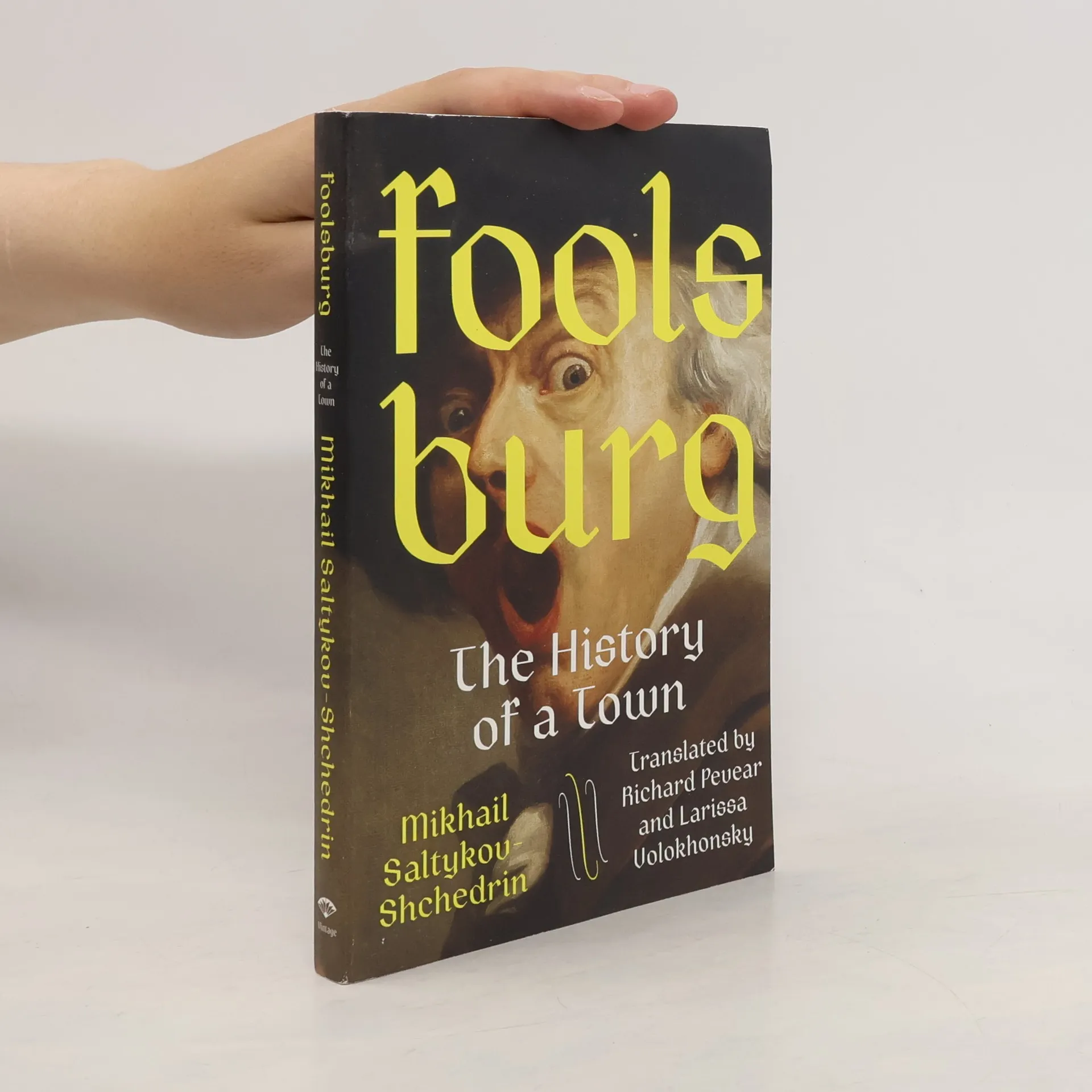
The award-winning translators bring us a new translation of an 1870 comic novel by Russia's greatest satirist—whose mockery of Russian autocracy is as relevant as ever. “Pevear and Volokhonsky [are the] reigning translators of Russian literature. . . . In Russia, The History of a Town is read in schools and regarded as a masterpiece of 19th-century satire. . . . [This new translation] is an argument for the book’s Swiftian wit and its relevance to Russia and the United States today.” —The New York Times A major classic in Russia since its publication, Foolsburg is the farcical chronicle of a fictional town and its hapless inhabitants as they passively endure the violence and lunacy of their rulers. The succession of brutal mayors of the town include such surreal extremes as a man with a music box instead of a brain and one so tall that he snaps in half during a windstorm. Mikhail Saltykov-Shchedrin marries biting satire reminiscent of Jonathan Swift with the fantastical absurdity of Nikolai Gogol, imbued throughout with his own brand of playful wordplay. The award-winning translators Richard Pevear and Larissa Volokhonsky have produced the first translation of this work into English that successfully captures its zany humor and enduring relevance.
Larissa Volokhonsky Kolejność książek (chronologicznie)


Nagrodzona literackim Noblem jedna z najpiękniejszych historii o miłości i wojnie Powieść o nieprzemijającej sile wyrazu, przenikająca do szpiku kości historia indywidualnego i zbiorowego losu na tle wydarzeń, a przy tym jedna z najpiękniejszych w literaturze światowej opowieści o miłości. Tytułowego bohatera – lekarza, poetę, człowieka o wielkim sercu – porywa fala przetaczająca się przez Rosję: pierwsza wojna światowa, rewolucja lutowa i październikowa, wojna domowa. Jurij Żywago, w pełni świadomy upadku ładu społecznego i moralnego, zachowuje jednak wewnętrzną wolność.
The Death of Ivan Ilyich
- 96 stron
- 4 godziny czytania
A middle-aged judge who had never thought about his own mortality, must readjust his thinking when he learns he has a terminal illness
Młokos
- 624 strony
- 22 godziny czytania
W duszy bohaterów Dostojewskiego zawsze toczy się walka pomiędzy dobrem a złem, ale zenit osiąga ona właśnie w duszy głównego bohatera tej powieści, dziewiętnastoletniego Arkadiusza Wiersiłowa. Znajduje się on w okolicznościach, które czynią problem wyboru możliwym i nieuniknionym. Możliwość zawiera się w jego młodości, nieukończeniu procesu kształtowania osobowości. Nieuniknioność zawiera się w stanie już zaczętego rozpadu jego osobowości, moralnego i psychicznego. Pisarz pokazuje, jak formuje się ona przez chciwość, żądzę zysku i rozpustę. W dodatku młokos to młody chłopak, który kocha swego ojca, ale do końca nie potrafi odpowiedzieć na pytanie, czy jest on bohaterem, czy łajdakiem.
Anna Karenina
- 425 stron
- 15 godzin czytania
Pomysł napisania "Anny Kareniny" powziął Tołstoj w r. 1870, dopiero jednak w marcu 1873 r. rozpoczął pracę nad powieścią. W początku 1874 r. Tołstoj oddał do druku pierwsze pięć arkuszy. Druk został jednak przerwany. Tołstoj znacznie rozwinął i pogłębił swój pierwotny pomysł. "Anna Karenina" stała się wielką powieścią ukazującą losy bohaterów na tle życia rosyjskiego i stosunków społecznych Rosji w latach 1870-75. W wydaniu książkowym powieść w całości po raz pierwszy ukazała się w r. 1878. W Polsce pierwszą wzmiankę o "Annie Kareninie" znajdujemy w r. 1876 w "Dzienniku Warszawskim" wydawanym przez carskie władze zaborcze.
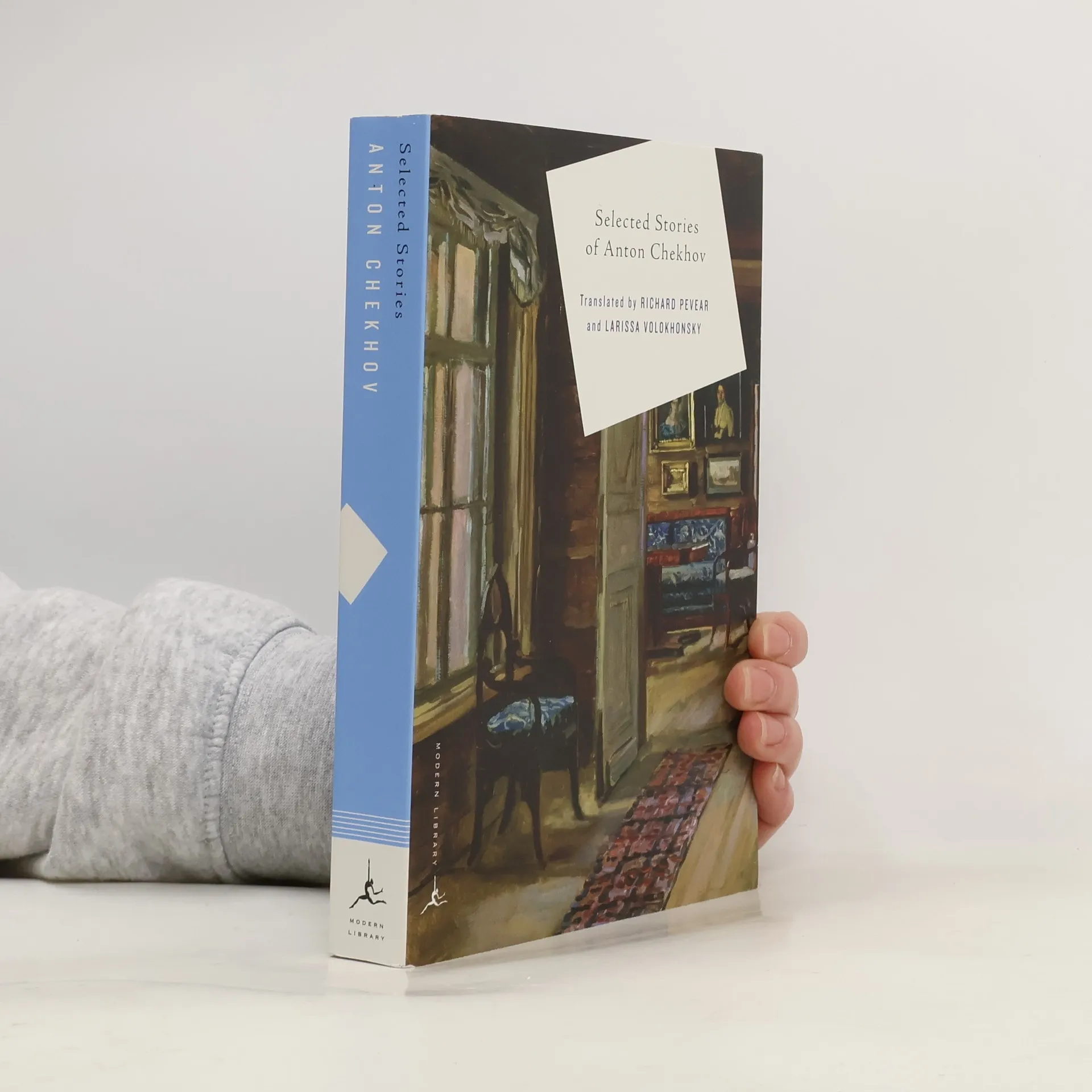
Richard Pevear and Larissa Volokhonsky, the highly acclaimed translators of War and Peace, Doctor Zhivago, and Anna Karenina, which was an Oprah Book Club pick and million-copy bestseller, bring their unmatched talents to The Selected Stories of Anton Chekhov, a collection of thirty of Chekhov’s best tales from the major periods of his creative life. Considered the greatest short story writer, Anton Chekhov changed the genre itself with his spare, impressionistic depictions of Russian life and the human condition. From characteristically brief, evocative early pieces such as “The Huntsman” and the tour de force “A Boring Story,” to his best-known stories such as “The Lady with the Little Dog” and his own personal favorite, “The Student,” Chekhov’s short fiction possesses the transcendent power of art to awe and change the reader. This monumental edition, expertly translated, is especially faithful to the meaning of Chekhov’s prose and the unique rhythms of his writing, giving readers an authentic sense of his style and a true understanding of his greatness.
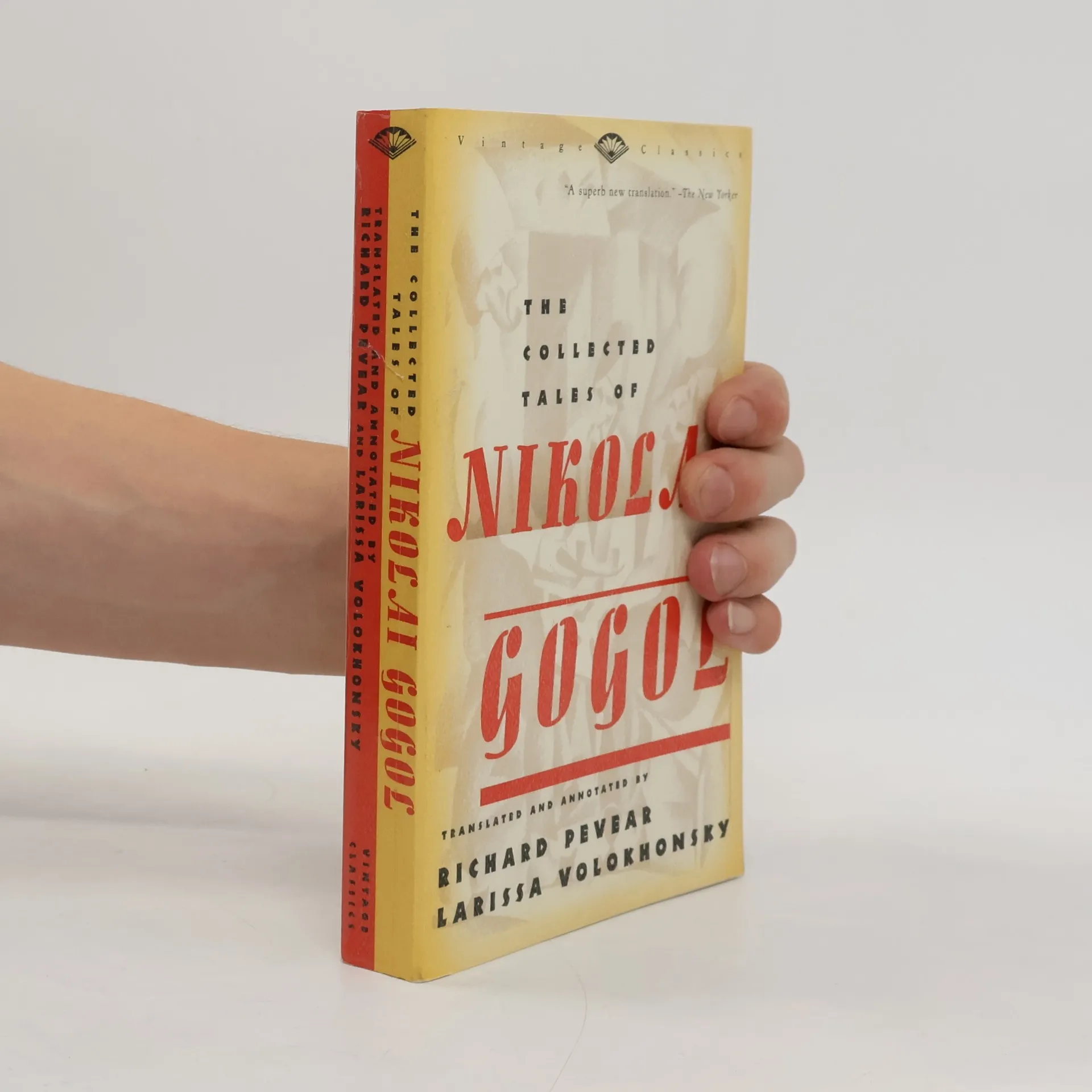
Vintage Classics: The Collected Tales of Nikolai Gogol
- 464 strony
- 17 godzin czytania
When Pushkin first read some of the stories in this collection, he declared himself "amazed." "Here is real gaiety," he wrote, "honest, unconstrained, without mincing, without primness. And in places what poetry! . . . I still haven't recovered." More than a century and a half later, Nikolai Gogol's stories continue to delight readers the world over. Now a stunning new translation--from an award-winning team of translators--presents these stories in all their inventive, exuberant glory to English-speaking readers. For the first time, the best of Gogol's short fiction is brought together in a single volume: from the colorful Ukrainian tales that led some critics to call him "the Russian Dickens" to the Petersburg stories, with their black humor and wonderfully demented attitude toward the powers that be. All of Gogol's most memorable creations are here: the minor official who misplaces his nose, the downtrodden clerk whose life is changed by the acquisition of a splendid new overcoat, the wily madman who becomes convinced that a dog can tell him everything he needs to know. These fantastic, comic, utterly Russian characters have dazzled generations of readers and had a profound influence on writers such as Dostoevsky and Nabokov. Now they are brilliantly rendered in the first new translation in twenty-five years--one that is destined to become the definitive edition of Gogol's most important stories.
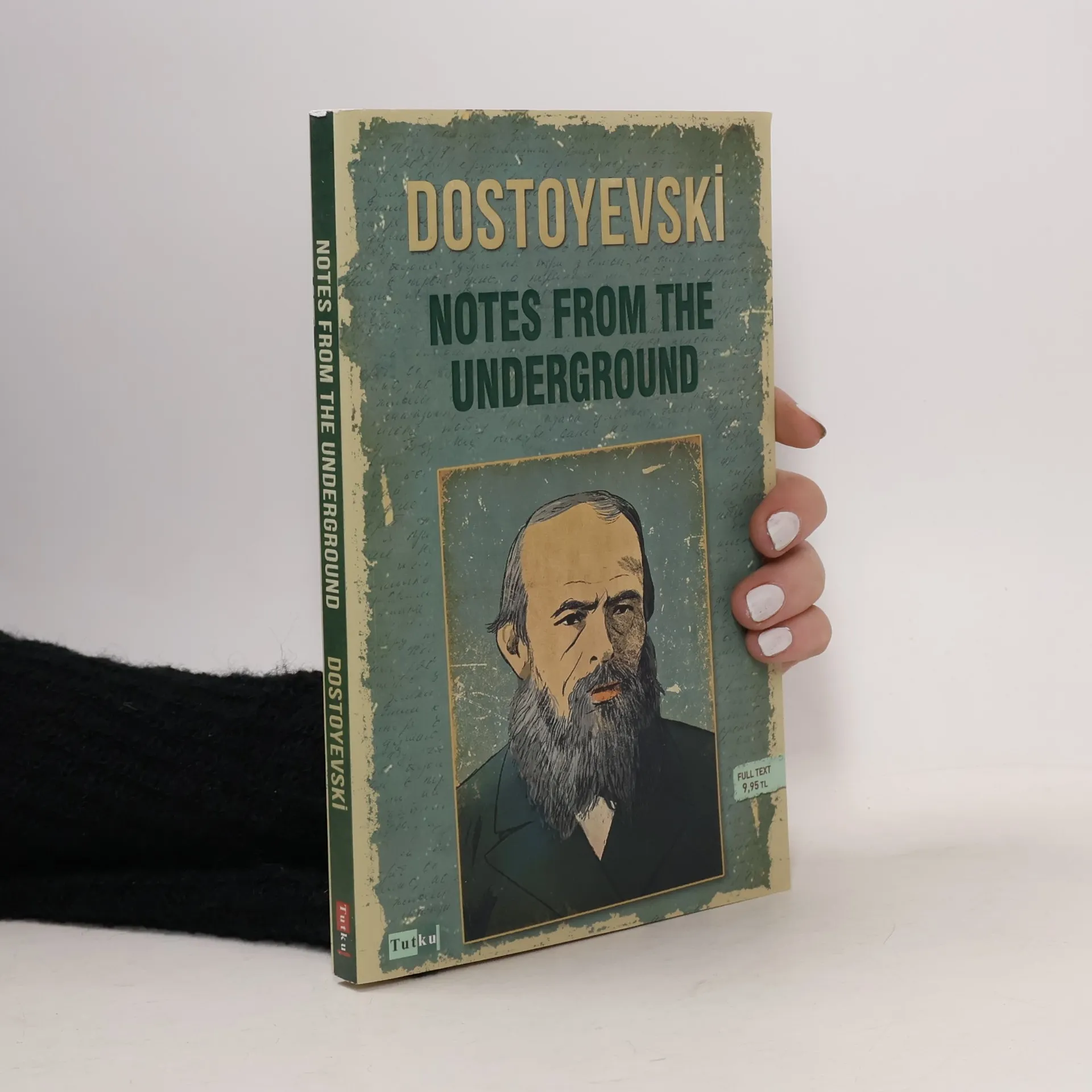
Notes From The Underground
- 160 stron
- 6 godzin czytania
Dostoevsky's underground man is a psychologically tourtured poor clerk, who muses on his 'sickness' and the detested notions of self-interest. Scornful of himself and of others, he recalls finding love at a brothel - but it is a love by his very nature he cannot accept, and so debases instead.
Bracia Karamazow
- 962 strony
- 34 godziny czytania
Bracia Karamazow to ostatnia i najdojrzalsza powieść Fiodora Dostojewskiego. Opowiada dzieje czterech braci, których łączy tragedia: zabójstwo ojca. Każdy z nich, obciążony własnymi winami, kierowany emocjami i pożądaniem, na swój sposób usiłuje odnaleźć miejsce w mrocznej mozaice rodziny Karamazowów. Powieść rosyjskiego mistrza jest uznawana za jedno z największych dzieł w historii literatury. Obok wątków obyczajowych porusza fundamentalne problemy, z którymi zmaga się ludzkość: pytanie o istnienie Boga w racjonalnym świecie, trwałość wartości w obliczu zmian i nieświadome krążenie człowieka między złem i pokutą. Nowy kongenialny przekład Adama Pomorskiego wraz z komentarzami i posłowiem pozwala polskiemu czytelnikowi w pełni rozsmakować się w rozległej panoramie powieści.