

Bookbot

Edmond Baudoin

    Protokół
    Le marchand d'éponges (Comic)
    Ensalada de Niza
    Der Nabel der Welt
    Dalí
    Piero
    • Piero

      • 136 stron
      • 5 godzin czytania

      A touching graphic memoir about brotherhood, coming of age, and artistic inspiration by one of France's most celebrated graphic novelists. Edmond Baudoin is one of the most revered and influential figures in European comics, renowned for his slashing, expressive brushwork and narrative experimentation. New York Review Comics is proud to present the first English translation of his most intimate and inviting book, his graphic memoir of growing up with his beloved brother, Piero. Whether stuck in bed with whooping cough or out exploring in the woods, the two brothers draw together endlessly. They confront Martians, battle octopuses, stage epic battles between medieval castles, and fly high over the earth. Inevitably, they begin to grow apart, and their shared artistic life is replaced by schoolwork, romance, dances, motorcycles, and the struggle to decide what sort of people they want to be. Piero is a delicate, exuberant testament to the joys of childhood and a bittersweet account of what it means to become an adult—and an artist.

      Piero
      4,0
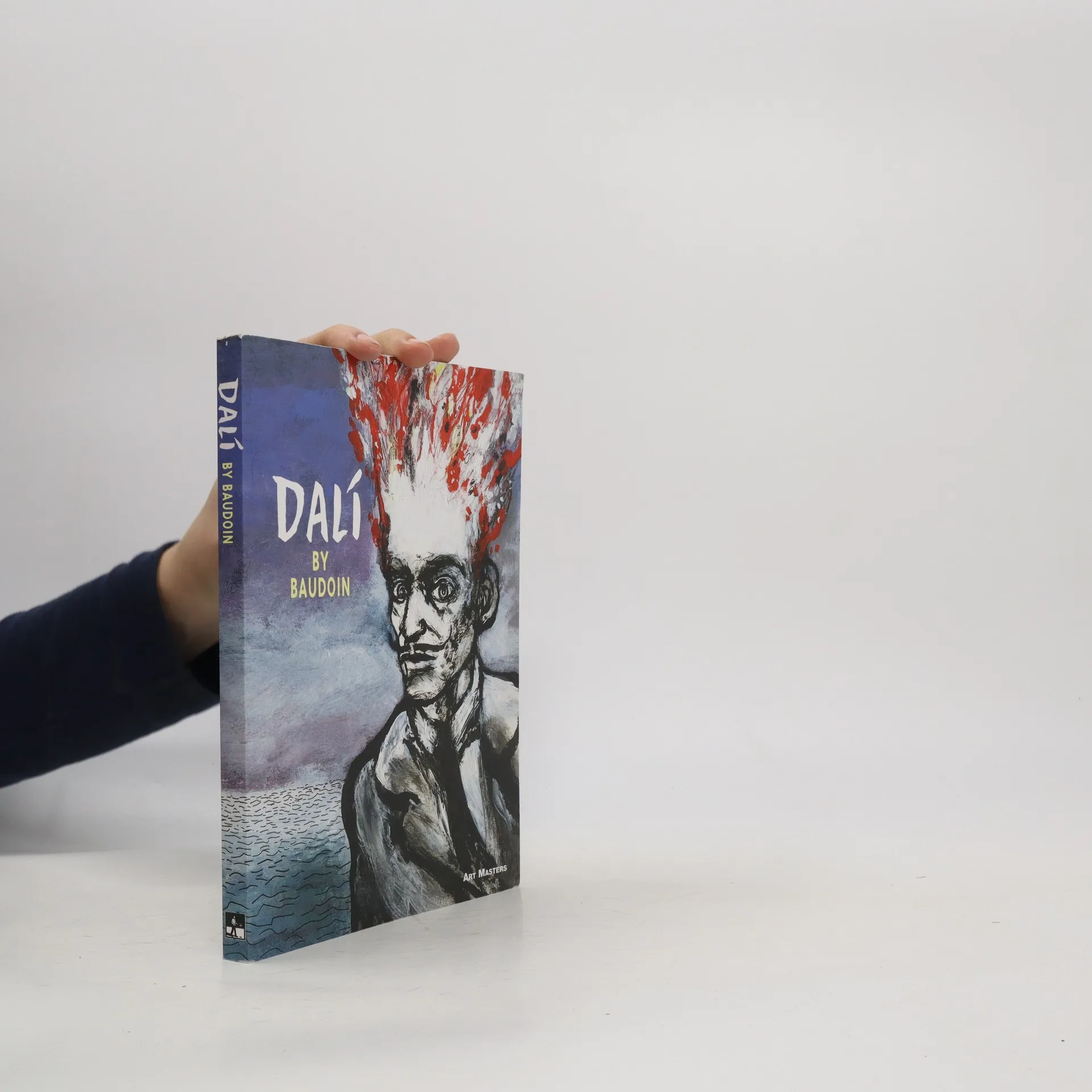
    • Dalí

      • 160 stron
      • 6 godzin czytania

      Genius, eccentric, exhibitionist: There is no shortage of adjectives to describe the great surrealist painter Salvador Dalí (1904-1989). Yet this iconic artist and controversial thinker remains a figure shrouded in mystery. Plunging into the Spanish painter's unbridled, fantastical universe, graphic novelist Edmond Baudoin takes us on the trail of a man known as much for his talent for self-promotion as for his bold and extraordinary work. He emerges with a convincing personal vision of the man behind the artist. Commissioned by the Pompidou Centre, Paris, Dalí is a graphic novel of rare brilliance, which captures in beautifully expressive detail the life of one of the world's most instantly recognizable painters.

      Dalí
      3,6
    • Ein greiser Maler und sein junges Modell reden über Gott und die Welt. Mit verhaltenem Stolz breitet er sein Liebesleben aus. Das Mädchen will alles von ihm wissen, ohne Scheu fragt sie ihn aus. „Warst du deiner Frau immer treu?“ Er antwortet. Sind es Wahrheiten, sind es Klischees? Sind es Vorurteile, die auf den Müllhaufen der Geschichte gehören?

      Der Nabel der Welt
      4,0
    • Ensalada de Niza

      • 264 strony
      • 10 godzin czytania

      A través de la mirada de Manu, Badouin desvela como sólo él sabe los sentimientos más intensos de sus personajes, la belleza de las mujeres y su profundo amor por ellas. La ciudad de Niza también se vuelve protagonista de la obra, y el autor de El viaje nos va descubriendo sus paisajes y sus rincones con apuntes no exentos de retazos autobiográficos.

      Ensalada de Niza
      3,7
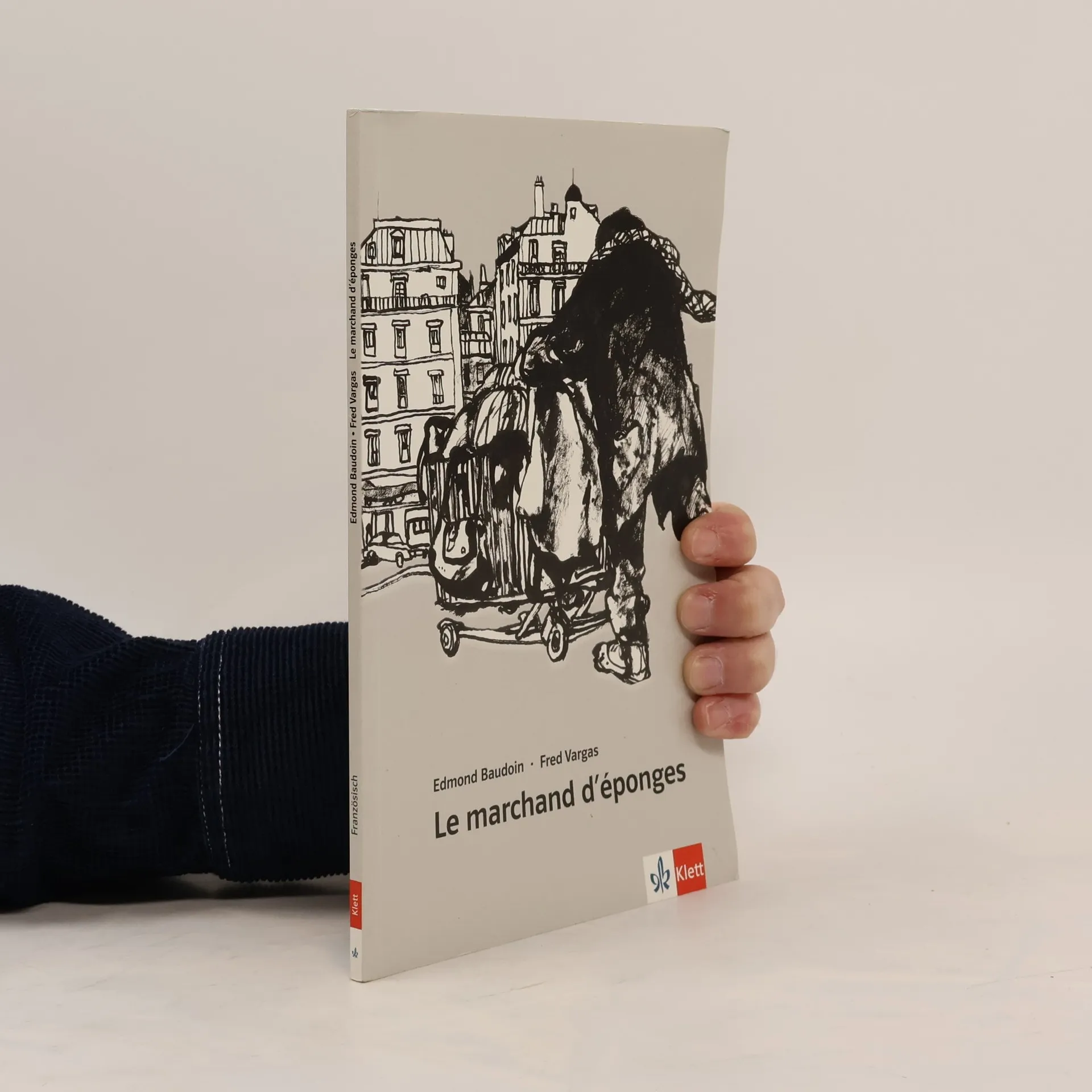
    • Le marchand d'éponges (Comic)

      • 64 strony
      • 3 godziny czytania

      Ein Mordfall bringt Unruhe in den Alltag von Pi, Stadtstreicher und gelegentlicher SchwammverkÃ?ufer. Bei der Zeugenbefragung lernt er Adamsberg kennen, einen Kommissar mit ungewÃ?hnlichen Methoden. Nach und nach kommt die Wahrheit ans Licht und Pis Dasein offenbart sich als das Leben eines gebrochenen Mannes

      Le marchand d'éponges (Comic)
      3,6
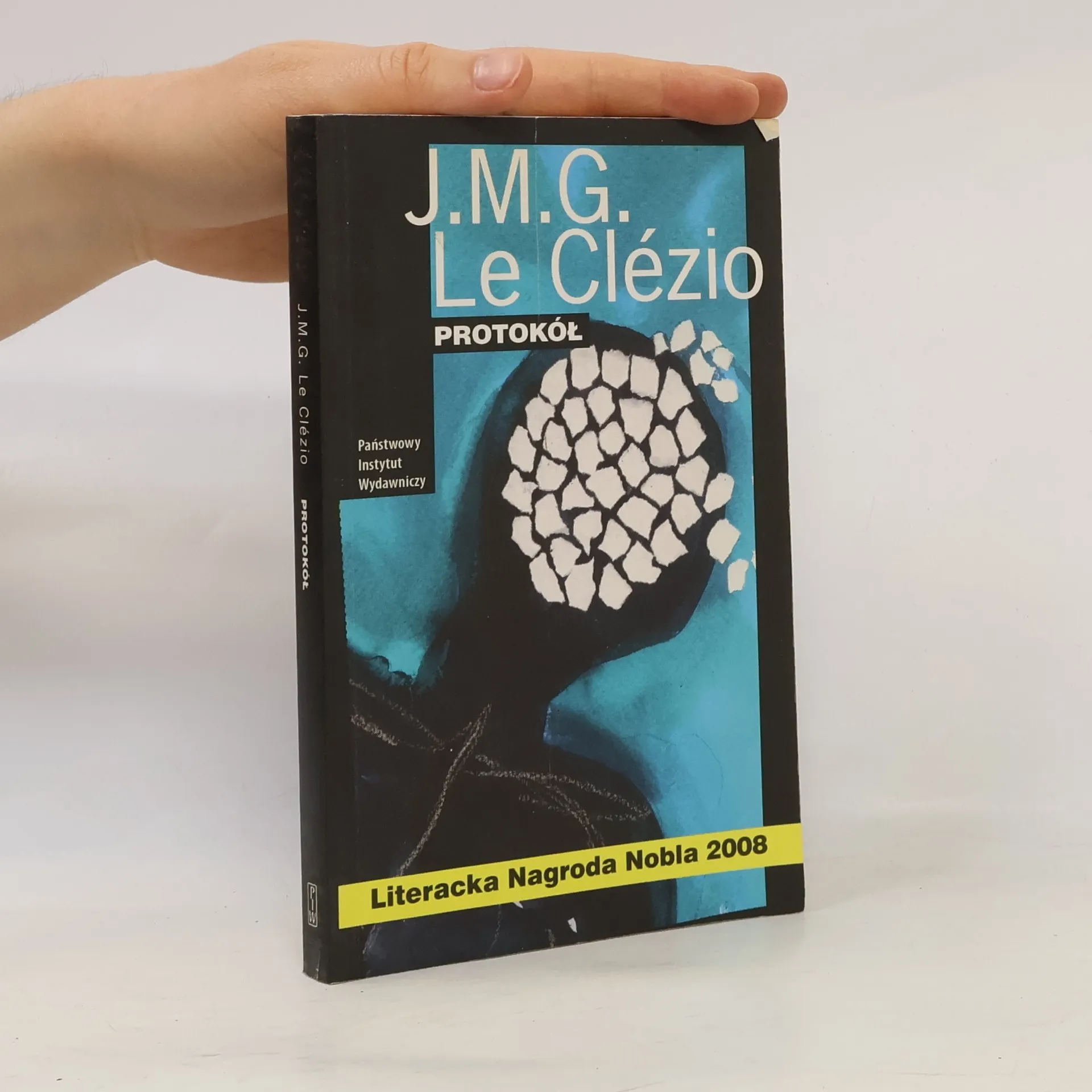
    • Protokół

      • 240 stron
      • 9 godzin czytania

      Nagrodzony prestiżową Prix Renaudot błyskotliwy debiut tegorocznego noblisty J.M.G. Le Clézio. „...to historia człowieka, który nie wie, czy wyszedł z wojska, czy z zakładu dla obłąkanych”. Adam Pollo zerwał związki ze światem, teraz pragnie za wszelką cenę ów świat odtworzyć. Z braku miłości wymyśla (?) Michèle. Z braku namiętności utożsamia się z psem i odbywa pogoń za suką. Z braku wroga mianuje nim białego szczura i toczy morderczą walkę. Adam zaprzestał żyć, ale nie chce umierać, kataloguje więc przejawy istnienia. Oddalił się od ludzi, ale wciąż wokół nich krąży. Chce rozstrzygnąć wszystko i wszystko ustalić. Dwudziestotrzyletni autor we wstępie do Protokołu wyznaje: „nie tracę nadziei, że uda mi się kiedyś napisać prawdziwą powieść”.

      Protokół
      3,2