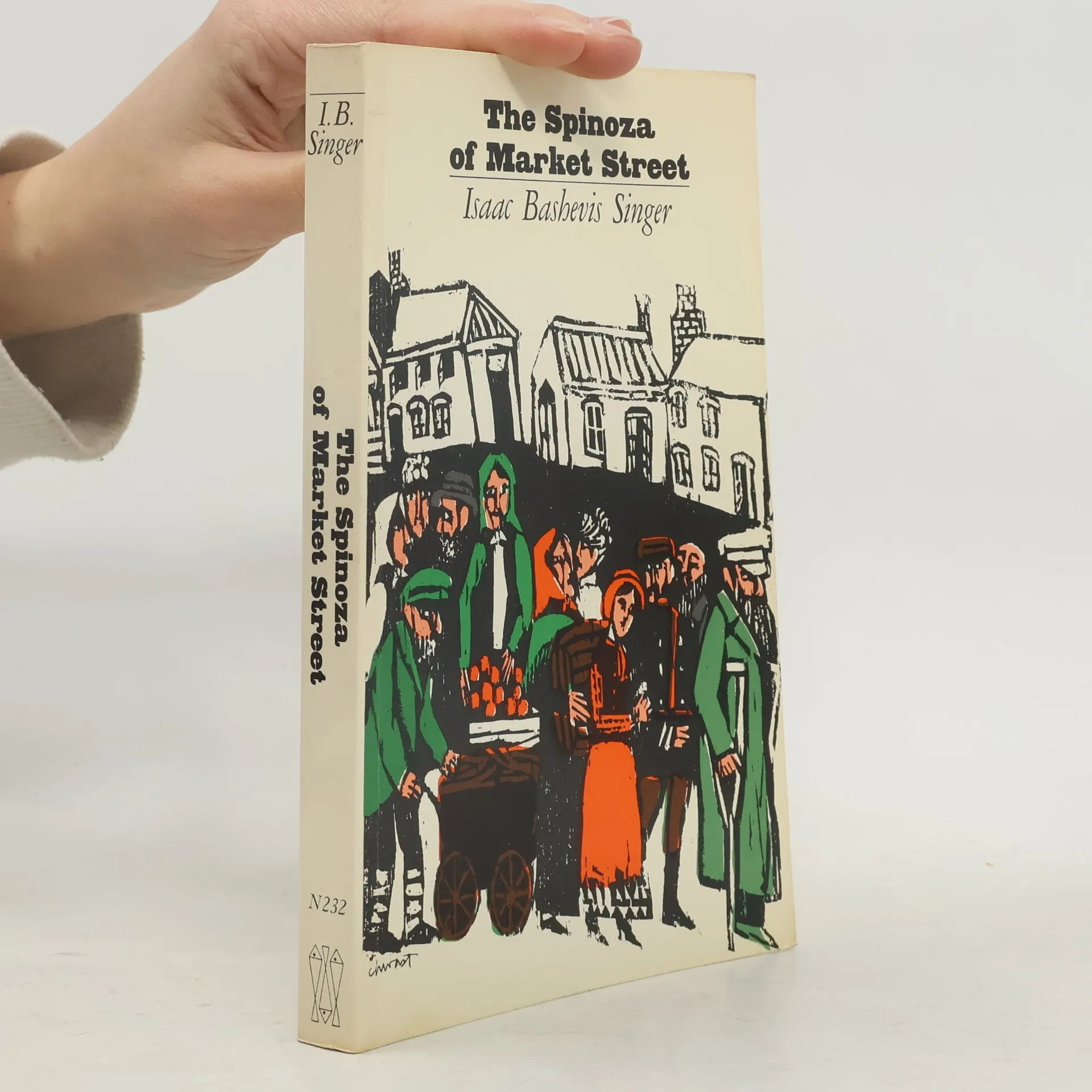
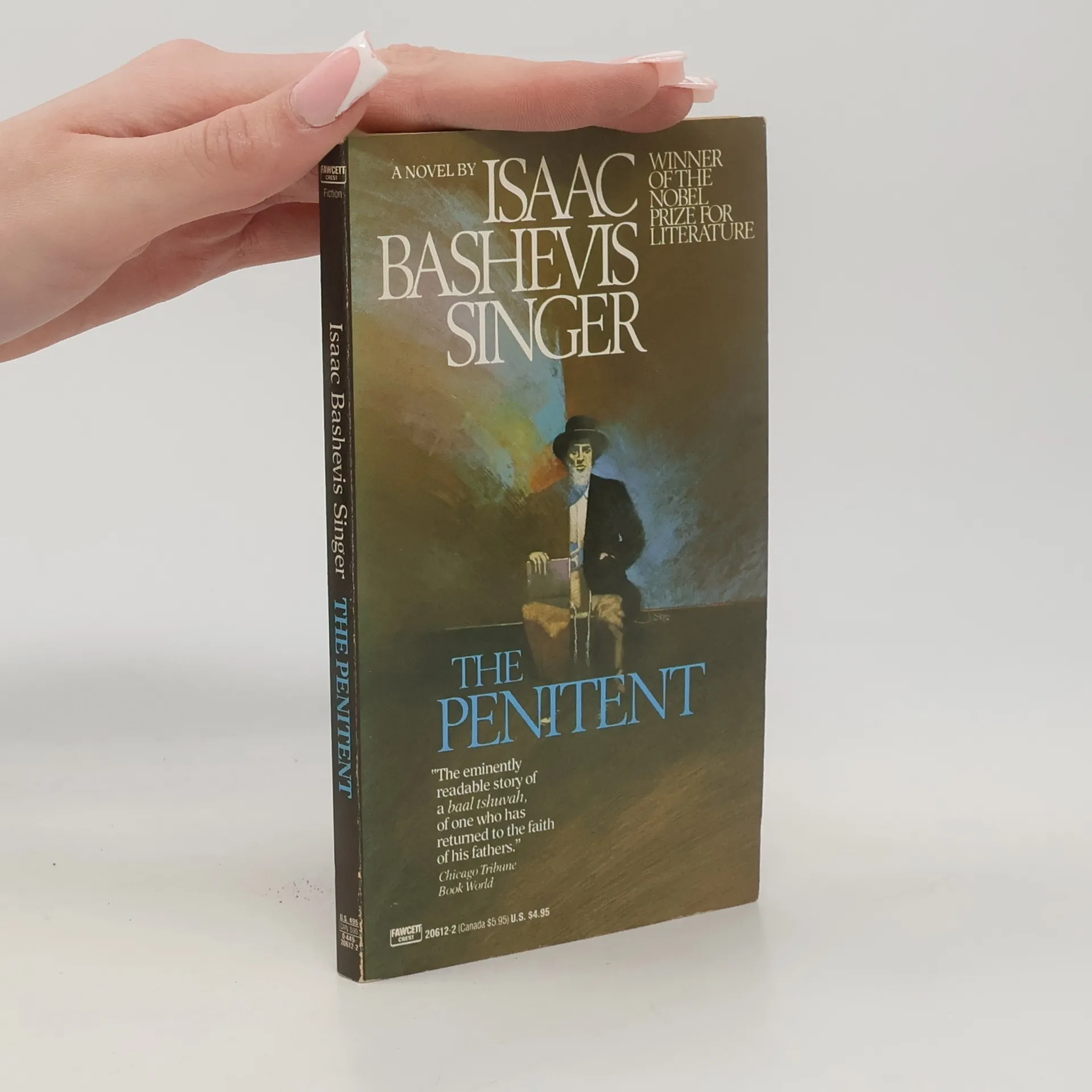
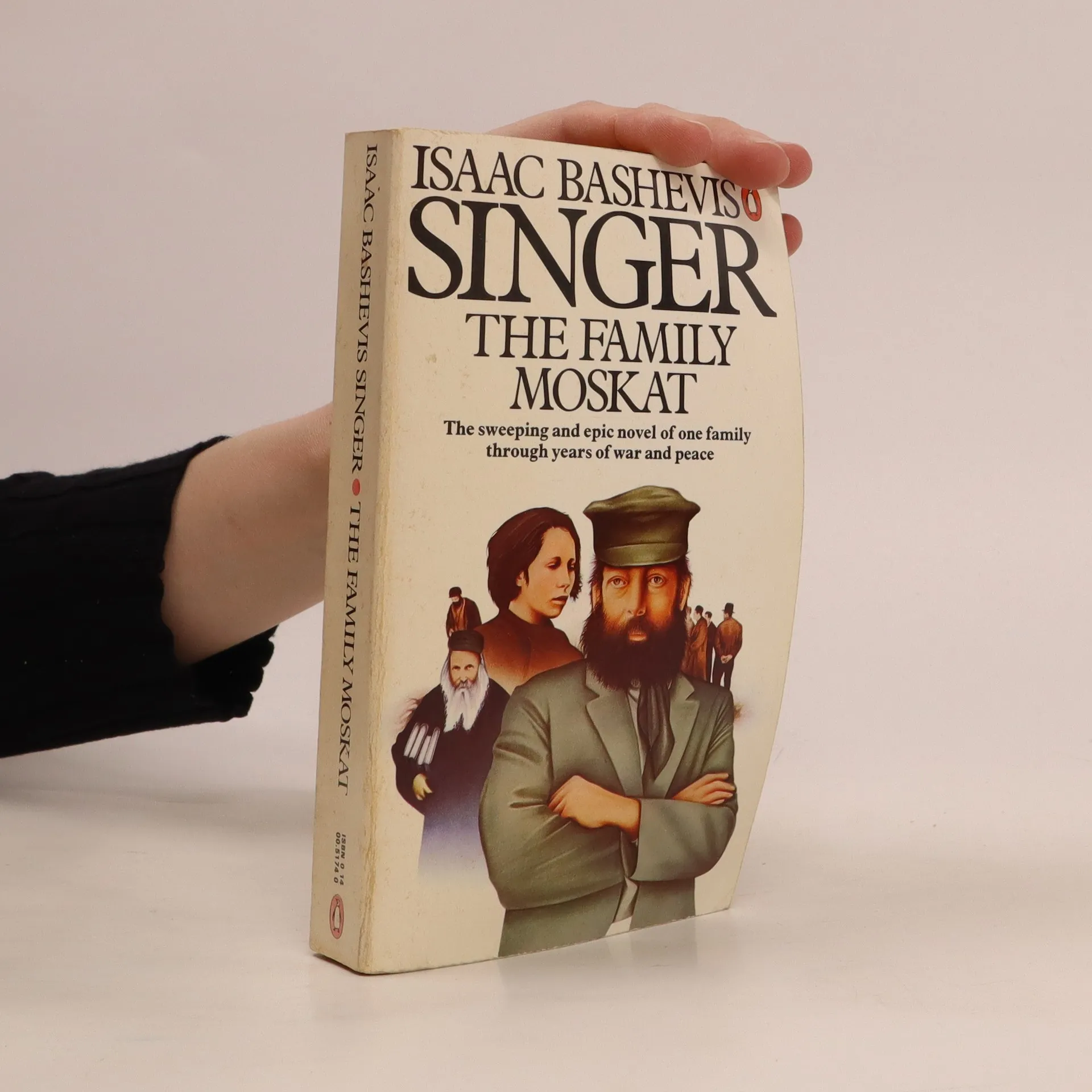
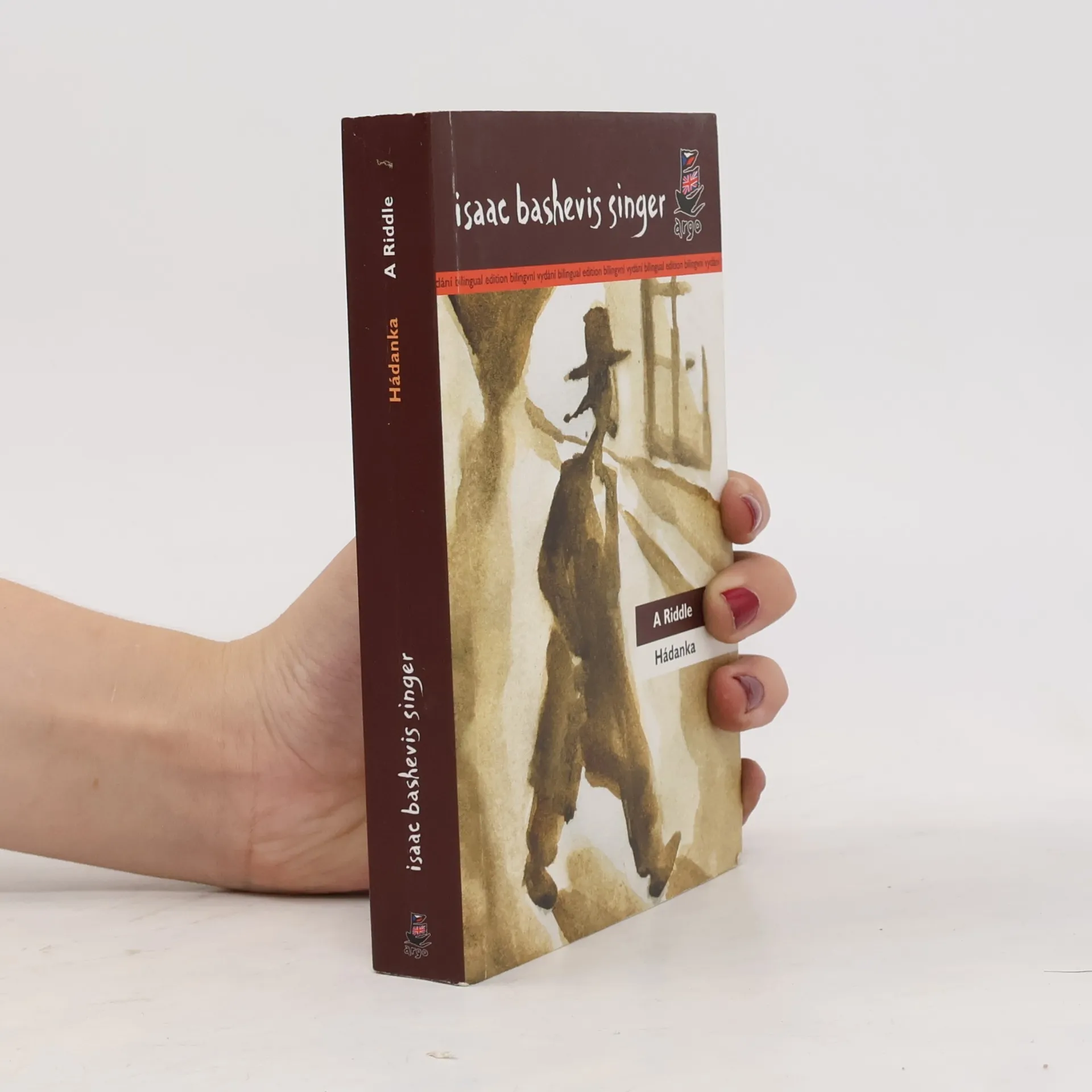
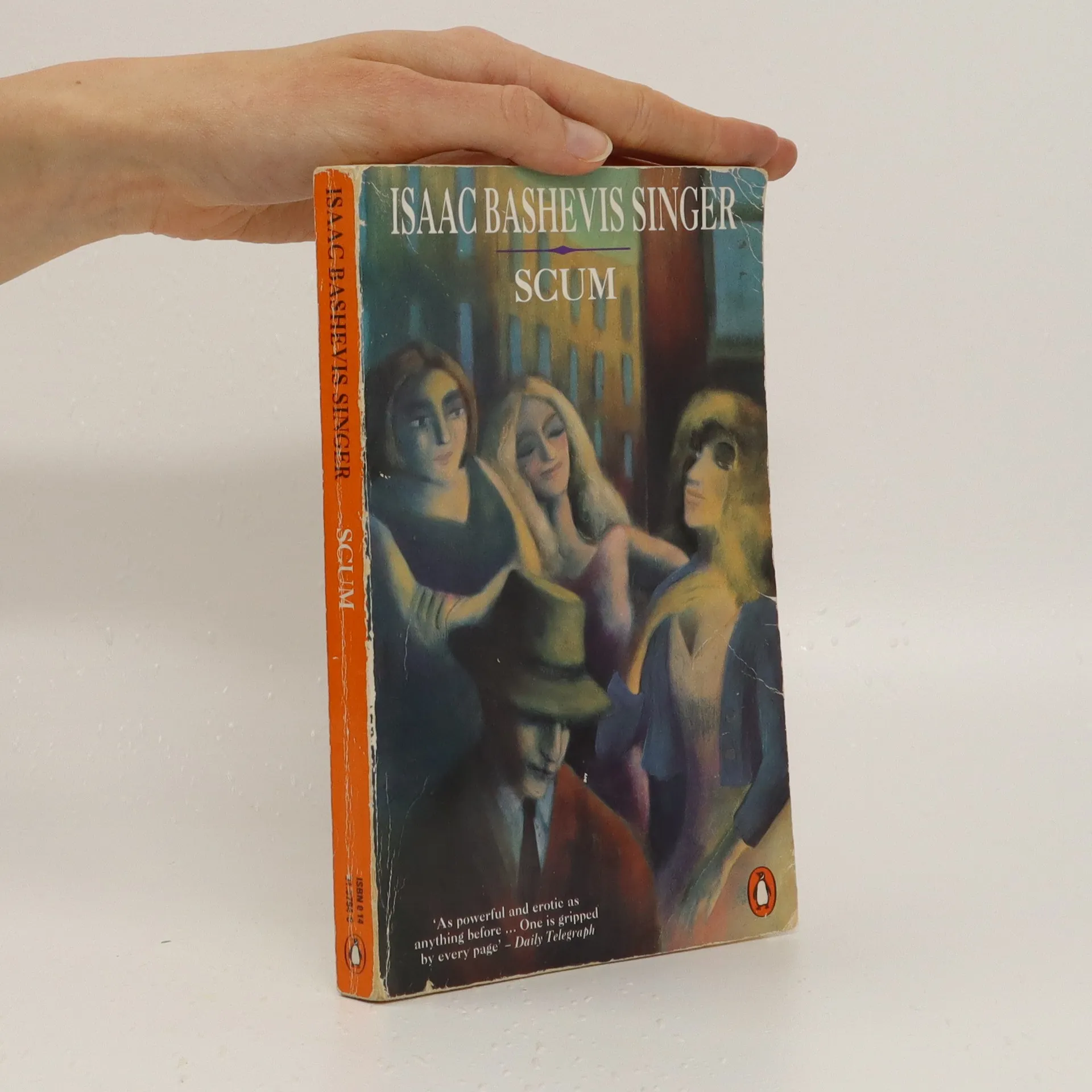
Urząd mojego ojca
- 340 stron
- 12 godzin czytania




Love and Exile contains the three volumes of the Nobel Prize Winner's spiritual autobiography, covering his childhood in a rabbinical household in Poland, his young manhood in Warsaw and his beginning as a writer, and his emigration to New York before the outbreak of war, with the concomitant displacement of a Yiddish writer in a strange land.
Meszuge - czyli szalony, zwariowany, obłąkany - jest w tej powieści zarówno świat, jak i ludzie, którym przyszło w nim żyć. Szalony jest los, wystawiający bohaterów na zbyt trudne próby, którym nie potrafią i, być może, nie są w stanie sprostać, szalone i nieodgadnione są namiętności, które nimi powodują, szalone są ich nadzieje i złudzenia. Ta niezwykła książka, której akcja rozgrywa się w Nowym Jorku lat pięćdziesiątych, opowiada o miłosnym trójkącie (czy może nawet pięciokącie), którego jednym z wierzchołków jest młoda emigrantka z Polski.
M.in. realia miejscowości Lubelszczyzny.
Isaac Bashevis Singer uwielbiał udzielać wywiadów. Te dwadzieścia cztery rozmowy są reprezentatywne dla wielu, które przeprowadził przez dwadzieścia pięć lat. W tych rozmowach Singer omawia naturę swojego pisania, jego etniczne korzenie, demonologię, znaczenie wolnej woli oraz miejsce opowiadania historii w ludzkim życiu. Wywiady z Singerem ujawniają zarówno jego figlarny sens humoru, jak i determinację, która towarzyszyła mu przez wiele lat ograniczonego uznania i względnego zaniedbania przez krytyków. Yiddishści często zarzucali mu, że nie wykorzystuje swojego talentu jako siły do zmiany świata, czytelnicy żydowscy często ubolewali nad jego wykorzystaniem materiałów ludowych sprzed Oświecenia, a akademicy nie mogli traktować zbyt poważnie pisarza, który nalegał na opowiadanie historii podkreślających fabułę i postacie. Mimo to nie zniechęcił się do swojej zdumiewającej i ukochanej pracy, za którą otrzymał Nagrodę Nobla.
"Dwór" to wspaniałe malowidło, jedno z najbarwniejszych w całej twórczości Singera. Autor portretuje skupione wokół patriarchy i mistrza mikrośrodowisko, które stanowi jak gdyby modelowy przykład obyczajowości i kultury małego żydowskiego miasteczka. Nieporównane, błyskotliwe, a zarazem pełne życzliwej wyrozumiałości poczucie humoru pisarza, obrazowość jego stylu, a przede wszystkim głęboka wiedza o psychice i duchowości człowieka sprawiły, że powieść urzeka i wzrusza dzisiejszego czytelnika, którego Singer wprowadza w świat bezpowrotnie unicestwiony przez totalną zagładę, wskrzeszony pod piórem noblisty w całej swej ludzkiej prawdzie.
As messianic zeal sweeps through medieval Poland, the Jews of Goray divide between those who, like the Rabbi, insist that no one can "force the end" and those who follow the messianic pretender Sabbatai Zevi. But as hysteria and depravity increase, it becomes clear that it is not the Messiah who has come to Goray.
"Shosha" to poruszająca, liryczna historia miłosna osadzona w żydowskiej Warszawie na progu jej zagłady. Aaron Greidinger, aspirujący pisarz jidysz i syn znakomitego rabina chasydzkiego, zmaga się z wiernością swojej sztuce, gdy staje przed szansą na bogactwo i paszport do Ameryki. W miarę jak on i reszta Klubu Pisarzy w przerażeniu czekają na inwazję nazistowskich Niemiec na Polskę, Aaron na nowo odkrywa Shoshę, swoją miłość z dzieciństwa, która wciąż mieszka na ulicy Krochmalnej, wciąż tajemniczo dziecięca, czekająca na niego przez te wszystkie lata.
Da en ung, kvindeglad jødisk forfatter i Warszawa 1922 får mulighed for at emigrere til Palæstina, må han finansiere rejsen ved at indgå proforma-ægteskab med én af de tre kvinder, han har et forhold til
En overmodig og succesrig polsk jøde fra forrige århundrede mister gennem sine løgne, sin udstråling og dermed sin magt over kvinder og sit publikum
Collection of stories from winner of the Nobel Prize for Literature.
Offers an exploration of primitive history. This title portrays an era of superstition and violence in a country emerging from the darkness of savagery. It describes the brutality, prejudice and subjugation that occur when hunter- gatherers and farmers struggle for supremacy over the land.
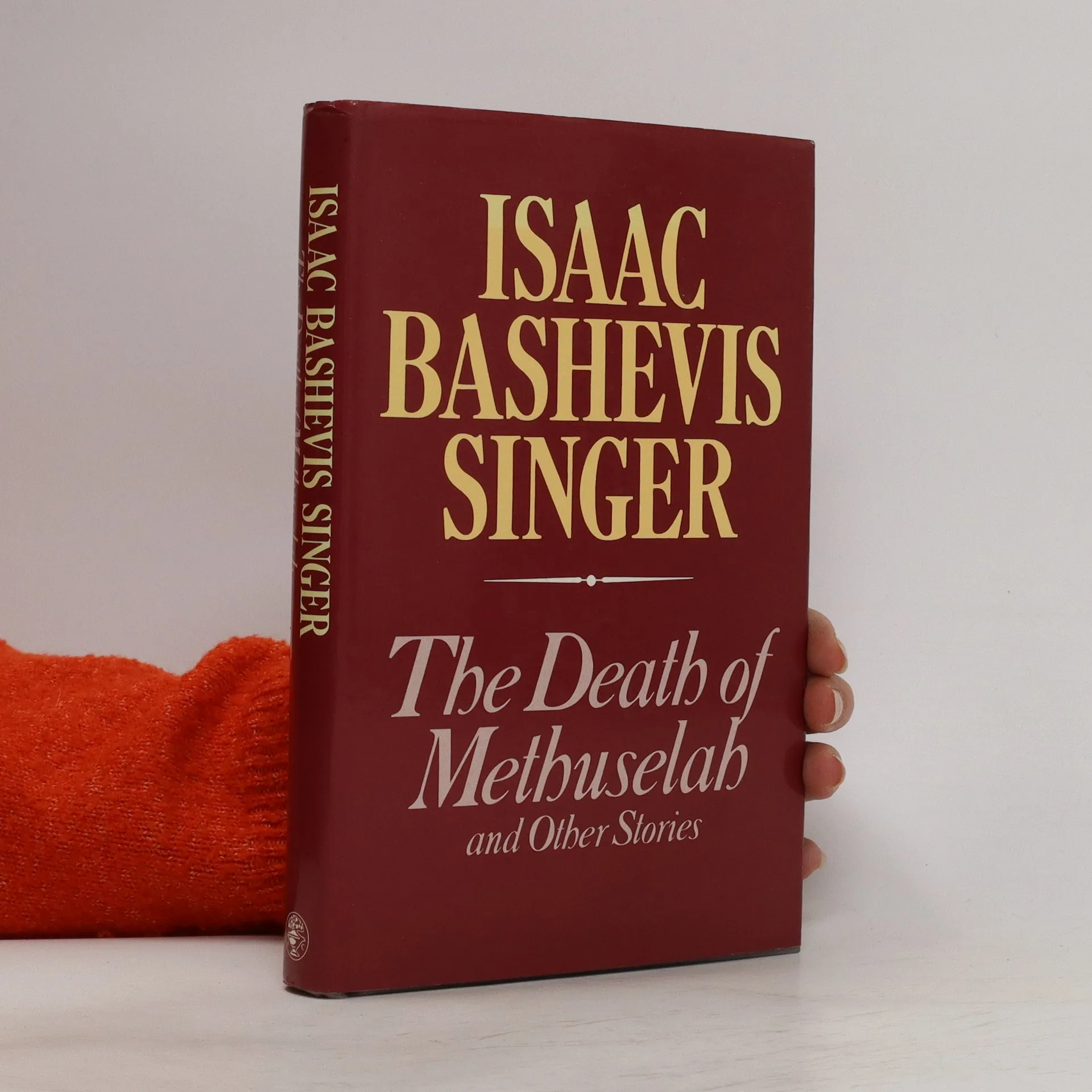
Winner of the Nobel Prize for Literature in 1978 and renowned as a great storyteller, the author has now published a new collection of 20 stories. In the title story Methuselah is 969 and longs for death at the very moment when the Deluge is about to be unleashed.
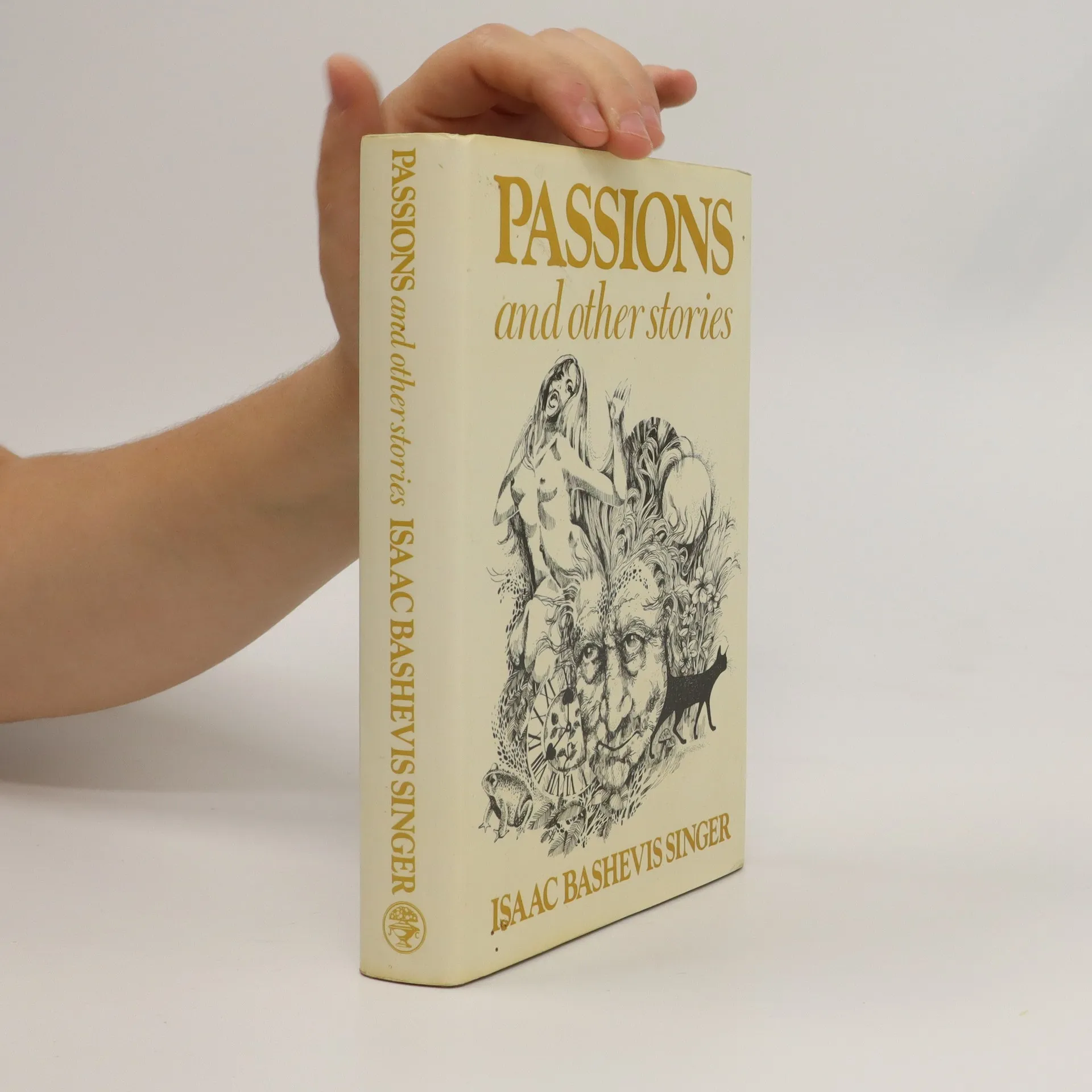
These richly hypnotic tales enfold the reader into Isaac Bashevis Singer's special world of imps, demons, lovers, and other mischievous creatures. His world is a world of feelings, driven by lust, lechery, greed, madness, and love. All of his creatures are seen with a clear but loving eye; all seem and are in fact possessed by good and evil, caught in fascinating dilemmas, now terrible, now wryly comic. Here is a dazzling new collection of stories from the fertile genius of Isaac Bashevis Singer, one of today's most entertaining and original writers. (from back cover)
Beautiful stories from the new and old worlds, infused with autobiographical elements. "Everything can become a passion," states the title story, and the protagonists of Isaac B. Singer provide ample evidence of this. This collection gathers tales of Jewish destinies in both the new and old worlds, focusing on individuals filled with fears and hopes. The Dibbuk often plays a crucial role, predominantly possessing female characters and transforming them into the obsessed. "The longer I live among them [the Jews of Eastern Europe] and write about them, the greater my astonishment at the diversity of their personalities and, as I am one of them, at my own whims and passions. And while I hope for their redemption and resurrection, I dare to say that for me all these people are still alive. In literature, as in our dreams, there is no death." Isaac B. Singer
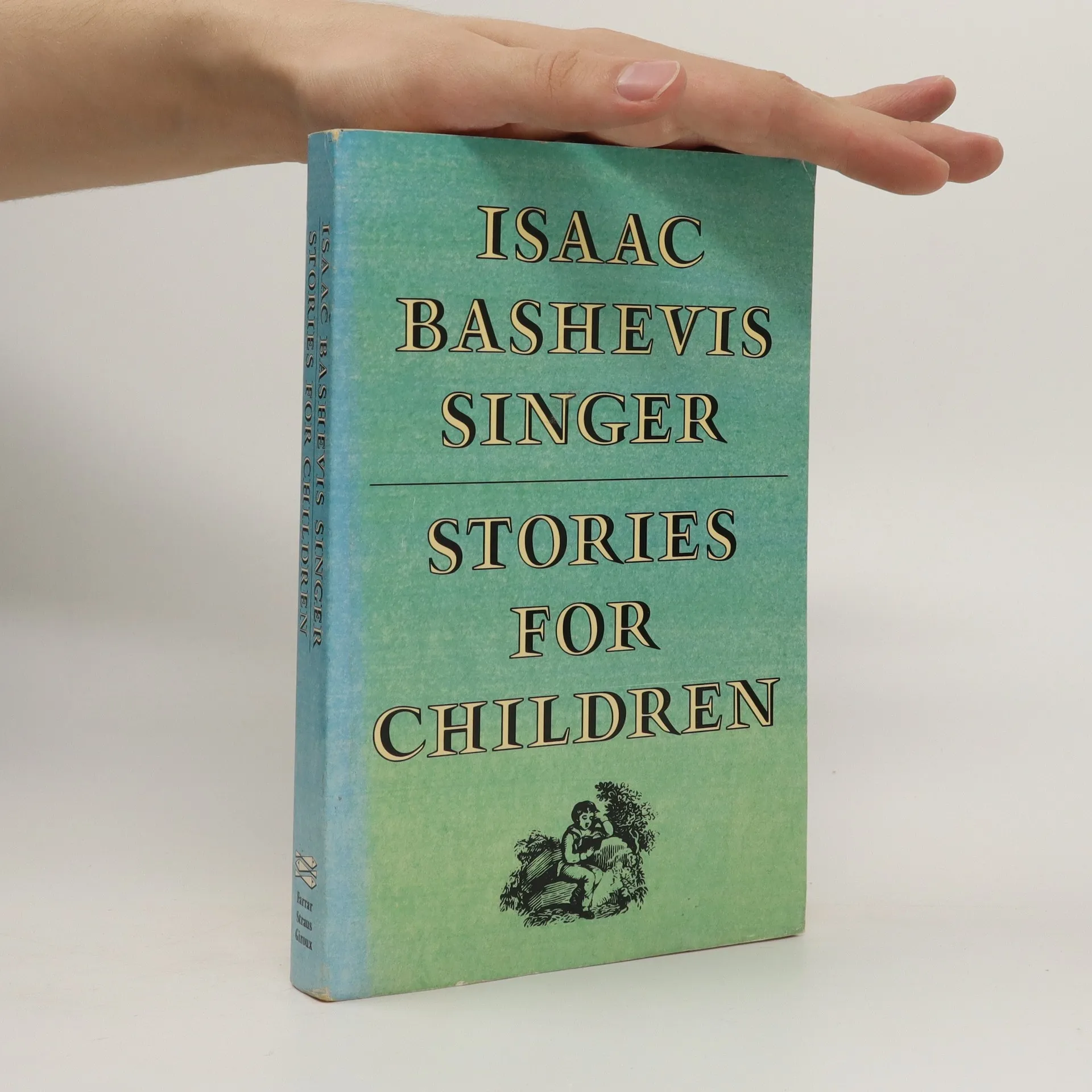
Rich in fantasy and rooted in Polish cultural tradition, this collection showcases the children's stories of Isaac Bashevis Singer, who began writing for young readers at sixty-two. Included are timeless tales, many appearing in book form for the first time, all translated from Yiddish under the author's supervision. The volume features an introduction and a special epilogue discussing children's perspectives on literature, making it a unique addition to any child's bookshelf.
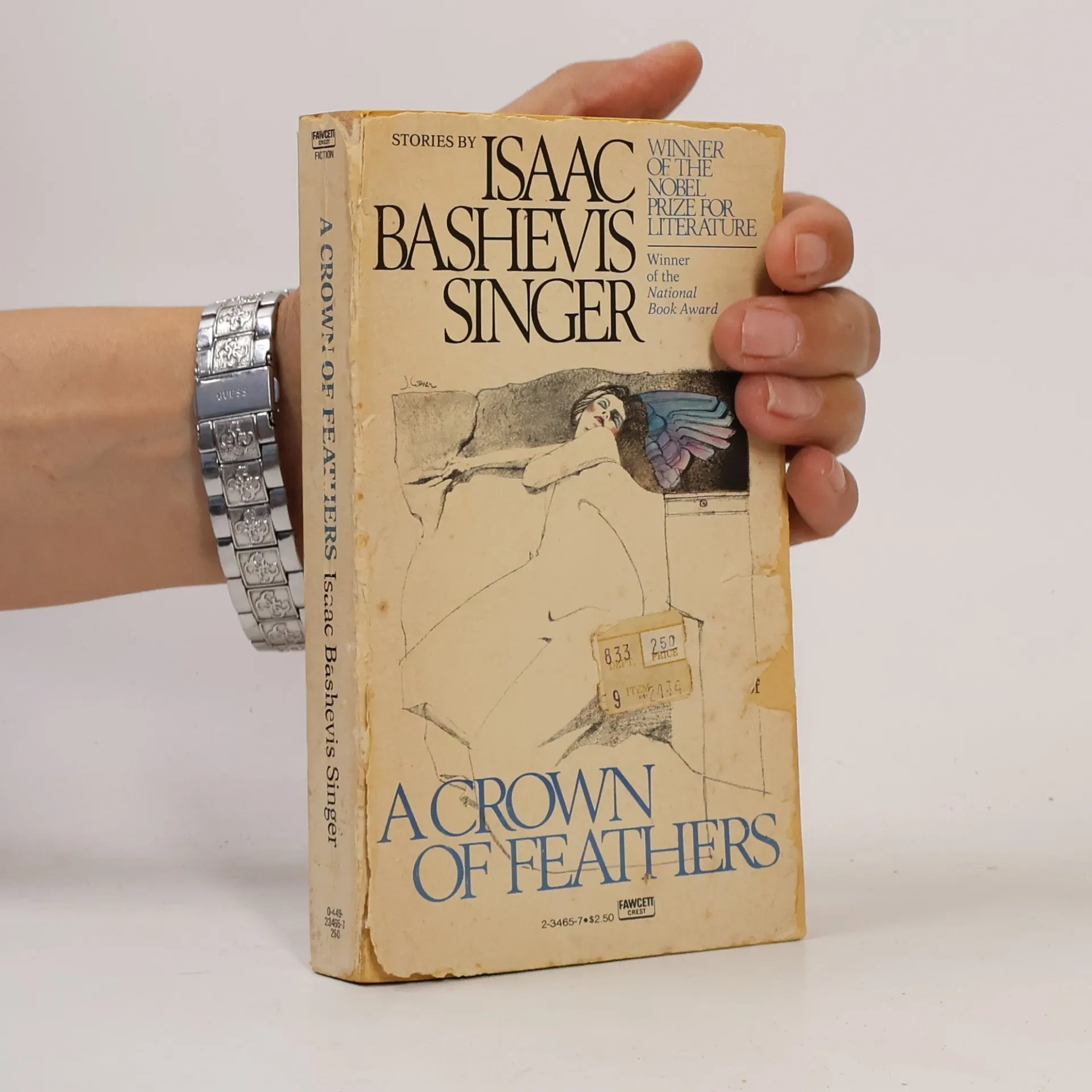
A collection of short stories by a miraculous writer who can chill the spine, gorge the senses, and enlighten the heart as he describes a people and a way of life.
Join Singer in his magical, mystical world where devils have bat wings and cobwebbed feet. Where scholarly Jews fall under Satan's spell and women are driven by lust and nightmares. And where men who die somehow remain alive.
Seeking an escape from his unfaithful wife, mistress, and her greedy daughter, prosperous Joseph Shapiro journeys from America to Israel to find salvation and meaning in the traditional Jewish way of life
Beretning om en rig jødisk slægt i Warszawa gennem et par generationer frem til krigens begyndelse i 1939
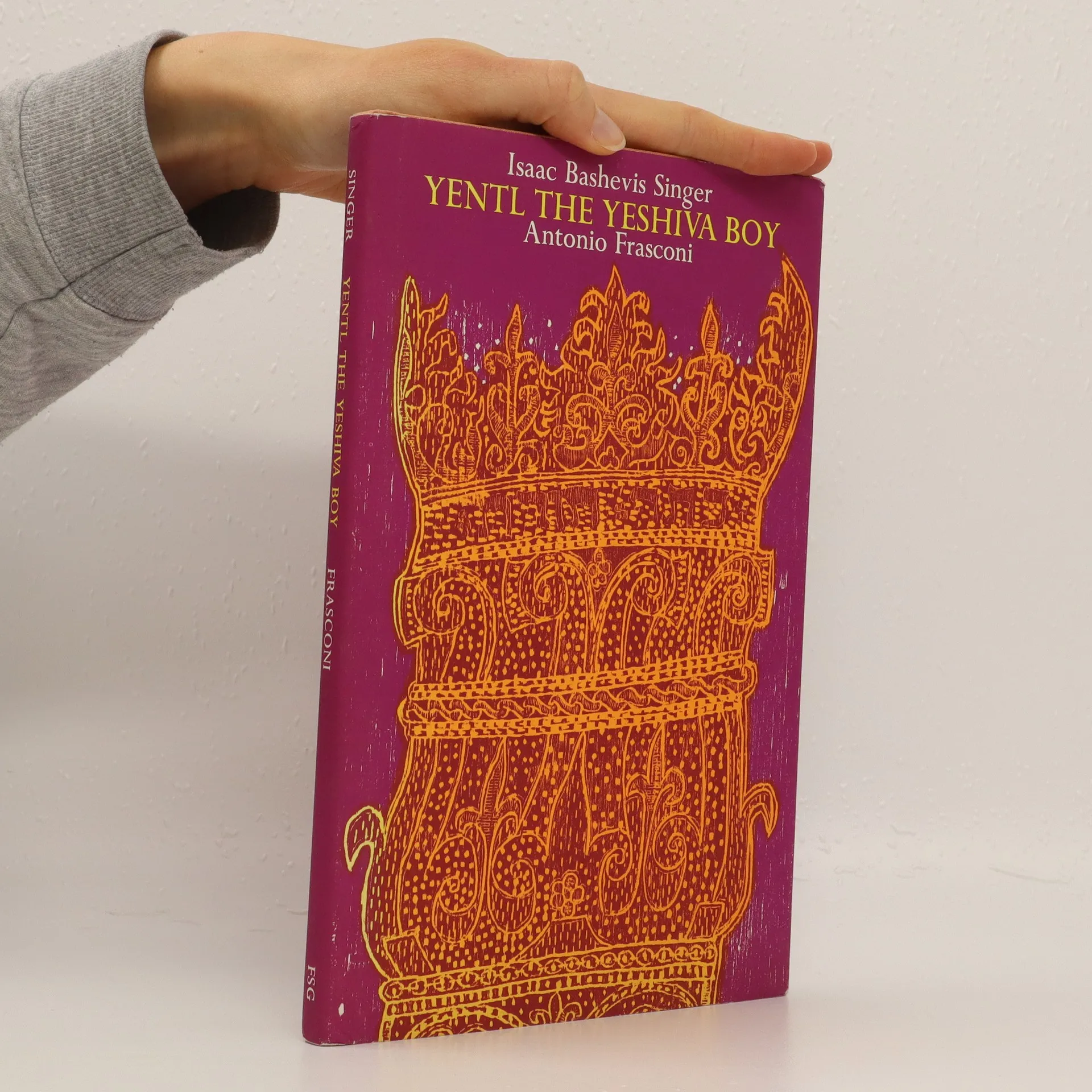
A drama set against the background of 17th century Poland. It is a love story rooted in the folklore of the period. The author also wrote "The Magician of Lublin", "Old Love", "Shosha", "The Estate", "Family Moskat" and "The Image and Other Stories".
Tento výbor se snaží být reprezentativním vzorkem Singerovy povídkové tvorby a jsou tu zastoupeny jak jeho duchařské povídky, tak ty, které líčí obyčejné – třebaže neobyčejné – lidi. Setkáme se tu tedy s takovými postavami jako s prostou Tajbele a jejím záhrobním nápadníkem, s jurodivým newyorským impresáriem Šlojmelem, s nenapravitelným rouhačem Chazkelem, s krásnou, ale smutnou štamgastkou bistra Ester a jinými, jejichž osudy nás okouzlí i hluboce dojmou.
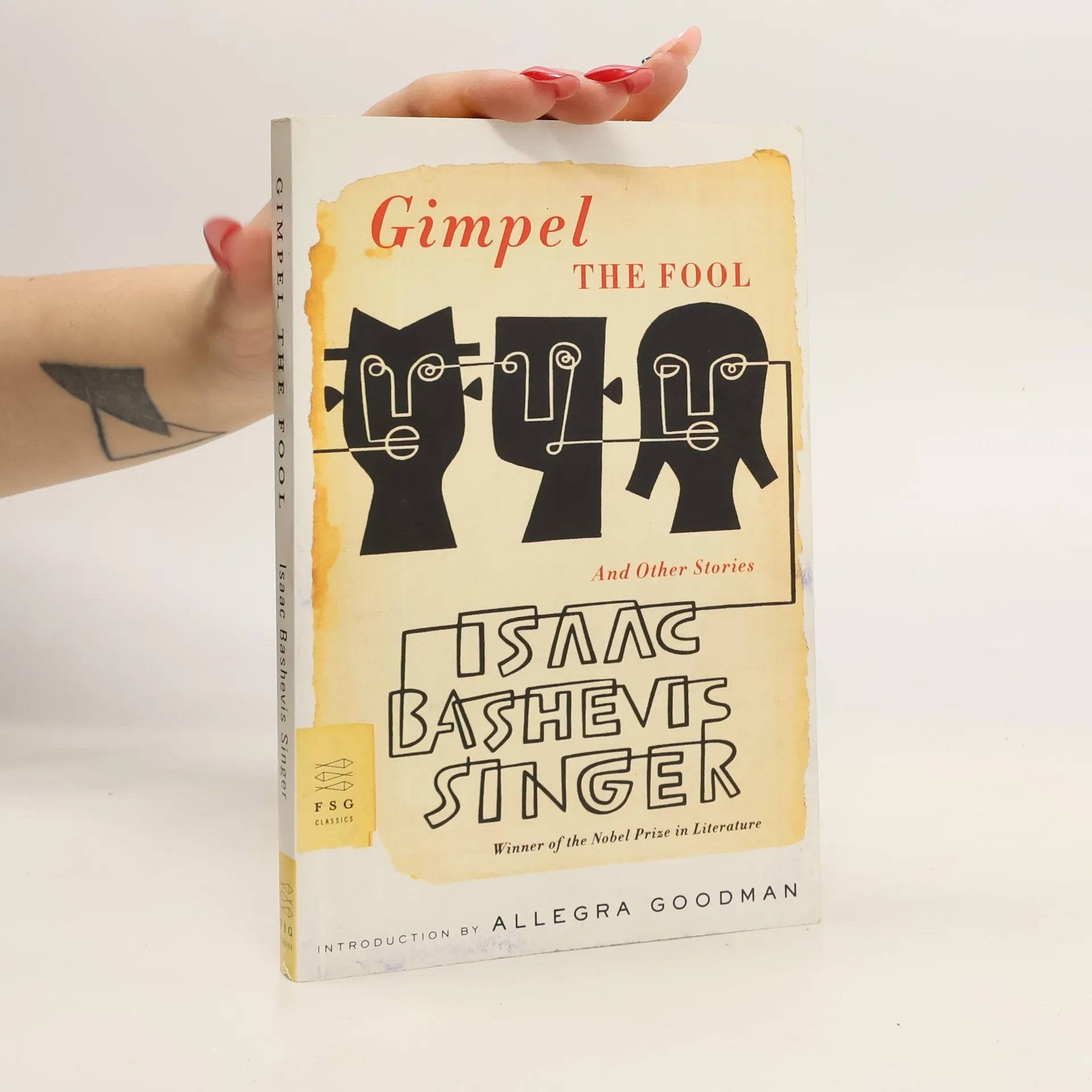
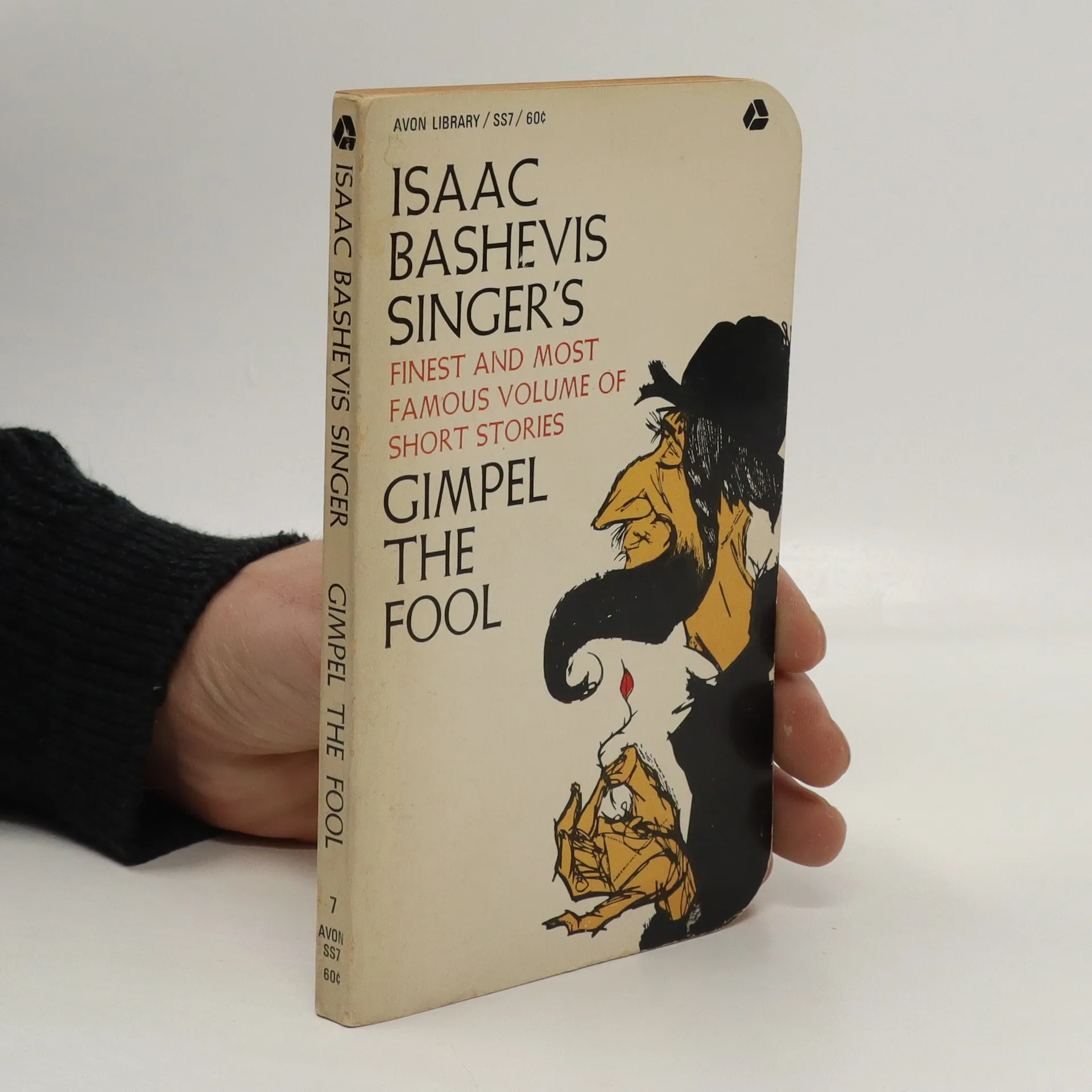
Isaac Bashevis Singer’s first collection of stories, Gimpel the Fool, is a landmark work that has attracted international acclaim since it was first published in 1957. In Saul Bellow’s masterly translation, the title story follows the exploits of Gimpel, an ingenuous baker who is universally deceived but who declines to retaliate against his tormentors. Gimpel and the protagonists of the other stories in this volume all inhabit the distinctive pre–World War II ghettos of Poland and, beyond that, the larger world created by Singer’s unforgettable prose.
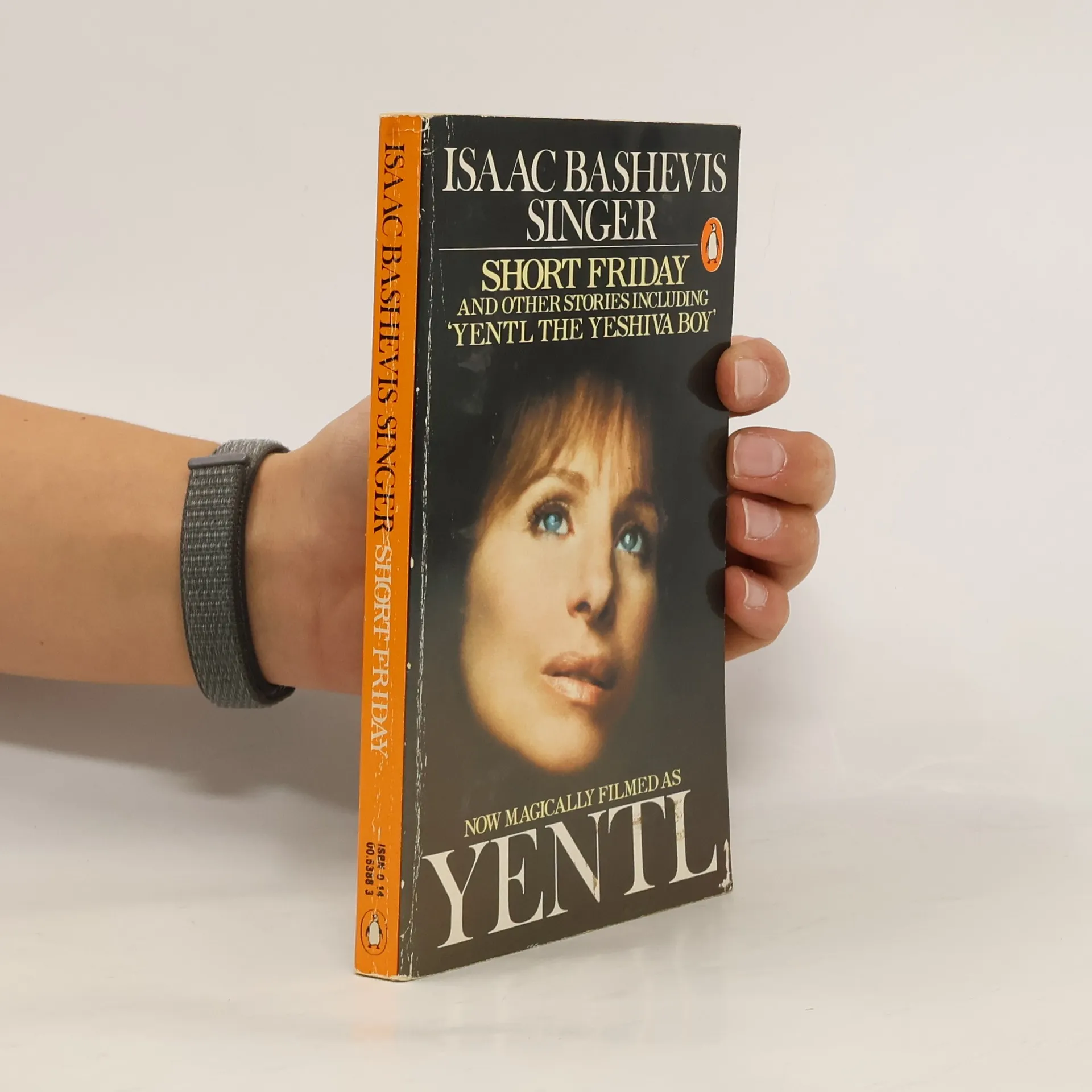
And Other Stories Including 'Yentl The Yeshiva Boy'
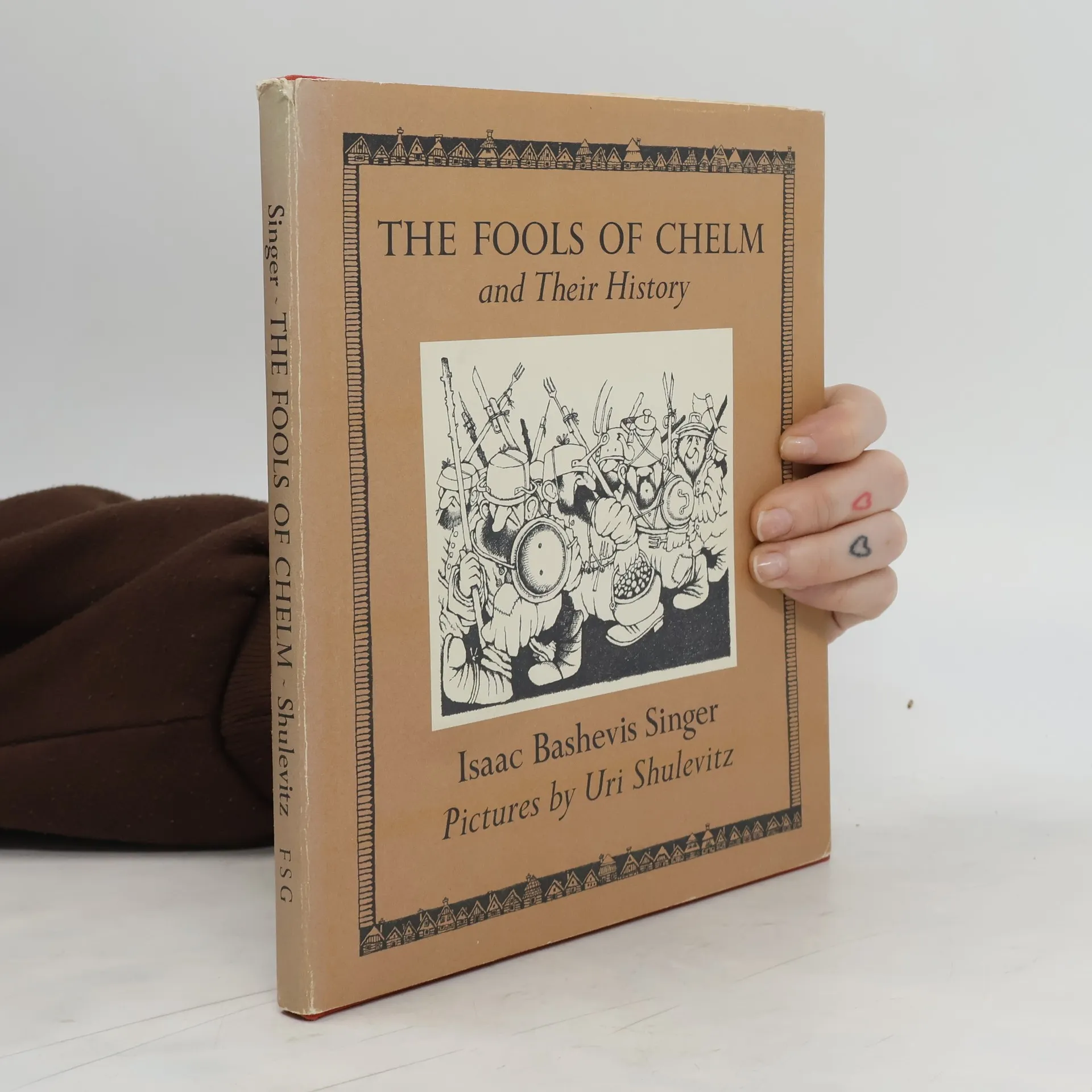
"The town of Chelm is just like every place else, only worse, as numerous shortages, foolish citizens, and inept leaders combine to make life thoroughly miserable. In this whimsical satire, Singer mocks the 'advantages'-such as war, crime, and revolution-that civilization brings to Chelm."-Booklist
This classic collection explores the varieties of wisdom gained with age and especially those that teach us how to love, as "in love the young are just beginners and the art of loving matures with age and experience". Tales of curious marriages and divorce mingle with psychic experiences and curses, acts of bravery and loneliness, love and hatred.
Focusing on the wartime writings of Nobel laureate Isaac Bashevis Singer, this collection captures the urgency and despair he felt as Yiddish culture faced annihilation during 1939-1945. Singer's prose reflects a deep commitment to preserving Yiddish customs and the profound sense of loss experienced by his community. His work serves as a poignant testament to a world in peril, showcasing his dedication to documenting a rich cultural heritage on the brink of destruction.
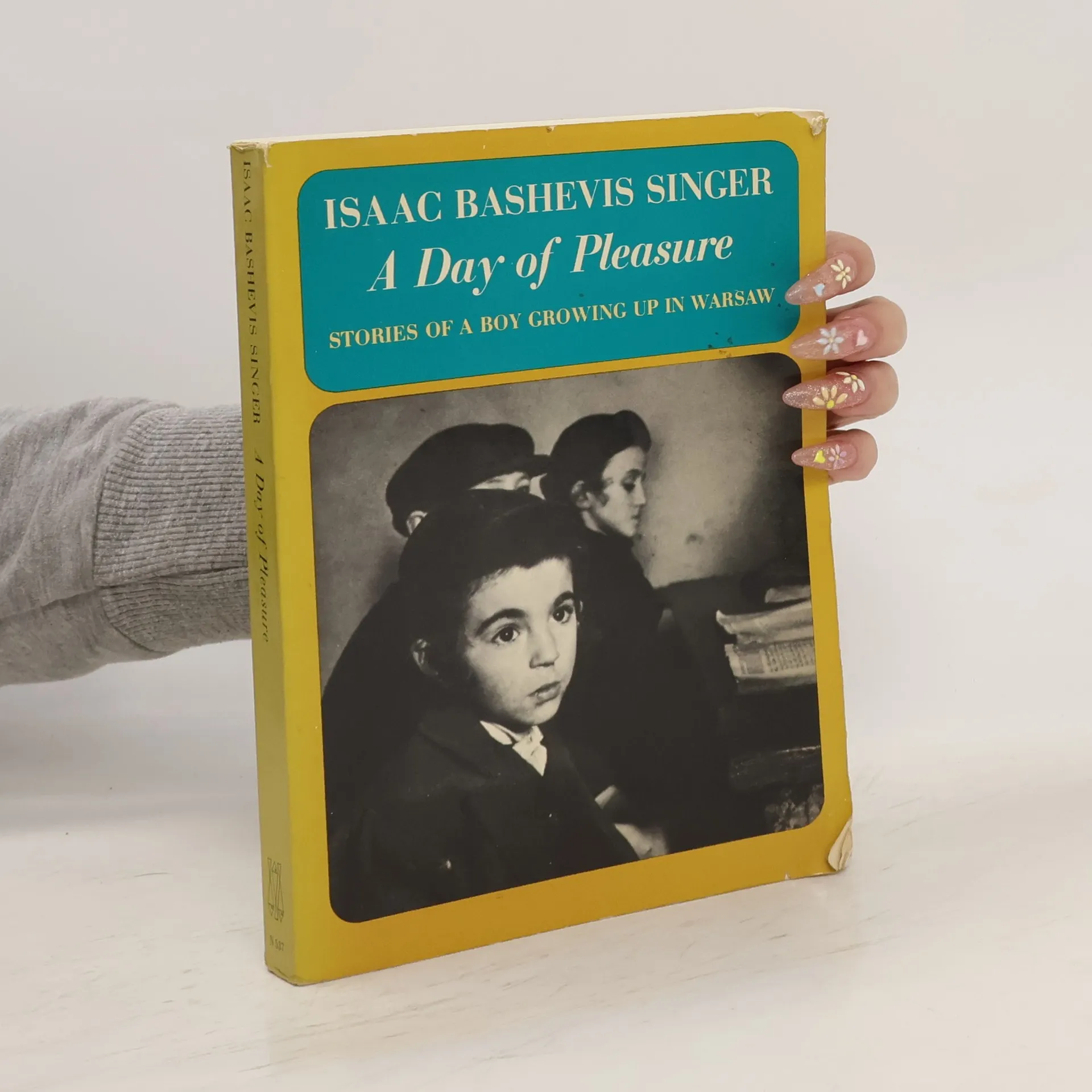
Nineteen autobiographical stories about the author's childhood in Poland from 1908 to 1918.
Almost before he knows it, Herman Broder, refugee and survivor of World War II, has three wives: Yadwiga, the Polish peasant who hid him from the Nazis; Masha, his beautiful and neurotic true love; and Tamara, his first wife, miraculously returned from the dead. Astonished by each new complication, and yet resigned to a life of evasion, Herman navigates a crowded, Yiddish New York with a sense of perpetually impending doom.
This is probably the finest collection of short stories by a writer whose name has been linked (by both The Times and the Guardian) with that of Tolstoy. He writes with equal assurance of a professor of history (St Francis to the Warsaw pigeons), a coal-heaver, a Bohemian writer, a rich widow or a chimney sweep: and somehow, one and all, they seem to tread a precarious path between the supernatural world and the inviting pit of material reality.
Serialized in the late 1950s, "Shadows on the Hudson" was translated from Yiddish and published posthumously as a complete novel in 1998, receiving widespread literary acclaim.From the Upper West Side to Miami's pastel resorts, Shadows on the Hudson traces the intertwined destiny of survivors in the aftermath of the Holocaust. Nobel Prize-winning author Isaac Bashevis Singer has created a vibrant, resonant, and provocative cast of characters in search of answers to life's greatest dilemmas, challenges, and ironies.
"Noah was a righteous man," says Isaac Bashevis Singer, so he and his family were to be saved from the flood. But rumor had it that only the best of all living creatures were to be taken aboard the Ark with Noah. In a fresh and lively approach to the age-old account, Isaac Bashevis Singer sets down the dialogue of the animals as they vie with one another for a place on the Ark.
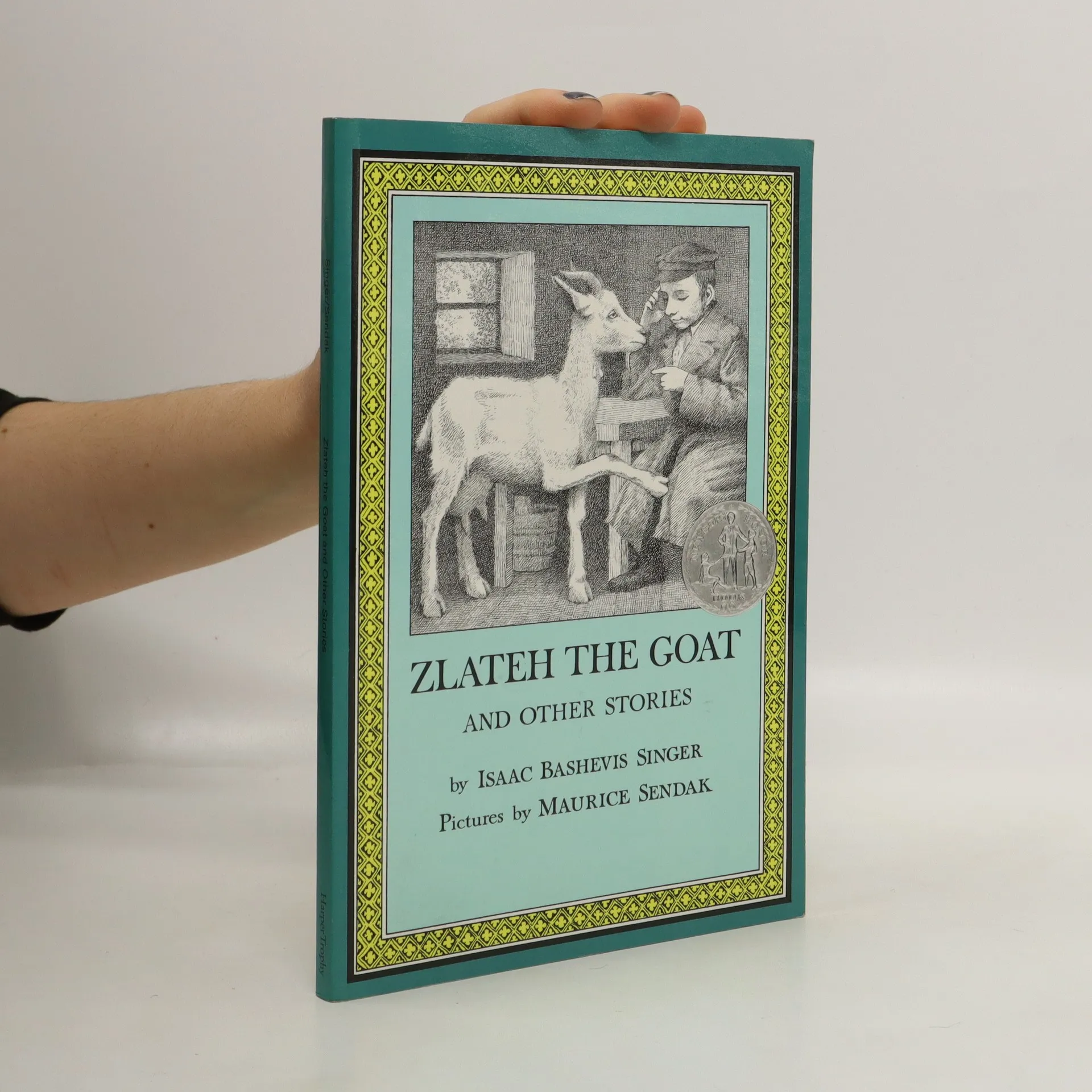
‘[A] delightful and distinguished book [of seven tales] from middle European folklore [by the winner of the 1978 Nobel Prize for Literature].’ —BL. 1967 Newbery Honor Book Notable Children's Books of 1940–1970 (ALA) 1966 Fanfare Honor List (The Horn Book) "Best of the Best" Children's Books 1966–1978 (SLJ) Best Illustrated Children's Books of 1966 (NYT) Children's Books of 1966 (Library of Congress) Children's Books of the Year 1966 (CSA)
At age 82, Clifton Fadiman continues his prolific publishing career, here presenting 62 of the world's best short stories from 16 countries. His criteria? "Each story had to be both interesting and of high literary merit." Fadiman fulfills both requirements and much more, offering a cornucopia of superior 20th-century writers that includes Franz Kafka, D. H. Lawrence, Isaac Babel, F. Scott Fitzgerald, William Faulkner, Ernest Hemingway, John Cheever, Sean O'Faolain, Graham Greene, Robert Penn Warren, Colette, John Updike, Donald Barthelme, and James Thurber. (Regrettably, J. D. Salinger is not included due to lack of permission.) Here is a truly remarkable collection of this century's short stories that readers from all over the world will read with delight.
A collection of eighteen essays that represent Singer's fullest treatment of topics he engaged with throughout his life. Most of the selected essays were originally published in Yiddish or delivered as lectures but have never been published in English before
Bardzo jestem do tej książki przywiązany, często do niej wracam. Philip Roth, klasyk amerykańskiej literatury, w dialogu z pisarzami i malarzem, których dzieło i postawa były dla niego inspiracją. Ten wielki powieściopisarz potrafił zaangażować się na rzecz innych twórców, pokazać ich magię, geniusz ich dzieła. Imponuje mi postawa Rotha, altruizm i szacunek artysty, wręcz podziw, dla innych artystów. Jakie to dziś wyjątkowe w narcystycznym świecie sztuki, jak piękne! Książka Rotha to opowieść o pokrewieństwie dusz, wdzięczności i poczuciu wspólnej misji. Jej bohaterów łączy walka z antyhumanitarnymi ideologiami XX wieku, walka z pogardą dla innego, z rasizmem, z antysemityzmem. Ponadczasowe dzieło bez humanistycznej wizji nie istnieje. A każdy pisarz czerpie z uniwersalnego dziedzictwa literatury, które jest sumą indywidualnej odwagi wielu wybitnych artystów. Philip Roth czuł się obywatelem tej wspólnoty losów (nie tylko pisarzy) i chciał, abyśmy także my mieli świadomość, że możemy być jej częścią. Basil Kerski
I 1906 vender en velhavende jøde fra Argentina tilbage til Warszawa, hvor han opsøger forbryderkvarteret og roder sig ind i en masse forviklinger
Nobel Prize-winner Isaac Bashevis Singer is best remembered for his short stories, which drew on traditions of folk tales and Yiddish culture to explore good and evil, passion and restraint, religious fervour and personal failings with wisdom, wit and humanity. The three collected here, about a girl who pretends to be a man to study the Torah, a frustrated demon and a writer trying to understand a Holocaust survivor, illuminate eternal themes with supernatural grace.
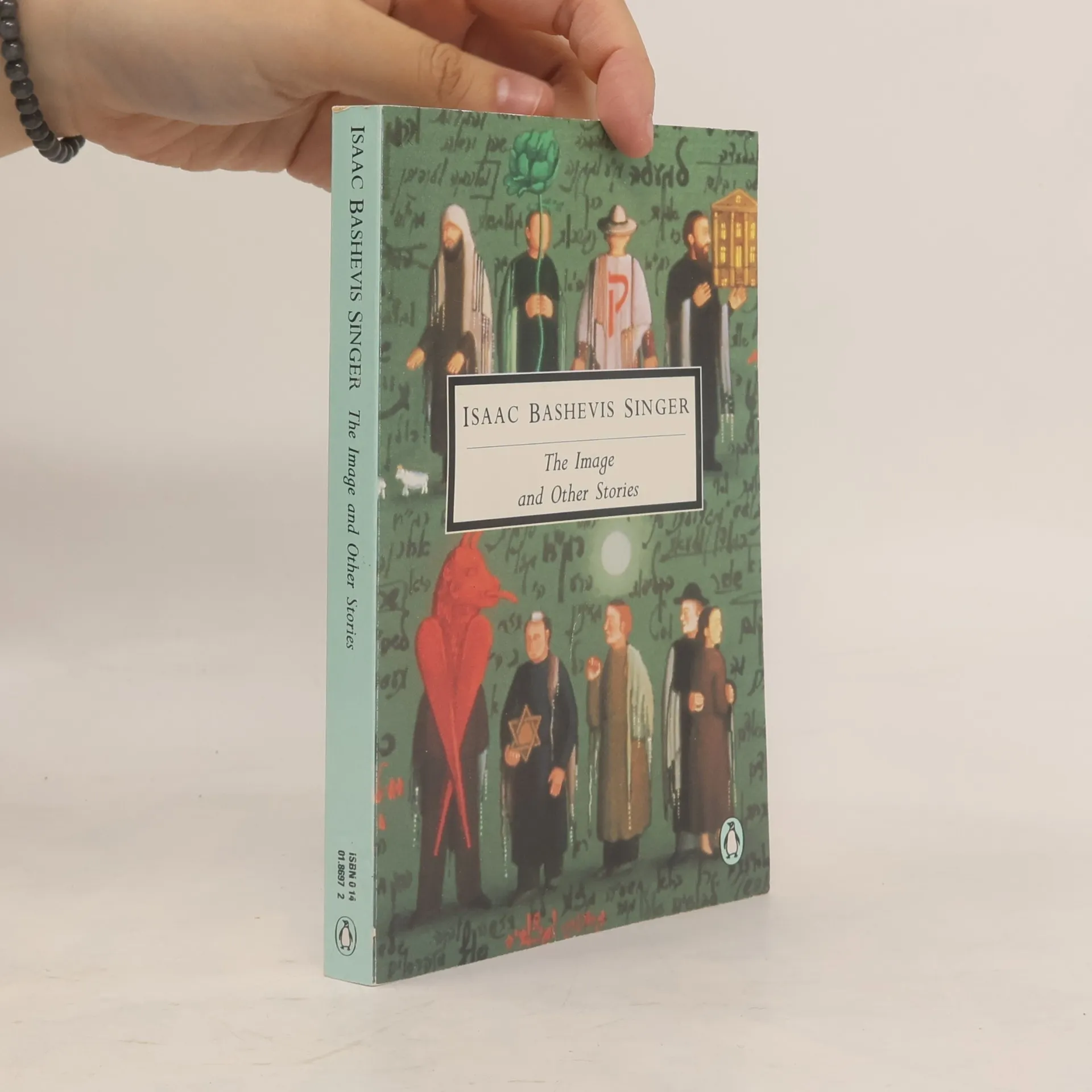
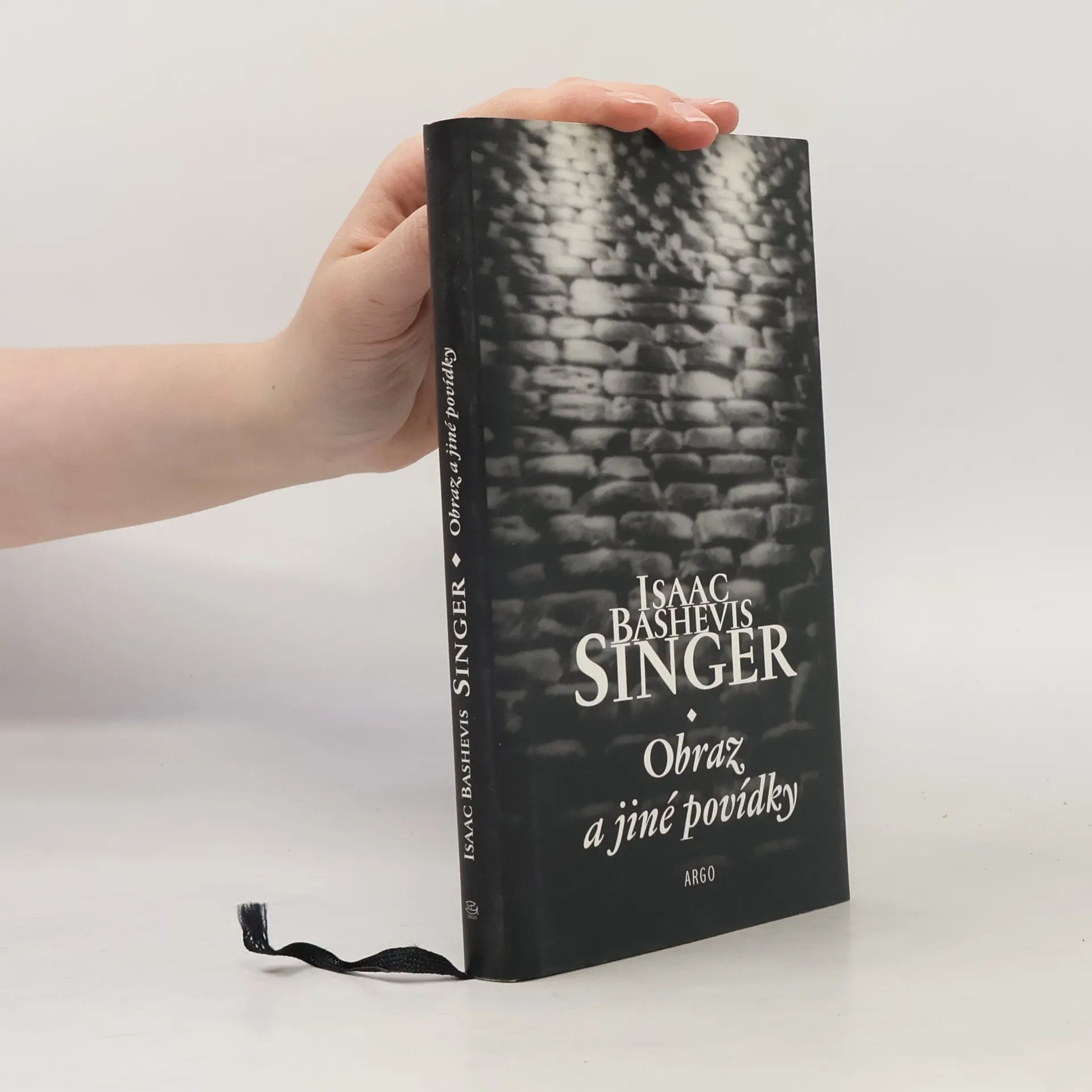
The Image is a collection of twenty-two entertaining stories that range in time from the old days in Warsaw to recent years in America. The title story is haunted by a unique love that falls like a shadow between a newly married couple.
Kniha obsahuje celkem osm krátkých próz: povídek z Chelmu, města hlupáků, pohádek a židovských legend, které mladšímu (i staršímu) čtenáři přiblíží židovský svět.
Rozsáhlý výbor dvaačtyřiceti próz sleduje tři základní tematické okruhy Singerova díla: život zaniklého světa židovské diaspory na polském venkově a varšavské periferii počátkem 20. století, intelektuální prostředí ve Varšavě 20. let a osudy polských uprchlíků a vystěhovalců ve Spojených státech v druhé třetině našeho století. 2. vydání
Isaac Bashevis Singers Geschichten, darunter "Noahs Taube" und "Die Narren von Chelm", sind Klassiker der Kinderliteratur. Der Nobelpreisträger behandelt grundlegende Fragen wie die Schöpfung der Welt, Gerechtigkeit und das Leben nach dem Tod in seinen heiteren Erzählungen.
Další soubor Singerových brilantních povídek. Autor na minimální ploše svým nezaměnitelným stylistickým uměním vykresluje portréty postav a postaviček, které zalidňují scénu židovského štetlu. Vybaven dokonalou znalostí lidských povah i osobní zkušeností s životem v tomto prostředí předvádí lidskou komedii nesenou lidskými slabostmi i vášněmi, touhou po druhém člověku i po Bohu, pozemským plahočením i směřováním k věčnosti.
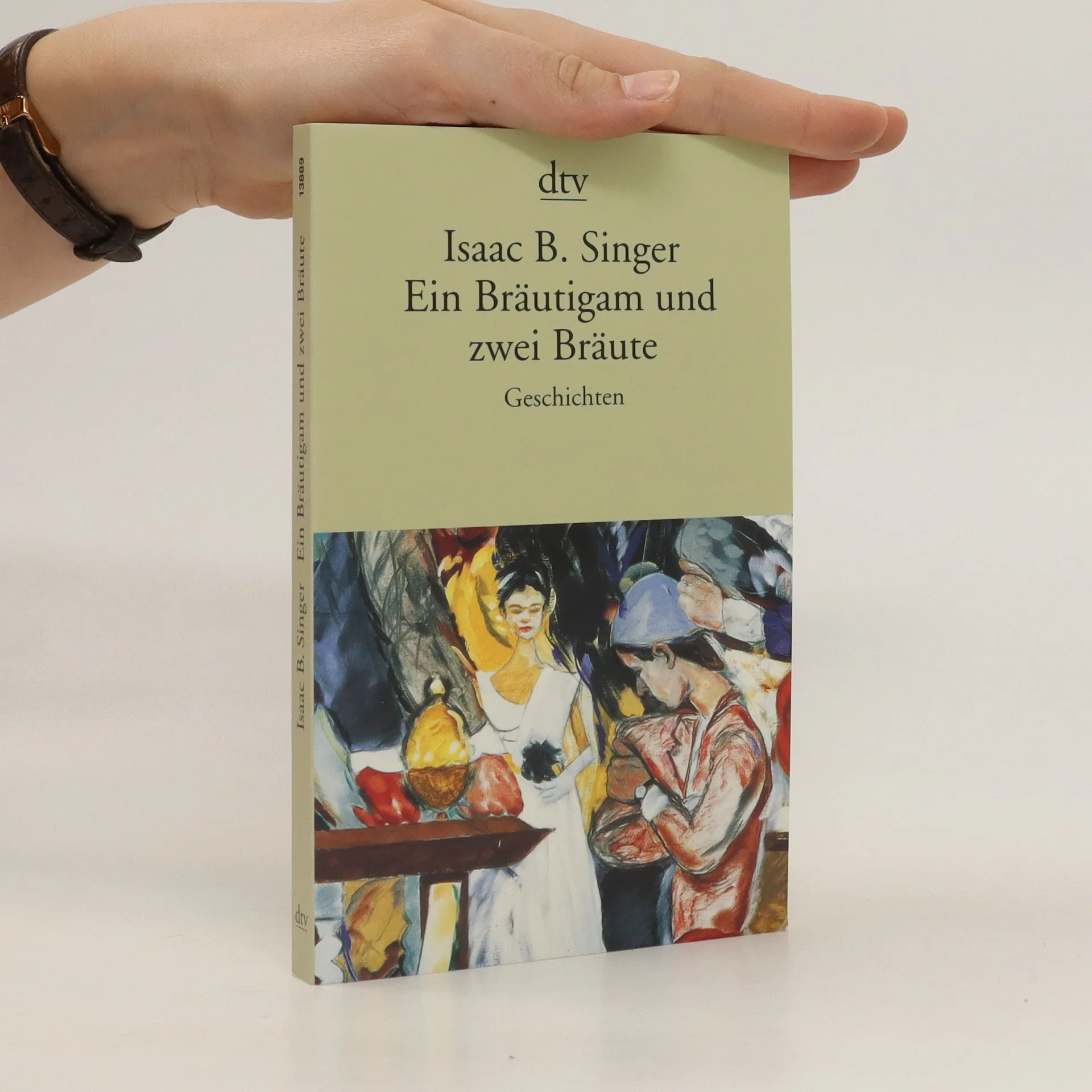
Erstmals bei dtv: In siebenundzwanzig kurzen Meisterstücken legt Isaac B. Singer eine Chronik des Ostjudentums zu Beginn des 20. Jahrhunderts vor. Wie bei seinen großen Romanen bezaubern auch hier die Fülle an exzentrischen und außergewöhnlichen Charakteren sowie der besondere Erzählton des Literaturnobelpreisträgers.
»Jentl wußte, daß sie für das übliche Frauendasein nicht geeignet war. Sie konnte weder nähen noch stricken. Sie ließ das Essen anbrennen und die Milch überkochen.« Der verwitwete Vater hat mit ihr die Tora studiert, als ob sie ein Sohn wäre. Was also liegt näher, als nach seinem Tod Haus und Mobiliar zu verkaufen und nach Lublin zu fahren, um ein Studium aufzunehmen. Doch die Talmudschule dürfen Frauen nicht besuchen, so schlüpft Jentl in Männerkleidung, legt sich eine neue Identität zu und versucht ihr Glück als Anschel. In dieser mit Barbra Streisand verfilmten Titelgeschichte wie auch in den beiden anderen Erzählungen dieses Bandes stehen zu allem entschlossene, starke Frauen im Mittelpunkt, die sich auch nicht scheuen, Konventionen in Frage zu stellen. Drei eindringliche Erzählungen um Liebe und Leidenschaft, um Tugend und Laster, um Dämonen, sündiges Leben und gnädigen Tod.
"לכל דבר אפשר להתרגל," טענה הדודה שלי ינטל. ברגע שאמרה את המילים האלה, ידעתי שהיא מתכוונת לספר סיפור. מהשטעטל עד לתאטרון היידי בניו יורק, מבית הכלא הוורשאי עד ספינת פאר המפליגה לדרום אמריקה, ממעשיות מקובלים עד הטראומה של השואה – סיפוריו של בשביס־זינגר מקיפים עולם ומלואו; והדמויות – נשות עיירה, תלמידי חכמים, גנבים קטנים ואנשי עסקים – מלאות חיים, רגשות, יצרים וספקות, וחדורות אותה רוח מפוכחת של חוכמת הדורות היהודית. בעין חדה ואירונית, ומתוך אהבה גדולה לסיפור ולמספרים, משרטט הסופר חתן פרס נובל דמויות הנאבקות למצוא פשר לעולם משתנה שדבר אינו ברור בו עוד. זוהי בעינו דמותם של היהודי בן המאה העשרים ושל האדם המודרני באשר הוא אדם.
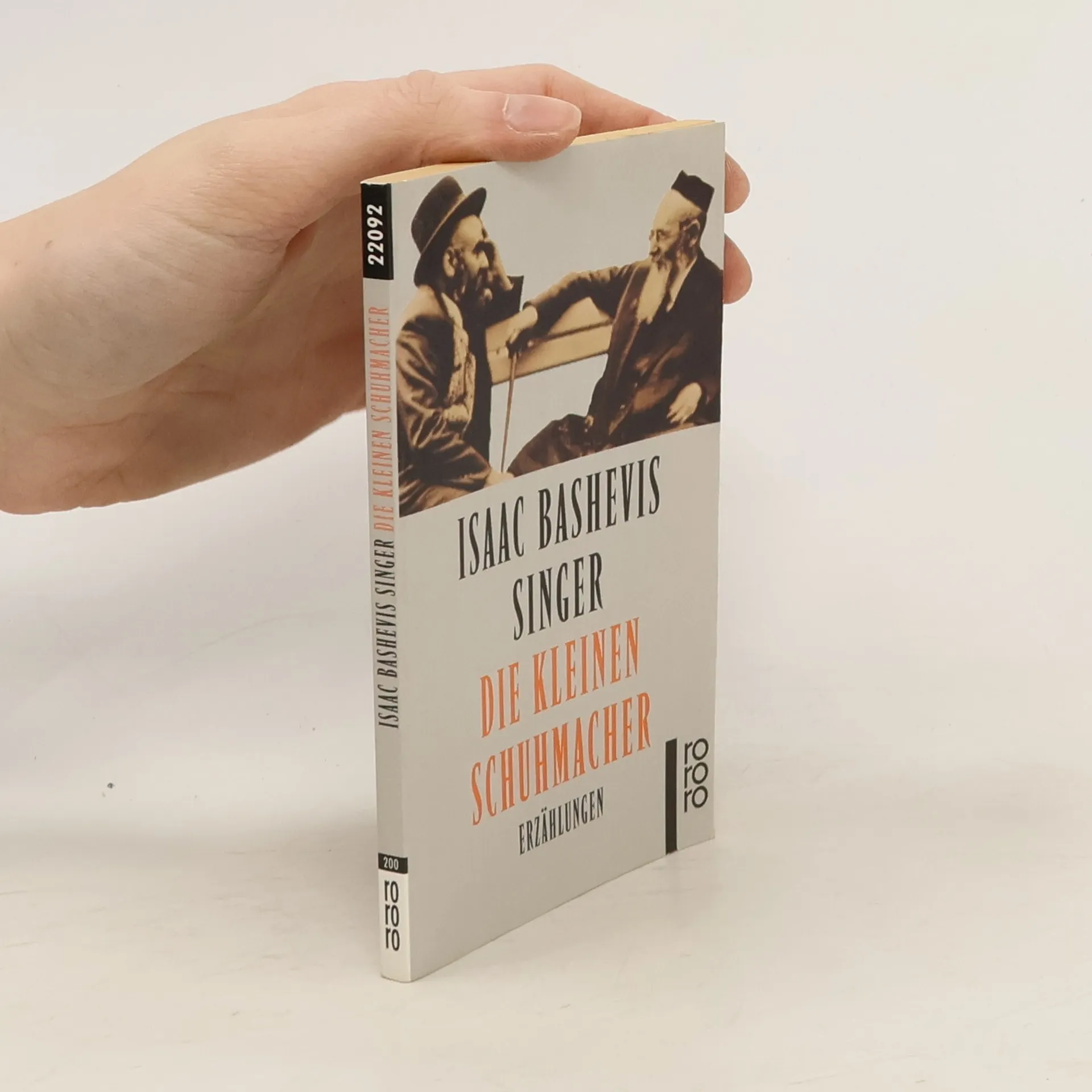
Die kleinen Schuhmacher Geschichte von zwei Lügenmäulern Gimpel der Narr
Vergnügliche jüdische Schelmengeschichten, in denen menschliche Schwächen auf die Schippe genommen werden.
Isaac B. Singer hat seine ergreifenden Liebesgeschichten im Stetl, in Warschau und in Manhattan gehört und aufgeschrieben. Es scheinen arglose und ganz alltägliche Menschen zu sein, die plötzlich von der Liebe getroffen und geschüttelt werden. Und der weise, achtzigjährige Menschenkenner schaut ihnen ins Herz und weiß auf unnachahmliche Weise noch einmal die uralte »Geschichte von Liebe und Schicksal« zu erzählen und von dem »wilden Sturm menschlicher Leidenschaften und dem Kampf mit ihnen«. »In der Tat«, sagt die NEW YORK TIMES, »jede Geschichte in diesem Buch ist eine Überraschung und hat die Frische einer kühnen Konzeption und einer unbeirrbaren Vorstellungskraft.«
Eine Entdeckung: Isaac B. Singers Märchen vom chinesischen Kaiser Tscho Tscho Schang, der auf alle neidisch ist, die nicht so hässlich sind wie er. Deshalb stellt er die Welt auf den Kopf und erklärt das Gute für gemein, das Hässliche für schön. Doch da weder die Wahrheit noch der Schönheitssinn ausgelöscht werden können, ist seiner Herrschaft ein baldiges Ende beschieden. Ein Märchen, das mahnt und tröstet zugleich, indem es zeigt, daß nichts auf der Welt ewig ist.
Roman
New York in den 1940er Jahren: Während in Europa der Krieg wütet, sucht Hertz Minsker, selbsternannter Philosoph, Lebemann und chronisch pleite, sein Glück in Amerika. Die Frauen lieben ihn: Bronja, seine vierte Frau, hat für ihn ihren Ehemann und ihre Kinder in Warschau zurückgelassen, jetzt schlagen sich die beiden mehr schlecht als recht durchs Leben. Morris Calisher dagegen, sein Freund aus Jugendtagen, ist mit Immobilien reich geworden und führt mit seiner Frau Minna ein Leben im Wohlstand. Er unterstützt Hertz wo er kann, weiß allerdings nicht, dass dieser längst eine leidenschaftliche Affäre mit Minna begonnen hat. Zu allem Überfluss taucht plötzlich Minnas Ex-Mann auf. Als der versucht, Morris Calisher gefälschte Kunstwerke anzudrehen, fliegt alles auf, und das Verhängnis nimmt seinen Lauf … Der Scharlatan , ein unveröffentlichtes Werk aus dem Nachlass Singers, zeichnet ein eindrückliches Bild vom Leben der emigrierten Juden im New York der 1940er Jahre. Angesichts des Krieges in Europa ist die Grundstimmung düster, aber es gibt immer wieder Momente voller Lebensfreude. Und ohne die Liebe ist sowieso alles nichts.
Es ist ein beschwerlicher Weg aus dem polnischen Schtetl Radzymin nach Warschau, durch Nazi-Deutschland und über Paris in die Weltstadt New York - gepflastert mit existentiellen Fragen und Zweifeln, die Isaac B. Singer schon sehr frühzeitig bedrängt und sein Leben lang nicht verlassen haben.
Eine Annäherung an das Leben des Begründers des Chassidismus im 18. Jahrhundert in Polen und seiner Tochter, die gegen die traditionelle Rolle der Frau rebellierte. Er ist arm, verliert früh Vater und Mutter – doch er findet Menschen, die ihn fördern. Schon als Knabe beschäftigt er sich mit der Kabbala und versucht den Geheimnissen von Himmel und Erde auf die Spur zu kommen und Antworten auf seine vielen Fragen zu finden. Aus dem Wunderkind wird ein gelehrter junger Mann, dessen Rat man alsbald sucht, und er verliebt sich ... Man weiß wenig Authentisches über diesen Israel ben Elieser, genannt Baalschem Tow, der als Begründer des Chassidismus im 18. Jahrhundert in Wolhynien lebte, sich gern in der Natur aufhielt und als religiöser Führer Fröhlichkeit und Tanz predigte. Demnach »handelt sich hier um nichts anderes als die Impressionen oder Phantasiebilder des Autors von Rabbi Israels Art zu denken, seinen Gefühlen, seinen spirituellen Triumphen und Enttäuschungen«, wie Isaac B. Singer schreibt.
Warschau 1911: Keila, die bereits in mehreren Bordellen gearbeitet hat, findet in Jarmy, einem Ex-Häftling, ihre große Liebe. Das junge Paar träumt von einem Leben außerhalb des jüdischen Ghettos, das von Armut und der Angst vor Pogromen geprägt ist. Ihr Traum scheint greifbar, als Max, ein alter Bekannter, sie nach Südamerika einlädt, um dort reich zu werden. Keila soll junge Mädchen für die Bordelle in der neuen Welt anwerben, während Max sich zu Jarmy hingezogen fühlt. Diese verhängnisvolle Dreiecksbeziehung wird für Keila unerträglich. In dieser schwierigen Zeit tritt der schüchterne Bunem in ihr Leben, der sich auf ein Leben als Rabbiner vorbereitet. Für Keila, die er verehrt, ist er bereit, alle Konventionen des Schtetls zu brechen. Werden sie in Amerika ihr Glück finden? Dieses bislang unbekannte Meisterwerk aus Singers Nachlass liegt nun auf Deutsch vor. Lebensnah und detailreich schildert Singer das Leben zwischen Hoffnung und Elend im Schtetl sowie die Herausforderungen, mit denen sich die Auswanderer zu Beginn des 20. Jahrhunderts in New York konfrontiert sahen. Ein Gesellschaftspanorama, das in seiner Tiefe und Tragik mit den Werken von Dickens und Dostojewski vergleichbar ist.
Reader's Digest Im Schatten Der Gotter; Funf Minuten Verspatung; Mutter Macht Geschichten; Zerreissprobe
Una ventana al mundo reúne los relatos inéditos de Isaac Bashevis Singer, premio el Nobel de Literatura en 1978.Este volumen reúne seis relatos del premio Nobel Isaac Bashevis Singer, seis obras maestras inéditas (a excepción de «El huésped», publicado en nuestra colección Minilecturas). El mundo descrito por Singer en sus novelas y cuentos evidencia la destrucción de una cultura amenazada, pero esta destrucción no la describe como como un proceso procedente del mundo exterior, sino del propio interior de las familias judías, más permeables a la modernidad de lo que se creía. Estos cuentos, que mezclan la vida en su Polonia natal —se crio en un recurrente escenario de violencia antisemita—, el desencanto ideológico, el conflicto con el estalinismo y la emigración a los Estados Unidos huyendo del nazismo, muestran que Isaac Bashevis Singer es uno de los grandes maestros del relato de todos los tiempos.
En Kreshev, un pacífico y diminuto shtetl situado a orillas del río San, en Ucrania, y bordeado por espesos bosques, la vida transcurrió siempre sin grandes sobresaltos. Sus habitantes, bajo la pesada carga de sus humildes oficios, «carecían de fuerzas e inclinación para cometer grandes pecados». Pero la llegada a ese remoto lugar de un rico negociante en maderas, al que acompañan su esposa enferma y su jovencísima hija, desencadenará, ante la mirada atónita del lector, una cadena de insólitos acontecimientos, guiados implacablemente por la mano de Satanás (cuya voz escuchamos de la primera a la última línea del libro). Tentación y pecado, fe y superstición, fantasía y realidad, inocencia y perversión, arrepentimiento y castigo se entremezclan en un crescendo imparable que conduce hasta un trágico final.
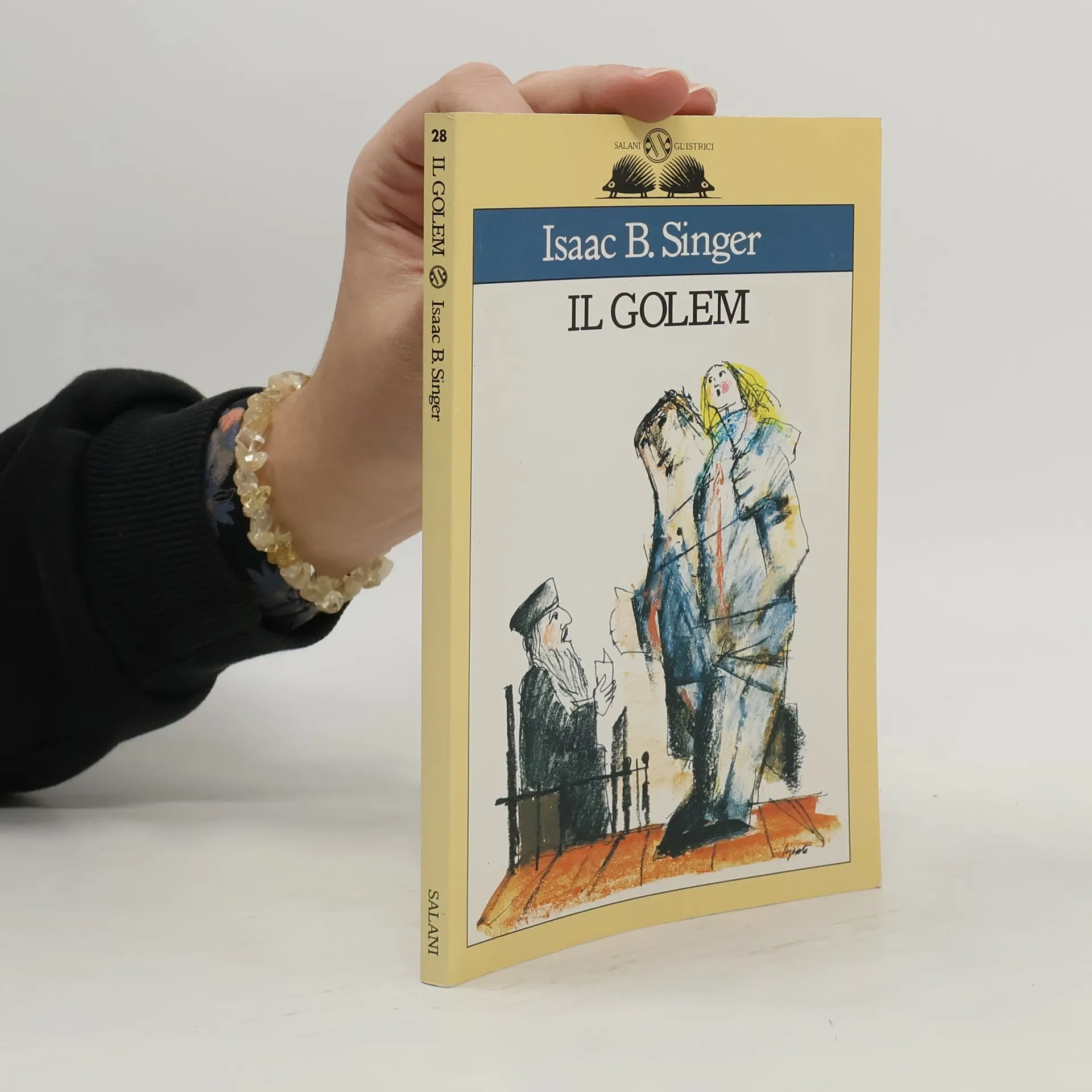
Chi era il nonno dei robot? Chi era lo zio di Frankenstein? Il Golem è forse uno dei più antichi esseri artificiali leggendari: un gigante di argilla creato, su ispirazione divina, da un rabbino, in aiuto degli Ebrei di Praga; un enorme fantoccio che si anima solo quando in fronte gli viene inciso il completo Nome di Dio. In un primo tempo il Golem obbedirà agli ordini, ma poi comincierà ad avere vita propria, a essere invaso dalla malinconia, a sentirsi solo e diverso. E tra mito, filosofia e fantascienza, la sua storia avrà un finale fiabesco, che lo accomuna a quello commovente e immorale della Bella e la Bestia.
Una memoria asombrosamente intima degli itinerari interni dell'autore di Sombras sobre el Hudson. Dalla fine della Prima Guerra Mondiale fino al New York degli anni trenta, Isaac Bashevis Singer ritrae la prima parte della sua vita in questa emotiva autobiografia. Nella prima parte, "Un bambino in cerca di Dio", l'autore ricorda la sua infanzia a Radzymin come figlio di un rabbino ortodosso assorbito dalle prime letture scientifiche e filosofiche. Con il tempo, e dopo essersi trasferito a Varsavia per tentare la fortuna con la scrittura, le donne iniziano a ossessionarlo tanto quanto la ricerca della verità e della conoscenza, e in "Un giovane in cerca di amore" raccoglie le sorprendenti e drammatiche intrighe dei suoi primi amori. Infine, in "Perduto in America", l'autore racconta gli oscuri anni di solitudine e depressione all'inizio del suo esilio negli Stati Uniti, dove emigra dalla Polonia all'alba della Seconda Guerra Mondiale.