Bookbot

Nancy Heller

    Künstlerinnen
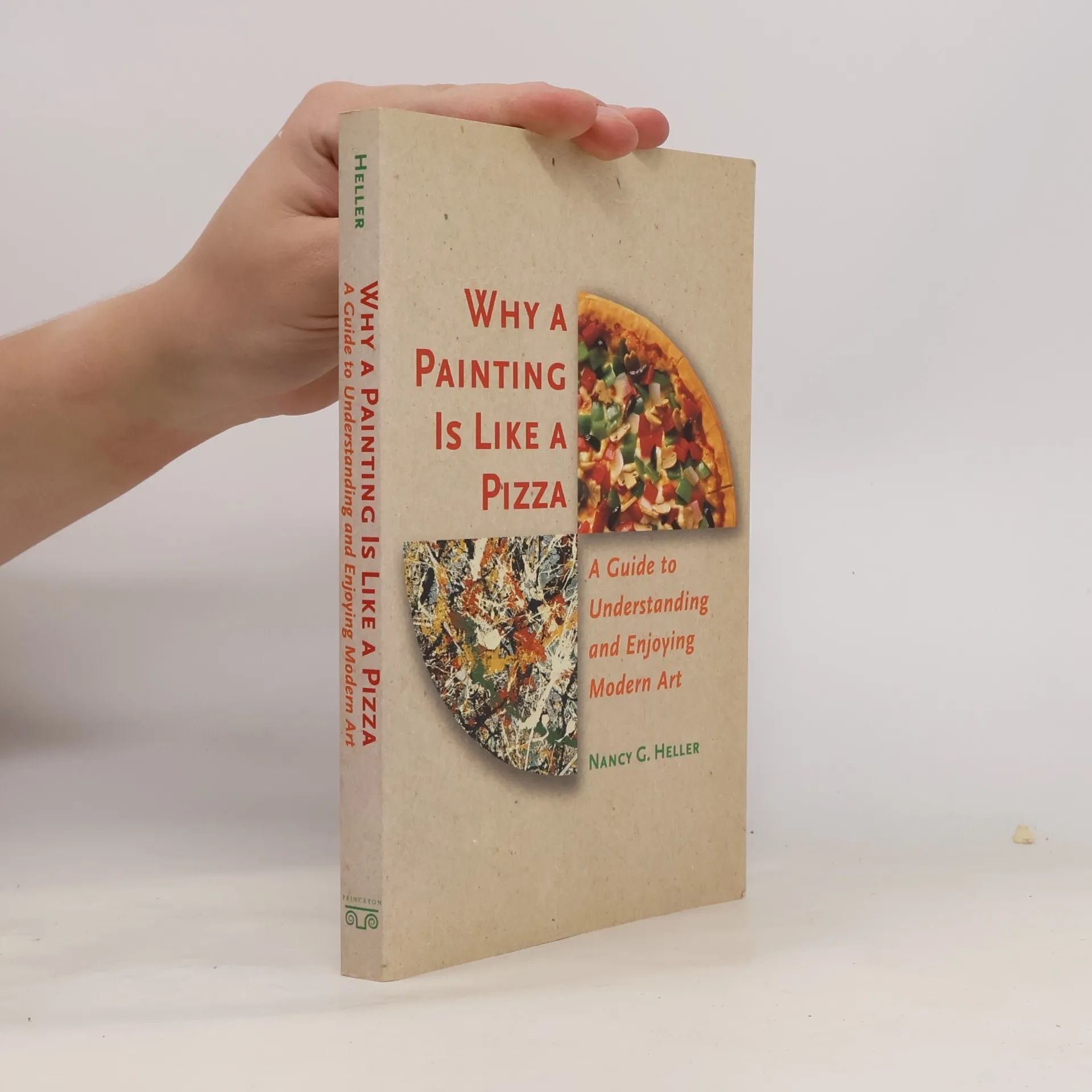
    Why a Painting Is Like a Pizza
    Women artists: An illustrated history
    Sargent and Spain
    • Sargent and Spain

      • 256 stron
      • 9 godzin czytania

      Explore John Singer Sargent’s fascination with Spain through stunning landscapes, architectural views, figure studies, and scenes of everyday life. The American artist (1856–1925) found rejuvenation and inspiration in Spain, particularly on the picturesque island of Majorca. This collection features an array of Sargent’s dazzling watercolors, oil paintings, and drawings, showcasing everything from seascapes and architectural studies to sympathetic portraits of the Roma and other locals he encountered. Immersing himself in the rich culture, he studied both old and new Spanish masters, with a particular focus on Diego Velázquez’s works in the Prado. Sargent captured the distinctive architecture of the Alhambra and other palaces and churches, alongside lively scenes of ports and villages. His intrigue with Spanish dance and music is reflected in dynamic depictions of flamenco and the renowned dancer La Carmencita. A map and illustrated chronology detail the artist's seven trips across Spain. This handsome publication highlights Sargent’s captivating experiences and the remarkable artworks associated with them, coinciding with exhibitions at the National Gallery of Art, Washington, and the Fine Arts Museums of San Francisco.

      Sargent and Spain
      4,7
    • Women artists: An illustrated history

      • 224 strony
      • 8 godzin czytania

      Women Artists provides visual material on the subject, with several new international artists added to bring the content up to the minute.

      Women artists: An illustrated history
      3,8
    • Why a Painting Is Like a Pizza

      A Guide to Understanding and Enjoying Modern Art

      • 192 strony
      • 7 godzin czytania

      Art historian Nancy Heller's entertaining guide to contemporary art begins with her first experience making pizza from scratch, leading her to draw intriguing parallels between modern art and both traditional and children's art. Heller demonstrates how we can enhance our existing analytical tools to appreciate even the most unfamiliar paintings and sculptures. She likens a painting to a pizza, emphasizing that both rely on visual balance and are ultimately judged by personal taste, despite established standards. Through relatable examples and unexpected connections, Heller aims to make even the most skeptical viewers feel at ease with contemporary art, revealing aspects they might otherwise overlook. She explores the creation of nontraditional art, discussing how to analyze its composition and meaning. Importantly, Heller reassures readers that it's okay not to like all avant-garde art. By fostering a relaxed perspective, we can apply our everyday aesthetic awareness to interpret various artworks. The book also addresses the eight most common questions about contemporary art, from determining the orientation of abstract pieces to identifying museum-worthy works. It caters to those who resonate with art critic Clement Greenberg's assertion that "All profoundly original art looks ugly at first," as well as those who disagree, providing insights for anyone seeking a deeper understanding of their museum or gallery experiences.

      Why a Painting Is Like a Pizza