

Bookbot

Robert M. W. Dixon

    25 stycznia 1939
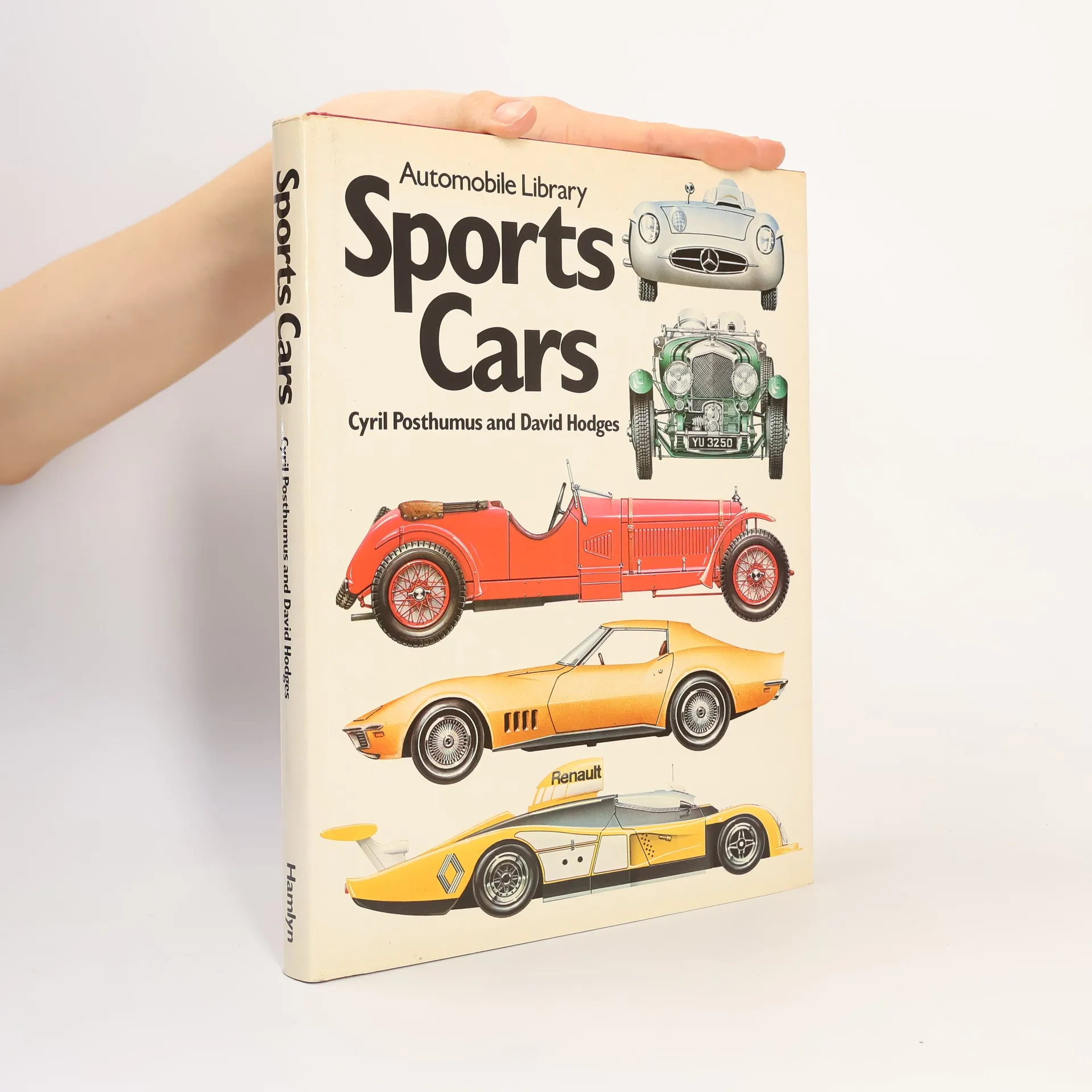
    Sports Cars
    Making New Words
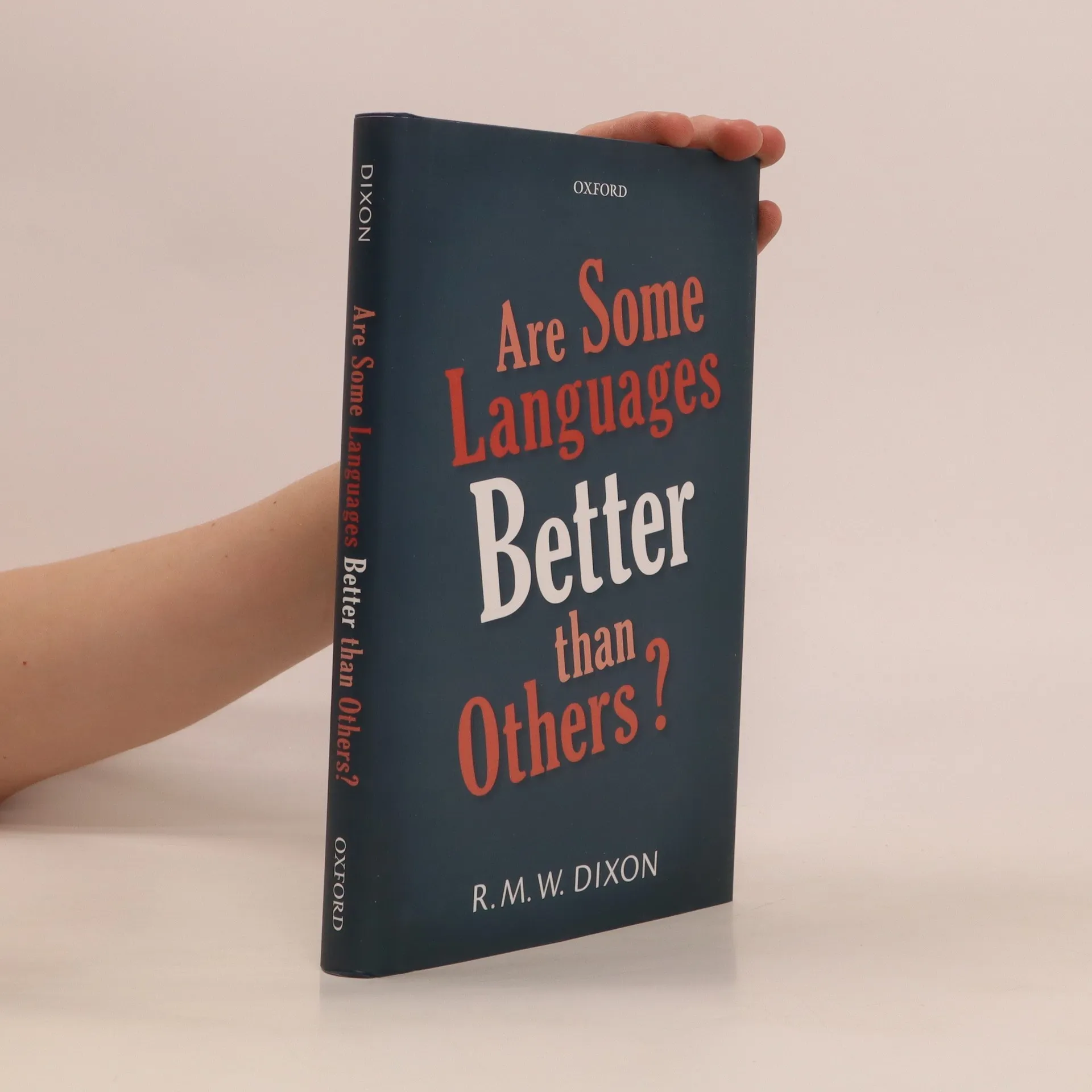
    Are some languages better than others?
    • Are some languages better than others?

      • 208 stron
      • 8 godzin czytania

      This book sets out to answer a question that many linguists have been hesitant to are some languages better than others? Can we say, for instance, that because German has three genders and French only two, German is a better language in this respect? Jarawara, spoken in the Amazonian jungle, has two ways of showing one for a part (e.g. 'Father's foot') and the other for something which is owned and can be given away or sold (e.g. 'Father's knife'); is it thus a better language, in this respect, than English, which marks all possession in the same way?R. M. W. Dixon begins by outlining what he feels are the essential components of any language, such as the ability to pose questions, command actions, and provide statements. He then discusses desirable features including gender agreement, tenses, and articles, before concluding with his view of what the ideal language would look like - and an explanation of why it does not and probably never will exist. Written in the author's usual accessible and engaging style, and full of personal anecdotes and unusual linguistic phenomena, the book will be of interest to all general language enthusiasts as well as to a linguistics student audience, and particularly to anyone with an interest in linguistic typology.

      Are some languages better than others?
      3,8
    • Making New Words

      Morphological Derivation in English

      • 448 stron
      • 16 godzin czytania

      This study examines around 200 prefixes and suffixes that form new words in contemporary English. Professor Dixon systematically discusses these forms while addressing numerous exceptions to general rules. For example, he explores why we say un-distinguished but in-distinguishable, or un-ceasing but in-cessant. The book begins with preliminary chapters that set the scene and outline the criteria used in the analysis. It covers the derivation of negative words, as well as derivations that do not change word class, including new verbs, adjectives, nouns, and adverbs. The final chapter focuses on combinations of suffixes and prefixes. Within each chapter, derivational affixes are organized into semantic groups, contrasting their meanings and functions, such as child-less versus child-free. Each affix is examined for its genetic origin (from Old English, Greek, Latin, French, etc.), phonological form, stress placement implications, and the roots it can attach to, along with its historical range of meanings. The author’s clear and organized writing style, complemented by examples from literature and media, makes this an invaluable resource for scholars and students of English language and linguistics, while also appealing to general readers curious about the intricacies of the language.

      Making New Words