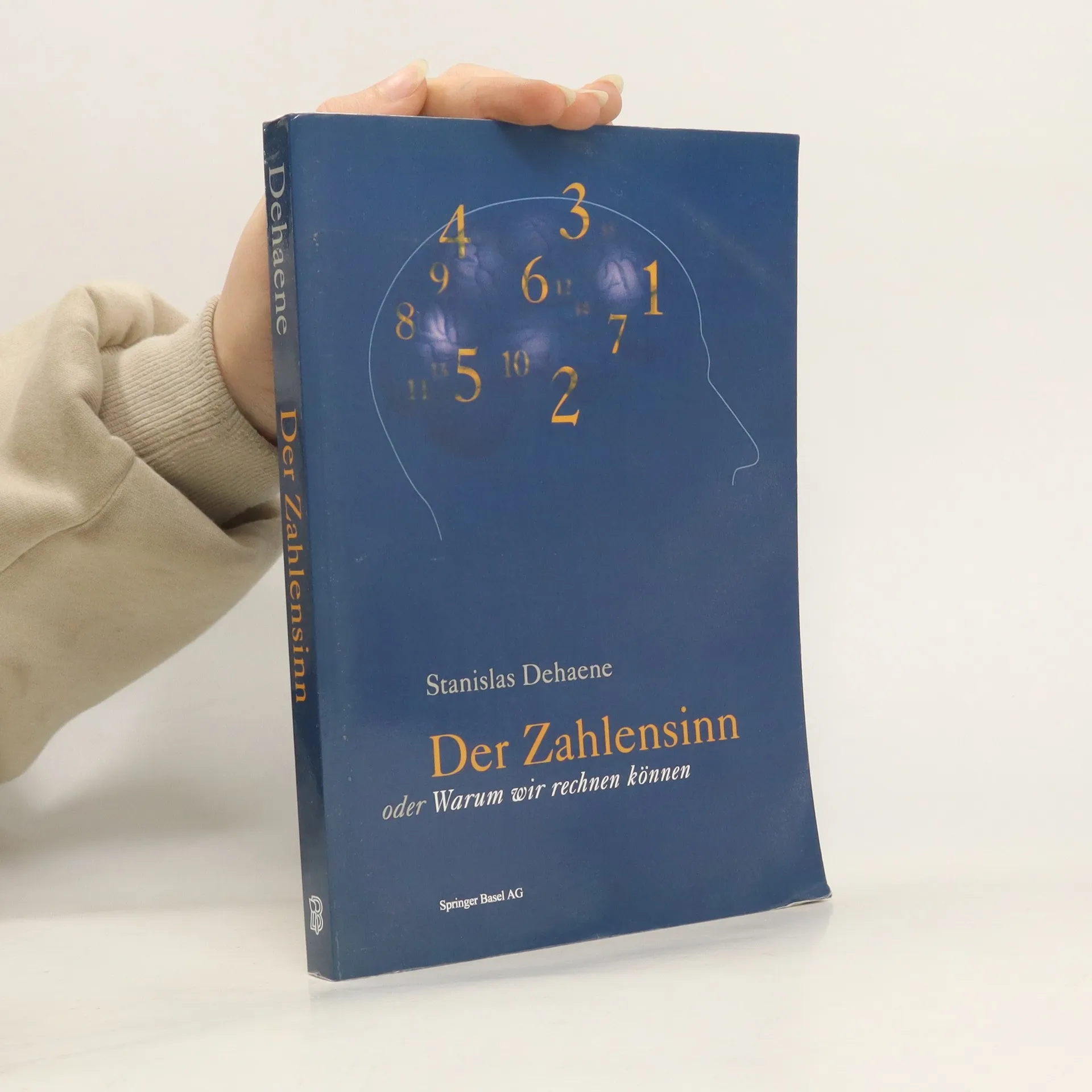
Jak sie uczymy? Dlaczego mozgi ucza sie lepiej
Stanislas Dehaene Książki
12 maja 1965

Świadomość i mózg. Odczytywanie kodu naszych myśli
- 480 stron
- 17 godzin czytania
Czy można dokładnie określić, kiedy u noworodków wykształca się świadomość? Co decyduje o potędze ludzkiego umysłu, ale także naraża go na choroby psychiczne, takie jak schizofrenia? Stanislas Dehaene przedstawia kompleksowy obraz badań nad świadomością, relacjonując efekty wykorzystania rezonansu elektromagnetycznego oraz eksperymenty związane ze złudzeniami optycznymi. Bada język myśli i kody, jakimi posługuje się mózg, aby je zapisać. Prezentuje nowatorską teorię globalnej neuronowej przestrzeni roboczej, w której każdy neuron ma unikalną funkcję. Wyjaśnia, że świadomość działa jak rzecznik prasowy instytucji z miliardami neuronów, wybierających najważniejsze informacje. Bez niej zgubilibyśmy się w codziennej lawinie bodźców. Ta fantastyczna maszyna biologiczna w twoim mózgu czyni z ciebie najbardziej wyjątkowe zwierzę na Ziemi – człowieka. Dehaene, światowej klasy uczony, opracował pionierski zestaw eksperymentów, rewolucjonizując badania nad świadomością. Ta książka otwiera nowy świat przed szerokim kręgiem odbiorców, będąc znakomitym współczesnym ujęciem tematu.
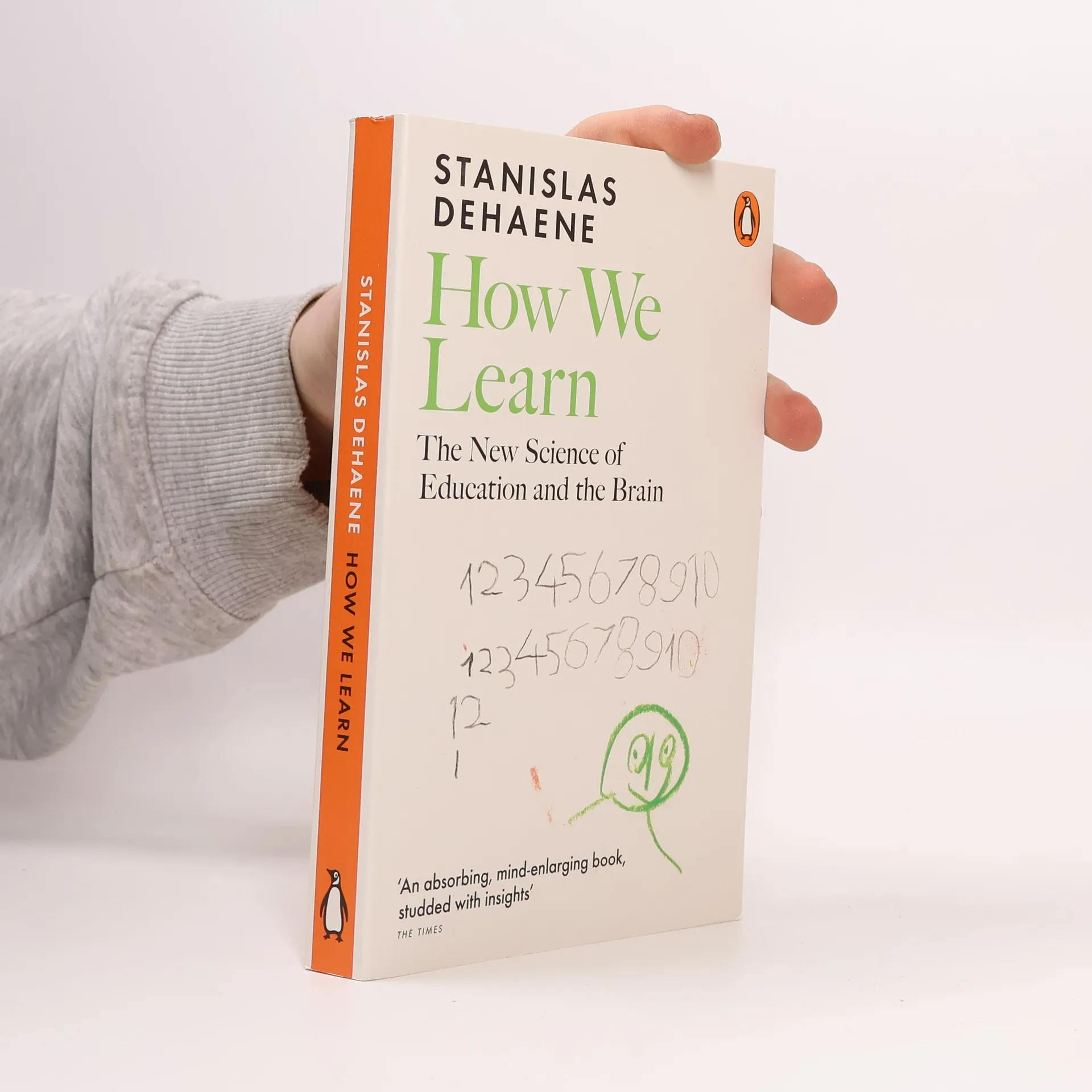
How We Learn: Why Brains Learn Better Than Any Machine . . . for Now
- 352 strony
- 13 godzin czytania
“There are words that are so familiar they obscure rather than illuminate the thing they mean, and ‘learning’ is such a word. It seems so ordinary, everyone does it. Actually it’s more of a black box, which Dehaene cracks open to reveal the awesome secrets within.”--The New York Times Book Review An illuminating dive into the latest science on our brain's remarkable learning abilities and the potential of the machines we program to imitate them The human brain is an extraordinary learning machine. Its ability to reprogram itself is unparalleled, and it remains the best source of inspiration for recent developments in artificial intelligence. But how do we learn? What innate biological foundations underlie our ability to acquire new information, and what principles modulate their efficiency? In How We Learn, Stanislas Dehaene finds the boundary of computer science, neurobiology, and cognitive psychology to explain how learning really works and how to make the best use of the brain’s learning algorithms in our schools and universities, as well as in everyday life and at any age.
How We Learn
- 352 strony
- 13 godzin czytania
An illuminating dive into the latest science on our brain's remarkable learning abilities and the potential of the machines we program to imitate them The human brain is an extraordinary machine. Its ability to process information and adapt to circumstances by reprogramming itself is unparalleled and it remains the best source of inspiration for recent developments in artificial intelligence. In How We Learn, Stanislas Dehaene decodes the brain's biological mechanisms, delving into the neuronal, synaptic, and molecular processes taking place. He explains why youth is such a sensitive period, during which brain plasticity is maximal, but assures us that our abilities continue into adulthood and that we can enhance our learning and memory at any age. We can all learn to learn by taking maximal advantage of the four pillars of the brain's learning algorithm: attention, active engagement, error feedback, and consolidation. The exciting advancements in artificial intelligence of the last twenty years reveal just as much about our remarkable abilities as they do about the potential of machines. How We Learn finds the boundary of computer science, neurobiology, and cognitive psychology to explain how learning really works and how to make the best use of the brain's learning algorithms, in our schools and universities, as well as in everyday life.
How We Learn. The New Science of Education and the Brain
- 352 strony
- 13 godzin czytania
Absorbing and insightful, this exploration into learning reveals significant real-world implications. Humanity's greatest achievement is our remarkable capacity to learn, with infants acquiring language and social knowledge faster than supercomputers. Leading neuroscientist Stanislas Dehaene investigates the psychological, neuronal, synaptic, and molecular mechanisms behind this process. He presents case studies of children who triumphed over adversity, illustrating why youth is a crucial period for brain plasticity while reassuring us that learning abilities persist into adulthood. Everyone can enhance their learning and memory at any age by leveraging the four pillars of the brain's learning algorithm: attention, active engagement, error feedback, and consolidation. The human brain, an extraordinary machine, processes information and adapts by reprogramming itself, serving as a model for advancements in artificial intelligence. This work bridges computer science, neurobiology, cognitive psychology, and education to elucidate how learning functions and how to optimize the brain's algorithms for improved outcomes in schools, universities, and daily life.
"Brings together the cognitive, the cultural, and the neurological in an elegant, compelling narrative. A revelatory work."--Oliver Sacks, M.D. The act of reading is so easily taken for granted that we forget what an astounding feat it is. How can a few black marks on white paper evoke an entire universe of meanings? It's even more amazing when we consider that we read using a primate brain that evolved to serve an entirely different purpose. In this riveting investigation, Stanislas Dehaene, author of How We Learn, explores every aspect of this human invention, from its origins to its neural underpinnings. A world authority on the subject, Dehaene reveals the hidden logic of spelling, describes pioneering research on hiw we process languages, and takes us into a new appreciation of the brain and its wondrous capacity to adapt.
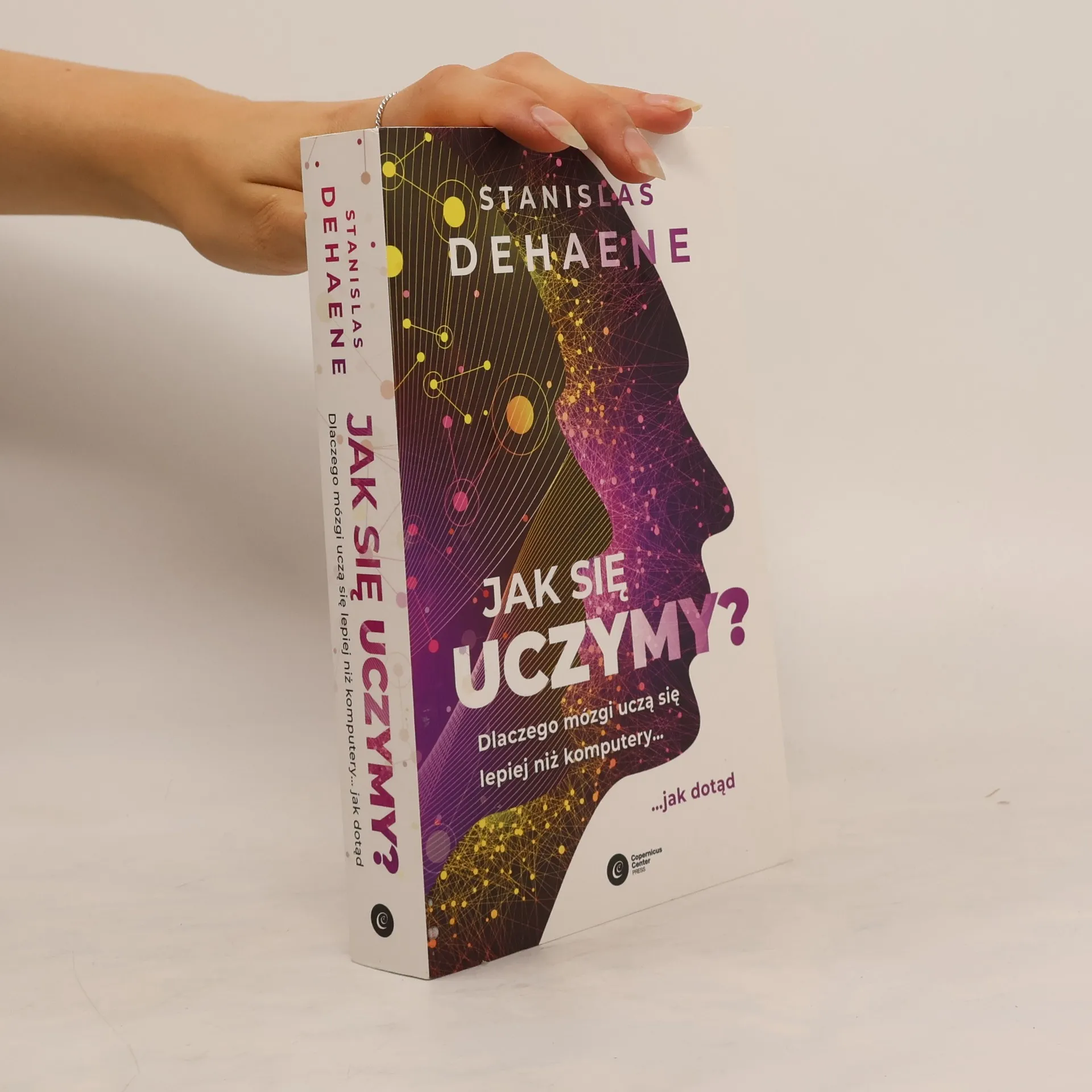
Der Zahlensinn oder Warum wir rechnen können
- 311 stron
- 11 godzin czytania
Wir sind von Zahlen umgeben, die unser Leben dominieren – sei es auf Kreditkarten, Münzen, Schecks oder in digitalen Tabellen. Sie sind das Fundament unserer Technologie und ermöglichen es uns, Raketen zu starten, Brücken zu bauen, Güter auszutauschen und Rechnungen zu begleichen. In gewisser Weise sind Zahlen kulturelle Erfindungen, die in ihrer Bedeutung nur mit der Landwirtschaft oder dem Rad vergleichbar sind. Ihre Wurzeln reichen tief: Bereits vor Tausenden von Jahren nutzten babylonische Wissenschaftler Zahlzeichen für präzise astronomische Berechnungen. Noch viel früher, in der Steinzeit, schufen Menschen die ersten geschriebenen Zahlenreihen, indem sie Knochen einkerbten oder Punkte auf Höhlenwände malten. Es wird sogar argumentiert, dass Tiere schon vor Millionen von Jahren einfache Rechnungen anstellten. Sind Zahlen also fast so alt wie das Leben selbst? Sind sie in der Struktur unseres Gehirns verankert? Besitzen wir einen Zahlensinn, eine Intuition, die uns hilft, Zahlen und Mathematik zu verstehen? Vor fünfzehn Jahren, während meiner Ausbildung zum Mathematiker, entdeckte ich meine Faszination für die abstrakten Objekte, mit denen ich arbeitete, insbesondere für die einfachsten von ihnen – die Zahlen.
AN ILLUMINATING DIVE INTO THE LATEST SCIENCE ON OUR BRAIN'S REMARKABLE LEARNING ABILITIES AND THE POTENTIAL OF THE MACHINES WE PROGRAM TO IMITATE THEM. The human brain is an extraordinary machine. Its ability to process information and adapt to circumstances by reprogramming itself is unparalleled and it remains the best source of inspiration for recent developments in artificial intelligence. In 'How We Learn', Stanislas Dehaene decodes the brain's biological mechanisms, delving into the neuronal, synaptic, and molecular processes taking place. He explains why youth is such a sensitive period, during which brain plasticity is maximal, but assures us that our abilities continue into adulthood and that we can enhance our learning and memory at any age. We can all learn to learn by taking maximal advantage of the four pillars of the brain's learning algorithm: attention, active engagement, error feedback, and consolidation. The exciting advancements in artificial intelligence of the last 20 years reveal just as much about out remarkable abilities as they do about the potential of machines. 'How We Learn' finds the boundary of computer science, neurobiology, and cognitive psychology to explain how learning really works and how to make the best use of the brain's learning algorithms in our schools and universities, as well as in everyday life. ©2020 Stanislas Dehaene (P02020 Penguin Audio