Naked. The Nude in America
- 476 stron
- 17 godzin czytania
Surveys the history of the nude in American art, photography, and popular culture.


Surveys the history of the nude in American art, photography, and popular culture.
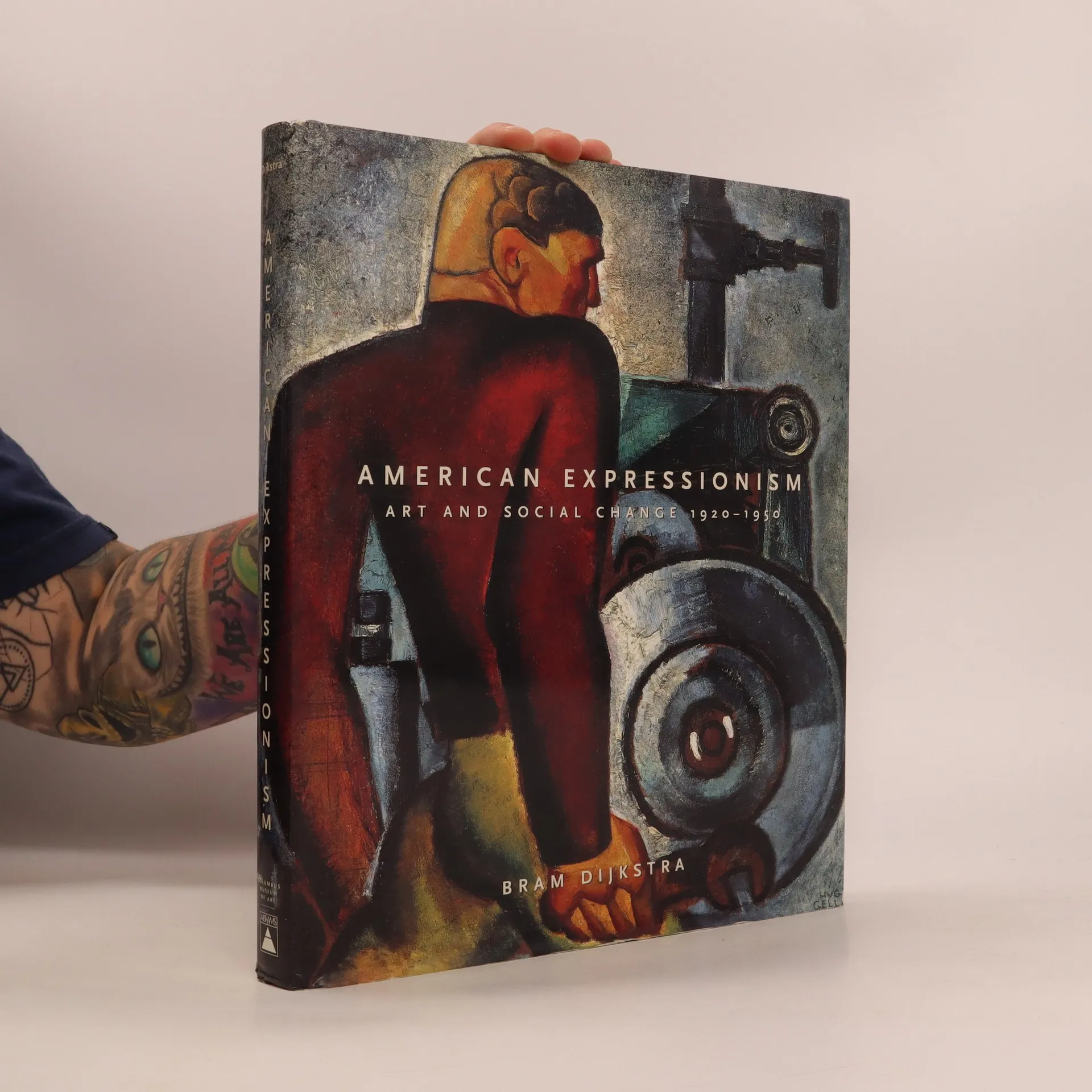
During the 1920s and '30s and until the end of World War II, a distinctly American form of Expressionism evolved. Most of the artists in this movement, children of immigrants from eastern and southern Europe, African-Americans and other outsiders to American mainstream culture, grew up in the urban ghettoes of the East Coast or Chicago. Their art was sympathetic to the disposessed and reflected a deep concern with the lives of working people. Providing a look at this art - and the beginnings of a new movement, Abstract Expressionism, which followed it - cultural historian Bram Dijkstra offers insights into the roots of painting in modern America.
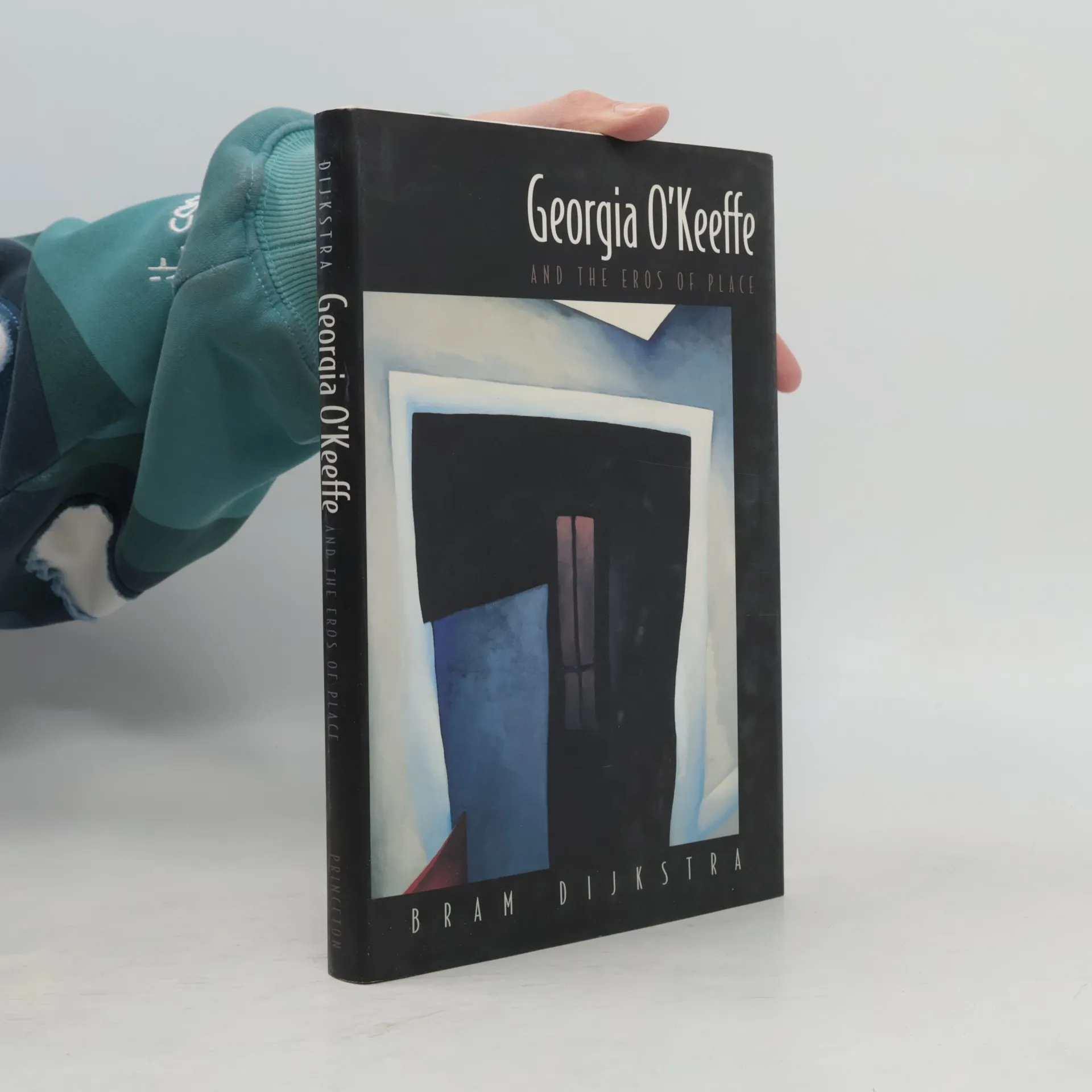
Georgia O'Keeffe is celebrated as a pioneering modernist artist, yet some critics argue that her revolutionary approach stemmed from her American background rather than being influenced by it. Bram Dijkstra challenges this perspective in a thorough reappraisal of O'Keeffe's work, demonstrating that her art was profoundly shaped by her American upbringing. He sheds new light on her life and offers fresh interpretations of her significant paintings. While many art historians credit Alfred Stieglitz and European modernists for her development, Dijkstra emphasizes the importance of her childhood cultural environment and early art education. He reveals that O'Keeffe's mature style was influenced by unexpected sources, including Edgar Allan Poe's ideas on the androgynous soul and the transcendental materialism of the tonalist movement in American art. Dijkstra also highlights her alignment with the feminist goals and artistic concerns of the radical periodical The Masses, showing how contemporary illustration styles impacted her personal artistic development. He argues that O'Keeffe's quest for an organic abstraction that honors nature allowed her to cultivate a humanist style that challenged the mechanistic tendencies of early European modernists. This meticulously researched work offers a significant reassessment of O'Keeffe's role in American culture and celebrates her commitment to the influence of place on her art.