This book takes readers to meet the presumed experts on how the brain works, but demonstrates that we cannot absolutely understand what is happening inside our heads, that science has achieved virtually nothing in explaining the mind and that science cannot define what makes us human.
Facing the Limits of Knowledge in the Twilight of the Scientific Age
324 strony
12 godzin czytania
As a writer for Scientific American, the author is regularly afforded the opportunity of interviewing comtemporary scientists such as Richard Dawkins, Murray Gell-Mann, Stephen Hawking and Noam Chomsky. In this work, he discusses with them whether all the big scientific questions have been answered and all the knowledge worth knowing become known. Will there eventually be a theory of everything that signals the end? In a time where scientific rationality is under fire from many quarters, Horgan provides an overview of current scientific enterprise as he discusses God, Star Trek, superstrings, quarks, consciousness and many other topics.
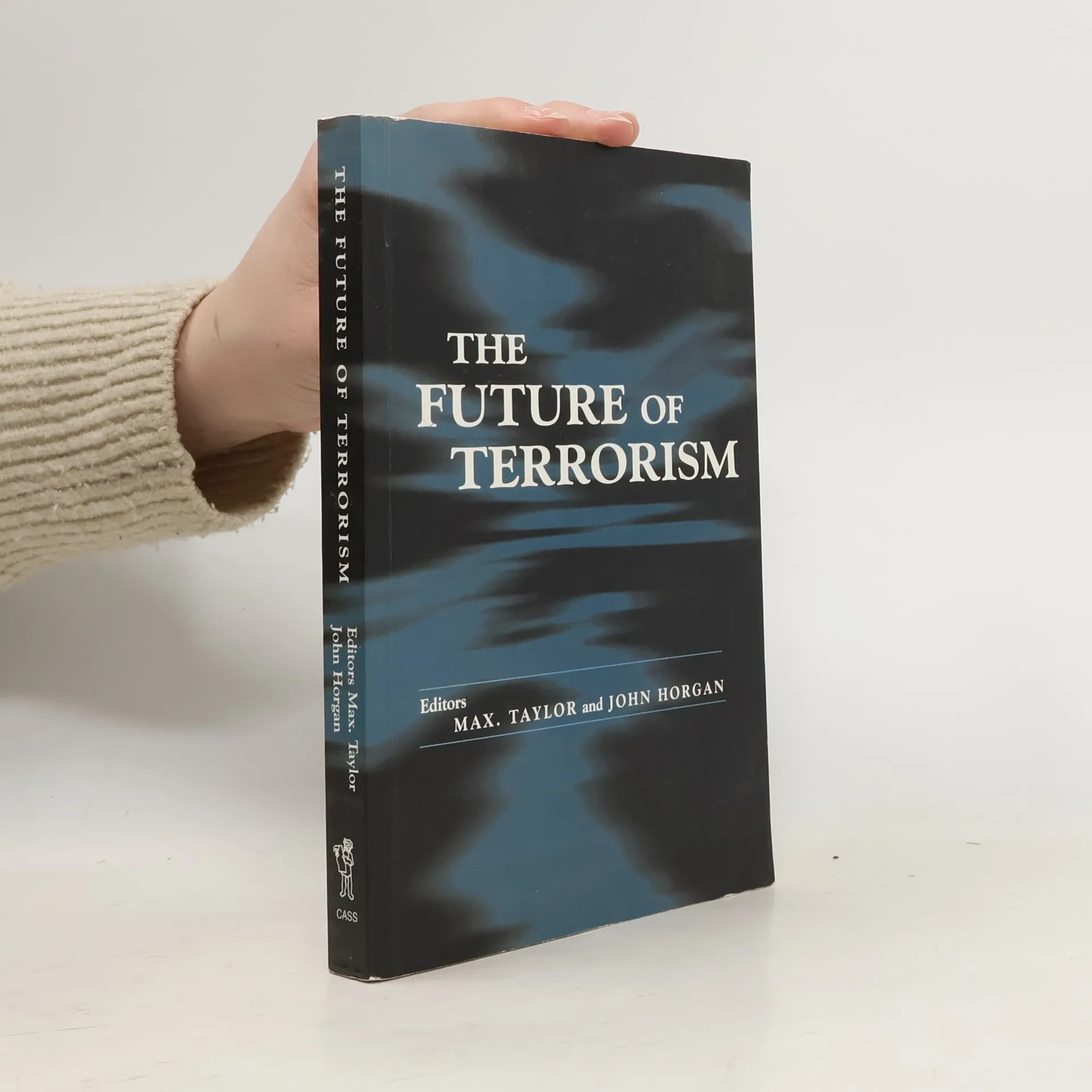
These papers are from a meeting at University College Cork, Ireland, at which terrorism experts from academia and law enforcement presented and dicussed their views on future developments in terrorism.
Sila silu rađa. Tko se mača laća, od mača će i poginuti. Iako nesretna, rat je – činjenica. Gotovo sve ostalo u vezi s ratom je sporno, tvrdi John Horgan. Rat ima svoj povijesni početak: ne ratuje se otkad je svijeta nego od postanka prvih civilizacija. Drugo, rat je u ljudskoj prirodi jednako koliko i mir – na nama je hoćemo li se opredijeliti za rat ili za mir. Treće, kategorički pacifizam po svaku cijenu gotovo je nemoguće braniti u svim slučajevima: na primjer, kad vas napadnu. I konačno, po svim dostupnim podacima, svakim danom sve manje se ratuje, manje nego ikad u povijesti. Horgan u Kraju ratovanja pokazuje da je kraj ratovanja i poželjan i realan cilj koji je današnjem čovječanstvu moguće dosegnuti. Trijezno i postupno, uz pomoć oveće biblioteke pisaca-ratnika i tragača za mirom, autor traga za izvorima ratovanja, istražuje društveni život čimpanza i bonoba, ratobornih i miroljubivih plemena, te vođenje suvremenih ratova i nenasilnih pokreta. Ova je knjiga uspjela, važna i napisana iz srca. David Barash, The Chronicle of Higher Education